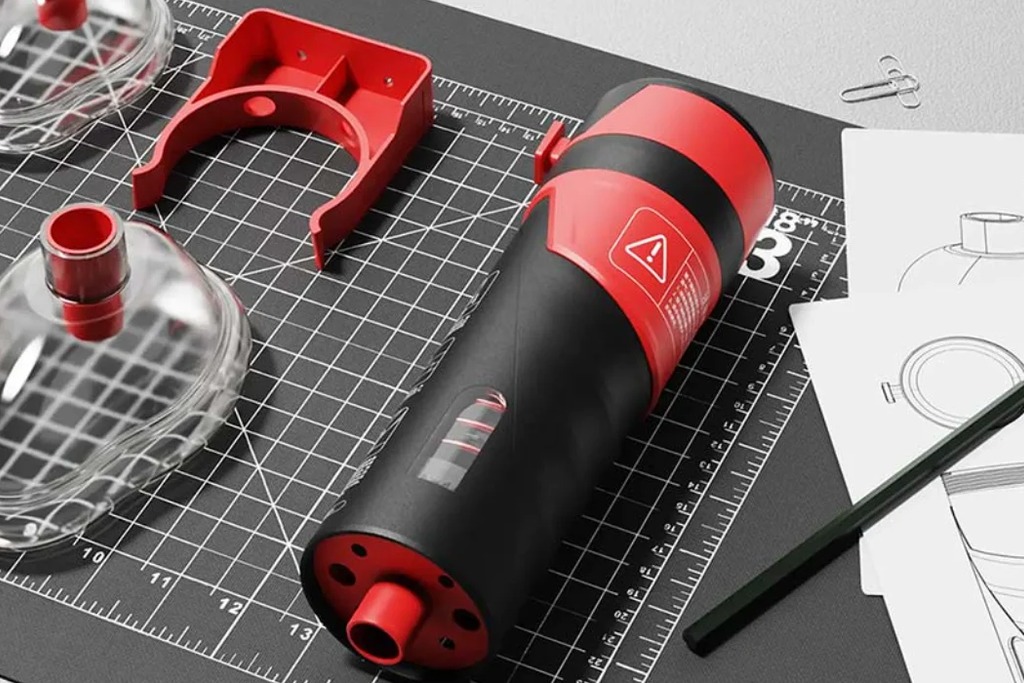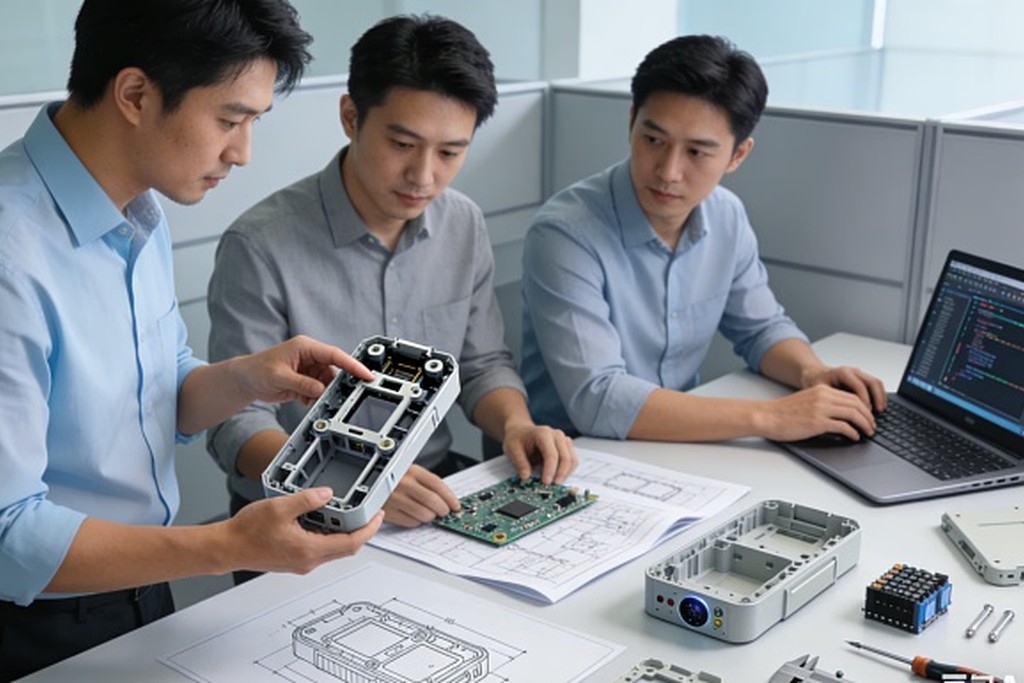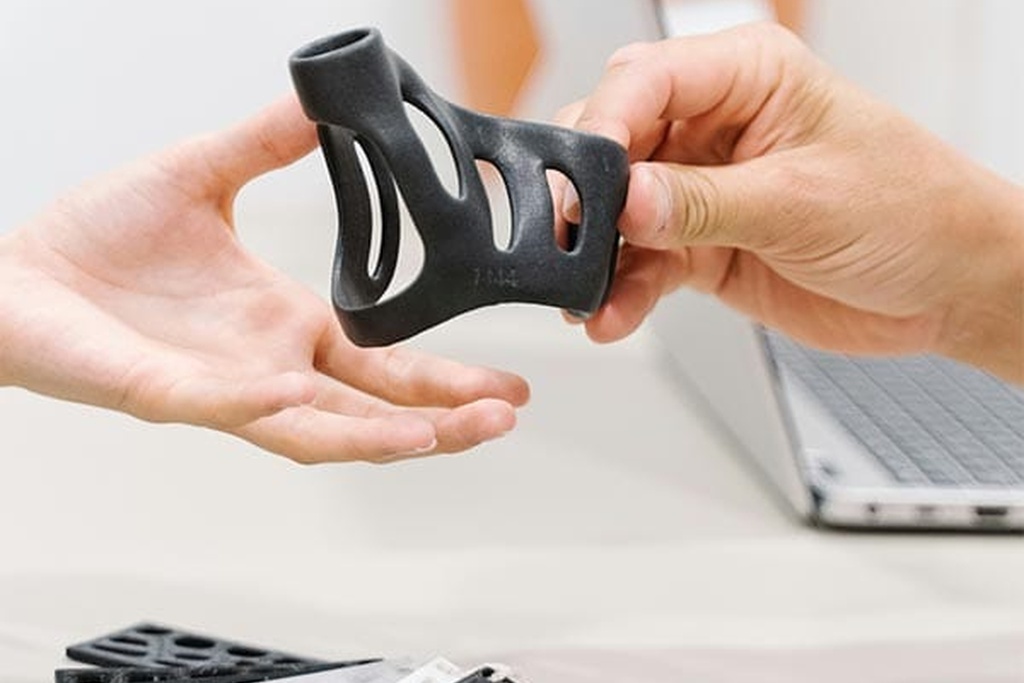

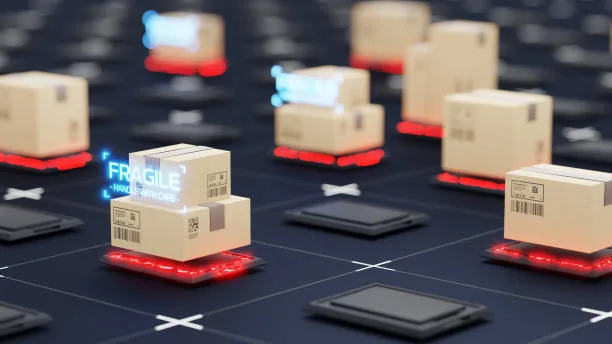
Many companies start with innovative concepts but quickly discover that turning an idea into a successful commercial product requires much more than creativity. Products must satisfy user expectations, meet engineering requirements, support manufacturing processes, and remain commercially viable. This is where industrial products design becomes essential.
Have a Product Idea but Not Sure If It’s Ready?
Many companies discover too late that hidden technical challenges, manufacturing constraints, and costly redesigns can delay commercialization. Before investing heavily in development, it’s important to understand whether your concept is feasible, manufacturable, and aligned with market needs.
- Identify development risks early
- Evaluate manufacturing feasibility
- Clarify your commercialization roadmap
👉 Book a Free 30-Minute Product Strategy Consultation
What Is Industrial Products Design?
Industrial design is the process of transforming ideas into products that are functional, user-friendly, manufacturable, and commercially viable.
From healthcare technologies and industrial systems to consumer electronics and connected devices, industrial products design helps reduce development risks while improving the chances of market success.
Why Product Development Is Harder Than Most People Think
Need Help Evaluating Your Product Idea?
Before investing heavily in development, understanding feasibility can save significant time and cost.
- Technical feasibility review
- Manufacturing assessment
- Commercialization planning
→ Explore Our Industrial Product Design Services
A Great Idea Doesn’t Automatically Become a Great Product
A product may solve a genuine problem, but success depends on much more than functionality alone. Before reaching the market, products must be tested, refined, and optimized to meet real-world expectations.
Some key questions product teams need to answer include:
- Is the product easy and intuitive to use?
- Can it be manufactured at scale without excessive costs?
- Will it perform consistently over time?
- Does it meet industry standards and compliance requirements?
- Can the design support future updates or product variations?
The Hidden Challenges of Product Development
Many development projects encounter obstacles that are not obvious during the idea stage.
Common challenges include:
- Balancing user needs with technical requirements
- Selecting materials that support both performance and cost goals
- Designing components that can be manufactured efficiently
- Reducing production risks before mass manufacturing
- Managing timelines, budgets, and stakeholder expectations
Even small design decisions made early in development can significantly impact the final product.
Why Early Decisions Matter
Choices related to product architecture, component selection, manufacturing processes, and material specifications can affect:
- Product reliability
- Manufacturing efficiency
- Production costs
- Time-to-market
- Long-term scalability
When these factors are overlooked, businesses often face expensive redesigns, production delays, and unexpected costs later in the development cycle.
How Successful Product Teams Reduce Risk
Organizations that bring products to market successfully typically focus on validation early in the process.
This often includes:
- Market research and customer feedback
- Concept evaluation and feasibility studies
- Prototype development and testing
- Manufacturing assessments
- Design-for-manufacturing (DFM) reviews
By identifying issues early, teams can make informed decisions before investing heavily in production.
Understanding the Product Development Process
Every successful product follows a structured path before reaching the market. While every project is different, most development programs move through five key stages.
| Stage | Primary Goal | Common Risk |
| Discovery | Validate opportunity | Building the wrong product |
| Concept Development | Explore solutions | Technical assumptions |
| Engineering | Refine implementation | Scope expansion |
| Prototype Validation | Test performance | Design flaws |
| Manufacturing Preparation | Scale production | Cost overruns |
Product Discovery and Strategy
Development begins by understanding the problem the product is meant to solve. This stage creates a roadmap that guides decisions throughout development and helps reduce uncertainty before significant investments are made.
Many organizations engage industrial product design services during this phase to ensure the project starts with a clear strategy and realistic goals.
If you’re still evaluating the feasibility of your product idea, our team can help assess technical requirements, manufacturing considerations, and market opportunities before development begins.
Concept Development
Once requirements are defined, teams begin exploring potential solutions. This stage often includes design exploration, usability reviews, feasibility studies, and early engineering collaboration.
Common activities during concept development include:
- Design exploration
- Feasibility assessments
- User experience evaluations
- Packaging studies
- Early engineering reviews
Engineering Development
Engineering transforms concepts into practical solutions. During this phase, teams refine mechanical systems, electronics integration, component layouts, and performance requirements.
Successful industrial design product development depends on close collaboration between design and engineering teams. Product appearance, internal architecture, materials, and user interactions all need to work together seamlessly.
Prototype Validation
Prototypes allow teams to test and refine products before manufacturing begins. Rather than treating prototyping as a single milestone, successful companies view it as an ongoing process. Multiple prototype iterations help evaluate usability, performance, durability, and technical feasibility.
Planning a New Product?
Before investing in tooling, manufacturing, or production scaling, it’s important to identify potential design and engineering challenges early.
A short consultation with our product development team can help uncover technical risks, improve manufacturability, and create a clearer path to commercialization.
Manufacturing Preparation
A working prototype does not automatically mean a product is ready for production. Manufacturing preparation focuses on ensuring products can be produced consistently, efficiently, and at scale. Teams evaluate assembly methods, supplier capabilities, quality requirements, and Design for Manufacturing (DFM) principles.
Preparing a product for manufacturing requires close coordination between design, engineering, and production teams. Organizations that address manufacturability early can reduce production risks, improve efficiency, and accelerate commercialization timelines. Learn more about our industrial products design services and how we help companies develop products that are ready for production and long-term market success.
This stage often involves evaluating:
- Assembly methods
- Supplier capabilities
- Production workflows
- Quality control requirements
- Design for Manufacturing (DFM) considerations
How Industrial Design Drives Better Outcomes
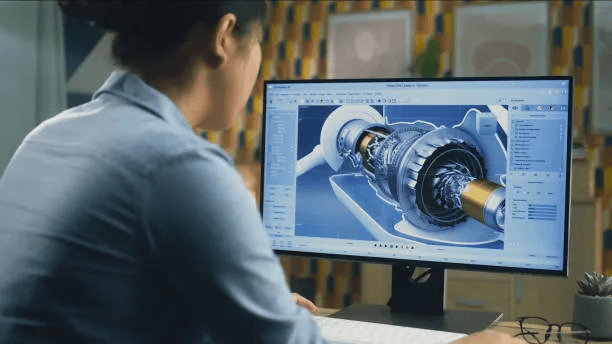
Industrial design influences usability, ergonomics, manufacturability, and brand perception. By understanding user needs and selecting appropriate materials, organizations can create products that perform reliably and deliver better experiences..
Better Ergonomics Create Better Experiences
A product should feel intuitive from the first interaction. Whether it’s a medical device, industrial tool, or consumer product, ergonomics helps improve:
- Comfort
- Ease of use
- User adoption
- Overall satisfaction
Well-designed products often feel effortless because user interactions have been carefully considered throughout development.
Product Form and Material Selection Matter
Customers often judge a product within seconds.
Factors that influence perception include:
- Shape and proportions
- Material selection
- Surface finishes
- Visual consistency
Strong industrial design helps communicate quality, reliability, and brand value.
Material choices also affect:
- Durability
- Maintenance requirements
- Manufacturing efficiency
- Long-term product performance
Which Industries Benefit Most from Industrial Design?
Different industries have different product development requirements, making industry-specific design strategies essential.
Medical and Healthcare Products
Healthcare products require a balance of:
- Reliability
- Usability
- Safety
- Regulatory compliance
A structured development process helps reduce risk while creating products healthcare professionals can trust and use confidently.
Developing healthcare products?
Explore how OPD supports medical device innovation from concept to commercialization.
→ Medical Device Development Solutions
Consumer Electronics
Modern consumer electronics must balance multiple requirements, including:
- Compact design
- Battery performance
- Thermal management
- Durability
- User experience
Industrial design helps simplify complex technology and make products more intuitive for everyday users.
Industrial Equipment, AIoT, and Smart Retail Systems
Industrial and connected products often operate in demanding environments where reliability is critical.
Effective industrial design can improve:
- Accessibility
- Serviceability
- Workflow efficiency
- Equipment usability
For AIoT and smart retail solutions, close collaboration between design, engineering, and manufacturing teams helps ensure products remain reliable, scalable, and user-friendly.
What to Look for in a Product Development Partner
Choosing the right development partner can significantly influence commercialization outcomes. Organizations should look for expertise in industrial design, engineering collaboration, prototyping, validation, manufacturing readiness, and commercialization planning.
Key qualities to look for include:
- Industrial design expertise
- Engineering collaboration
- Prototyping and testing capabilities
- Manufacturing readiness support
- Commercialization experience
- Cross-functional development processes
Have a Product Idea in Development?
Whether you’re validating a concept, refining a prototype, or preparing for manufacturing, our team can help guide the process from strategy to commercialization.
Related Resources
Interested in learning more about product development and commercialization?
- Industrial Product Design Services
- Product Development Process Guide
- Design for Manufacturing (DFM) Best Practices
- Prototyping and Product Validation
- Medical Device Development Solutions
Conclusion
Turning concepts into successful commercial products requires much more than creativity. Successful industrial product development combines user research, industrial product design services, engineering collaboration, validation, manufacturing readiness, and commercialization planning. When these elements work together, organizations can reduce risk, improve product quality, and accelerate market readiness.
Ready to Bring Your Product to Market With Confidence?
Successful products don’t happen by accident. They result from informed decisions, early validation, and close collaboration across design, engineering, and manufacturing teams.
Whether you’re evaluating a new concept, refining an existing prototype, or preparing for production, OPD can help you navigate the path to commercialization.
Let’s discuss your project.
- Free initial consultation
- Practical development guidance
- Clear next steps tailored to your goals
FAQs
1. What is industrial product design?
Industrial product design is the process of creating functional, user-focused, manufacturable products prepared for commercialization.
2. Why is industrial design important during product development?
Industrial design improves usability, manufacturing readiness, product differentiation, and overall user experience while supporting engineering and business objectives.
3. What industries benefit from industrial product development?
Healthcare, industrial equipment, consumer electronics, AIoT systems, connected devices, and smart retail technologies commonly benefit from structured product development.
4. How much does industrial product design typically cost?
Costs vary depending on product complexity, development stage, and technical requirements. A consultation can help define scope and budget expectations.
5. When should companies involve an industrial design partner?
The earlier industrial design expertise is introduced, the easier it becomes to identify risks, improve usability, and reduce costly changes later.
6. Can OPD support products that are already in development?
Yes. OPD can assist organizations at various stages, from concept validation and prototyping to manufacturing preparation and commercialization support.