
AI Hardware Product Development
Transforming AI technology into truly viable, mass-producible products through comprehensive AI hardware product development services.
AI is moving beyond software and the cloud into the physical world.
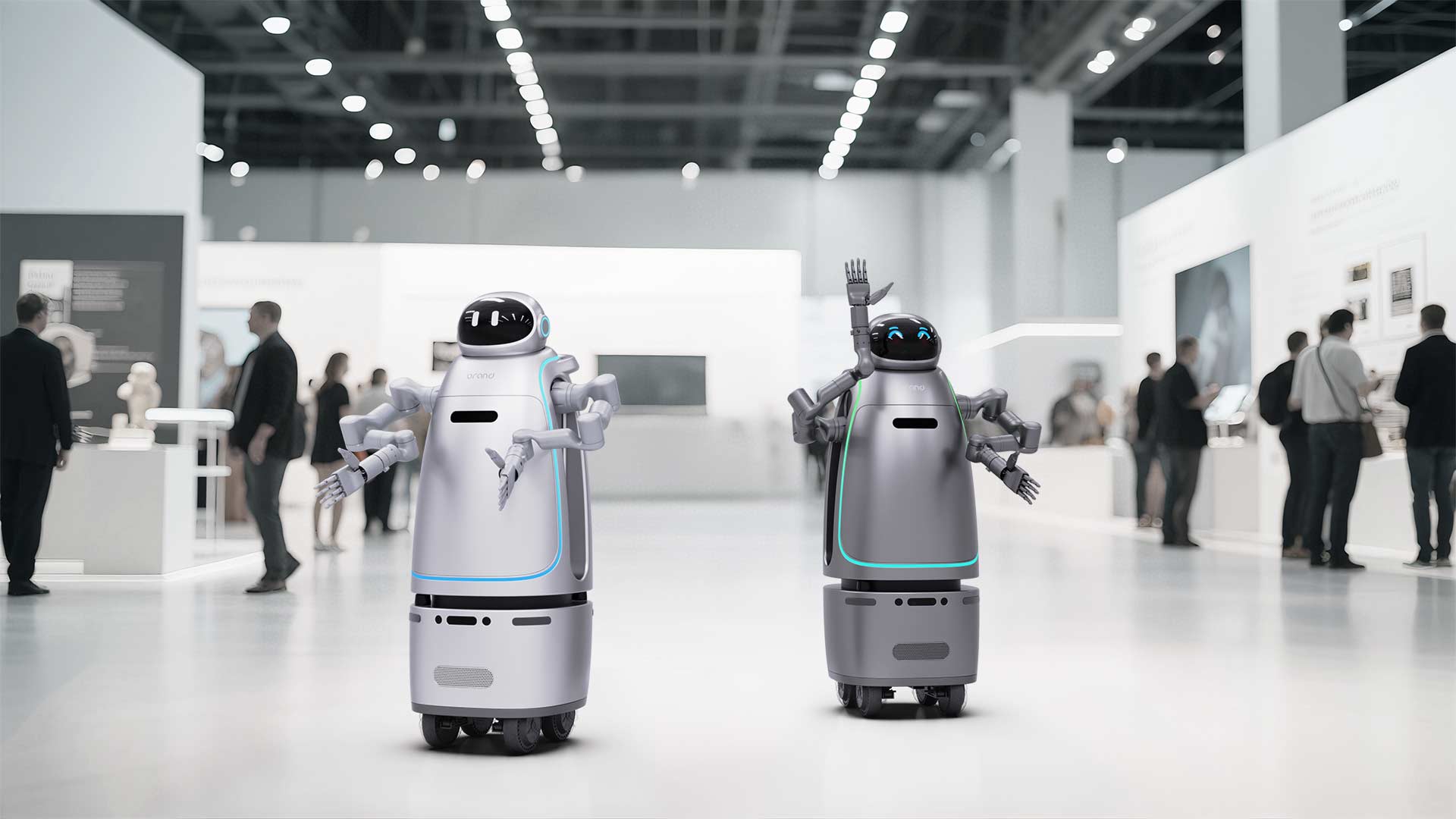
From AI companion devices and intelligent robots to AI wearables, smart cameras, and Edge AI terminals, an increasing number of products require the deep integration of AI, hardware, software, industrial design, and manufacturing.
OPD Design provides professional AI hardware product development services, helping enterprises transform AI product concepts into tangible hardware products ready for development, validation, manufacturing, and market launch.
We provide comprehensive AI hardware product development services—covering everything from product definition, industrial design, structural engineering, electronic hardware, and embedded software to AI model integration, prototyping, and mass production ramp-up.
From AI concept to working prototype, and finally to mass production.
AI Hardware Products We Develop
AI Companion &
Interaction Devices

AI Companion Devices
AI Robots
AI Interactive Devices
Voice Interaction Devices
AI Entertainment Products
Intelligent Interactive Terminals
AI
wearables

AI Smart Glasses
AI Wearable Devices
AI Health Devices
Smart Headsets
Intelligent Wearable Accessories
Human-Machine Interaction Devices
AI vision
devices

AI Cameras
Computer Vision Devices
Face Recognition Devices
Smart Monitoring Devices
Object Recognition Devices
Intelligent Inspection Devices
AI Consumer
Electronics

AI Speakers
Smart Displays
AI Controllers
Personal AI Devices
Smart Entertainment Devices
AI-enabled Consumer Electronics
AI educational
products

AI Learning Devices
AI Educational Products
AI Toys
Children’s Smart Devices
Interactive Learning Devices
Educational Robots
AIoT & Edge
AI Devices

Edge AI Devices
Smart Sensors
AIoT Devices
IoT Gateways
Intelligent Industrial Devices
Smart Monitoring Systems
Why Is AI Hardware More Difficult?

Traditional smart hardware
Hardware + Firmware + App

AI Hardware
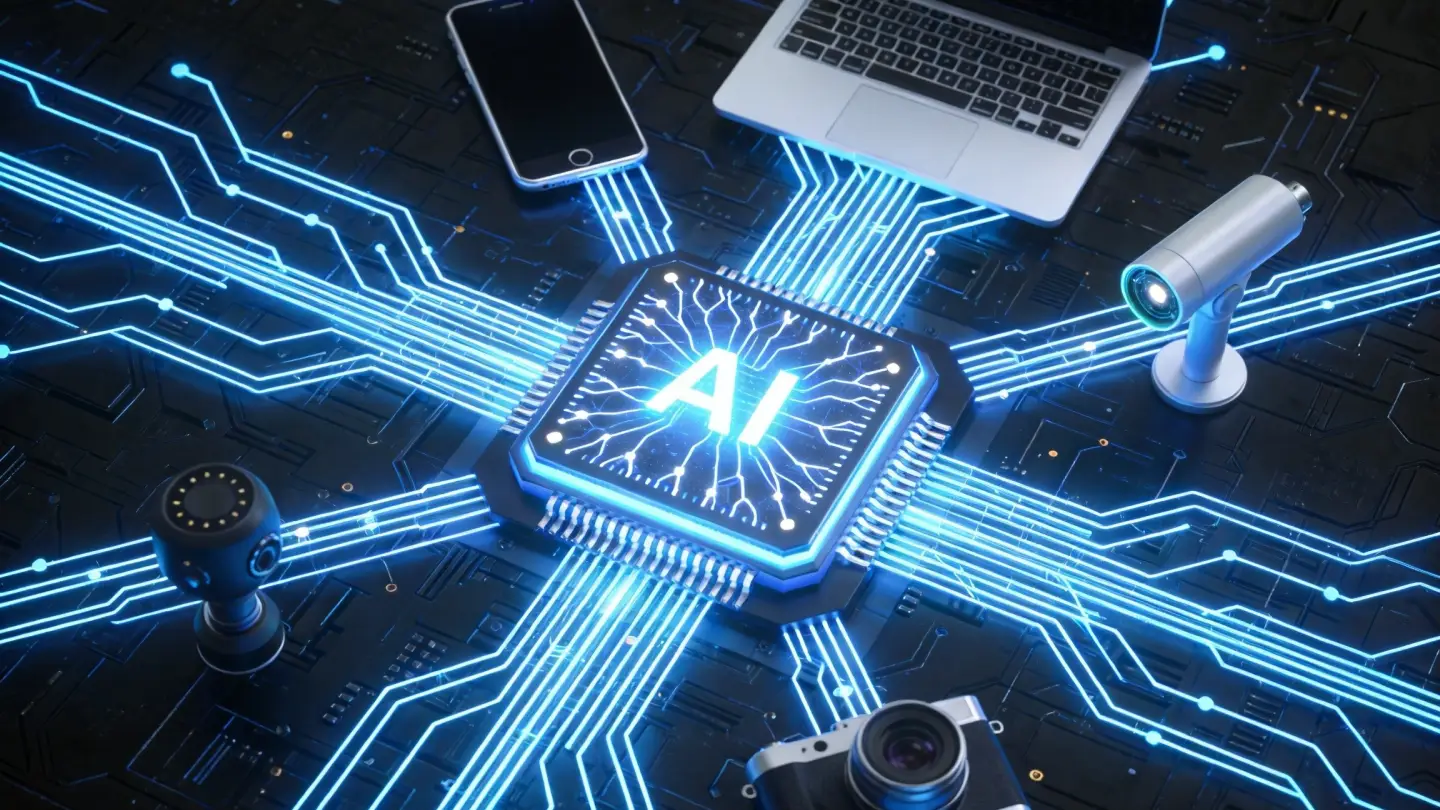
Sensors + Computing Platform + AI Model + Data + Connectivity + Cloud
AI Hardware System
Sensing
Computing
Intelligence
Interaction
Connectivity
Product Experience
The core value of OPD lies in integrating these independent technical modules into a product system that truly works.
Sensing
Computing
Intelligence
Interaction
Connectivity
Product Experience
Our AI Hardware Product Development Capabilities
Product Strategy & Definition
01
At the project’s outset, we clarify exactly what problem AI should solve, rather than simply “adding AI to the product.” We assist clients in:
- Product Concept
- User Scenario Definition
- Product Positioning
- Function Definition
- AI Feature Definition
- Hardware Architecture
- Technology Feasibility
- Component Selection
- Target Cost Definition
Industrial Design
02
AI products need to simultaneously embody a sense of technology, brand identity, and user experience. We offer:
- Industrial Design
- Product Form Development
- Human-Machine Interaction
- CMF Design
- Ergonomic Design
- Interaction Design
- Brand Visual Language
Mechanical Engineering
03
AI products typically require the integration of more electronic components, resulting in greater complexity regarding internal space, thermal management, and structural design. We offer:
- Mechanical Architecture
- Internal Component Layout
- Structural Design
- Thermal Management
- Waterproof & Dustproof Design
- Material Selection
- Assembly Design
- DFM / DFA
- Reliability Considerations
Electronics Development
04
Establish a suitable electronic system architecture based on product requirements. This includes:
- MCU / SoC Selection
- AI Chip / NPU Selection
- PCB Design
- Power Management
- Battery System
- Camera Integration
- Microphone & Audio System
- Sensor Integration
- Wi-Fi / Bluetooth
4G / LTE - Communication Interfaces
Embedded Software
05
Get the hardware up and running. Includes:
- Firmware Development
- Device Drivers
- Sensor Integration
- Hardware Control
- Communication Protocols
- Power Management
- OTA
- Device-Level Software Integration
AI Integration
06
The focus of AI hardware development is not merely on developing an AI model, but on enabling the model to run stably on actual devices. Depending on project requirements, we can provide support for:
- AI Model Integration
- Edge AI Deployment
- Computer Vision
- Speech & Voice AI
- LLM Integration
- Cloud AI Integration
- Sensor & AI Integration
- AI Hardware Optimization
Depending on the specific project, we can also assist clients in connecting with relevant AI models, chips, computing platforms, and software ecosystems.
Have an AI
Hardware P product Idea?
Let’s Turn Your Concept Into Market-Ready Products
Whether you are developing an AI wearable, intelligent camera, AI companion device, smart robot, Edge AI product or a new category of AI-enabled consumer electronics, OPD can help you move from concept to engineering validation and ultimately to mass production.
Tell us about your AI hardware project.
AI Hardware Product Development Process
One of the greatest risks in AI product development is discovering—only at a late stage—that the core technology is unfeasible.
To mitigate this, we employ a phased NPI (New Product Introduction) development process—progressing through POC, EVT, DVT, PVT, and MP—to incrementally reduce technical, design, and manufacturing risks.
Verifying the feasibility of core technologies focuses on the following key aspects:
AI Function Feasibility
Core Sensor Selection
Computing Platform Evaluation
AI Model Feasibility
Key Component Evaluation
Core Function Prototype
Objective: Demonstrate that the core technology works.
Translating core technologies into engineering products focuses on the following key aspects:
Industrial Design Refinement
Mechanical Engineering
PCB Development
Firmware Development
AI Integration
Engineering Prototype
Core Function Validation
Objective: To demonstrate that the product can be realized in accordance with design requirements.
Verify whether the product design is mature, focusing on:
Structural Validation
Thermal Validation
Reliability Testing
AI Performance Validation
User Experience
Product Optimization
Certification Preparation
Objective: To demonstrate that the product design is sufficiently stable to proceed to production preparation.
Verifying whether the production system can consistently manufacture products; key aspects include:
Tooling
Manufacturing Process
Assembly Process
Production Testing
Quality Control
Yield Optimization
Pilot Production
Objective: To demonstrate that the product can be manufactured consistently.
As we enter full-scale mass production, we continue to support:
Supply Chain Management
Production Management
Quality Control
Manufacturing Support
Cost Optimization
Continuous Product Improvement
Ultimate goal: Moving from an AI concept to a product that is truly ready for market release.
Featured Projects

Al Interactive Terminal
This project uses Al to recognize NFC chips, match IP-specific audio effects, enabling "one Baji, one exclusive interaction"
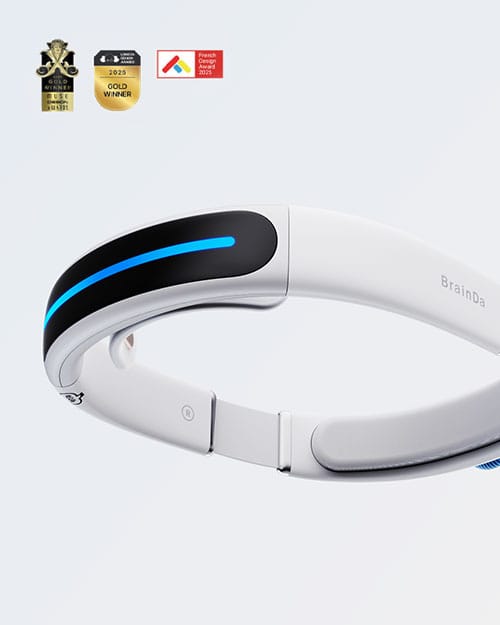
Wearable Brain-Computer
All-Age EEG Intervention Device, Forehead-Worn, Safe and Adjustable.
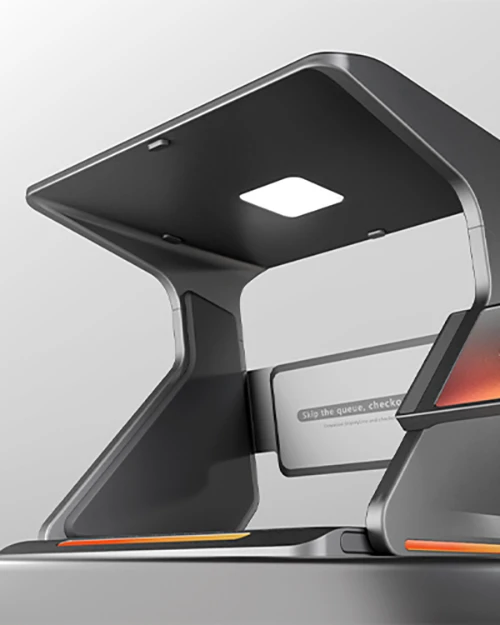
Checkout System
Core equipment supporting "unmanned shopping" scenarios and key terminals for improving shopping efficiency.

Face recognition device
The rapid development of artificial intelligence technology has made facial recognition devices a crucial force in intelligentization.
Key Technologies
for AI Hardware
Deploying AI inference capabilities locally on the device to reduce reliance on the cloud is suitable for:
- AI Cameras
- Wearables
- Robots
- Smart Sensors
- Portable AI Devices
Achieved via cameras and computer vision algorithms:
- Object Recognition
- Face Recognition
- Image Classification
- Visual Monitoring
- Gesture Recognition
- Intelligent Detection
Achieved through microphones, audio systems, and AI technology:
- Voice Recognition
- Voice Interaction
- Wake Word Detection
- Speech Processing
- AI Voice Assistant
Select a suitable communication solution based on the product's use case:
- Wi-Fi
- Bluetooth / BLE
- 4G / LTE
- 5G
- Cloud Connectivity
AI products typically need to acquire real-world data through various sensors, including:
- Microphone
- IMU
- Proximity Sensor
- Temperature Sensor
- Environmental Sensors
- Motion Sensors
Engineering Challenges
AI Hardware Is a System Engineering Problem
01
Performance vs. Power
Greater AI computing power typically implies higher power consumption. We need to strike a reasonable balance among:
Computing Performance × Power Consumption × Battery Life × Product Size
02
AI Performance vs. Hardware
The performance of an AI model does not depend solely on the model itself; the camera, sensor, SoC, NPU, memory, firmware, and algorithms must all work in concert. Consequently, AI performance optimization is often a holistic challenge involving hardware, software, and the AI system as a whole.
03
Thermal Management
AI chips and high-performance computing platforms can generate significant heat, so the following factors must be considered from the early stages:
• Chip selection
• PCB layout
• Heat dissipation
• Thermal materials
• Internal structure
• Product enclosure
…rather than waiting until the EVT prototype is complete to address thermal management issues.
04
Hardware & Software Integration
An AI product typically encompasses industrial design, mechanics, electronics, firmware, AI, apps, and cloud services; issues in any single module can impact the final product experience.
OPD’s project management approach focuses on the product system as a whole, rather than developing isolated technical modules separately.
Who We Help
From AI Startups to Established Hardware Brands
01
AI Startups
If you have an AI product concept but lack a full-scale hardware R&D team, we help you complete the entire product development process—from concept and prototyping to mass production.
02
Consumer Electronics Brands
If you wish to integrate AI capabilities into your existing products, we can assist with AI hardware architecture, electronics, embedded software, and product engineering development.
03
Hardware Companies
For companies that already have mature hardware products and wish to upgrade them through AI, we can help redesign the solution:
Hardware + AI + Software + User Experience
04
Industrial & IoT Companies
If you are looking to apply AI, computer vision, or edge computing to industrial and IoT products, we can start with product definition and establish a comprehensive AIoT product development solution.
Why choose OPD Design?
1. More Than an AI Hardware Design Company
Design + Engineering: We are responsible not only for product aesthetics but also for structural, electronic, and software aspects, as well as manufacturing feasibility.
2. AI + Hardware Integration
Help clients truly embed AI capabilities into physical products, rather than remaining at the software concept stage.
3. Shenzhen-Based Manufacturing Ecosystem
As a Shenzhen-based AI hardware product development company, we leverage the city’s comprehensive ecosystem—encompassing electronics, structural components, molds, supply chains, and manufacturing—to accelerate the transition of products from prototype to mass production.
4. NPI Development Process
Validate the product step-by-step through a phased development process—POC → EVT → DVT → PVT → MP—to mitigate risks in the later stages of development.
5. End-to-End Product Development
Establish a complete product development pipeline—from idea, strategy, industrial design, and engineering to prototyping, validation, and manufacturing.
FAQ
1. What is AI Hardware?
AI Hardware refers to physical products that integrate AI capabilities through processors, sensors, embedded software, AI models and connectivity technologies.
2. Can OPD develop an AI hardware product from scratch?
Yes. OPD can support projects from early product concepts through industrial design, mechanical engineering, electronics, embedded software, AI integration, prototyping and manufacturing.
3. Can OPD develop AI algorithms?
OPD focuses primarily on AI hardware product development and AI technology integration. Depending on project requirements, we can support AI model integration, Edge AI deployment, computer vision, voice AI and other AI-related functions, while working with appropriate technology partners when specialized algorithm development is required.
4. Can OPD develop the electronics and PCB?
Yes. Our hardware development capabilities include electronic architecture, component selection, PCB development, sensors, power systems, wireless connectivity and hardware integration.
5. Can OPD develop battery-powered AI devices?
Yes. Battery-powered AI products require careful optimization of processor performance, AI workloads, sensors, wireless connectivity, thermal management and power consumption. These factors can be considered from the early architecture stage.
6.Can OPD support AI hardware prototypes?
Yes. We support functional prototypes, engineering prototypes and design validation prototypes, allowing core technologies and product designs to be tested before tooling and mass production.
7.Can OPD support mass production?
Yes. OPD can support the product through tooling, pilot production, manufacturing validation and mass production.
8.What AI hardware product development process does OPD follow?
For AI hardware product development, OPD follows a phased NPI (New Product Introduction) process: POC → EVT → DVT → PVT → MP. Each stage has clear validation objectives to mitigate technical, design, and manufacturing risks before proceeding to the next phase.