

Hardware Design Services
Turning ideas into actionable plans.
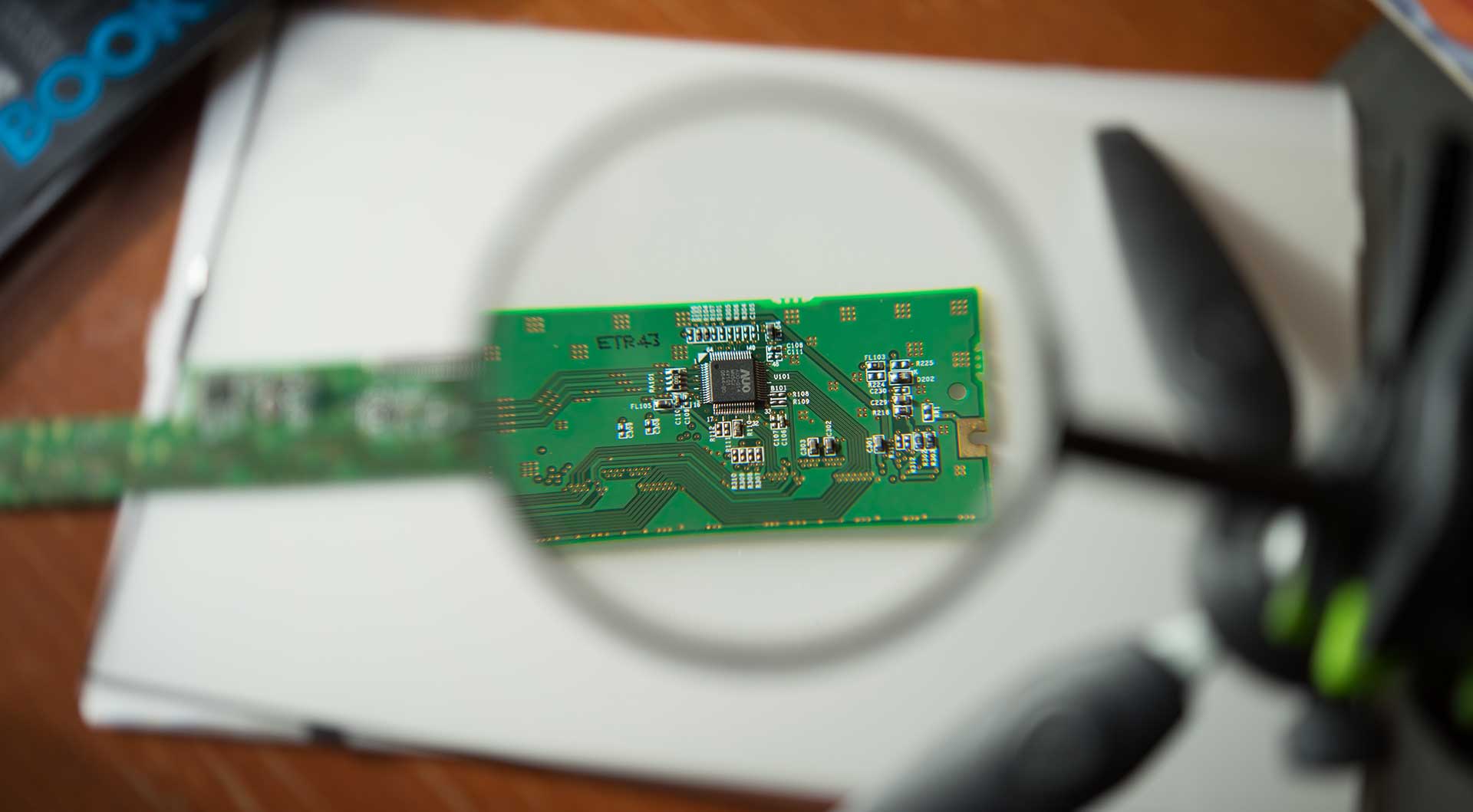
Every reliable electronic product begins with solid hardware design.
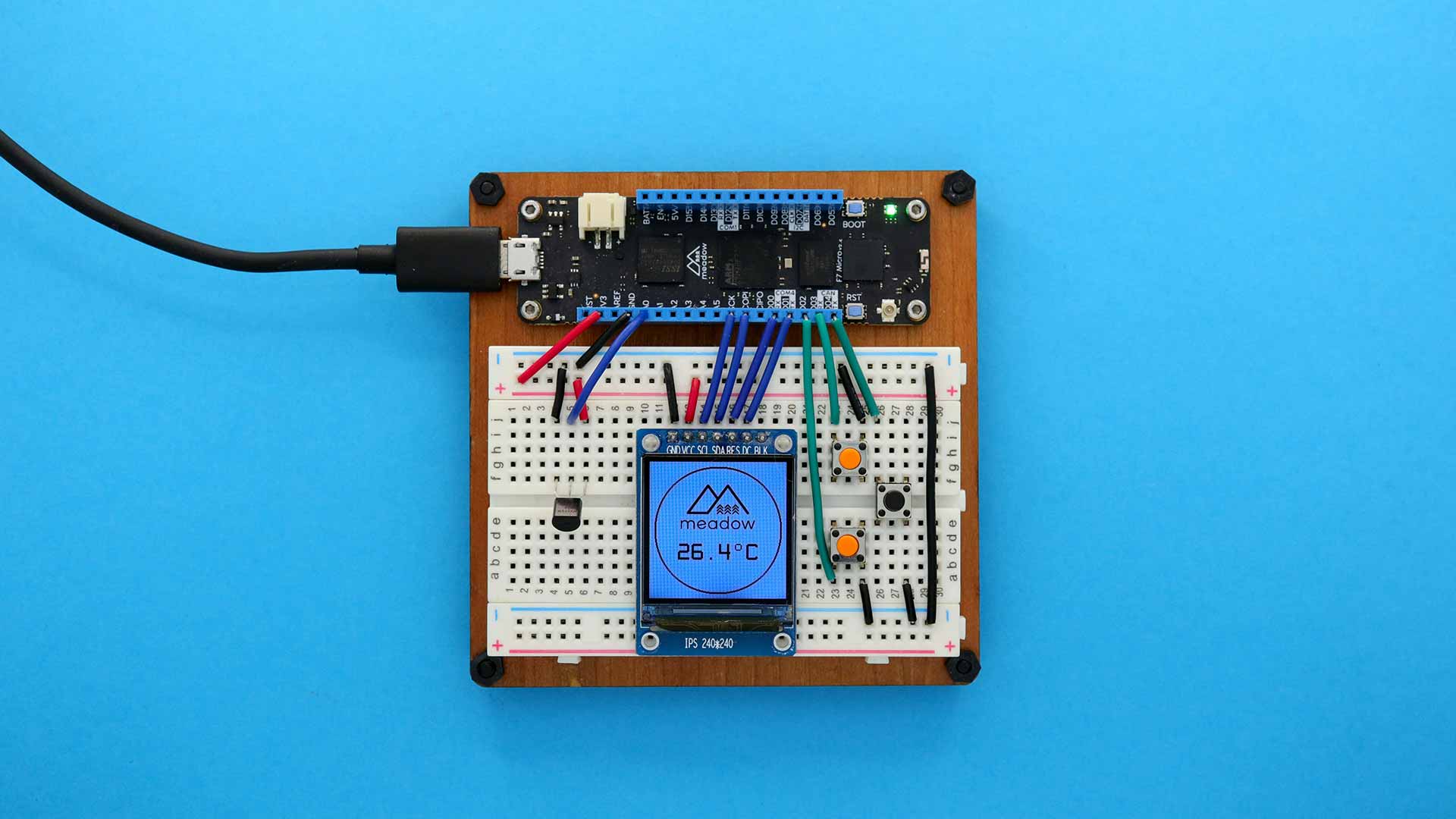
What Are Hardware Design Services?
Awards and Honors
Our product designs have won top global design awards.







CEO
A startup children's products company
Working with OPD was a game-changer for our brand. Their product design expertise brought our vision to life, and their seamless product development process ensured a successful launch. From prototyping to manufacturing, they exceeded our expectations at every step.

Product Director
Xiaomi

VP
FMCG brands in the Middle East
Featured Projects

Smart Comb
A scalp care comb with a misting function, featuring an ergonomic design that combines style and practicality.

Anti-Choking Device
A home-use Heimlich maneuver device developed based on the principles of the Heimlich maneuver.
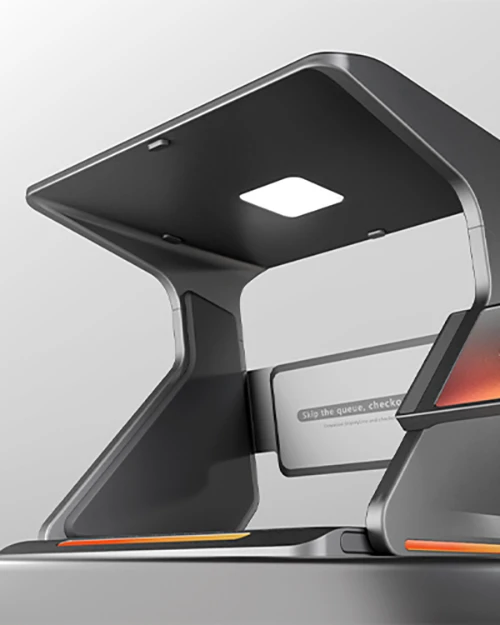
Self-Service Checkout System
These are the core devices supporting the "unmanned shopping" scenario and the key terminals for improving shopping efficiency.

Care Robot
A care robot that integrates safety monitoring, daily assistance, and emergency response.

Kids Smart Toothbrush
Let children learn to brush their teeth independently in a fun way.

Sci-fi style electric ceramic stove
Spaceship-themed electric ceramic stove: a modern lifestyle.

Children's KTV
Allowing children to learn through play and grow through learning.

AI interactive terminal
This project uses AI to recognize NFC chips, match IP-specific audio effects, enabling “one Baji, one exclusive interaction”
Key Benefits of Professional Hardware Design
A well-executed hardware design process minimizes technical uncertainty while enhancing overall product performance and scalability. Here are six core advantages:
Optimized System Performance
Reduced Development Risk
Scalable Architecture
Improved Reliability
Faster Time to Market
Enhanced Integration Capability
Ready to Build Reliable Hardware Systems?
Strong hardware design transforms technical concepts into dependable, high-performance electronic solutions. With a structured engineering approach and careful validation, complex ideas can be developed into stable, production-ready systems.
Ready to start your hardware design project? Tell us about your product, and we’ll get back to you within one business day with a free consultation.
What We Do: Comprehensive Hardware Design Services
We develop complete hardware system architectures based on product requirements and functional goals, including MCU/platform selection, communication solutions, power architecture, sensor systems, and functional module integration. During the early architecture stage, we carefully balance performance, power consumption, stability, manufacturability, and cost to establish a reliable foundation for development and mass production.
Component Selection
Component selection plays a critical role in product performance, reliability, and supply chain stability. We assist clients in selecting suitable chipsets, sensors, wireless modules, power components, and key electronic parts based on product requirements, certification needs, and manufacturing considerations. We also evaluate component lifecycle, availability, cost efficiency, and alternative sourcing strategies to reduce future supply chain risks.
Schematic Circuit Design
We provide complete electronic schematic design services covering core control systems, power management, wireless communication, audio systems, motor drivers, sensor interfaces, and protection circuits. Throughout the design process, we consider EMC, ESD, power efficiency, stability, and manufacturability to ensure a reliable and production-ready hardware foundation.
PCB Layout Design
Professional PCB design is essential for system stability, hardware performance, and product integration. We provide optimized PCB layout services with careful consideration for high-speed signals, power integrity, RF performance, thermal management, and EMI control. Our designs are developed in coordination with structural and manufacturing requirements to ensure reliability and efficient production feasibility.
PCB Prototyping & Assembly
During the hardware development phase, we support PCB prototyping, SMT assembly, and engineering sample builds to accelerate product validation. Through rapid prototyping and iterative testing, we help identify design issues early, verify circuit functionality, and support efficient hardware validation during EVT and DVT stages.
Firmware Development
We provide embedded firmware development services to build the core control logic between hardware systems and product functionality. Our development scope includes driver development, communication protocols, sensor data processing, motor control, low-power management, Bluetooth/Wi-Fi connectivity, and device control logic — ensuring stable hardware operation and seamless integration with mobile apps and cloud platforms.
Hardware Debugging & Validation
After hardware development, we conduct comprehensive debugging and validation processes, including performance testing, stability testing, power consumption analysis, communication verification, and environmental reliability testing. These validation procedures help identify potential risks early, improve product reliability, and prepare the product for certification and mass production.
Hardware Production Support
Once the product enters the manufacturing stage, we continue to provide hardware production support services, including production testing solutions, test fixture support, BOM optimization, DFM improvements, supply chain coordination, and manufacturing issue analysis. By bridging engineering and production, we help clients improve manufacturing efficiency, reduce mass production risks, and ensure stable product delivery to market.
Why Choose OPD Design for Hardware Design?
Hardware design is the backbone of reliable, high-performance electronic products. At OPD Design, we combine embedded, IoT hardware design, and robot hardware expertise to turn technical concepts into scalable, production-ready systems.
From component selection to prototyping and testing, our team ensures that every hardware solution is engineered for performance, manufacturability, and long-term reliability. We deliver designs that are precise, efficient, and ready to meet real-world demands.
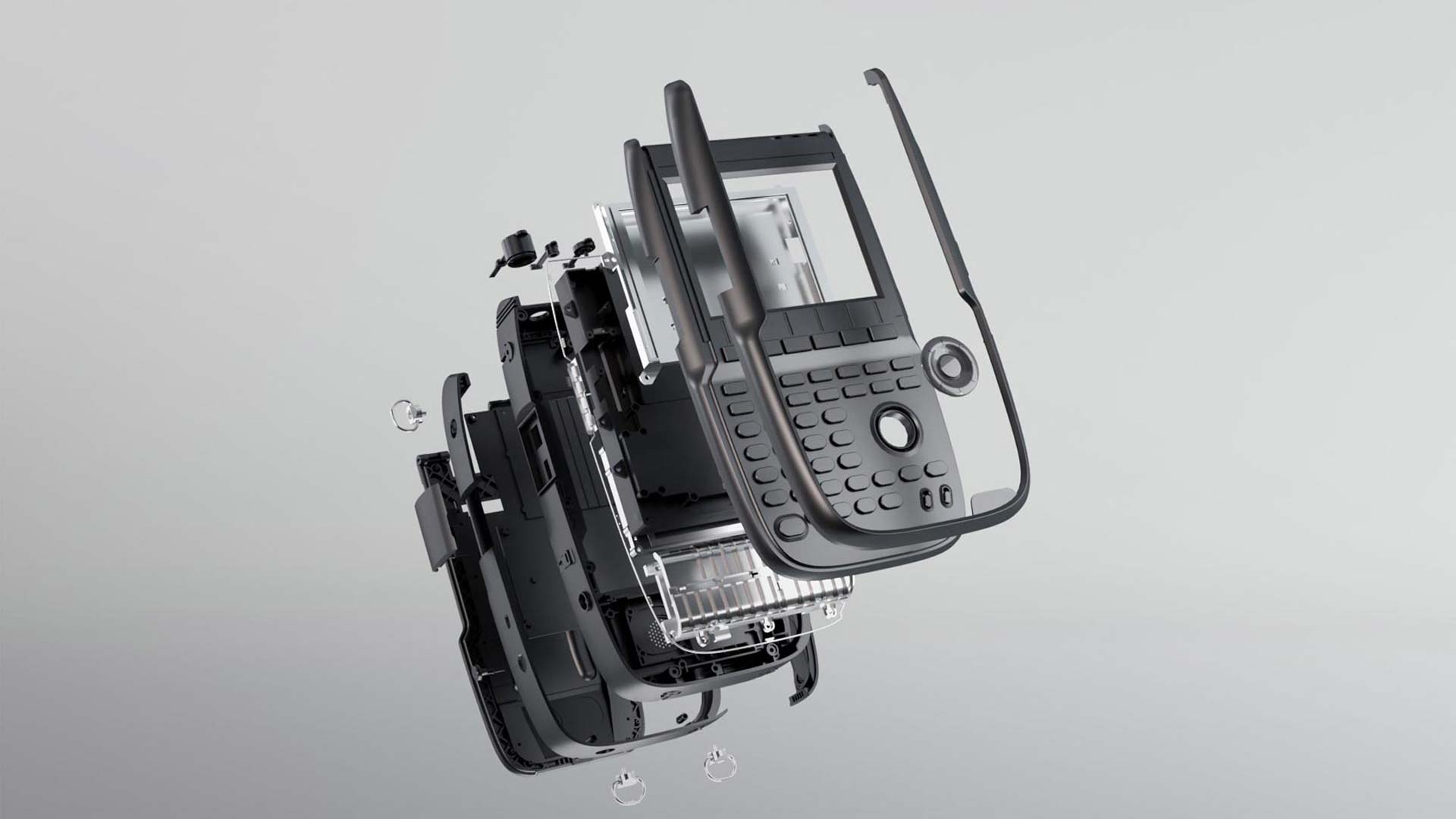
1. Precision Engineering
Our electronic hardware design ensures stable circuits, clean signal routing, and optimized system performance under varying conditions.
2. Early Prototyping
Hardware prototyping identifies electrical or thermal issues early, reducing development risks and costly revisions.
3. Scalable Architecture
Modular designs in IoT and robotics allow future upgrades, additional features, and seamless system expansion.
4. Faster Market Launch
Structured processes, clear documentation, and experienced electronics engineers accelerate development timelines and streamline production.
Frequently Asked Questions
How long does a typical hardware development project take?
Project timelines depend on system complexity, certification requirements, and testing cycles. Simple boards may take a few weeks, while advanced multi-layer systems with embedded integration can require several months for full validation.
Can existing hardware designs be improved or redesigned?
Yes, legacy hardware can be optimized for better performance, cost efficiency, or component availability. Redesign services often focus on improving thermal management, reducing board size, or upgrading processing capability.
What factors influence PCB layer count selection?
Layer count is determined by signal complexity, power distribution needs, EMI control, and board size constraints. Higher-speed or densely populated boards typically require additional layers for stability and routing efficiency.
How is hardware tested before production?
Testing may include functional verification, signal integrity checks, thermal analysis, stress testing, and environmental simulation. These procedures confirm that the system performs reliably under real-world operating conditions.
How do supply chain considerations impact hardware development?
Component availability, lifecycle status, and alternative sourcing options significantly affect long-term production stability. Early supply chain evaluation helps prevent delays, unexpected redesigns, and cost fluctuations during manufacturing.