
A finished design needs careful planning to become a reliable, market-ready product. Manufacturing support services help identify design flaws early, test prototypes, coordinate suppliers, and guide production. This leads to fewer defects, less rework, and a faster product launch.
Have you ever had a great product idea, then watched it stall on the way to the factory? Many hardware teams face this problem: the design looks fine on screen, but then the factory finds parts that are hard to mold, hard to assemble, or hard to source.
Manufacturing support services exist to prevent that, since they link the design team and the production team. They also make sure each choice, from material to screw, works in the real world.
This guide explains what these services cover, how the process works, and where they add the most value. It picks up where planning ends: once you have a market position, a scope, and a budget in place, this is how that plan becomes a shippable product.
What Are Manufacturing Support Services?
Manufacturing support services prepare a product for production, and they sit between design and the factory floor. Their job is simple: find problems while they are still cheap to fix.
Think of a house plan. An architect may draw a beautiful home, but a builder must still check that the walls hold, the pipes fit, and the budget works. In the same way, manufacturing support checks a hardware design before it reaches the factory.
Key Parts of Manufacturing Support
Most programs include these tasks:
- Design for manufacturing (DFM) review
- Design for assembly (DFA) planning
- Engineering validation and testing
- Prototyping and design changes
- Material and component selection
- Supplier and vendor coordination
- Production drawings and documents
- Pilot runs and production troubleshooting
Each task lowers risk, and together they help a design move smoothly from prototype to mass production.
Why Timing Matters
The cost of a change grows fast over time: a tweak on a screen costs almost nothing, but the same tweak after a mold is cut can cost thousands and add weeks. For this reason, support should start early, not after the design is locked.
How the Process Works in Five Steps
The best way to understand these services is to follow the steps, since each step protects the next one.
Step 1: Concept Evaluation
The process starts with a reality check, as engineers look at the product idea and ask a few hard questions. Can it be built with today’s parts? Can it hit the target price? What is the riskiest part?
This step stops many costly surprises, because it is far better to learn about a blocker in week two than in month nine.
Step 2: Design Improvement
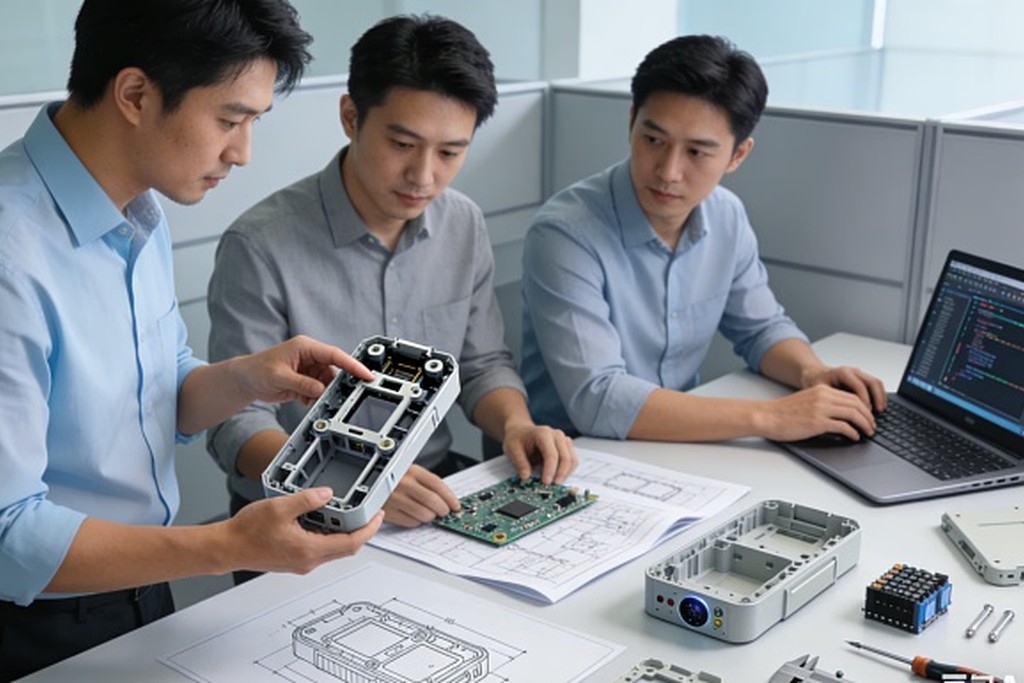
Next, the design is refined so it is easy to build, and this is where DFM does its best work. The team removes extra parts, simplifies shapes, and checks that every part can be made and put together.
Good mechanical product design is central here. Engineers check wall thickness, snap fits, and tolerances. They also make sure the housing has room for the board, battery, and wires.

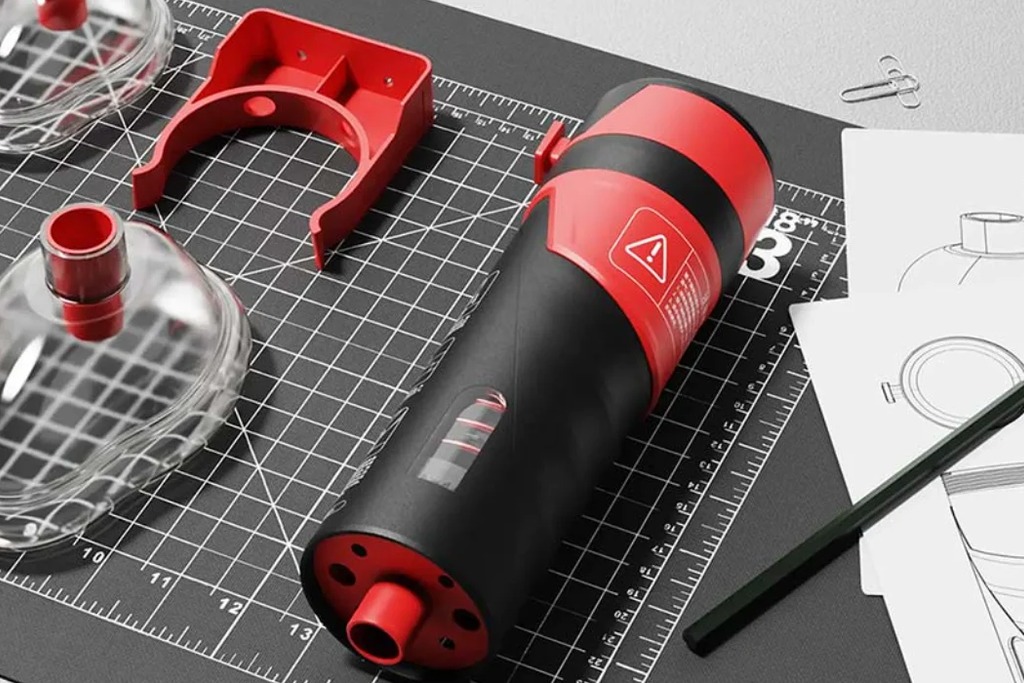
Small details matter here. One OPD case, an industrial radar level gauge, has a flip-top protection, a tamper-evident bayonet, and a wiring harness interface. Each feature adds parts, so each one must be checked for cost and ease of assembly.
Step 3: Prototyping and Testing
A prototype shows what a drawing cannot. For example, a button may feel stiff, a seam may catch dust, or a cable may not reach.
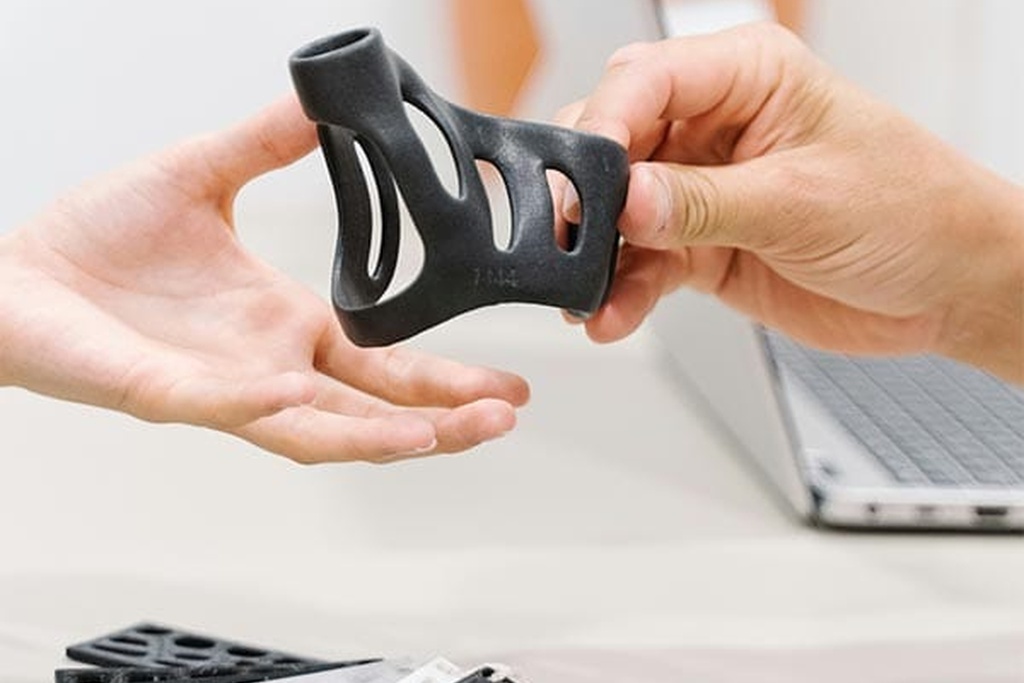
Most teams build prototypes in rounds. First comes a rough model, often 3D printed. Then comes a working version with real electronics. Last comes a sample with the final color and finish. Reliable product prototyping services help teams move through these rounds fast.

Testing should go beyond the lab. Drop the product. Heat it and cool it. Press the buttons hundreds of times. An industrial sensor, for example, must read correctly in dust, heat, and vibration. Real tests show whether it does.
Step 4: Supplier Coordination
A product is only as good as its parts, so this step picks the right suppliers for materials and components. It also sets clear quality rules and delivery dates.
Good teamwork avoids two common traps: a part that arrives late and stops the line, or a part that varies from batch to batch. Both hurt quality and speed.

Connected products need even more care. An IoT gateway, for example, links sensors to the cloud. It has a radio module, a processor, a power supply, and a case. Each part may come from a different supplier, so someone must keep them all in step. Our Shenzhen, China team works directly with vetted factories across the Pearl River Delta, which keeps these parts moving on schedule.
Step 5: Production Support
Support does not stop when production starts. During the first runs, engineers watch for problems, checking assembly, measuring quality, and fixing issues fast.
This step also helps lock in the unit cost, and small process tweaks at this stage can shape your margins for the life of the product. Based in Shenzhen, China, our team stays on the factory floor during early runs, so issues get caught and fixed the same day.
Why Product Quality Matters in Manufacturing
Quality is one of the biggest drivers of success. A reliable product builds trust and earns good reviews, while a poor one leads to returns, refunds, and a damaged brand.
Quality also affects cost, since fixing a defect after shipping is far more expensive than preventing it. As a result, strong quality habits often save money in the long run.
Standards Give You a Common Language
Many teams use standards to define what “good” means. ISO 9001 is one example. It is the world’s leading quality management standard, and it sets a framework for consistent processes and continual improvement.
For electronics, the IPC-A-610 standard for electronic assemblies is widely used. It gives clear visual rules for what counts as an acceptable solder joint or component placement. A shared standard means the design team, the factory, and the buyer all judge quality the same way.
Quality Control Methods
Strong quality control usually includes:
- Design validation and verification
- Functional and performance testing
- Incoming checks on parts and materials
- Final inspection before shipping
- Continuous improvement after each run

Some products need extra care. Industrial monitoring devices often run non-stop for years in tough places. For this reason, plan long-term reliability early, through good design and testing, rather than adding it at the end.
Want to see how this could work for your product? Our team has helped startups and brands turn early concepts into products that can be built at scale. Book a free consultation to discuss your idea.
How Manufacturing Support Services Improve Product Quality
These services improve every part of the product. They make sure the design, the materials, and the process all work together. As a result, products have fewer defects and last longer.
Design for Manufacturing and Assembly
DFM makes a product easy to produce, while DFA makes it easy to put together, and both cut errors. In addition, fewer parts, fewer screws, and clear part markings help workers build the product the same way every time.
Engineering Validation
Validation proves that the product works as planned. Engineers test each part and then the full system, looking for weak spots in the structure, the electronics, and the software.
Material and Component Choices
The right materials improve durability and feel, while the wrong ones cause cracks, warping, or early wear. For this reason, good support teams compare options on cost, strength, supply, and finish before locking a choice.
Tooling and Molds
Plastic parts are often made by injection molding. Molds are costly and hard to change. So a careful review of your injection mold design before the steel is cut can save weeks of rework. The review should cover wall thickness, draft angles, and how each part leaves the mold.
How Manufacturing Support Services Speed Up Production
Speed matters in a crowded market, since a late launch can mean lost sales and lost buyers. These services save time in three main ways.
Fewer Rework Loops
Every rework loop adds days or weeks, but early checks catch issues before they spread. As a result, fewer loops mean a shorter path to launch.
Better Process Planning
Engineers write clear build steps, test steps, and inspection points, so workers know exactly what to do. This cuts training time and mistakes on the line.
Smoother Supplier Flow
Good planning keeps parts arriving on time. Backup suppliers can cover a shortage. As a result, the line keeps moving.
Many consumer electronics projects take six to ten months from concept to mass production. Solid support helps teams stay near the short end of that range.
The Role of Technology
Modern tools make these services faster and more exact. Three areas stand out.
Digital Modeling and Simulation
Engineers can test a design on a screen before building anything, seeing how a part fills a mold, how a case handles a drop, or how heat moves. This finds problems early and cheaply.
Automation
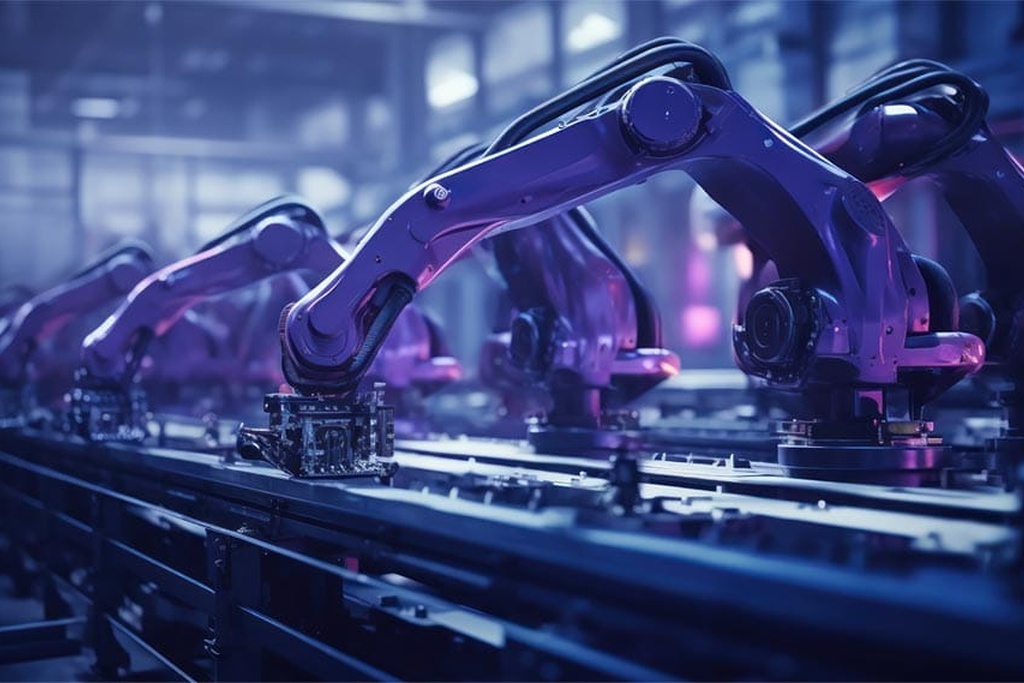
Automation improves speed and consistency, since machines can place tiny parts or run tests the same way every time. This also reduces human error.
Data-Driven Decisions
Test and production data show trends: if one supplier’s parts fail more often, the data will show it. Teams can then act before a small issue becomes a big one.
Industries That Benefit
These services help many kinds of products. Each field has its own needs.
- Electronics and smart home: These products need precision and compact design.
- Wearables: They need durability and user comfort.
- Medical and health devices: They face strict rules for safety and compliance.
- Industrial equipment: It needs strong, reliable performance in tough places.
- Children’s products: They need safe materials and tough builds.
Real-World Examples
Manufacturing support is used in many types of projects. Startups use it to launch fast with limited budgets, while larger brands use it to keep quality steady across big runs.

Smart industrial equipment shows the value clearly. Control panels, connected machines, and portable tools mix hardware, software, and tough housings. They must work in real sites, not just in a lab. Support teams make sure the design can last in daily use and still be built at scale.
Common Challenges and How Support Solves Them
Many teams run into the same problems. Here is how support helps:
- Designs that are hard to produce: DFM review simplifies them.
- Supplier delays: Better coordination and backup sources reduce them.
- High defect rates: Stronger testing and inspection lower them.
- Poor test plans: Clear validation steps replace guesswork.
Most of these problems share one cause: design and production are treated as separate jobs. However, when they work as one process, the whole project runs smoother.
How to Choose a Manufacturing Support Partner
The right partner matters as much as the service itself, so look for these signs:
- End-to-end support: The team can help from concept to mass production.
- In-house engineers: Mechanical, electronic, and software experts work together.
- Supply chain access: They have trusted suppliers and factories nearby.
- Clear communication: You get regular updates and clear deliverables.
- Proven projects: They can show real products that reached the market.
Ask for examples that match your product type, since a team that has built similar products will spot risks faster.
Final Thoughts
Manufacturing support services play a key role in product quality and speed. They help teams catch problems early, build strong prototypes, and, as a result, prepare factories for smooth production.
From design review to production support, each step adds value. With the right partner, you can launch a better product, with fewer surprises, and in less time. If you are still shaping your plan, see our guide to building a product development strategy before you reach this stage.
Get Manufacturing Support for Your Hardware Product
Moving from a finished design to reliable mass production is where many hardware teams lose time and money. OPD Design’s Shenzhen team helps you catch issues early, coordinate suppliers, and launch with fewer defects.
Frequently Asked Questions
1. What are manufacturing support services?
They are services that prepare a product for production. They include design review, prototyping, testing, supplier coordination, and production support. Their goal is better quality and a faster launch.
2. What is design for manufacturing?
Design for manufacturing means shaping a product so it is easy to produce. It reduces part count, simplifies assembly, and lowers errors. It also helps control cost.
3. When should I start using these services?
Start during product development, before the design is locked. Early input costs less than late fixes. It also gives the factory time to plan.
4. How do these services reduce production problems?
They find issues early, improve the design, and test the product before mass production. They also coordinate suppliers so parts arrive on time.
5. Which industries benefit most?
Electronics, smart home, wearables, healthcare, industrial equipment, and consumer products all benefit. Any product that must be built in volume gains from better planning.