

Mold Development Services
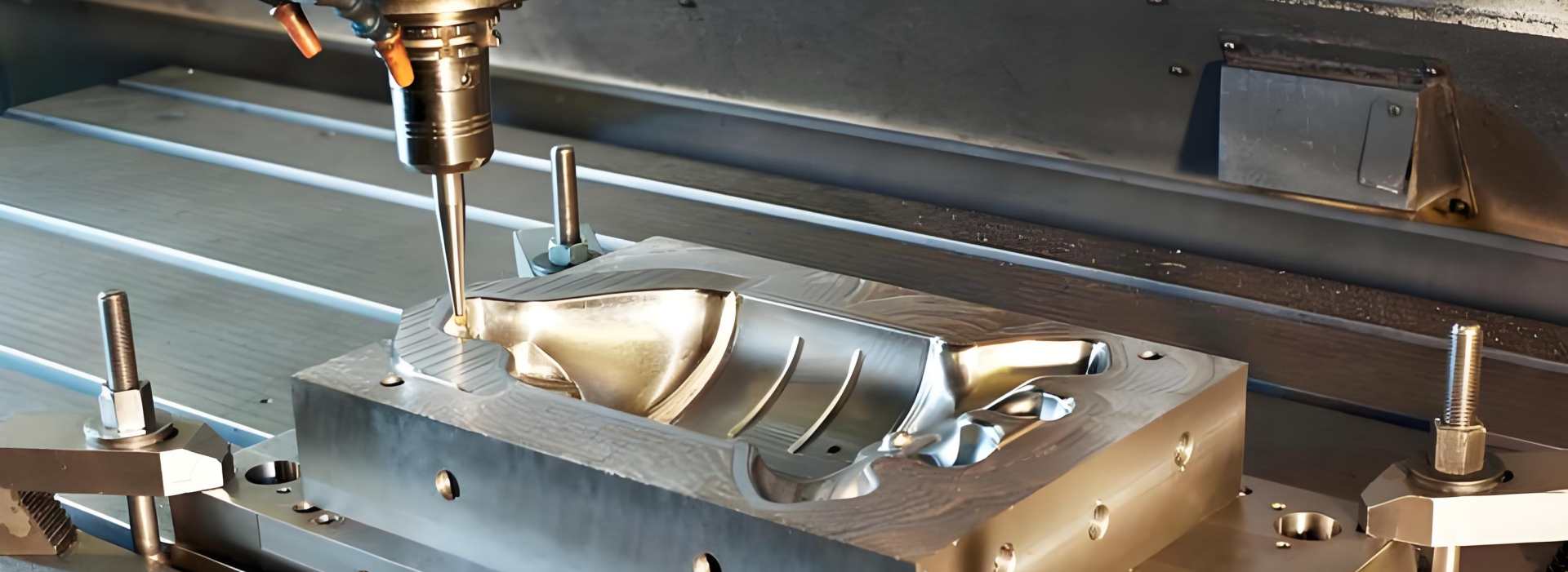
mold development services that bridge design validation and scalable
OPD Design delivers mold development services that take your product from design validation to mass production. Based in Shenzhen, we leverage the region’s mature manufacturing ecosystem to drive efficient tooling development while ensuring quality, cost control, and on-time delivery.
Our approach covers the full mold lifecycle — from initial DFM analysis through mold design, precision manufacturing, multi-stage trial validation, and production ramp-up. Whether you need a simple single-cavity tool or a complex hot-runner mold, our engineering team ensures every step serves the ultimate goal: stable, high-yield mass production.
Navigate Your Product Development Journey
What Are OPD Mold Development Services?
Mold development is the critical bridge between design verification(DVT) and mass production (MP). Through high-precision mold design and manufacturing, this process ensures that your product can be replicated consistently at scale — with stable quality, controlled costs, and predictable timelines.
However, a successful mold must go beyond mere “producibility.” It must also deliver:
• Manufacturability — stable output across thousands of cycles
• Controllable yield rates — typically above 95% for production runs
• Cost optimization — balanced tooling investment and per-unit cost
• Quality consistency — every part meets the same dimensional and cosmetic specifications
Therefore, the quality of your mold development process directly determines production efficiency, market delivery speed, and long-term commercial success. At OPD, we treat mold development as a systematic engineering discipline — not just a manufacturing step.
Featured Projects

Smart Comb
A scalp care device with integrated misting system. We developed the injection mold with multi-cavity design and precision sliding cores for the compact housing assembly.
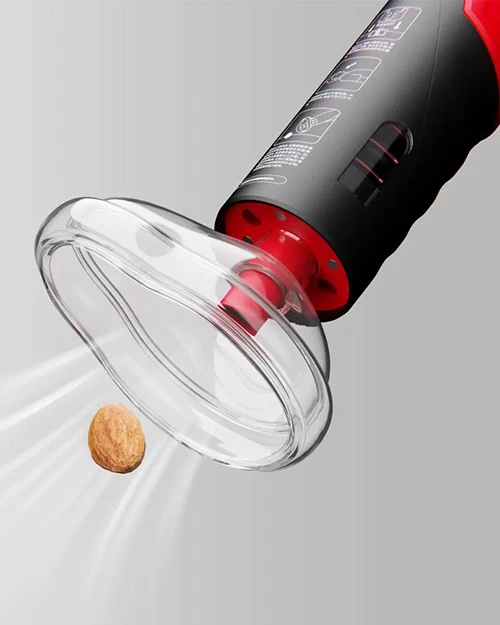
Anti-Choking Device
A home-use safety device requiring medical-grade mold precision. The project involved complex undercuts and tight tolerance control across multiple molded components.
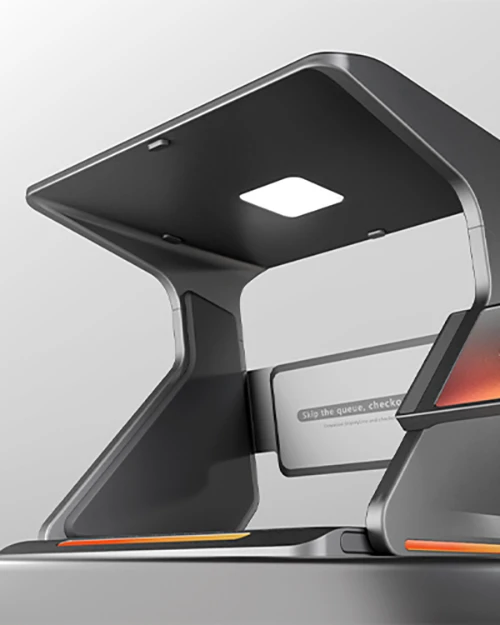
Self-Service Checkout System
Core terminal hardware for unmanned retail. We engineered large-format molds with hot runner systems for the housing and precise mechanical interfaces for the scanning module.

Care Robot
An assistive robot integrating sensors and actuators. The mold development required multi-material overmolding and complex parting line designs for the enclosure.

Kids Smart Toothbrush
A child-friendly electronic toothbrush. We designed a 4-cavity mold with quick-change inserts to support multiple color variants from a single tool.
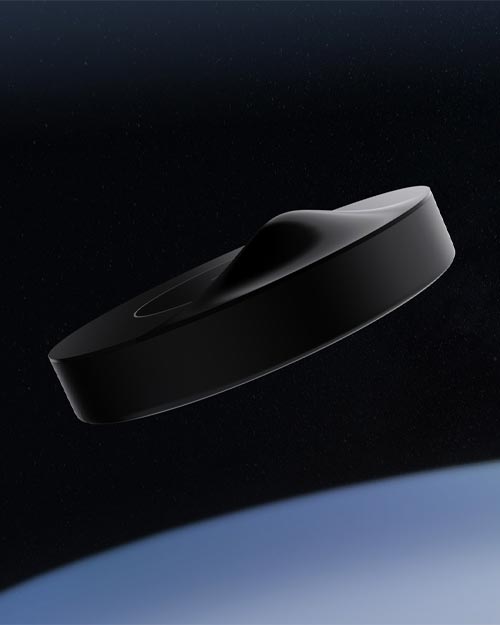
Sci-fi style electric ceramic stove
A design-forward kitchen appliance. The mold featured textured surfaces, thin-wall sections, and precise snap-fit joints for seamless assembly.

Children's KTV
An educational tablet with ruggedized housing. We developed drop-test- optimized molds with reinforced rib structures and soft-touch overmolded grips.

AI interactive terminal
An NFC-enabled interactive device. The project required precision molds for the antenna window and complex internal structures for the speaker and circuit board mounting.
Our Mold Development Capabilities
Mold development is far more than simply “making a mold”; it is a systematic engineering process spanning everything from design optimization and engineering validation to the introduction of mass production. At OPD, we break down mold development into several key functional modules. Through standardized workflows and cross-functional collaboration—involving structural design, manufacturing, and supply chain teams—we ensure that every stage serves the ultimate goal of mass production. This approach significantly mitigates development risks and accelerates the product’s time-to-market.
DFM Analysis
Mold Design
Mold Manufacturing
Mold Trial Validation (T0 / T1 / T2)
Mold Optimization & Refinement (Tooling Optimization)
Pilot Production (Pilot Run / PVT)
Mass Production Introduction
Through this modular breakdown, OPD elevates mold development from a “singular manufacturing step” to a “systematic engineering process geared toward mass production.” Every step revolves around the ultimate objective of large-scale manufacturing, ensuring that the product can not only be physically produced but also manufactured consistently, efficiently, and under strict control.
This structured approach to mold development significantly reduces the costs associated with trial-and-error, shortens development cycles, and lays a solid foundation for the subsequent PVT and MP phases—thereby helping clients achieve a seamless transition from product design to successful commercialization.
How We Develop Molds: Our 8-Step Process
Drawing upon our extensive experience in end-to-end product development—spanning the entire lifecycle from DVT (Design Verification Testing) to PVT (Process Verification Testing) and finally to MP (Mass Production)—we have established a standardized mold development process. This process centers on the core objectives of “mitigating risk, maximizing yield, and accelerating development cycles.” Through multi-stage validation and cross-functional team collaboration, we ensure that our molds are not merely manufacturable, but are also capable of supporting stable, high-volume mass production over the long term.
1. Design Freeze
Prior to initiating mold development, we conduct a final confirmation and risk assessment of the product design. This includes: final verification of the structural design version (freezing of 3D/2D data), confirmation of aesthetics and CMF (Color, Material, Finish) specifications, analysis of assembly relationships and tolerance stacks, preliminary BOM (Bill of Materials) verification, and identification of potential design risks (such as thin walls, undercuts, or complex geometries). This proactive approach prevents frequent design changes during the later stages of mold development, thereby reducing mold modification costs and mitigating schedule risks.
2. DFM Analysis & Engineering Optimization
Before formal mold fabrication begins, we conduct a systematic analysis of manufacturability. This encompasses: feasibility assessments for the injection molding process; optimization of draft angles, wall thicknesses, and rib structures; analysis of shrinkage rates and warping risks; recommendations for gate locations and runner layouts; evaluation of mold structural complexity (including sliders, lifters, angle pins, etc.); and analysis of material selection and processing compatibility. The deliverables for this stage include: a comprehensive DFM report, specific design optimization recommendations, and a detailed risk register.
3. Mold Design & Development Kick-off
Once the DFM analysis has been confirmed, we formally enter the mold design and manufacturing phase. This involves: structural mold design (e.g., 2-plate molds, 3-plate molds, or hot runner systems); design of parting lines and cavity layouts; design of the cooling system (critical for influencing molding cycle times and preventing deformation); design of the ejection system; mold flow simulation (where applicable); and evaluation of mold steel selection and projected mold lifespan. Throughout this stage, we simultaneously advance preparations for mold machining to further accelerate the overall development timeline.
4. Mold Manufacturing and Machining
Entering the actual mold manufacturing phase: CNC precision machining (core structural components), EDM (for intricate details), mold steel heat treatment (to enhance durability), mold component machining and inspection, and mold assembly and preliminary debugging. Key control points focus on: machining precision, mold lifespan, and consistency of critical dimensions.
5. Mold Trial and Verification (T0 / T1 / T2)
Continuously verifying and optimizing both the mold and product performance through multiple rounds of mold trials:
T0 (Initial Trial): Verifying basic molding capabilities and checking for any severe structural issues.
T1 (Optimization Trial): Adjusting dimensional deviations and optimizing for cosmetic defects (such as sink marks, flow marks, weld lines, etc.).
T2 and Beyond (Mass Production Verification): Enhancing stability and validating yield rates and consistency.
Deliverables for each stage: Mold Trial Report, Defect Analysis, and Mold Modification Recommendations.
6. Mold Optimization and Modification
Conducting targeted optimizations based on mold trial data: Dimensional correction (adjusting critical dimensions and tolerances), cosmetic optimization (improving surface quality), runner and gate optimization (improving mold filling and pressure distribution), cooling system optimization (reducing deformation and cycle times), and improving yield rates and production stability. Goal: To bring the mold up to mass production standards, rather than merely a “usable” state.
7. Pilot Production Run (PVT)
Conducting small-batch pilot runs within a real-world production environment: Verifying production cycle times, testing yield rates, assessing production stability and repeatability, performing assembly verification and full-system testing, and identifying potential production bottlenecks. Deliverables: PVT Report + Mass Production Risk Assessment.
8. Mass Production Ramp-up and Continuous Optimization
Completing the transition from development to scaled production: Establishing Standard Operating Procedures (SOPs), defining Quality Control/Assurance (QC/QA) standards, implementing production line setup and training, and continuously optimizing yield rates and production costs—thereby ensuring the product possesses long-term stable production capabilities and market delivery readiness.

CEO
A startup children's products company
Working with OPD was a game-changer for our brand. Their product design expertise brought our vision to life, and their seamless product development process ensured a successful launch. From proto-typing to manufacturing, they exceeded our expectations at every step.

Product Director
Xiaomi
We chase for extremely cost-effective products. The product we collaborated with OPD on is smart light. Due to the cost of product, we went through numerous versions of industrial design, mechanical design and so on. OPD helped us obtain very reasonable production prices. Looking forward to the next collaboration!

VP
FMCG brands in the Middle East
We are a beverage company, and planned to create a smart refrigerator to monitor our retail data in real-time. We were fortunate to find OPD, Whether sensor layout, firmware development or IoT platform integration, they have done exceptionally well. Our product is still iterating, and the OPD team has laid a good foundation.
Awards and Honors
Our product designs have won top global design awards.




Why Clients Choose OPD for Mold Development?
1. Advantages of Shenzhen's Manufacturing Ecosystem
Located in Shenzhen—the global hub for electronics manufacturing—OPD benefits from a robust supply chain and a mature industrial ecosystem. We respond rapidly to market shifts and client demands, significantly shortening both the mold development cycle and the time-to-market for products. We possess extensive experience and resources specifically tailored for the development of smart hardware, consumer electronics, and complex structural components.
2. Integrated Design and Development Capabilities
We offer a one-stop service encompassing everything from industrial design, structural design, and electronics development to mold manufacturing. Through cross-departmental collaboration, we eliminate disconnects between design and manufacturing, thereby boosting the success rate of mold development projects. Our comprehensive, closed-loop technical process ensures product manufacturability, aesthetic quality, and functional stability. This approach minimizes the need for rework and revisions, effectively lowering development costs.
3. Robust DFM (Design for Manufacturability) Capabilities
Prior to mold development, we conduct systematic design evaluations covering critical factors such as wall thickness, draft angles, runner layouts, and analyses of shrinkage and warping.
By identifying potential manufacturing issues early on, we prevent mold scrapping and avoid the need for frequent mold modifications. This mitigates risks, saves on development costs and time, and ensures a smooth transition to mass production.
4. Rapid Iteration and Mold Trial Capabilities
We conduct multiple rounds of T0, T1, and T2 mold trials to quickly identify and resolve issues. Our strong on-site mold modification and optimization capabilities help shorten the overall development cycle. We support the rapid validation of multi-cavity molds and molds with complex structural designs, thereby enhancing mold development efficiency and ensuring high-quality mass production.
5. Balancing Cost and Quality
We precisely control mold costs while simultaneously ensuring mold longevity and product consistency. By optimizing mold structures and material selection, we reduce production waste and rework rates. We achieve cost-effectiveness without compromising product quality, ultimately enhancing commercial returns for our clients.
6. Extensive Experience in Smart Hardware and Electronics
We specialize in the mold development for complex products such as consumer electronics, IoT devices, and smart hardware. We are well-versed in the design and production standards required by international clients (specifically those in European, North American, and Japanese markets). This expertise helps mitigate market entry risks for overseas markets and increases the likelihood of a successful product launch.
7. Professional Management System Tailored for International Clients
We provide technical documentation in English and adhere to standardized project management workflows. Our clear communication mechanisms ensure information transparency and facilitate efficient decision-making. With predictable project timelines and controllable deliverables, we enable international clients to easily manage remote projects while minimizing communication overhead and uncertainties.
FAQ
How long does mold development typically take?
The mold development cycle depends on product complexity, mold type, and the number of cavities. Typically:
Simple single-cavity injection molds: 3–4 weeks
Medium-complexity molds (including sliders or multi-cavity designs): 5–6 weeks
High-complexity precision molds (hot runners, multiple sliders, complex structural components): 7–8 weeks
Through DFM optimization, concurrent design and manufacturing, and rapid mold trial processes (T0/T1/T2), OPD effectively shortens the development cycle while ensuring quality and yield rates.
How are mold costs calculated?
Mold costs are typically determined by the following factors:
Mold structural complexity: Number of sliders, side-action mechanisms, complexity of parting lines.
Mold materials and lifespan requirements: For example, P20 steel molds are suitable for low-to-medium volume production, while H13/S136 steels are ideal for high-precision and long-term production.
Product dimensions and wall thickness: Large-sized or ultra-thin-walled products present greater manufacturing challenges.
Number of mold cavities: Costs vary significantly between single-cavity, multi-cavity, and hot-runner molds.
During the DFM analysis phase, OPD provides cost estimates and optimization proposals to help clients strike the optimal balance between quality and cost.
Can molds be modified? Will modifications affect the timeline and cost?
Yes, they can be modified, but please note:
Before Design Freeze: Modifications are flexible and incur low costs.
After Mold Trials (T0/T1/T2): Modifications may involve rework, machining, and reassembly, which will increase both costs and the project timeline.
Through digital 3D simulation and engineering evaluations, OPD strives to resolve potential issues during the DFM phase, thereby minimizing the risk of costly mold modifications later in the process.
How do you ensure mold quality and product consistency?
OPD employs a multi-layered system of safeguards:
DFM Analysis: Optimizing wall thickness, draft angles, and runner layouts.
Mold Flow Simulation: Predicting mold filling, shrinkage, warpage, and weld lines.
Multiple Rounds of Mold Trials: Iterative optimization of the mold from T0 through T2.
Precision Machining and Assembly: CNC machining, EDM, and heat treatment control.
Small-Batch PVT Production: Verifying production cycle times, yield rates, and assembly consistency.
Does OPD support multi-cavity molds or molds with complex structures?
Yes, we do. Based on the client’s production capacity requirements and product complexity, we can design:
Multi-cavity Molds: To increase production capacity, suitable for medium-to-high volume mass production.
Molds with Complex Slides/Lifters: Suitable for parts featuring undercuts, slots, or complex exterior geometries.
Hot Runner Molds: To reduce material waste, shorten cycle times, and improve surface quality.
All complex molds undergo rigorous simulation, trial runs, and optimization verification to ensure stable production.
How do I select the appropriate mold material and determine the required mold lifespan?
The selection of mold materials depends on:
Projected Production Volume: Medium-volume production (P20 steel) vs. High-volume production (H13/S136 steel).
Product Material and Processing Requirements (e.g., ABS, PC, PA, TPU).
Product Dimensions and Precision Requirements.
OPD provides recommendations on material selection and offers lifespan predictions to help clients mitigate risks and optimize costs.
How does OPD manage potential risks during the mold development process?
We employ a closed-loop management approach:
Initial Assessment: DFM analysis, mold flow simulation, and material compatibility analysis.
Mid-Stage Verification: Multiple rounds of mold trials (T0/T1/T2) and small-batch PVT runs.
Final Optimization: Mold modifications, runner optimization, and cooling system improvements.
Continuous Improvement: Monitoring yield rates during the mass production phase and making timely adjustments.
This approach ensures a high success rate in mold development, minimizes rework, and keeps risks under control.