
Product design decides what a product should be and how it should feel. Product engineering decides how it works and how it gets built. Mechanical design is the bridge between them, turning a shape on screen into parts a factory can actually make.
Most people use “product design” and “product engineering” as if they mean the same thing. They don’t. And that mix-up causes real problems.
A design team hands over a shape that can’t be molded. An engineering team builds something that works but feels wrong in the hand. Both teams did their job. The product still fails.
This guide explains what each one actually does. It also shows where mechanical product design sits between them, and why that link matters more than most founders expect.
Product Design vs Product Engineering: The Short Answer
Here’s the difference at a glance.
| Category | Product Design | Product Engineering |
| Main question | What should we build, and why? | Will it work, and can we build it? |
| Focus | Users, market, look, feel | Strength, tolerance, cost, safety |
| Key output | Sketches, CAD form models, user flows | Engineering drawings, test data, BOM |
| Typical tools | Sketching, Rhino, KeyShot, user testing | SolidWorks, FEA, thermal analysis |
| Fails when ignored | Nobody wants the product | Product breaks, or can’t be made |
| Comes first? | Usually yes | Runs alongside, not after |
Read that last row twice. Design and engineering are not two steps in a line. They overlap. The best projects run them together from week one.
What Is Product Design?
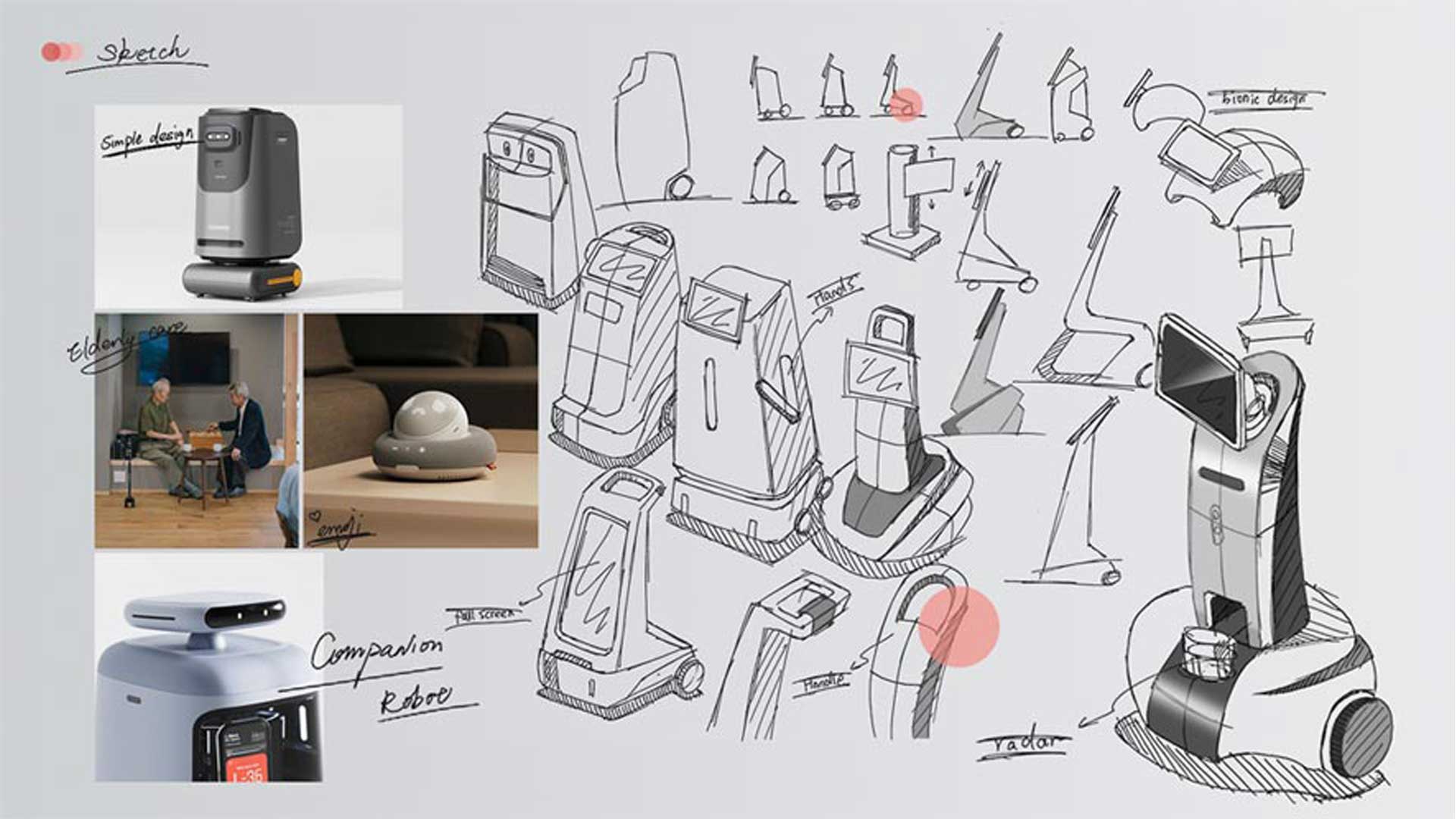
Product design works out what to build. It starts with the user, not the part.
Designers ask who buys this, what problem it solves, and what would make someone pick it over the thing next to it on the shelf. Then they shape an answer: form, size, color, texture, and how it feels to hold.
Good industrial products design also carries a brand. A shape signals quality before a buyer reads a single spec.
Design Covers More Than Looks
Usability sits inside product design too. How does someone pick it up? Which button do they press first? Is the label readable at arm’s length?
The Nielsen Norman Group defines user experience as every part of how someone deals with a company and its products. For hardware, that starts the moment a buyer opens the box.
Catch these problems early and they cost a sketch. Catch them after tooling and they cost a mold.
Why Designers Iterate
Designers rarely get it right the first time. Instead, they build a rough version, test it, and then make changes.
In many cases, three or four rounds are normal. Each round removes guesswork, so by the end, the team knows whether the shape works for real people, not just on a screen.
What Is Product Engineering?
Product engineering takes that shape and makes it real. It asks a harder question: will this survive?
Engineers check loads, heat, drop resistance, and fit. Next, they choose materials and set tolerances based on how the product will be used. They also work out how the parts should go together on an assembly line without requiring a skilled hand to guide each one.
They also handle rules. Electrical safety marks, wireless testing, and material checks all sit here. Planning product compliance consulting early avoids a nasty trap: you finish the design, then learn it needs a hardware change to pass a test.
Engineering Is Where Cost Gets Locked In
Most of a product’s unit cost gets decided during engineering, not during design. Part count, material choice, and assembly steps all set your margin for the life of the product.
Cut one part out of an assembly, and you save money on every single unit you ever ship.
Where Mechanical Product Design Fits
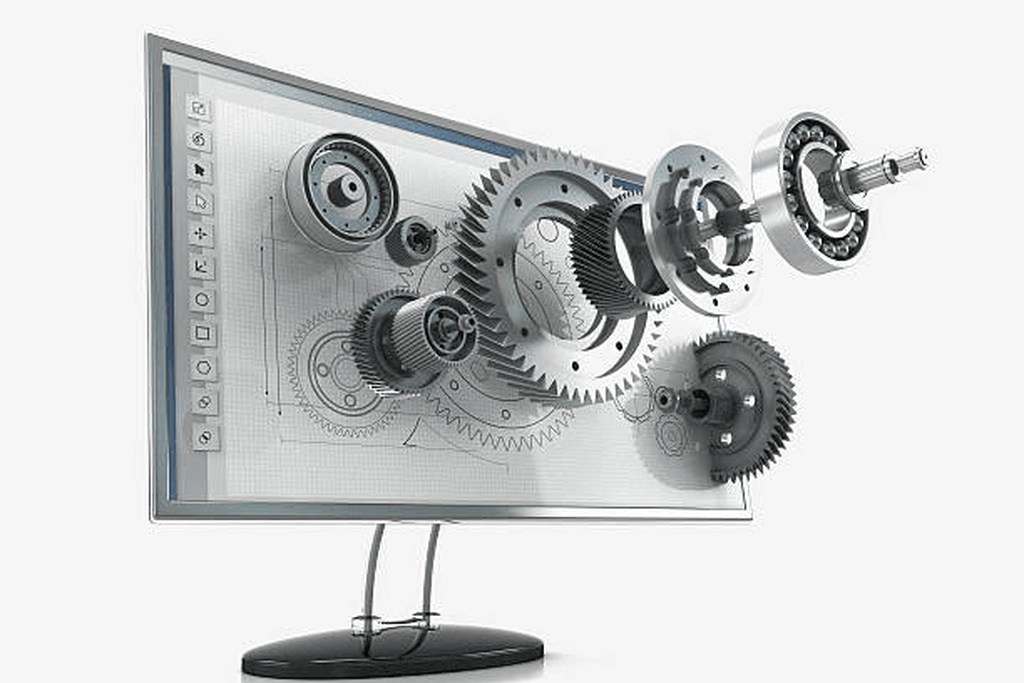
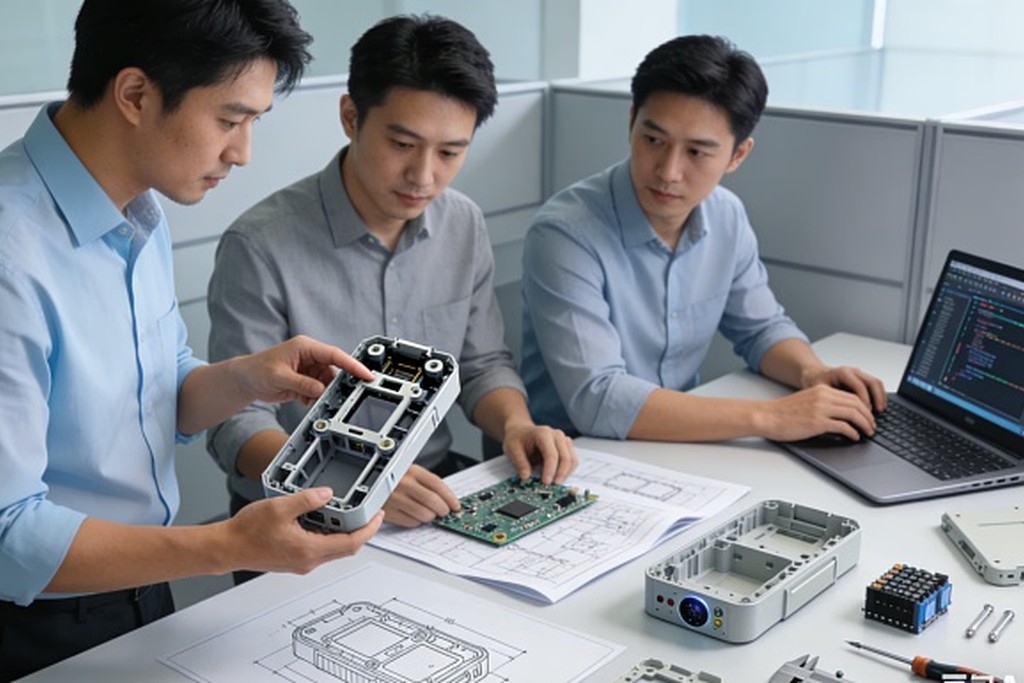
Mechanical design is the handoff point. It turns a design intent into something a factory can build.
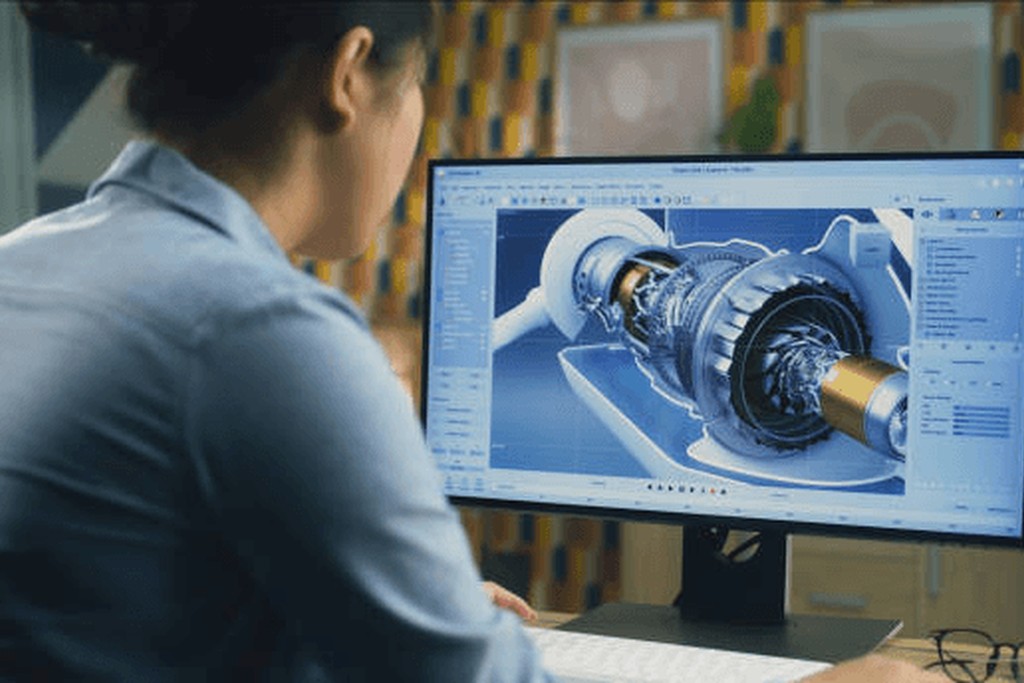
This is the work that helps determine whether a project ships on time. For example, mechanical designers build the real CAD, set wall thickness, plan snap fits, and route the internal parts. At the same time, they select tolerances based on the materials and manufacturing process.
Tolerance choice matters more than most people think. A molded plastic housing usually holds around ±0.1 to ±0.15 mm. Machined metal can hold closer to ±0.05 mm. Ask for tighter than you need, and cost and reject rates both climb.
Mechanical Product Design: Designing for the Factory, Not the Screen
A shape that looks great in CAD can be impossible to mold. Mechanical design catches that early.
Two details drive most molding problems:
- Draft angle. Mold walls need a slight taper so parts release cleanly. Protolab’s guide to draft angles explains why parts without it drag and scratch on ejection.
- Wall thickness. Structural plastic parts often run 2.0 to 3.5 mm. Go thinner and parts warp. Go thicker and both cost and cycle time rise.
Sorting this out before injection mold design starts is far cheaper than reworking steel tooling later. Cutting a new mold is never quick.
Not sure where your project sits between design and engineering? Our team has taken startups and hardware brands from first sketch through mass production, all under one roof in Shenzhen. Book a free consultation to talk through your product.
Strategy Comes Before Both
Before anyone sketches or opens CAD, someone should answer a basic question: who is this for, and at what price?
That’s what product strategy consulting does. It fixes the target user, the price band, and the core value of the product.
Skip it, and the design drifts. A feature gets added here, a shape shifts there, and six months later the product barely matches the original idea. A short strategy session up front costs far less than a pivot once tooling money is already spent.
Prototyping Connects the Two
A prototype is where design and engineering meet in physical form. It’s also the cheapest place to be wrong.
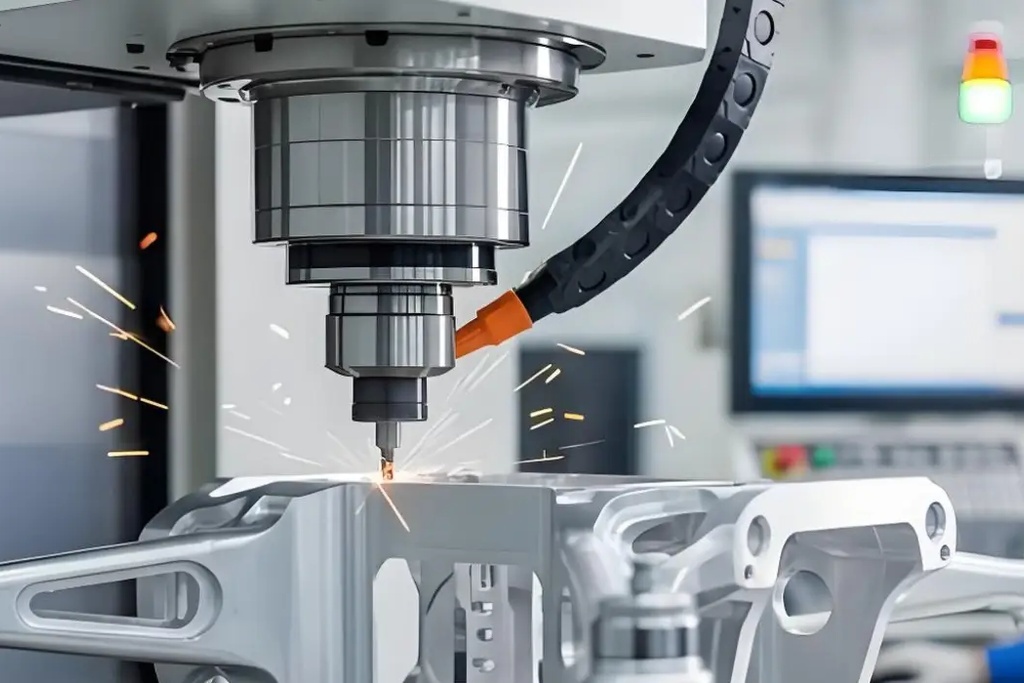
Most hardware projects run through a few rounds:
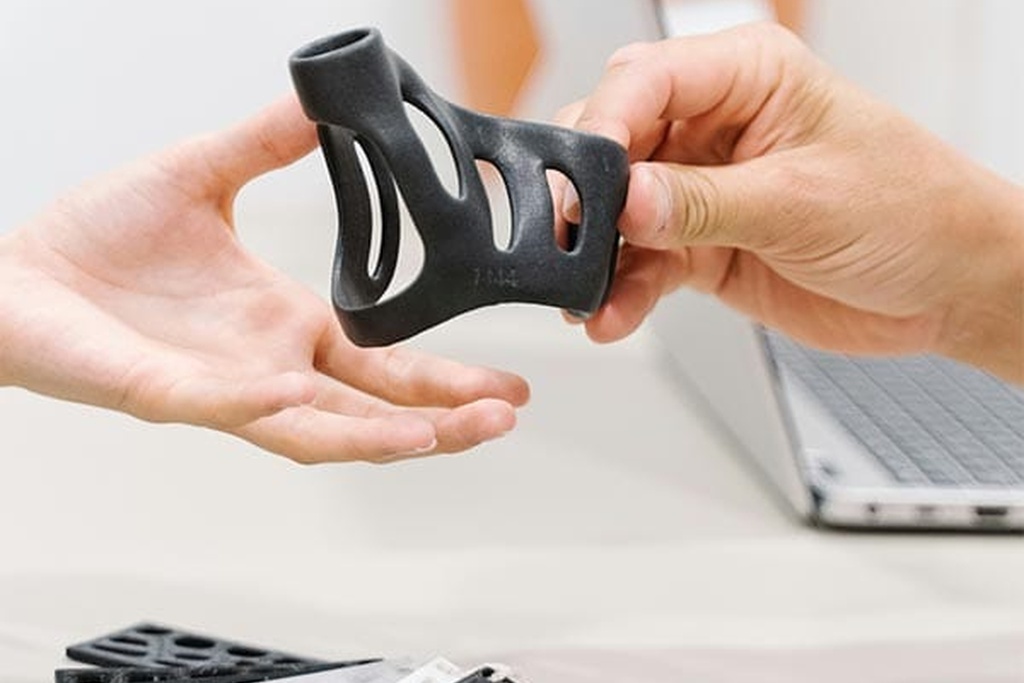
- A rough proof of concept, often 3D printed, to check basic fit and form.
- A working unit with real electronics inside, if the product needs them.
- A finished-look sample matching the planned color, texture, and finish.
Careful product prototyping services cost far less than finding a flaw after a mold is cut. A 3D-printed part might cost a few dollars and take a day. A mold correction can cost thousands and add weeks.
Teams that skip this step usually pay twice. Once to fix the mold, then again in lost time to market.
What Goes Wrong When These Teams Split Up
Many founders hire a design studio, then a separate engineering firm, and finally a factory. Although each team may do good work, the project can still stall because important details get lost between handoffs.
Here’s why:
- The design studio hands over files the engineers can’t build from.
- The engineers change the shape to make it work, and the design intent gets lost.
- The factory finds a molding issue nobody planned for.
- Every fix bounces between three companies that have never worked together.
- Nobody owns the outcome, so nobody catches the gap.
Each handoff adds weeks. Worse, it adds blame. Teams argue about whose problem it is instead of fixing it.
This is why working with a single product development company tends to move faster. One team, one set of files, one point of contact.
Scaling Up: From One Unit to Ten Thousand
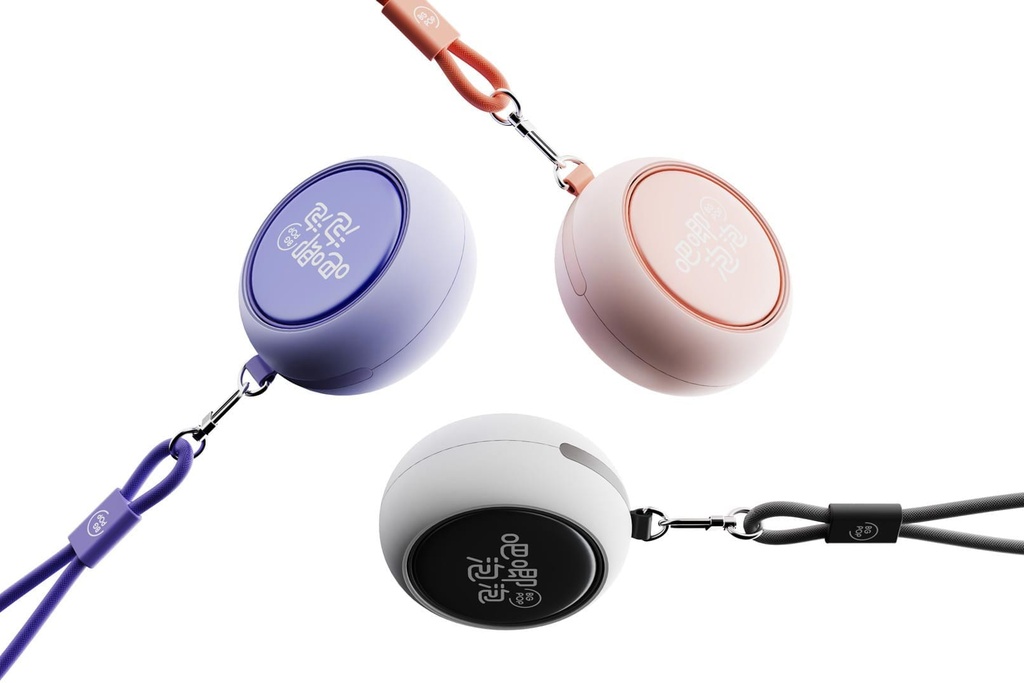
A design that works once on a desk is not necessarily ready for high-volume production. At scale, small issues can multiply quickly across a full production run. For this reason, mechanical design should account for tooling and assembly from the start.
A pilot batch of a few hundred units is a smart, low-cost way to catch assembly problems. That’s far better than finding them after a warehouse is full.
Good manufacturing support services cover supplier coordination, incoming quality checks, and that pilot run before full output begins.
Bringing It Together
Product design and product engineering are not rivals. Instead, they answer different questions about the same product. On one side, design asks whether people want it. On the other, engineering asks whether it can be built and trusted. Between them, mechanical design helps hold the two together.
Get that link right, and a product moves from sketch to shelf without drama. Get it wrong, and you pay for it in redesigns, delays, and tooling rework.
At OPD Design, we run all of it under one roof in Shenzhen: strategy, industrial design, mechanical engineering, prototyping, mold development, and full production. Our product engineering services cover the whole path from first sketch to finished units. Take a look at some of our recent projects, or get in touch to talk through what you’re building.
FAQs
1. What is the difference between product design and product engineering?
Product design decides what to build and how it should look and feel. Product engineering decides how it works and how it gets made. Design focuses on the user, engineering focuses on performance and buildability.
2. Does product design come before product engineering?
Design usually starts first, but the two should overlap. If engineering only sees the design after it’s locked, you often end up with a shape that can’t be built at your target cost.
3. How does mechanical design fit between the two?
Mechanical design turns a design concept into real parts. It sets wall thickness, tolerances, materials, and internal layout, so the product can actually be molded and assembled.
4. Can one company handle both design and engineering?
Yes, and it usually works better. One team means fewer handoffs, no file translation issues, and one group accountable when something needs fixing.
5. What happens if design and engineering aren’t aligned?
You get late redesigns. Common outcomes are a shape that can’t be molded, a product that costs more than planned, or tooling that needs rework after it’s already cut.