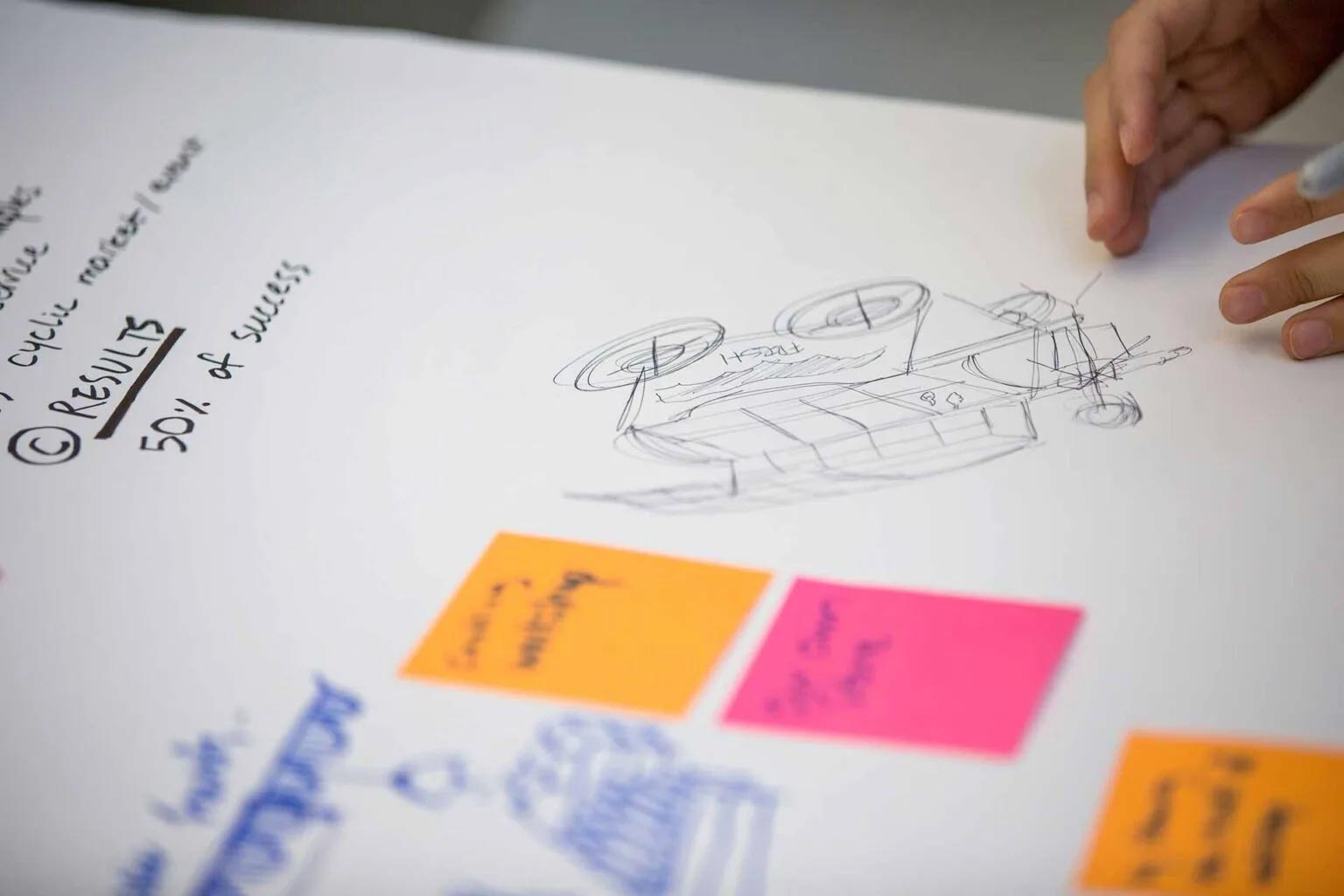

Someone is choking. The clock is ticking. The person trying to help is terrified. That’s the reality an anti-choking device has to work in — not a lab, not a demo, but a panicked kitchen at 2 a.m.
OPD Design tackled this problem head-on. The result: a pure mechanical, zero-electronics device built for one job — working when it matters most. Here’s what the process looked like and what we learned.
Why Emergency Device Design Is a Different Beast
Most products assume a calm user. They assume time to read instructions, steady hands, decent lighting. An emergency device gets none of that.
The operator might be scared. The person choking could be moving or unresponsive. Also, the device might have sat in a drawer for a year. Now it needs to work perfectly — on the first try.
So the design challenge goes far beyond handle shape. The U.S. FDA’s human factors and medical devices guidance defines the user interface broadly — packaging, labeling, training, everything the person touches.
For an anti-choking device, the critical path runs through six steps. Find it. Open it. Orient it. Position it. Activate it. Confirm it worked. In fact, each step is a chance to fail.
Good industrial design makes that sequence obvious. Similarly, good engineering makes every action repeatable. And usability testing proves the whole chain holds up under real stress — not just under ideal demo conditions.
The Project: A Mechanical Home-Use Concept
OPD Design developed this concept for a client in China. The brief was clear. No electronics. No wearables. Minimal training. Just grab, place, and go.
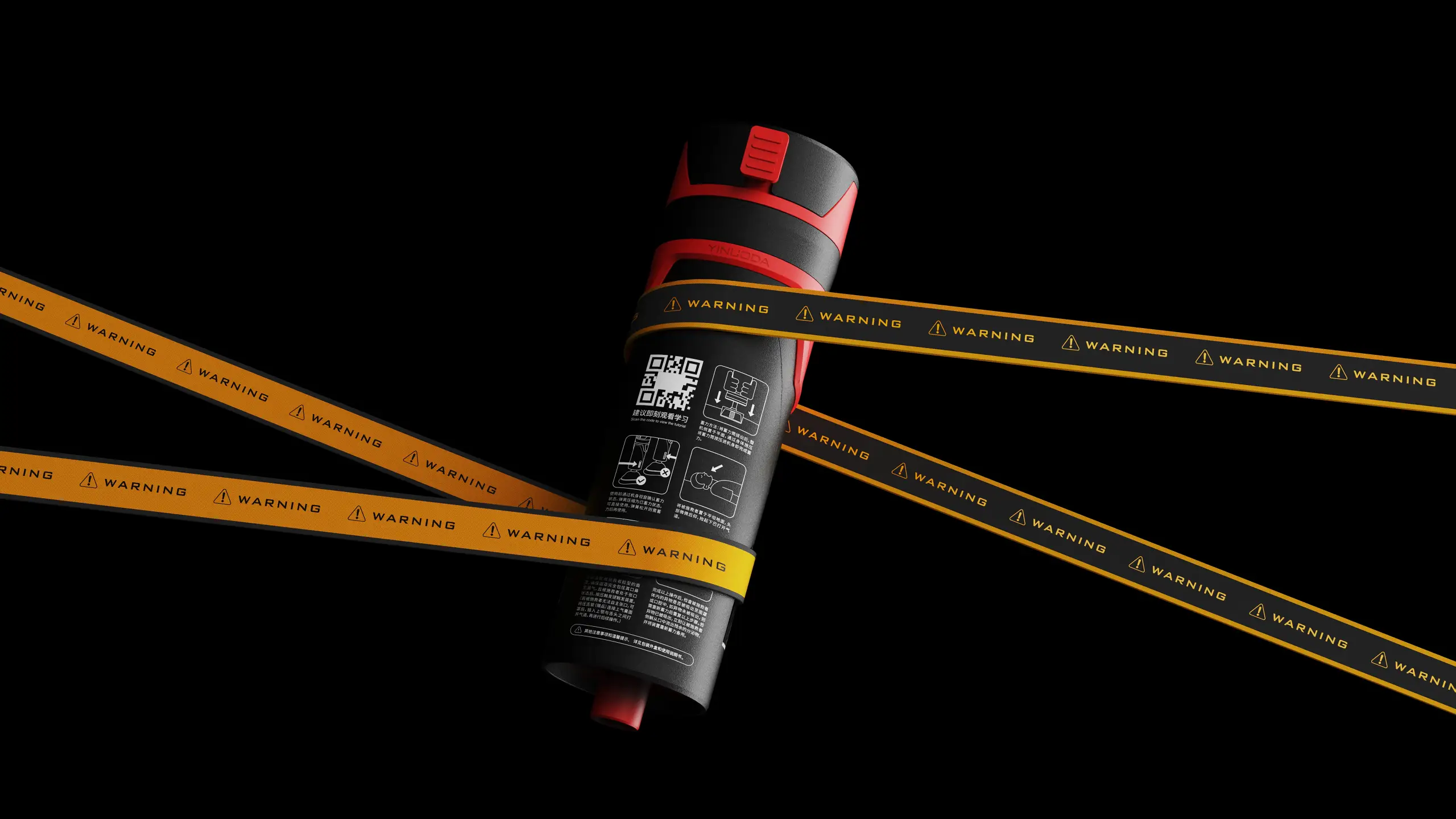
According to the published anti-choking device project page, the scope covered industrial design, mechanical design, functional prototyping, packaging, and mold development.
The goals were connected — and often in conflict. The device had to feel instantly recognizable as an emergency tool. It had to minimize setup steps. Batteries or software were off the table. And it had to help caregivers position the mouthpiece consistently across users aged 2–99.
But here’s the catch. A stronger spring boosts output force. However, it also raises activation effort and recoil. A softer interface feels better but risks leaking. Meanwhile, a sealed shell protects against moisture but makes inspection harder.
The team evaluated 27 concepts before landing on the final approach. However, the real task wasn’t maximizing any single metric. Instead, it was balancing a web of trade-offs,while keeping the emergency sequence short and obvious.
Key Design Decisions
Start with the Event, Not Just the User
Traditional user research asks about preferences and habits. But emergencies don’t run on preferences. They run on timelines.
So OPD Design started by studying the event itself. The team researched 28 senior-care facilities and analyzed 137 choking incidents. They asked: Who responded first? Where was the device stored? What caused delays? How was the person positioned?
That kind of research changes everything. For example, if people can’t find the device fast, tweaking the internal mechanism solves nothing. The product has to fit the system.
Research findings became measurable inputs. “Fast” turned into specific metrics — package-opening time, positioning time, activation force, hand changes required. The project page reports a 0.3-second spring response with ±1.8 kPa pressure tolerance. These are published specs; a formal program would add test definitions and traceability for each value.
Go Mechanical — on Purpose
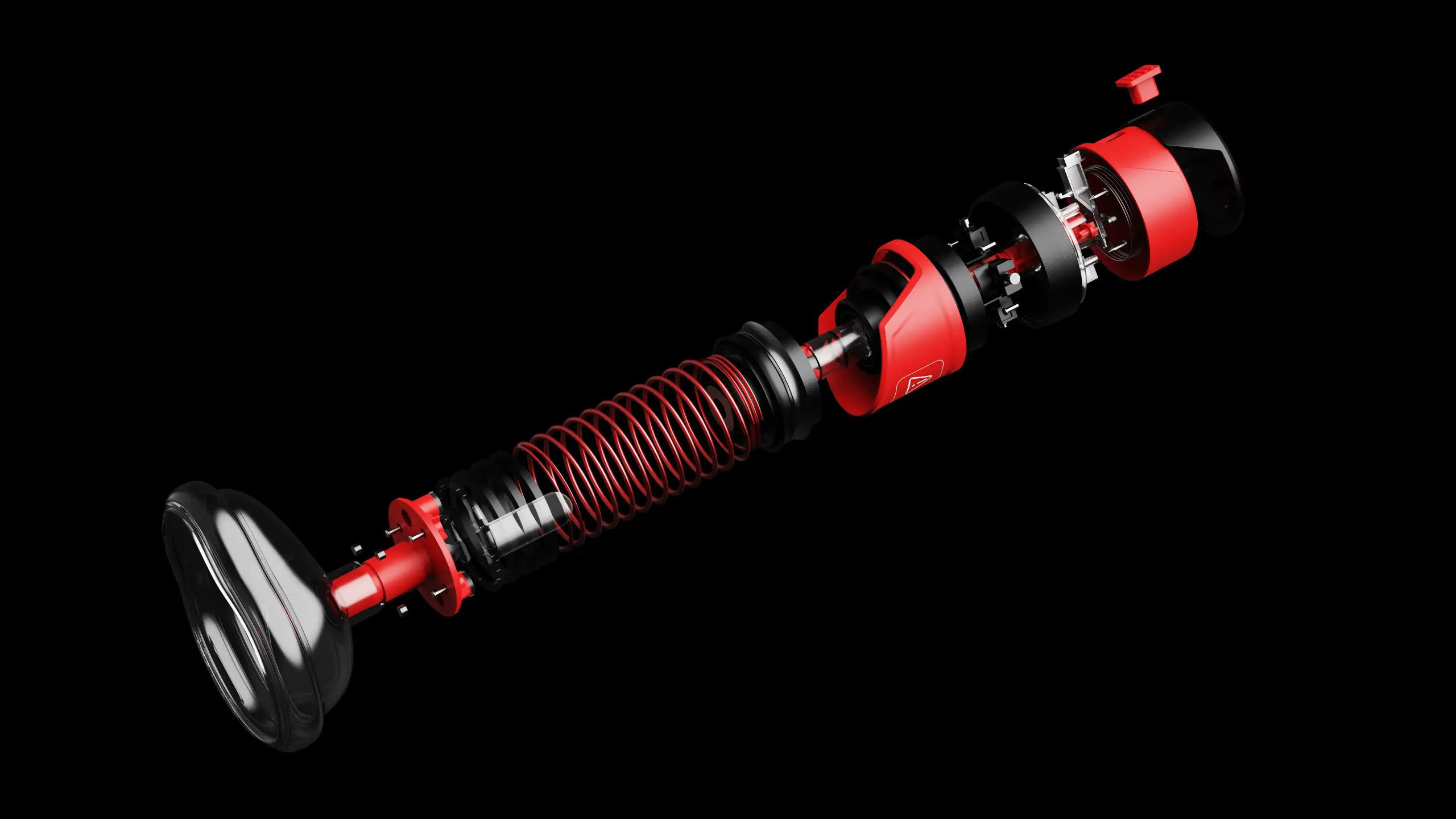
The team chose a precision spring system with zero electronics. That decision killed a whole category of failure modes. No dead batteries to check. Charging routines and firmware bugs disappear. Startup lag simply doesn’t exist.
Also, a mechanical system simplifies readiness checks. You can glance at it and know it’s ready. No indicator lights to fail. Likewise, no battery gauge to misread. The waterproof construction protects the mechanism during shelf storage and cleaning.
However, mechanical simplicity is not the same as engineering simplicity. Spring performance depends on geometry, friction, seals, temperature, material aging, and assembly tolerance — all at once.
The team had to answer hard questions. For instance, how much force can the intended operators actually apply? Can it fire by accident in a drawer or bag? Does performance drift after months on a shelf? What happens after a drop onto tile?
Tolerance analysis became critical. A hand-tuned prototype works great. Production parts at worst-case tolerances? That’s a different story. The POC and EVT phases gave the team structured gates to stress-test these risks before locking the design.
Design One-Hand Operation as a Full Sequence
One-hand activation sounds simple. Just make the trigger reachable. But the real challenge runs deeper.
The caregiver’s free hand might be stabilizing the person, supporting the head, or holding the mouthpiece in place. So every step before the trigger press matters just as much.
Can the package open one-handed? Is the orientation obvious by touch? Does the hand naturally land on the activation control? Can the operator feel whether it fired?
Grip design had to account for hand-size range, wet surfaces, and reaction forces. Above all, controls needed to feel clearly different from non-controls. Formative usability tests compared multiple sizes, forces, and textures before any tooling geometry was locked.
Let the Mouthpiece Self-Align
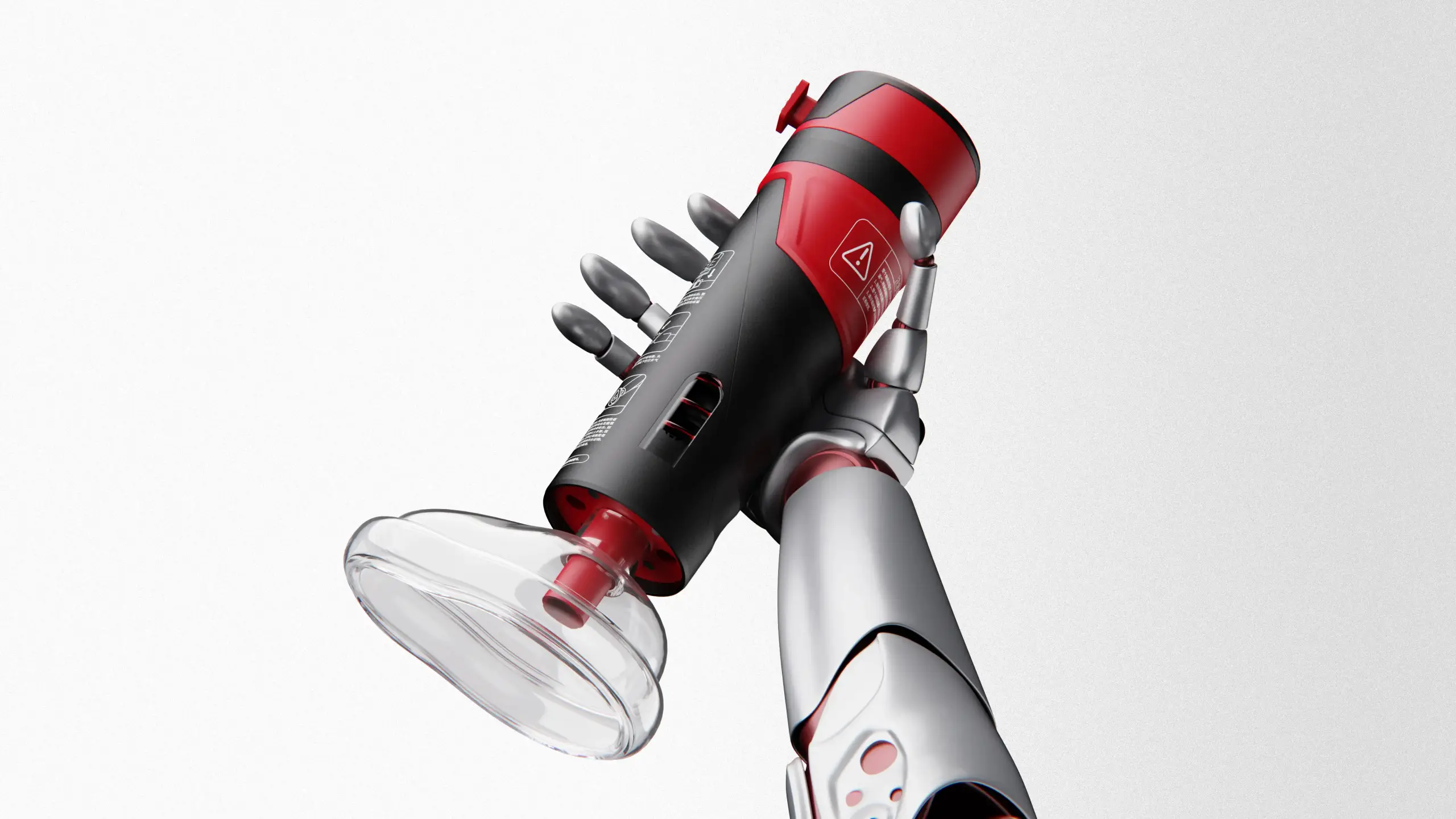
In a panic, people lose fine motor control. So the self-aligning mouthpiece became a core innovation. The geometry tells the operator which side faces the person, where to press, and how hard to seal.
Rounded, compliant edges absorb some positioning error. They also reduce discomfort if placement isn’t perfect.
Still, a universal interface needs proof. For instance, face size, facial hair, dentures, head angle — all of these affect sealing and leakage. Therefore, the team verified self-alignment through prototype studies: dimensional fit across head forms, contact-area mapping, leak testing at different angles, and placement-error observation with first-time users.
If one geometry can’t cover the full range, a multi-size strategy beats forcing a single solution.
Balance Softness, Seal, and Material Control
The contact interface uses medical-grade silicone at Shore A 40 hardness. That’s in the moderately soft range — appropriate for face contact.
But hardness alone doesn’t define safety, fit, or regulatory compliance. The material spec had to nail down the exact silicone family, supplier, hardness tolerance, cure system, post-curing requirements, surface finish, and biological evaluation criteria. “Medical grade” is not an engineering specification.
The design balanced real trade-offs. Specifically, softer silicone conforms better but risks collapsing or collecting debris. Stiffer material locates more predictably but needs more force and creates pressure points. Ultimately, geometry, wall thickness, lip design, and hardness all evolved together.
The non-invasive, zero throat-contact approach also addressed something less tangible — fear. Preliminary user trials showed a 63% reduction in psychological resistance to face contact. That’s a design finding, not a clinical claim. But it signals that perceived invasiveness is a variable worth studying, especially when fear already slows response time.
From Prototype to Production
One prototype proves one thing — that one unit can work. Real validation takes multiple builds, each answering a specific question.
Task-flow mock-ups tested sequence visibility. Ergonomic models checked grip and reach. Meanwhile, mechanism rigs measured spring output and cycle life. Integrated prototypes tested drops, cleaning, and environmental stress. For more detail, see OPD Design’s hardware design and prototyping guide.
Now here’s a common trap: approving tooling from an appearance prototype. A looks-like model doesn’t represent final material behavior, tolerance stack-ups, spring performance, or sealing. The DVT phase closes that gap — freezing a manufacturing-ready design and running reliability verification.
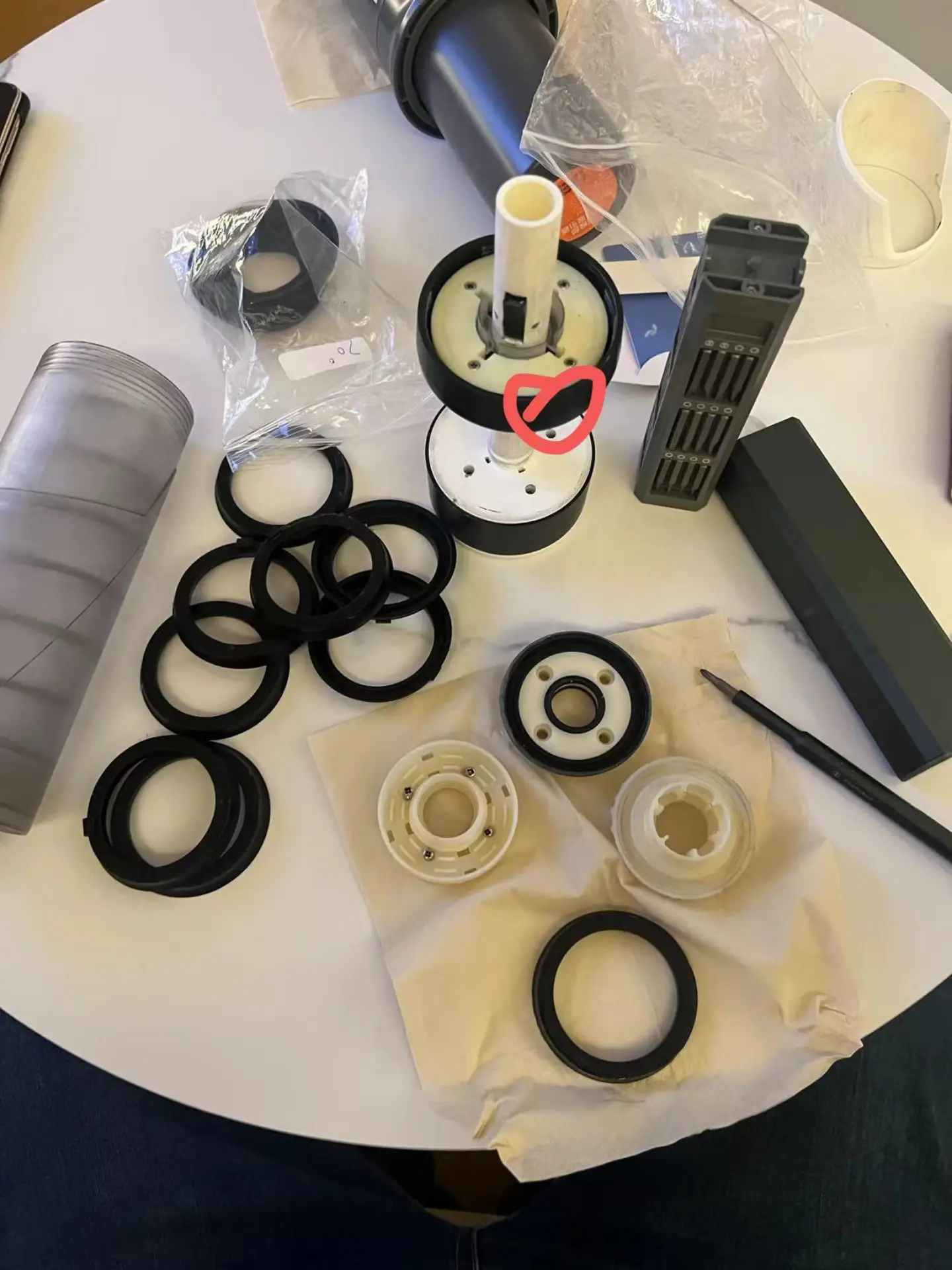
Then manufacturing engineering narrowed the production path. Specifically, injection-molded housing needed proper wall thickness… The silicone interface required… Likewise, the mechanical system demanded.. controlled springs, pivots, seals, and assembly forces.
Critical questions drove each decision. Can the housing snap together without distorting the mechanism? Are sealing surfaces clear of parting lines? Can the silicone install only one way? Will incomplete assembly get caught? Can every unit get a functional end-of-line test?
OPD Design’s manufacturing support keeps risk controls intact through the prototype-to-tooling transition. In particular, pilot production reveals the gap… Ultimately, that data drives the final engineering adjustments before full-rate production begins.
Four Lessons for Any Emergency Device
Engineer simplicity — don’t assume it. Fewer controls don’t guarantee safer use. Instead, the full system — storage, packaging, orientation, activation, feedback, post-use handling — must reduce critical errors under real conditions.
Research the event, not just the user. Preferences matter less than timelines. Indeed, studying real incidents reveals system-level requirements that lab testing alone can’t uncover.
Test worst-case combinations. A hand-built prototype proves one unit works. However, production variation, environmental stress, and long-term storage need deliberate testing.
Keep decisions connected. Research shapes task flow. In turn, task flow shapes grip and packaging. Interface geometry shapes sealing and material choice. Material behavior shapes tooling. OPD Design’s end-to-end product development process keeps these links intact from concept through manufacturing.
Frequently Asked Questions
What makes anti-choking device design different from ordinary product design?
Emergency devices have to work when users are scared, rushed, and unfamiliar with the product. In addition, the device might sit untouched for months— then demand instant, error-free operation. That reality requires rigorous human-factors engineering, minimal steps, and testing under real stress, not ideal lab conditions.
Why go mechanical instead of electronic?
A mechanical system kills battery problems, charging routines, firmware issues, and startup delays. For a device that must stay ready through long storage, that matters a lot. That said, mechanical designs still demand careful work on tolerances, spring fatigue, and sealing to deliver consistent results.
How does the self-aligning mouthpiece help?
It reduces the precision a stressed caregiver needs to position correctly. Moreover, the geometry naturally guides placement and adapts to variation in face size and angle. Still, the team must verify performance across the full intended population to confirm reliable sealing.
What does the 63% psychological resistance reduction actually mean?
That number comes from preliminary user trials. Specifically, it measures toward face contact compared with more invasive-looking alternatives. It’s a usability and design-acceptance finding — not a clinical effectiveness claim. As a result, regulatory and clinical conclusions need independent validation for each target market.
Disclaimer: All project data cited in this article reflect published specifications from OPD Design’s anti-choking device project page. Regulatory classification, clinical claims, production yields, and verification protocols depend on the final intended use and target market, and must be independently developed and validated.
Ready to develop an emergency device, home-use medical product, or safety-critical hardware? Contact OPD Design to discuss your intended users, technical principle, and development stage.

![product packaging design services — structural and brand packaging by OPD Design]](https://www.opd-design.com/wp-content/uploads/2025/12/packaging.jpg "OPD DESIGN | Anti-Choking Device Design Case Study: Designing for Emergency Use")