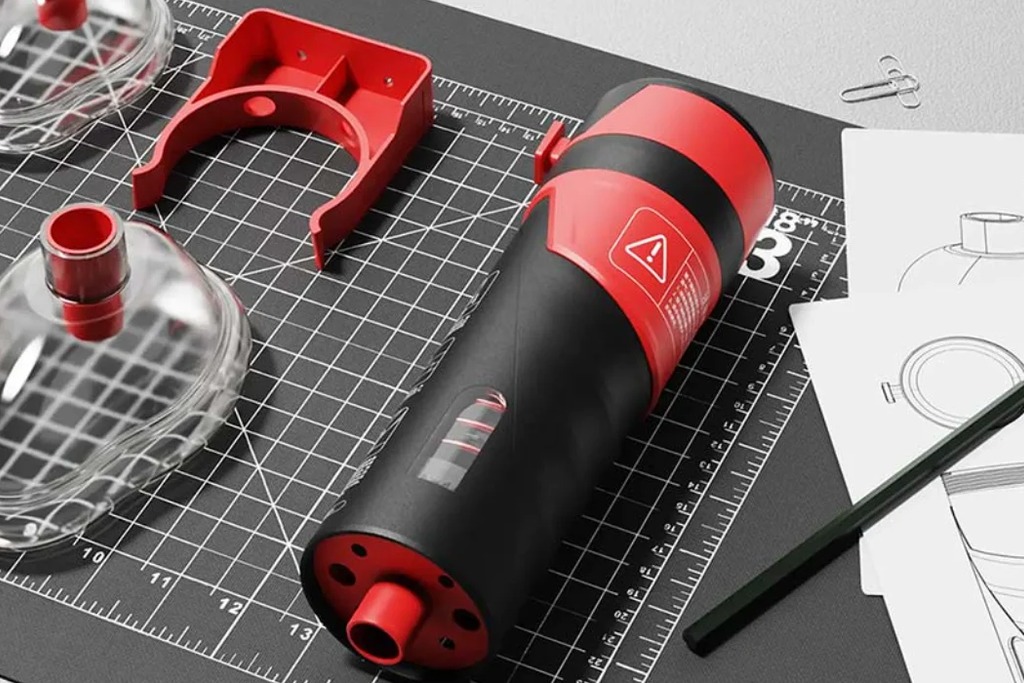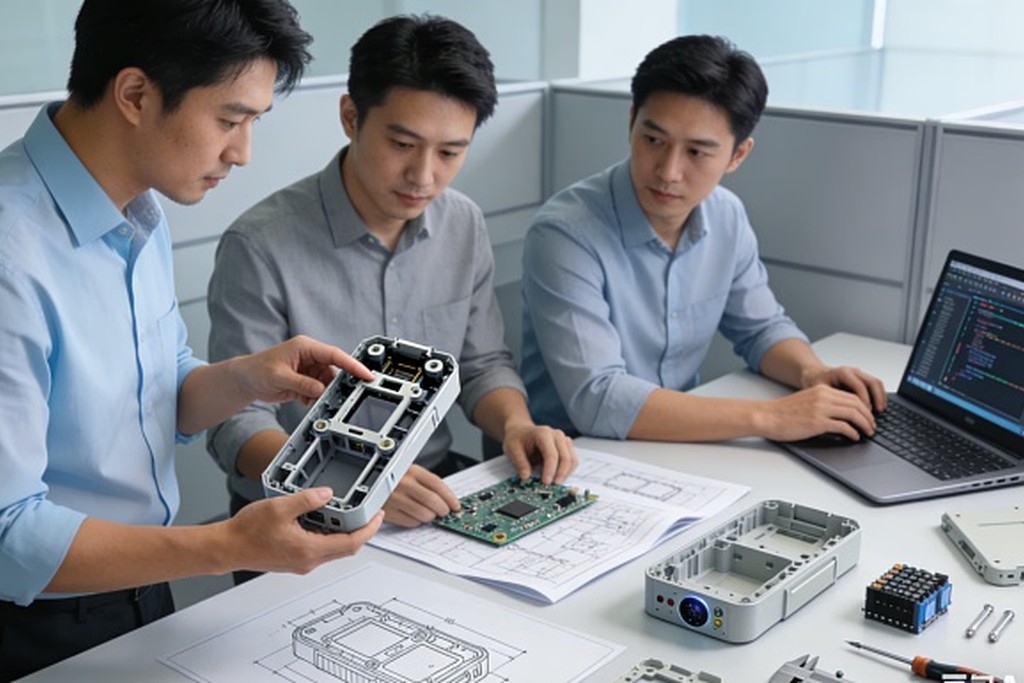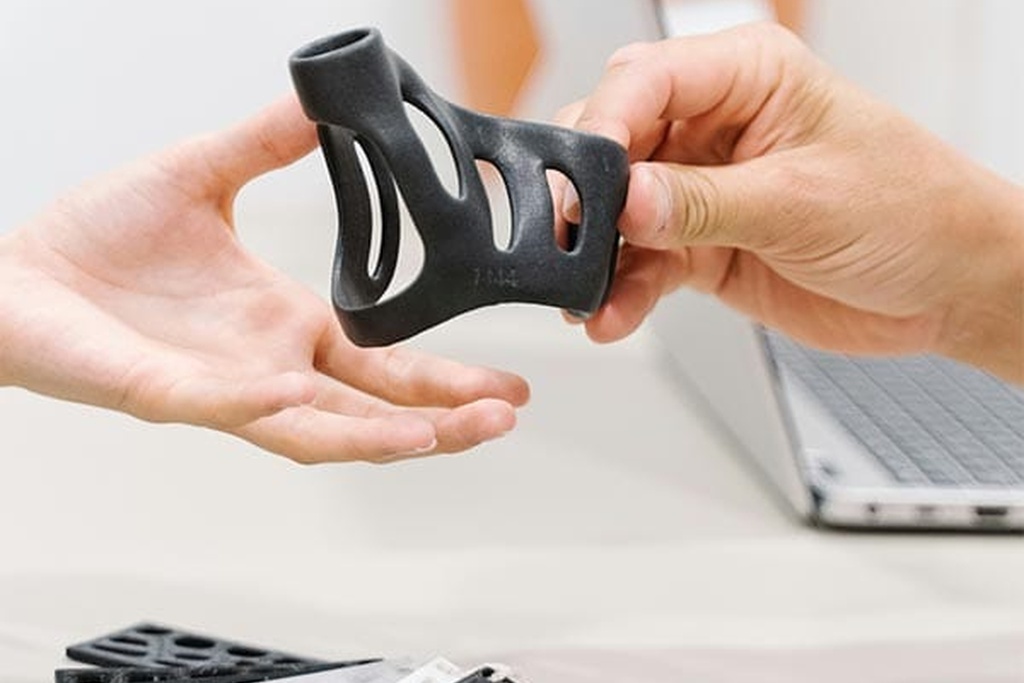

For a growing hardware business, brand identity design is more than a logo and a color palette. It should connect with the product itself. That means materials, shape, packaging, user experience, and how the product gets made.
Customers don’t see a brand as one single thing. They see the case. They hold the product. They open the box. They visit the site. They compare it to other products on the shelf. So every touchpoint, physical or digital, can either build the brand or make it feel off.
For hardware startups, this creates a real problem. A design might look great as a render but be hard to build. A premium material can push up unit cost. A tight tolerance can improve fit but raise cost and slow down inspection. A nice package can be pricey to make or ship.
The best brand work looks at these facts early, not late.
What Does Brand Identity Design Mean for a Product Business?
Brand identity is the system that tells people what a company or product stands for. It helps them spot that brand again and again.
For a physical product, this system can include:
- Brand positioning
- Logo and visual identity
- Type choices
- Color and graphic style
- Product shape
- CMF: color, material, and finish
- Packaging
- Marketing visuals
- Retail presentation
- Style guides for use
But these pieces shouldn’t be built one by one, in isolation. A good brand identity design company treats them as one connected system, not a stack of separate tasks.
Picture a startup building a premium smart-home device. The brand may want a clean, high-tech look. That choice reaches past the logo. It can shape the case shape, the surface finish, and the buttons. It can shape the materials, the box, and even the product photos.
So brand choices can reach deep into engineering.
Start With Product Strategy, Not Visuals
A common mistake is picking visual references before the product’s place in the market is clear.
Instead, product teams should first answer a few plain questions:
- Who is the main user?
- What problem does the product solve?
- Which features matter most?
- What makes it different?
- What price point fits?
These answers shape the visual path.
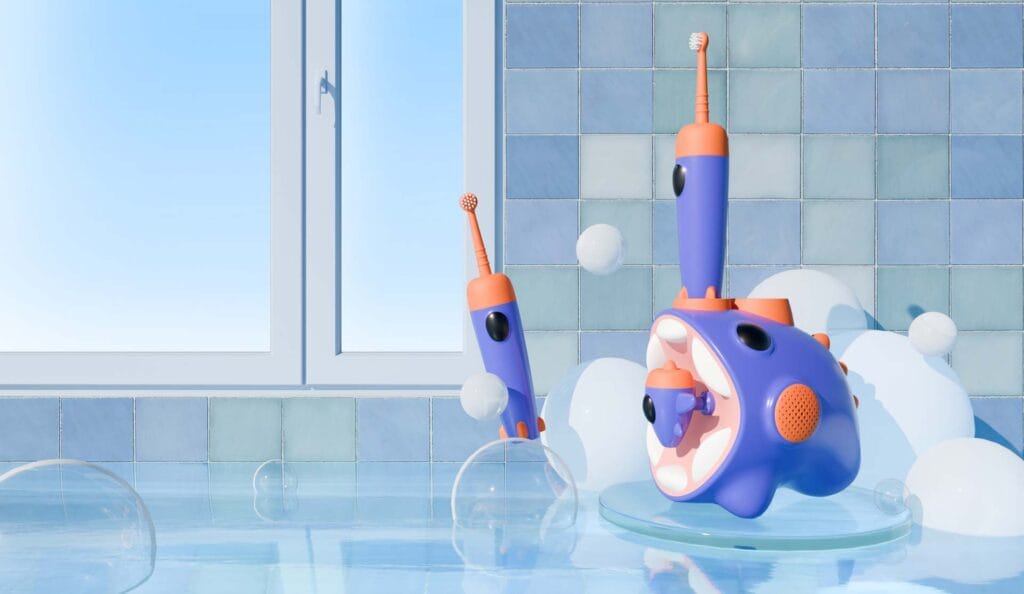
For example, a medical device, a smart-home gadget, and a kids’ toy may all need to feel trustworthy. But they won’t show that trust the same way. Their shape, material, type, color, layout, and packaging all need to fit their own use case.
This is where a brand strategy consultant earns their keep. Good strategy work should hand you clear design rules, not vague lines like “make it premium” or “make it modern.”
Where Engineering Meets Brand Identity
For physical products, the visual identity ends up as a real, mechanical object.
That shift brings limits.
A designer might want a thin, seamless case. But the engineer has to think about wall thickness, parts inside, screw bosses, and clips. They also have to think about heat paths, draft angles, seams, and how it all gets put together.
In the same way, a brand may want a glossy finish. But that finish can show scratches, fingerprints, sink marks, or flaws from molding.
So product teams should check brand direction against engineering limits early. Don’t wait until the final design stage.
Material Selection
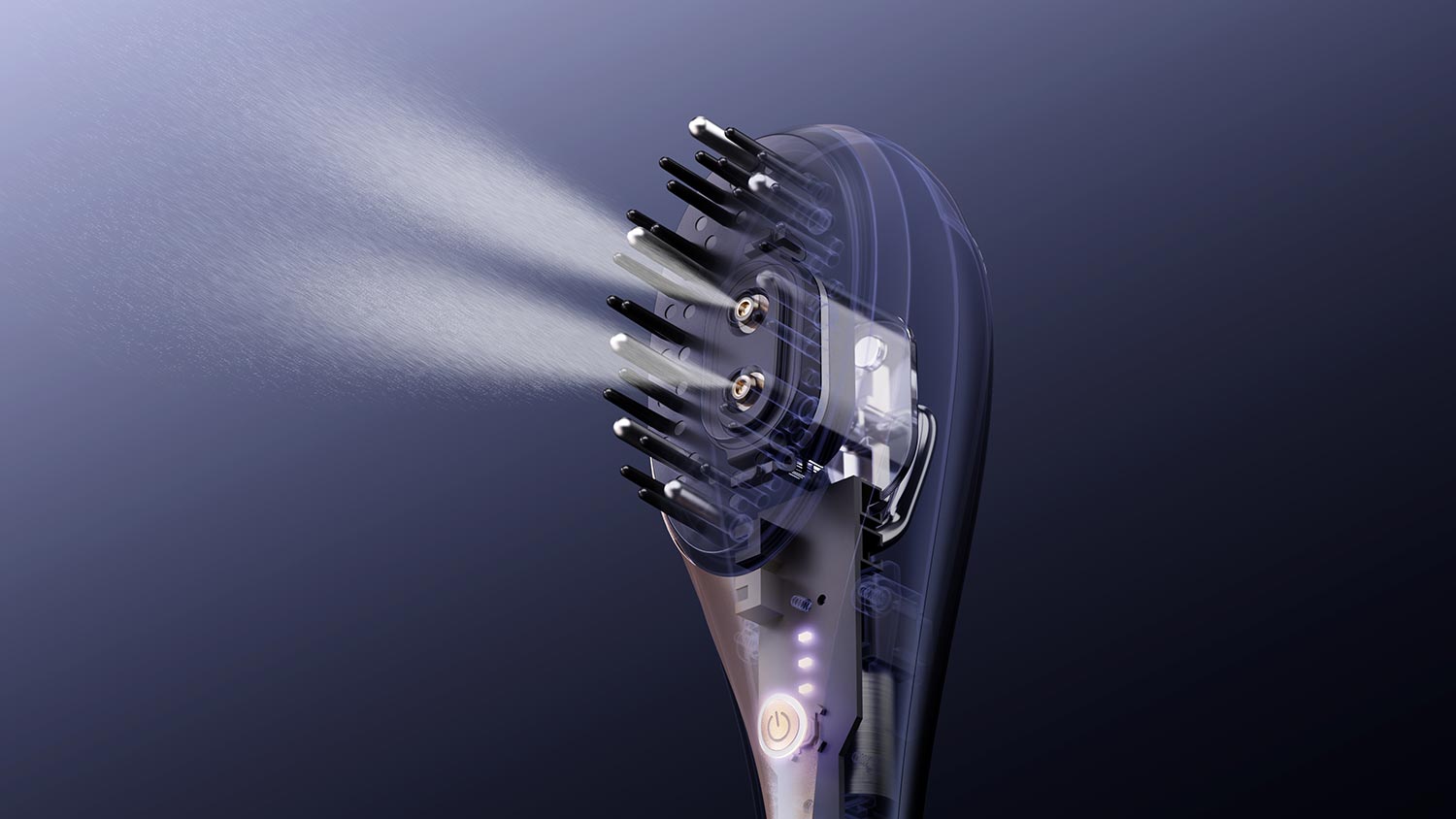
Material choice shapes both how a product performs and how the brand feels.
Common product materials include plastic, aluminum, steel, glass, and rubber-like parts. Each one has its own strengths, costs, finishes, and build steps.
OPD’s industrial design work covers CMF choices and materials across plastic, metal, and glass. It also covers finishes like spraying, anodizing, and IMD.
Tolerances and Surface Quality
A tolerance sets how much a part can vary from its target size.
For example, a joint on a case may need tighter control than a plain, flat surface. If you use tight tolerances everywhere, cost and inspection time go up without any real gain.
So engineers should set tolerances based on what each part must do.
The ASME Y14.5 standard offers a shared way to note size and shape rules on drawings.
A solid review should ask:
- Which sizes control how parts fit together?
- Which surfaces affect how the product looks?
- Which sizes can use a looser tolerance?
- Where could small errors stack up into a big problem?
- Can the supplier check key sizes every time, the same way?
Wall Thickness and Draft Angles
Plastic parts need close control of wall thickness.
A wall that’s too thick uses more material and can cause sink marks. A wall that’s too thin can cause filling problems, weak spots, or warping.
The right target depends on the material, the shape, the molding method, and what the part must do. So teams shouldn’t lean on one fixed wall-thickness number for every part.
Draft angles matter too. They let a molded part come out of the tool cleanly. The right draft depends on material, texture, depth, and mold design.
Teams should nail these choices down before mold work starts.
Fasteners and Assembly
How you fasten parts affects how well the product holds up, how fast it gets built, and what it costs.
Products may use machine screws, self-tapping screws, threaded inserts, clips, snap fits, glue, or a mix of these.
Key joints may still need strong, controlled fastening for strength, repair, or safety.
Thermal Management
Heat matters for brand looks too.
A small electronic product may need a heat spreader, a metal frame, a vent path, or a thermal pad. But the outside design may still need to hide vents and stay clean and simple.
That’s why industrial design and mechanical engineering should team up early, not late.
Prototype Before You Commit to Tooling
A prototype isn’t just a model to show off. For hardware teams, it should answer real, hard questions.
Before you commit to tooling, use a prototype to check:
- Overall size
- Comfort and fit in hand
- Where buttons and controls sit
- How easy assembly is
- How parts meet each other
- How the surface looks
- Material and finish
- How heat moves through it
- How strong the structure is
- Fit inside the packaging
Different prototype methods answer different questions.
A 3D-printed case can quickly test shape and fit. CNC machining gives a more real sense of material and surface quality. Appearance models can check CMF choices before you commit to full tooling.
The key is knowing what each prototype must prove. A prototype that doesn’t answer a real decision just burns time without cutting risk.
Design for Manufacturing and Production Cost
A product can be possible to build and still be hard to build at a fair price.
Manufacturing cost depends on:
- Material choice
- Part size and weight
- Number of parts
- How complex the tooling is
- Surface finish
- Assembly time
- Fastener count
- Inspection needs
- Production volume
- What the supplier can actually do
Production volume matters a lot here.
A CNC-cut aluminum case can make sense for a small batch, since it keeps tooling cost low. At much higher volumes, molding or die casting may offer better cost per unit, depending on shape and tooling price.
The reverse can happen too. A complex mold can cut unit cost at scale, but it needs a big upfront spend.
So procurement teams should ask suppliers for more than just a unit price.
A solid supplier review should cover:
- Tooling cost
- How long the tool should last
- Piece price at different volumes
- Minimum order size
- Lead time
- Extra process steps
- How they inspect parts
- Which dimensions are critical
- Material specs
- Surface finish needs
- Tool upkeep terms
This makes it easier to compare suppliers on a fair, real basis.
From Prototype to NPI and Mass Production
New Product Introduction, or NPI, is where a design turns into a real, controlled build process.
OPD lays out an NPI path through POC, EVT, DVT, PVT, and MP. Each stage checks a different thing. Does the idea work? Does engineering work? Does the design meet the goal? Is production ready? Can it scale?
This staged path matters for brand work too. A look that works on a prototype has to stay the same across hundreds, or thousands, of units.
How OPD Design Connects Brand, Product, and Manufacturing
OPD Design acts as a product-development partner, not just a studio for visual work.
Its wider services span product strategy, industrial design, mechanical design, prototypes, mold work, manufacturing, packaging, and brand design.
That mix helps when brand choices reach into real product engineering.
For example, a team may want a bold case with a specific CMF finish. That choice touches industrial design, mechanical design, materials, tooling, manufacturing, and quality checks.
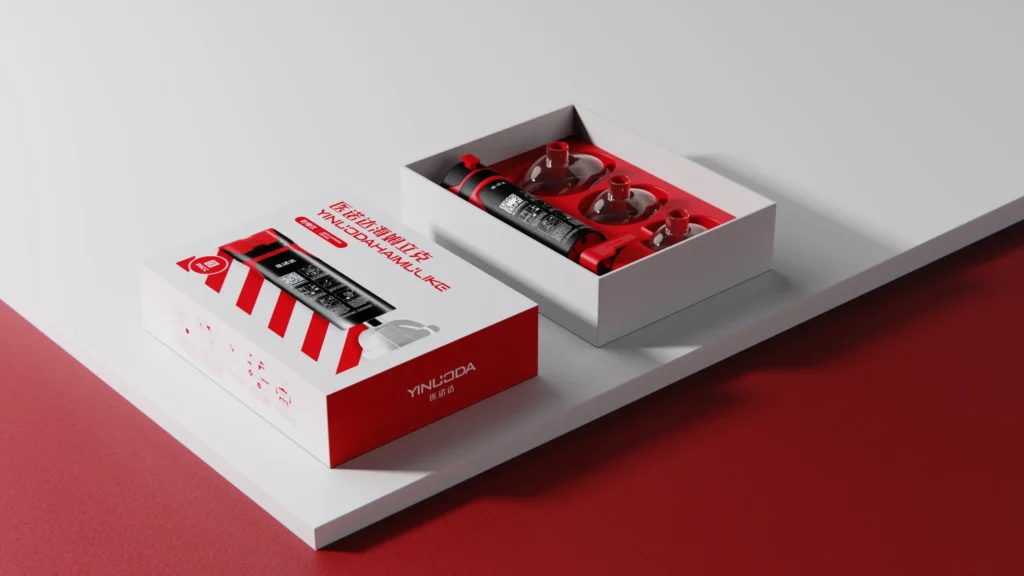
Packaging works the same way. It’s not just a graphic design task. It also touches structure, materials, product safety, shipping, and manufacturing.
OPD’s packaging work blends structure, materials, and visual story with production and shipping in mind.
Some teams weigh brand identity next to physical product work. OPD Design’s brand design services lay out more on its approach and range of work.
Practical Checks for Hardware Product Teams
Before you sign off on a brand-led design, engineering and procurement teams should check a few areas.
Design Review
- Does the visual direction match the product’s spot in the market?
- Will the identity hold up through real materials and finishes?
- Are the key surfaces clearly set?
- Does the product still stand out without leaning only on the logo?
Engineering Review
- Do wall thicknesses fit the build process?
- Are draft angles and seams thought through?
- Are tolerances tied to real function?
- Do the fasteners fit the production volume?
- Have heat and load been checked?
- Have key interfaces been tested?
Manufacturing and Procurement Review
- Was DFM done before tooling started?
- Is the material spec clear?
- Can you hit the finish at full volume?
- Have tooling risks been flagged?
- Can suppliers check key sizes reliably?
- What’s the tooling spend?
- What’s the unit cost at 1,000, 10,000, and 100,000 units?
- What’s the lead time for production?
- Which parts have just one possible source?
NPI Review
- What has to be proven at POC?
- Which engineering risks belong in EVT?
- What needs to be locked before DVT?
- Has PVT proven out assembly and quality checks?
- Are packaging and shipping ready for mass production?
For quality systems, the ISO quality management principles offer a useful base. They cover a steady process, a focus on the customer, cutting risk, and steady improvement.
Choosing the Right Brand and Product Development Partner
Judge a brand design company on more than its visual style. For a physical product, ask if the team gets the path from idea to production. A true brand identity design company should be able to walk you through that whole path, not just the visuals.
Useful questions to ask:
- Can they link brand strategy to product position?
- Do they get industrial and mechanical design?
- Can they test ideas with real prototypes?
- Do they check DFM before tooling?
- Can they support mold work and manufacturing?
- Do they understand NPI stages?
- Can they tie packaging to the physical product?
- Can they work well with engineering and procurement teams?
The right partner depends on your product and project size. But product-focused firms often do better work when brand, industrial design, engineering, and manufacturing all get weighed together.
A strong brand strategy consulting service should hand you real decisions to guide the product. It shouldn’t stop at broad messaging or a mood board.
Conclusion
Brand identity for a growing hardware business isn’t just a visual task. It’s a system that has to work with real products, real materials, real factories, and real customers.
That means brand choices need to link to engineering from day one.
Material choice shapes look and cost. Tolerances shape fit and inspection. Wall thickness and draft shape molding. Fastener choice shapes assembly. Part consolidation shapes tooling and output. Heat design can shape the outer form.
Prototype tests and NPI then show whether the product can actually be built the same way, every time.
For that reason, product teams should treat brand identity as part of the wider product-development process, not a separate track.
OPD Design’s product-first approach brings brand strategy and visual identity together with industrial design and mechanical design. It also spans prototypes, mold work, manufacturing, packaging, and NPI skills.
The goal isn’t just to make a product look different. It’s to build a product that shows its value clearly, and can carry that identity all the way into production.
Have a product branding or development project in mind? Contact us to discuss your requirements and explore the next steps.
FAQs
1. What is brand identity design for a hardware product?
It’s the system that shapes how a physical product shows its brand. This spans visual identity, shape, materials, finishes, packaging, marketing, and other points where a customer meets the product.
2. Why should engineers take part in brand identity choices?
Brand choices can affect materials, case design, tolerances, build steps, tooling, assembly, and cost. Early input from engineers helps stop ideas that are hard, or costly, to build.
3. How do materials shape brand perception?
Materials shape how a product looks and feels. Metal, plastic, glass, and rubber-like parts each leave a different look and feel. But material choice also has to weigh cost, durability, build steps, and finishing needs.
4. When should DFM come into play?
DFM should start during product design, not after the visual design is locked in. Early DFM can catch problems with wall thickness, draft, seams, tolerances, assembly, tooling, and materials.
5. Why do prototypes matter before mold work starts?
Prototypes let teams test shape, fit, comfort, assembly, looks, materials, and other needs before they commit to production tooling. This can cut the risk of costly tooling changes down the road.
6. What should procurement teams check before production?
They should check tooling cost, unit price at target volumes, and lead time. They should also check material specs, what the supplier can handle, how they inspect parts, quality needs, extra process steps, and supply-chain risk.