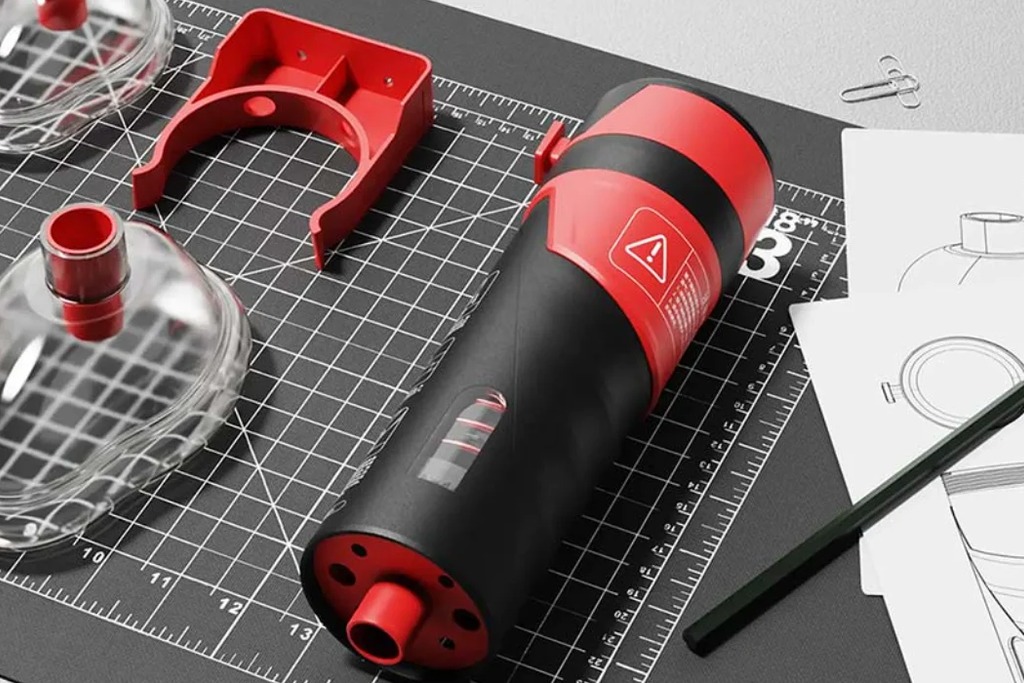

A cosmetic bottle is a product delivery system, a formula container and a brand object at the same time. It must protect the formulation, dispense a controlled amount, remain clean during repeated use, survive distribution and communicate the product’s value on a shelf or screen.
That combination makes cosmetic bottle design and development more complex than choosing an attractive shape. A resin that creates excellent clarity may be incompatible with essential oils. A premium pump may fail to prime with a high-viscosity cream. A sharp shoulder can become difficult to blow-mold consistently. A decorative coating can crack during transport or interfere with recyclability.
These problems are expensive when they appear after the formula, bottle, pump and tooling have already been approved separately. The package must instead be developed as one system around the actual formulation, filling process, user and supply chain.
This guide explains how beauty brands and product teams can select bottle materials, pumps, sealing methods, decoration and tooling—and how to validate the complete cosmetic package before mass production.
Cosmetic Bottle Development at a Glance
| Development area | Main question | Typical output |
|---|---|---|
| Product definition | What formula, dose, user and brand position must the package support? | Packaging requirements brief |
| Material selection | Can the bottle protect the formula under real conditions? | Resin, glass, coating and color specifications |
| Dispensing | What quantity and application experience are required? | Pump, sprayer, dropper or closure specification |
| Sealing | How will the package prevent leakage, evaporation and contamination? | Neck finish, liner, gasket and torque strategy |
| Industrial design | How will the package express the brand and feel in use? | Form, CMF, ergonomics and decoration |
| Engineering | Can the shape be molded, filled and assembled consistently? | Drawings, tolerances and DFM outputs |
| Compatibility | Does the package remain stable with the real formula? | Filled-pack test evidence |
| Tooling | Is a public mold or custom mold appropriate? | Tooling plan and approved samples |
| Production | Can suppliers reproduce the approved result at scale? | Quality limits, inspection and traceability |
The correct package is not the one with the most expensive material or decoration. It is the one that protects the formula, supports the brand and performs consistently throughout its intended life.
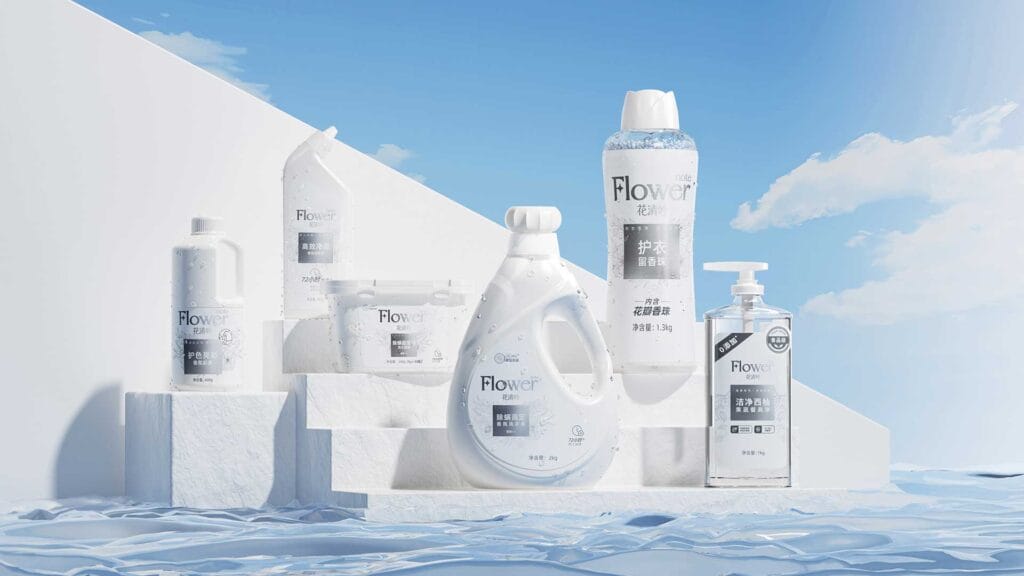
Start With the Formula and Use Case
Cosmetic packaging should be selected around the product it contains. Begin with a packaging brief that defines:
- Product type and formulation family
- Viscosity and flow behavior
- Oils, alcohols, solvents, fragrances and active ingredients
- Sensitivity to light, oxygen or water loss
- Fill volume and headspace
- Target dose per use
- Expected uses and shelf life
- Storage and transport temperatures
- Consumer environment, such as shower, vanity or travel
- Filling line and capping process
- Target price and production volume
- Sales markets and labeling space
- Sustainability and brand requirements
If the final formulation is unavailable, use representative pilot batches and identify uncertainty explicitly. A compatibility test with water or a generic cream cannot prove that the production formula will behave the same way.
Translate Marketing Claims Into Package Requirements
Claims such as “airless,” “travel safe,” “one-dose pump,” “premium glass” or “refillable” need measurable definitions.
Examples include:
- Dispense output per full stroke within a defined tolerance
- No visible leakage after specified transport and orientation tests
- Product evacuation above a defined percentage
- Light transmission below a target range where formula protection requires it
- User-removable refill completed without tools or product contamination
- Decoration remaining acceptable after handling and environmental exposure
The packaging team should confirm that the claim describes what the complete package actually delivers.
Map the Complete User Journey
Review:
- Opening the secondary package
- Removing tamper evidence or a transport lock
- First priming
- Dispensing with wet, oily or product-covered hands
- Application without contaminating the remaining formula
- Closing or locking the package
- Seeing remaining contents
- Using the final product near empty
- Refilling, separating or disposing of components
Small problems in this journey—an actuator that is hard to press, a cap that collects residue or a bottle that tips during use—can dominate the customer’s impression.
Choose the Cosmetic Bottle Material
Material selection affects compatibility, barrier performance, appearance, weight, breakage, decoration, molding and recycling. Generic names such as “PET bottle” or “glass bottle” are not complete specifications. Grade, additives, colorants, recycled content, processing and wall distribution all matter.
PET: Clarity and Broad Packaging Use
Polyethylene terephthalate, or PET, is widely used when brands want transparency, gloss, toughness and relatively low weight.
Potential advantages include:
- High clarity
- Good impact performance compared with glass
- Familiar bottle-manufacturing processes
- Broad color and decoration options
- Established recycling streams in many markets
Design considerations include:
- Formula compatibility
- Required oxygen, moisture and aroma barrier
- Stress at the neck and shoulder
- Wall-thickness distribution
- Heat exposure during filling, storage or decoration
- Pigments, coatings, labels and components that affect recyclability
PET does not automatically suit every oil, solvent or hot-fill condition. Test the exact grade and finished bottle with the actual formula.
PETG: Premium Clarity and Design Flexibility
PETG can offer glass-like clarity and can support thick-wall or visually premium components. It is often considered for beauty packaging where optical depth and complex forms matter.
Trade-offs may include:
- Higher material cost than commodity resins
- Different processing behavior
- Scratch or chemical-resistance considerations
- Compatibility with decoration and assembly processes
- Recycling-stream limitations depending on package design and local systems
Do not select PETG solely because a prototype looks premium. Confirm molding, formula, decoration and sustainability requirements at production scale.
HDPE and LDPE: Chemical Resistance and Squeezability
High-density polyethylene, or HDPE, is commonly used for durable bottles with good chemical resistance. Low-density polyethylene, or LDPE, is softer and useful when controlled squeezing is part of dispensing.
Potential advantages include:
- Good toughness
- Useful resistance to many formulations
- Lightweight construction
- Familiar blow-molding processes
- Squeezable options depending on grade and geometry
Design considerations include:
- Lower clarity than PET or glass
- Surface energy and decoration adhesion
- Paneling or distortion
- Permeation and odor transfer
- Squeeze force and shape recovery
- Color consistency with recycled content
Material softness, bottle wall and geometry should be developed together. A flexible resin can still create an uncomfortable bottle if the cross-section and wall are too stiff.
PP: Useful for Bottles, Closures and Pump Components
Polypropylene, or PP, is used in closures, jars, pump components and some bottles. It can provide useful chemical resistance, fatigue behavior and hinge performance.
Consider:
- Desired stiffness and temperature performance
- Clarity expectations
- Living hinges or snap features
- Shrinkage and warpage
- Stress whitening
- Compatibility with the formula and decoration
- Whether a more mono-material package architecture is possible
One polymer family across bottle, closure and dispenser may improve some sustainability goals, but functional additives, springs, labels and colorants still affect the complete recycling outcome.
Glass: Weight, Barrier and Premium Perception
Glass can provide strong barrier performance, chemical inertness for many formulas and a premium visual and tactile impression.
Its challenges include:
- Weight and transport cost
- Breakage and sharp fragments
- Dimensional variation
- Surface defects and impact sensitivity
- Compatibility with pumps, collars and crimping
- Decoration firing or curing conditions
- Consumer handling in wet environments
Evaluate bottle stability, drop behavior, wall distribution, base thickness and protective secondary packaging. “Premium” should not mean fragile or difficult to use.
Aluminum and Other Barrier Constructions
Aluminum bottles can provide a distinctive appearance and excellent light barrier. The formula normally contacts an internal coating rather than bare metal, so coating compatibility and continuity are critical.
Multi-layer or barrier packages may protect difficult formulas, but they can complicate manufacturing and recycling. Use them when the formula or shelf-life requirement justifies the added structure.
PCR Materials
Post-consumer recycled, or PCR, resin can reduce reliance on virgin material, but it introduces new engineering and supply considerations:
- Color and haze variation
- Odor
- Contamination control
- Mechanical-property variation
- Decoration consistency
- Supply availability
- Traceability and claimed percentage
- Suitability for the intended cosmetic contact and market
Set realistic appearance limits using production-representative samples. A specification built around one unusually clean PCR batch may be impossible to maintain.
Material Selection Requires Formula Compatibility Testing
The package can interact with the formula through:
- Absorption or swelling
- Ingredient loss into the package
- Migration or extraction from packaging components
- Permeation of oxygen, water, alcohol or fragrance
- Stress cracking
- Color or odor change
- Corrosion of metal components
- Coating softening or delamination
- Seal or gasket deformation
- Changes in viscosity or product stability
The US FDA notes that cosmetic adulteration can result from processing, packaging, shipping or handling, and prohibits marketing adulterated or misbranded cosmetics. See the FDA’s overview of authority over cosmetics.
For EU products, the cosmetic safety assessment and product information requirements should be reviewed in the context of Regulation (EC) No 1223/2009 and the latest applicable amendments. See the official EU Cosmetics Regulation.
Regulatory compliance and compatibility are related but not identical. Supplier declarations do not replace filled-pack stability testing.
Build a Compatibility Matrix
Test the final or representative formula against every product-contact component:
- Bottle body and inner layer
- Dip tube
- Pump engine and valve
- Gaskets and liners
- Piston or pouch
- Dropper bulb and pipette
- Coatings and internal lacquers
- Adhesives or inks that could be exposed
Use upright, inverted and horizontal orientations where they represent distribution or consumer use. Evaluate multiple temperatures and relevant light exposure over a justified period.
Define Objective Observations
Record:
- Formula appearance, odor, pH and viscosity as relevant
- Package weight change
- Bottle dimensions and deformation
- Stress cracks, crazing and discoloration
- Seal swelling, shrinkage or hardness
- Pump output, priming and leakage
- Decoration adhesion
- Corrosion or deposits
- Microbiological or preservative concerns handled by qualified formulation teams
Compare against controls in compatible reference containers when appropriate.
Select the Right Cosmetic Dispensing System
The dispenser controls dose, contamination exposure, mess and user perception. Choose it around formulation rheology, desired output, package orientation and application method.
Lotion and Treatment Pumps
Lotion pumps are common for emulsions, lotions, cleansers and liquid skincare. Treatment pumps generally deliver smaller, more controlled doses for serums and concentrated products.
Specify:
- Nominal output per full stroke
- Output tolerance over package life
- Actuation force and stroke
- Number of strokes to prime
- Re-priming after storage
- Maximum supported viscosity
- Dip-tube geometry
- Locking method
- Water-ingress resistance where used in bathrooms
- Metal components and formula contact
- Residual product and evacuation rate
The output printed in a component catalog is a starting point. Actual delivery changes with viscosity, temperature, dip-tube length, bottle venting and user stroke speed.
Dip-Tube Design
A dip tube should reach the product without sealing itself flat against the base. Important details include:
- Tube length and cut angle
- Curvature and memory
- Bottle shoulder and base geometry
- Pump seating depth
- Formula viscosity
- Package use angle
- Production tolerance
A tube that is too short wastes product. One that is too long can curl, block or create inconsistent priming.
Fine-Mist Sprayers
Fine-mist pumps are used for toners, fragrances, facial mists and hair products. Evaluate more than spray appearance.
Define:
- Output per stroke
- Droplet distribution
- Spray angle and pattern
- Distance to target
- Actuation force
- Leakage and cap fit
- Nozzle drying or clogging
- Performance after repeated cycles
- Compatibility with alcohol, oils, suspended ingredients or salts
Test the complete formula. A sprayer that creates an even mist with water may stream or clog with the real product.
Foaming Pumps
Foamers mix liquid with air at dispensing. The formulation, mesh, air path and chamber work together, so a standard pump does not guarantee a desired foam.
Test:
- Foam density and bubble structure
- Dose repeatability
- Recovery between strokes
- Mesh clogging
- Formula separation
- Water exposure and accidental dilution
- Performance near empty
The bottle also needs sufficient headspace and structural behavior for the selected foamer.
Droppers and Pipettes
Droppers can communicate precision and laboratory-inspired skincare positioning. Their real dose, however, depends on bulb recovery, pipette geometry, fill height, viscosity and user technique.
Evaluate:
- Draw volume and dispensed volume
- Drop size
- Graduation accuracy if markings are used
- Wiper or neck interaction
- Bulb and formula compatibility
- Pipette impact resistance
- Contamination from skin contact
- Leakage in horizontal transport
- Accessibility for users with limited dexterity
Avoid precise dosage claims unless testing supports them across the package life and user method.
Airless Bottles
Airless packaging can reduce air exchange and support product evacuation without a conventional dip tube. Common architectures use a rising piston, flexible pouch or bag-in-bottle system.
Potential benefits include:
- Reduced product exposure to ambient air during dispensing
- Operation in more orientations
- Controlled evacuation
- Clean visual presentation
- Support for certain sensitive or high-viscosity formulas
Design considerations include:
- Initial priming
- Piston or pouch friction
- Dead volume
- Container venting
- Leakage across the piston or seal
- Formula trapped in shoulders or corners
- Compatibility of all internal components
- Ability to see remaining product
- Reset or refill claims
- Recycling and component separation
“Airless” does not mean zero oxygen or guaranteed formula stability. Validate the actual oxygen-management, shelf-life and performance requirements.
Caps, Disc Tops and Squeeze Closures
Simple closures can be the best option for cleansers, shampoos, lotions and travel products. Their success depends on orifice, hinge, sealing plug, opening force and bottle squeeze behavior.
Test whether users can open the closure with wet hands, dispense without uncontrolled flow and close it without product fouling the seal.
Match the Pump to the Formula and Brand
Use a structured selection matrix:
| Decision factor | Questions |
| Formula | What are the viscosity, solids, oils, solvents and sensitivity? |
| Dose | Is a full stroke the intended consumer dose? |
| Application | Spray, drop, foam, stream or cream? |
| Environment | Vanity, shower, travel, salon or professional use? |
| Protection | Must air return, contamination or evaporation be reduced? |
| Ergonomics | Can users actuate it comfortably and understand lock states? |
| Appearance | Does the actuator, collar and overcap support the visual language? |
| Manufacturing | Can it run on the selected filling and capping line? |
| Cost | Does the complete dispenser fit the target cost and volume? |
| Sustainability | How many materials and inseparable parts are included? |
Do not approve a pump only by appearance. Fill it, age it, cycle it and ship it with the intended bottle and formula.
Engineer the Neck Finish and Pump Interface
The neck finish is a critical functional interface between bottle and closure. It controls alignment, torque, liner compression, sealing and filling-line compatibility.
Define:
- Thread or snap geometry
- Neck outer and inner diameters
- Sealing land dimensions
- Support ring and transfer features
- Finish height
- Ovality and concentricity
- Flash and parting-line limits
- Closure engagement
- Pump gasket compression
- Filling-nozzle clearance
Use a recognized or supplier-controlled finish when it meets the need. A proprietary finish can create distinctive proportions but requires tighter coordination across bottle, pump, closure and tooling suppliers.
Avoid Dividing Interface Ownership
When one supplier makes the bottle and another makes the pump, each may meet its own drawing while the assembly leaks. Create a package-level interface drawing and define who owns functional approval.
Test worst-case combinations using components from different cavities, production dates and tolerance extremes.
Design the Sealing System
A seal may be created by:
- Liner compression
- Gasket compression
- Plug or bore seal
- Land seal
- Thread interference
- Crimped pump ferrule
- Snap engagement
- Induction or heat seal
- Welded pouch or bag
- Multiple sealing features working together
The correct approach depends on formula, bottle material, opening method, tamper strategy, filling process and transport conditions.
Control Cap and Pump Torque
Torque affects seal compression, thread engagement, opening experience and line efficiency.
If application torque is too low, the package may loosen or leak. If it is too high, the closure can distort, strip, crack or become difficult to open.
Define:
- Application torque window
- Removal torque over time
- Equipment capability
- Lubricity changes from decoration or formula residue
- Temperature effects
- Closure and neck tolerance
Measure torque after filling, conditioning and transport—not only immediately after capping.
Separate Primary Seal and Tamper Evidence
A tamper-evident feature shows whether a package may have been opened. It does not automatically create the primary leak seal.
Options can include:
- Shrink bands
- Breakable rings
- Tear strips
- Induction seals
- Labels or seals across interfaces
- Carton structures
Confirm whether specific products or markets have mandatory tamper-resistant packaging requirements. In the United States, certain cosmetic product categories are subject to particular tamper-resistant packaging rules; scope should be reviewed with regulatory specialists and current FDA guidance.
Account for Pressure and Temperature
Air and formula expand and contract during shipping and storage. Low pressure during air transport, high temperature, freezing and altitude can challenge the seal.
Evaluate:
- Headspace
- Bottle panel stiffness
- Pump venting
- Formula gas generation
- Seal compression after thermal cycling
- Inverted storage
- Air transport or simulated pressure changes
A package that remains upright at room temperature in the office is not yet travel safe.
Test Leakage as a System
Leak testing can include:
- Visual filled-pack storage
- Inverted and horizontal orientation
- Vacuum or altitude simulation
- Pressure or chamber testing
- Dye or tracer methods
- Thermal cycling
- Vibration and drop followed by leak inspection
- Closure torque retention
- Long-term accelerated and real-time aging
Choose methods that reflect the package and failure mode. An empty-container pressure test can identify molding defects but may not reproduce formula attack on a gasket.
Define acceptance carefully. “No leakage” should specify inspection method, conditioning, duration and allowable residue around the orifice.
Develop the Bottle Form Around Manufacturing
Industrial design should create brand recognition while respecting the selected process.
Shape and Proportion
Consider:
- Shelf and e-commerce image recognition
- Stability and center of gravity
- Grip and actuation
- Label or decoration area
- Fill-volume perception
- Product evacuation
- Case packing and pallet efficiency
- Pump and cap proportion
- Family design across sizes
A bottle that appears larger for marketing reasons may use unnecessary material, ship inefficiently or mislead users about content volume. Balance shelf presence with regulatory, sustainability and logistics goals.
Wall Distribution and Geometry
Blow-molded bottles need realistic transitions. Extremely sharp corners, abrupt section changes, deep recesses and uneven stretch can create thin areas, distortion or inconsistent surface quality.
Engineering reviews should address:
- Minimum radii
- Draw or stretch behavior
- Handle or grip features
- Base stability
- Shoulder transition
- Label panel flatness
- Mold release
- Trim or gate location
- Expected shrinkage and warpage
Use process simulation where valuable, then confirm with molded trials.
Ergonomics and Accessibility
Test the package with representative hand sizes and realistic product residue.
Evaluate:
- Grip security
- One-handed operation
- Actuation force
- Cap removal
- Text and dose visibility
- Stable use on a wet counter
- Ability to distinguish open, locked and closed states
- Use by people with reduced grip strength or vision
Premium packaging should not require excessive force or perfect dexterity.
Plan Color, Material and Finish
CMF turns the bottle architecture into a brand experience. Common techniques include:
- Resin color and masterbatch
- Frosting or matte texture
- Spray coating
- Vacuum metallization
- Electroplating on suitable components
- Silk-screen printing
- Pad printing
- Hot stamping
- Heat-transfer decoration
- Pressure-sensitive or shrink labels
- In-mold decoration for selected processes
Each process has limits involving geometry, adhesion, color, registration, cure, environmental resistance, cost and recyclability.
Develop a Measurable Appearance Standard
Digital renderings cannot define production quality. Create approved physical standards covering:
- Color under specified lighting
- Gloss or matte level
- Transparency and haze
- Metallic appearance
- Texture
- Print location and registration
- Logo sharpness
- Allowed dust, pinholes, flow marks and scratches
- Match between bottle, pump, cap and carton
Use golden samples and boundary samples so suppliers and inspectors share the same acceptance criteria.
Test Decoration Durability
Evaluate exposure to:
- Formula residue
- Water and humidity
- Oils and sunscreen
- Alcohol or cleaning agents
- Hand friction
- Adhesive tape or abrasion
- Temperature cycling
- UV or retail lighting where relevant
- Carton and divider contact during transport
A coating may pass initial visual inspection but soften after formula exposure or rub against the secondary package in transit.
Design Labels and Regulatory Information Early
The bottle and carton need sufficient controlled area for required identity, net contents, ingredient information, warnings, responsible-party details, batch coding and market-specific language as applicable.
The FDA’s Cosmetics Labeling Guide explains US cosmetic labeling frameworks, including the FD&C Act and Fair Packaging and Labeling Act. Claims, product category and sales market can change requirements, so label review should be completed by qualified regulatory teams.
Do not finalize the smallest bottle face before confirming actual copy, font-size and coding requirements. Late label changes can damage visual hierarchy or force a larger carton.
Reserve Traceability and Coding Space
Plan where batch, date or other production codes will be applied and verified. The surface must be accessible on the filling line, readable and resistant to normal handling.
Decoration suppliers, fillers and brand teams should agree on who owns code contrast, placement and inspection.
Design for Recyclability and Reduced Material
Sustainability is a system property. A recyclable bottle can become difficult to recycle when combined with incompatible labels, pigments, coatings, adhesives or pump components.
The Association of Plastic Recyclers emphasizes that every packaging feature should be assessed and that real recycling behavior should not assume consumers disassemble or wash packages beyond normal use. See the APR Design Guide for PET rigid packaging.
Consider:
- Reducing bottle and closure weight without losing performance
- Using compatible materials where practical
- Minimizing inseparable metal or decorative components
- Selecting labels, inks and adhesives for the intended recycling stream
- Making refill systems intuitive and hygienic
- Improving product evacuation to reduce formula waste
- Avoiding unnecessary double walls and oversized caps
- Designing secondary packaging around actual protection needs
- Validating recycled-content material at scale
Understand Current EU Packaging Requirements
The EU Packaging and Packaging Waste Regulation, or PPWR, entered into force on 11 February 2025 and began to apply generally from 12 August 2026, with provisions introduced on a phased basis. The European Commission describes objectives including recyclability, recycled content, reduced unnecessary packaging and increased reuse. See the Commission’s packaging waste overview.
Product teams should confirm which current and future provisions apply to their packaging, company and market. A package entering development now may remain on sale across several implementation milestones.
Refillability Needs Its Own System
A refillable package should define:
- Which part is retained
- How the refill is installed
- Whether users contact the formula
- How contamination and leakage are controlled
- Whether the pump is reused and for how many cycles
- How the retained package is cleaned
- Material and carbon impacts of the refill plus outer shell
- How end-of-life separation works
A heavy permanent shell and complex refill may look sustainable without producing the expected benefit. Compare realistic use cycles and consumer behavior.
Choose Between Public Molds and Custom Tooling
One of the earliest commercial decisions is whether to use an existing package platform or create a custom bottle.
Public or Stock Molds
Existing molds can offer:
- Lower upfront tooling investment
- Faster sampling and launch
- Established manufacturing processes
- Access to matching pumps and closures
- Lower risk for early market testing
Limitations can include:
- Reduced differentiation
- Restricted dimensions and neck finishes
- Competitors using similar forms
- Limited ownership or exclusivity
- Dependence on the mold owner’s supply terms
- Unclear long-term mold availability
Differentiation may still come from color, decoration, labels, overcaps, secondary packaging and brand system.
Custom Cosmetic Bottle Tooling
Custom molds can support proprietary proportions, ergonomic features, a branded silhouette and optimized material distribution.
They also require:
- Higher non-recurring investment
- Longer development time
- Engineering drawings and DFM
- Tool trials and modification cycles
- Mold maintenance and ownership agreements
- Higher minimum volumes in some cases
- Coordination with custom closures or pumps
Use custom tooling when the shape or function creates enough brand or user value to justify the investment.
Select the Manufacturing Process
The process depends on material, geometry, wall, volume and quality requirements.
Extrusion Blow Molding
Commonly used for PE and other suitable bottle materials, extrusion blow molding can create squeezable containers and integrated shapes. Design must account for pinch-off, parison control, trimming, wall distribution and parting lines.
Injection Stretch Blow Molding
Often used for PET bottles, this process forms a preform and stretches it into the final bottle. Preform design, stretch ratio, heating and bottle geometry affect wall distribution and performance.
Injection Blow Molding
Injection blow molding can offer controlled neck dimensions and good surface quality for suitable smaller containers and materials. Tooling and geometry should be reviewed with the selected molder.
Injection Molding
Caps, collars, pump actuators, jars, double-wall components and many accessories are injection-molded. Draft, ribs, gates, sink, weld lines, ejection and cosmetic surfaces must be managed.
Glass Forming
Custom glass bottles require specialized mold design and process allowances. Expect different dimensional tolerances and surface characteristics from injection-molded plastics. Match pump and collar interfaces to real glass capability.
Plan the Tooling System, Not Only the Bottle Mold
A custom package may require separate tools for:
- Bottle or preform
- Cap or overcap
- Collar and actuator
- Inner cup or liner
- Decorative shell
- Refill cartridge
- Assembly fixtures
- Leak and functional test fixtures
- Decoration holding fixtures
Track ownership, location, cavity count, tool steel, expected life, maintenance, modification responsibility and approved product drawings.
Pilot Tooling vs Production Tooling
Pilot or single-cavity tools can generate samples and reduce early investment. Production tools may use multiple cavities and more automated systems for output and consistency.
Do not assume a result from a pilot tool transfers perfectly. Cavity balance, cooling, gate design, cycle time and process window can change quality. Validate production-tool samples before final approval.
Tooling Approval Stages
A practical sequence can include:
- DFM and mold-flow or process review
- Tool design approval
- First tool trial
- Dimensional and cosmetic inspection
- Assembly and leak testing
- Formula compatibility and functional tests
- Tool modification
- Repeat sample approval
- Multi-cavity comparison
- Production qualification
Do not approve tooling from photographs. Measure critical dimensions and test the package system.
Develop Cosmetic Packaging Prototypes
Different prototypes answer different questions.
Visual Models
Rendered images and appearance models evaluate form, scale, transparency, color and shelf presence. They do not prove leakage or formula compatibility.
3D-Printed Models
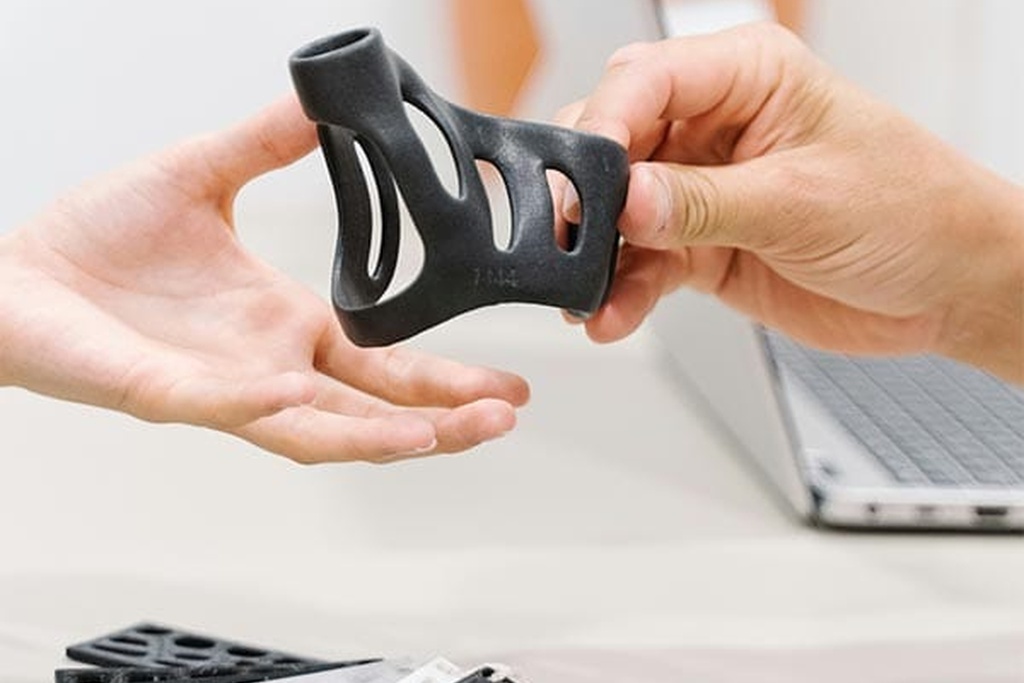
Printed models can evaluate grip, cap proportions and assembly concepts. Printed resin may differ significantly from molded material in friction, chemical resistance, clarity and strength.
Machined or Soft-Tool Samples
These can support early engineering evaluation, but process-dependent characteristics such as wall distribution and parting lines may not match production.
Molded Engineering Samples
Production-intent samples are needed for reliable assembly, leak, torque, decoration, transport and filled-pack testing.
Define which decisions each sample can support and avoid making production claims from an unsuitable prototype.
Test the Complete Cosmetic Package
A validation plan should connect requirements and failure risks to objective evidence.
| Test area | Example evaluations |
| Formula compatibility | Appearance, odor, viscosity, package attack, weight change and migration risk |
| Pump function | Priming, dose, actuation force, clogging, cycle life and near-empty performance |
| Leakage | Upright, inverted, horizontal, vacuum, temperature cycling and transport |
| Closure | Application torque, removal torque, thread damage and lock function |
| Mechanical | Drop, impact, compression, bottle stability and glass protection |
| Environment | High and low temperature, humidity, light and freeze-thaw where relevant |
| Decoration | Adhesion, abrasion, formula, water, oils, alcohol and UV exposure |
| User experience | Opening, priming, dispensing, grip, residue and end-of-use evacuation |
| Filling line | Fill accuracy, foaming, nozzle clearance, capping and code application |
| Transport | Vibration, shock, case compression, e-commerce parcel and pallet conditions |
| Production | Dimensions, cavity variation, leak screening, appearance and traceability |
Develop the Bottle, Pump and Formula as One System
Reliable cosmetic packaging development depends on five connected decisions:
- Select materials around the actual formula and use conditions.
- Match the pump or closure to viscosity, dose and user behavior.
- Engineer the neck and sealing system across supplier tolerances.
- Design the bottle and decoration for the intended manufacturing process.
- Validate filled, decorated, production-intent packages before mass production.
When these decisions are made together, the package is more likely to protect the formula, reduce leakage, deliver a satisfying user experience and maintain consistent brand quality at scale.
OPD Beauty Lab provides one-stop cosmetic bottle and beauty packaging development services, including product strategy, bottle industrial design, material and pump selection, structural engineering, branding, outer packaging, prototyping, mold development, supplier coordination and mass production support.
Explore OPD’s beauty product design and development services to discuss a custom cosmetic bottle, skincare package or complete beauty packaging system.