
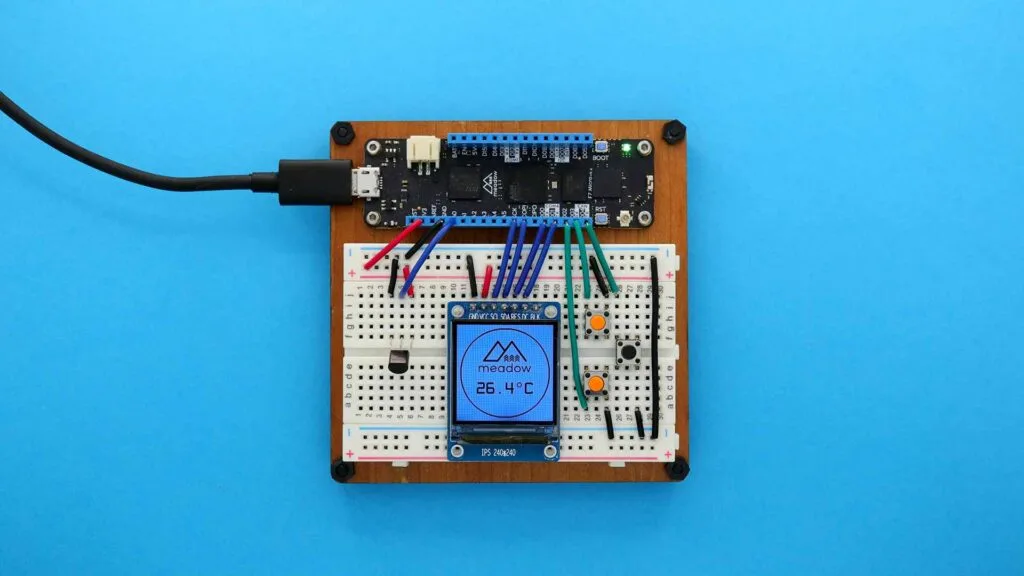
Hardware prototyping is a critical step in transforming innovative ideas into tangible and market-ready products. It allows businesses to test concepts, refine functionality, and ensure performance before moving into full-scale production.
By leveraging hardware prototyping, companies can significantly reduce development risks while improving product quality and efficiency.
A hardware design company plays a central role in guiding this journey from concept to completion. With expertise in engineering, design, and manufacturing processes, these companies help turn ideas into reliable and scalable hardware solutions. As technology continues to evolve, businesses increasingly rely on structured design approaches to stay competitive and deliver high-performing products. This structured approach ensures consistency, innovation, and long-term product success in competitive markets.
Understanding the Role of a Hardware Design Company
A hardware design company provides comprehensive solutions that cover every stage of product development. From initial concept creation to final production support, these companies ensure that each step is executed with precision and technical expertise. Their goal is to bridge the gap between innovative ideas and functional products while maintaining efficiency and quality.
These companies bring together multidisciplinary teams of engineers, designers, and developers who collaborate to create efficient and reliable hardware systems. Their structured approach ensures that products meet industry standards while also aligning with user expectations and evolving market demands.
Core Services Offered
- Concept development and feasibility analysis
- Circuit design and PCB layout
- Embedded systems development
- Testing and validation support
- Design optimization for performance and scalability
By offering these services, hardware design companies help businesses streamline their development processes, reduce uncertainty, and achieve faster time to market with improved outcomes.
Importance of Hardware Prototyping in Product Development
Hardware prototyping is one of the most important stages in the product development lifecycle. It allows businesses to create working models of their products, enabling them to test functionality, identify potential issues, and make necessary improvements before final production.
Prototyping provides a clear understanding of how a product will perform in real-world conditions. This process helps eliminate uncertainties and ensures that the final product meets performance expectations while also aligning with user needs and technical specifications.
Key Benefits of Prototyping
- Early detection of design flaws
- Improved product performance and usability
- Faster iteration and development cycles
- Better communication among stakeholders
- Increased confidence in design decisions
Additionally, prototyping supports innovation by allowing teams to experiment with different ideas and refine them efficiently without impacting the final production timeline.
From Concept to Design Implementation
The journey from concept to design implementation begins with a clear understanding of user requirements and technical feasibility. This stage involves translating ideas into structured design plans that guide the development process in a systematic manner.
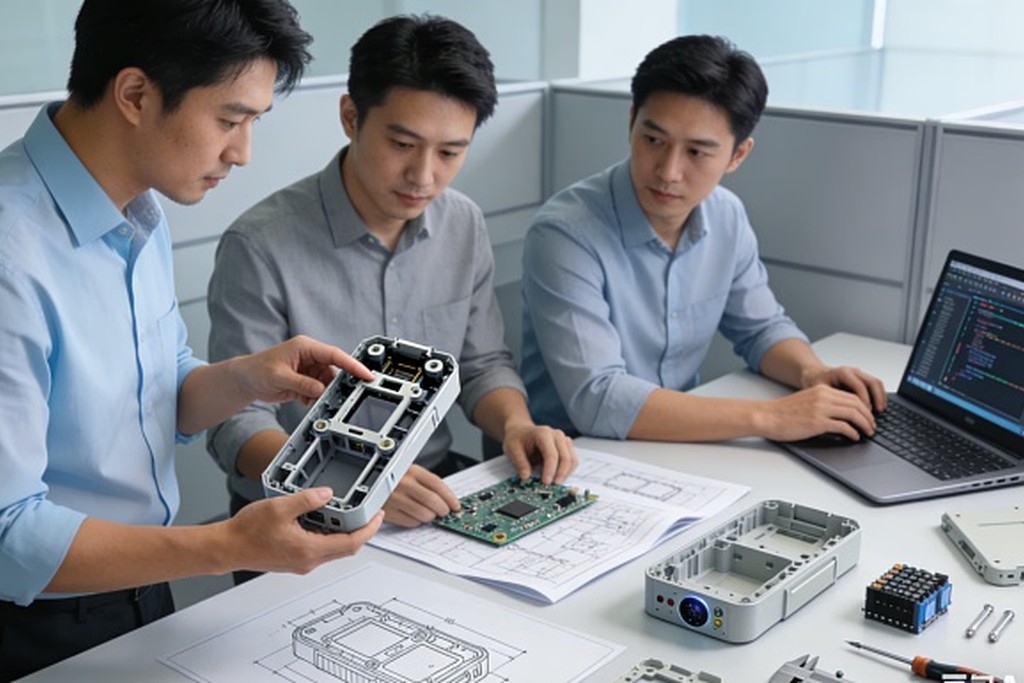
Engineers and designers work together to create system architectures, select appropriate components, and develop detailed schematics. This collaborative approach ensures that the design is both functional and efficient while also being scalable for future improvements.
Steps in Design Implementation
- Requirement analysis and planning
- System architecture development
- Component selection and sourcing
- Simulation and design validation
- Documentation for development clarity
A well-defined design process reduces errors, improves efficiency, and ensures that the product is ready for the next stages of development with minimal revisions.
Engineering and Development Process
Engineering is at the core of hardware product development. It involves transforming design concepts into functional systems through careful planning, technical expertise, and continuous refinement. This stage includes circuit design, firmware development, and system integration.
A structured engineering process ensures that all components work together seamlessly. It also helps in optimizing performance, improving efficiency, and ensuring long-term reliability in different operating environments.
Key Engineering Activities
- PCB design and layout optimization
- Firmware and software integration
- Hardware and software synchronization
- Performance testing and refinement
- Continuous improvement and iteration
By focusing on these activities, hardware design companies ensure that products meet high standards of quality, durability, and performance while remaining adaptable to future upgrades.
Testing and Validation for Quality Assurance
Testing and validation are essential to ensure that the product performs reliably under various conditions. This stage involves rigorous testing procedures to identify and resolve any issues before production begins.
Validation ensures that the product meets regulatory standards and functions as intended. It also builds confidence in the product’s durability, efficiency, and long-term usability across different applications.
Types of Testing
- Functional testing to verify performance
- Environmental testing for durability
- Compliance testing for regulatory standards
- User testing for real-world feedback
- Stress testing for performance limits
Thorough testing reduces the risk of failures, improves product quality, and ensures a smooth transition to manufacturing with consistent results.
Role of IoT in Modern Hardware Design
The integration of IoT has transformed the way hardware products are designed and used. IoT enables devices to connect, communicate, and share data, creating smarter and more efficient systems that respond to user needs in real time.
Businesses are increasingly adopting iot hardware design to develop connected products that offer enhanced functionality and improved user experiences. This integration allows for better monitoring, automation, and data-driven decision-making across industries.
Advantages of IoT Integration
- Real-time data collection and analysis
- Improved operational efficiency
- Enhanced user experience and engagement
- Remote monitoring and control
- Scalable and flexible system design
IoT continues to drive innovation in hardware design, enabling businesses to create intelligent solutions that adapt to changing requirements and technological advancements.
Preparing for Manufacturing and Production
Once the prototype is finalized and validated, the next step is preparing for manufacturing. This stage involves optimizing the design for production and ensuring that it can be manufactured efficiently at scale without compromising quality.
A well-prepared production strategy ensures consistent performance, cost efficiency, and scalability. It also helps in minimizing delays and ensuring timely delivery of products to the market.
Production Readiness Checklist
- Design for manufacturability
- Supply chain and component sourcing
- Cost optimization strategies
- Quality assurance processes
- Production planning and scalability
Proper planning at this stage ensures a seamless transition from prototype to mass production while maintaining consistency and reliability.
Benefits of Choosing Professional Hardware Design Services
Working with a professional hardware design company offers several advantages. These companies bring expertise, advanced tools, and proven methodologies that enhance the overall development process and ensure successful outcomes.
They help businesses reduce risks, improve efficiency, and achieve better results by applying structured workflows and industry best practices.
Key Advantages
- Access to specialized expertise and tools
- Faster and more efficient development cycles
- Reduced design and production risks
- High-quality and reliable product outcomes
- Scalable and future-ready solutions
These benefits make professional hardware design services an essential part of modern product development strategies.
Future Trends in Hardware Design and Prototyping
The field of hardware design is constantly evolving with new technologies and innovations. Emerging trends are shaping how products are designed, developed, and manufactured in a rapidly changing technological landscape.
Companies that adopt these trends can stay ahead of the competition and deliver innovative solutions that meet evolving user expectations.
Emerging Trends
- AI-driven design and automation
- Miniaturization of hardware components
- Increased adoption of IoT technologies
- Focus on sustainable and energy-efficient designs
- Integration of smart and connected systems
Staying updated with these trends helps businesses create advanced, efficient, and future-ready products that stand out in competitive markets.
Conclusion
A hardware design company plays a crucial role in transforming ideas into successful products through a structured and efficient development process. From concept creation to production, each stage is carefully managed to ensure quality, performance, and scalability.
By leveraging hardware prototyping and advanced design methodologies, businesses can bring innovative products to market with confidence. To take the next step in your product development journey, explore professional solutions through contact us and connect with experts who can guide your project effectively.
These processes not only improve product reliability but also enhance overall development efficiency. As industries continue to evolve, adopting modern hardware design practices becomes essential for staying competitive. Whether it is integrating IoT capabilities or optimizing designs for manufacturing, a strategic approach ensures long-term success and continuous innovation.
FAQs
1. What is hardware prototyping?
Hardware prototyping is the process of creating a physical or functional model of a product to test its design, performance, and usability before final production. It helps validate ideas and improve product quality.
2. Why is hardware prototyping important in product development?
Hardware prototyping allows businesses to identify design issues early, test functionality, and make improvements. This reduces risks, saves costs, and ensures a smoother transition to manufacturing.
3. What does a hardware design company do?
A hardware design company provides end-to-end services including concept development, circuit design, embedded systems, hardware prototyping, testing, and production support to bring products to market efficiently.
4. How does IoT hardware design improve modern products?
IoT hardware design enables devices to connect and communicate through the internet. This enhances product functionality, allows real-time monitoring, and improves user experience with smart features.
5. What industries benefit from hardware design services?
Industries such as consumer electronics, healthcare, automotive, industrial automation, and smart devices benefit from hardware design and prototyping services.