

How the Right Hardware Design Company Speeds Up Product Innovation
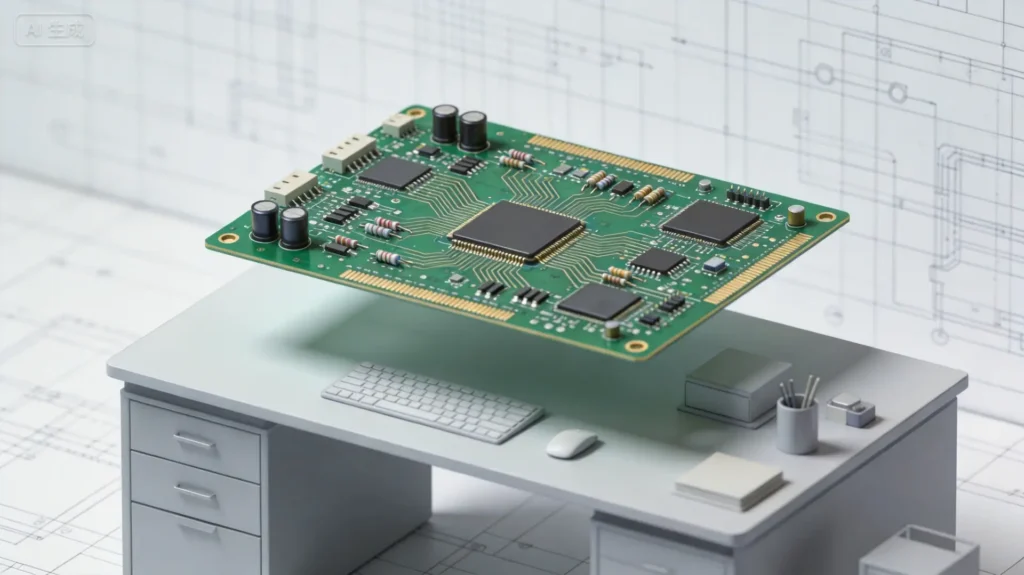
A good hardware design company can turn an early idea into a working device. But hardware design isn’t just about picking chips or drawing a circuit.
How Mechanical Engineering Services Improve Product Performance and Ease of Production

A good mechanical design partner can change how a product works, how long it lasts, and how easy it is to build.
A Complete Guide to Injection Mold Design for New Product Development
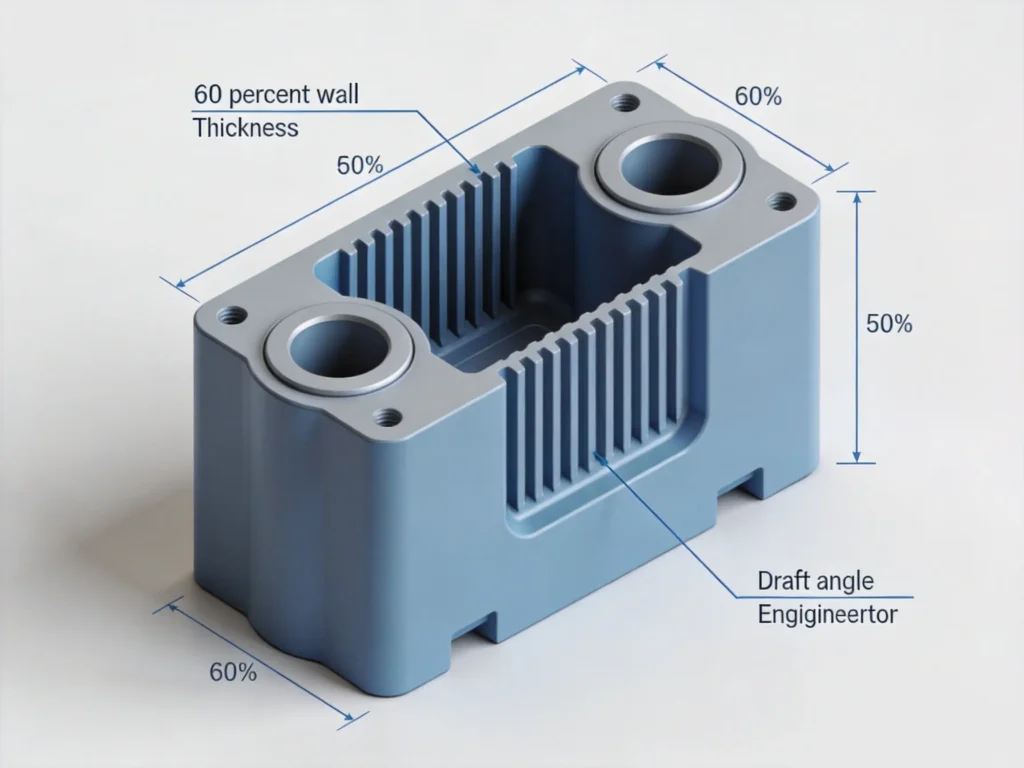
Turning a product idea into a plastic part takes more than a good CAD file. It takes careful injection mold design. A well-planned mold shapes the part. It also controls how plastic flows, and helps the part release cleanly. Get it right, and you save weeks of rework. Get it wrong, and you’re looking at […]
Product Reliability Testing: How to Validate Hardware Before Mass Production
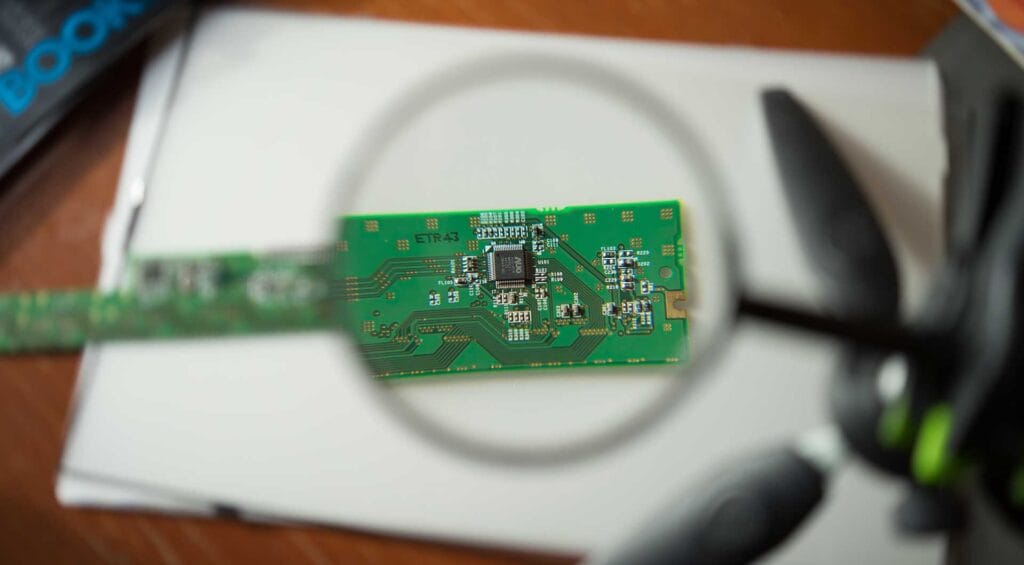
A prototype can work perfectly during a demonstration and still fail in customers’ hands. The difference is often time, variation, and environment. A customer may press the same button thousands of times, leave the product in a hot car, clean it with alcohol, or drop it onto a hard floor. Meanwhile, production introduces variation in […]
Anti-Choking Device Design Case Study: Designing for Emergency Use
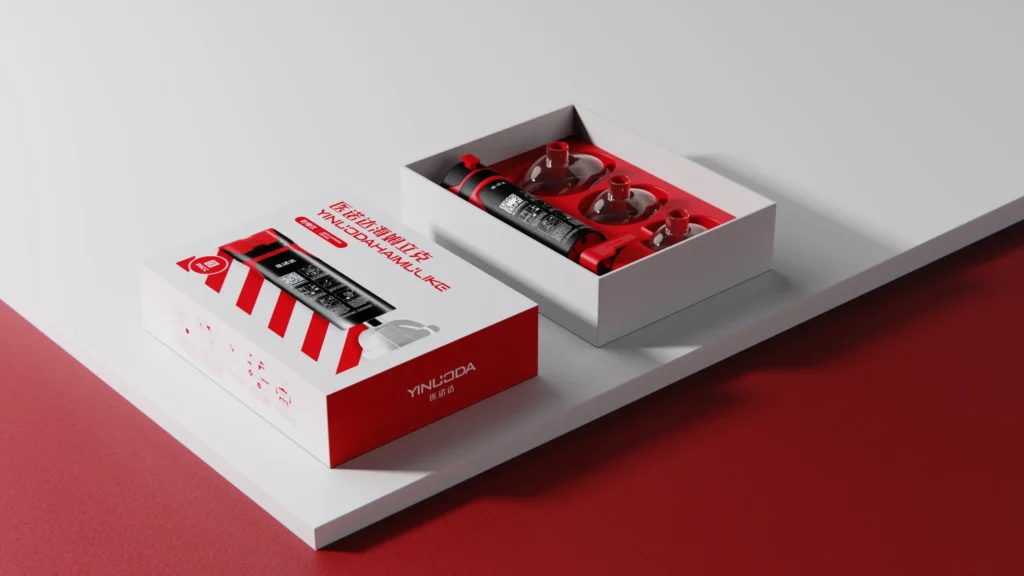
Someone is choking. The clock is ticking. The person trying to help is terrified. That’s the reality an anti-choking device has to work in — not a lab, not a demo, but a panicked kitchen at 2 a.m. OPD Design tackled this problem head-on. The result: a pure mechanical, zero-electronics device built for one job […]
Prototype to Mass Production Timeline: How Long Does Hardware Development Take?
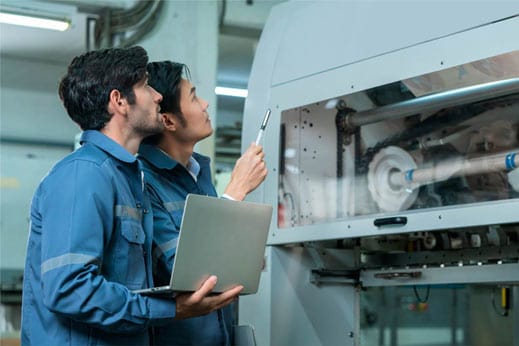
A working prototype can make a product feel almost finished. The enclosure exists, the electronics turn on, the main feature works, and the team can finally demonstrate the idea. But a prototype is not yet a repeatable manufacturing system. Moving from one successful unit to hundreds or thousands of consistent products requires engineering validation, design […]
How AI Is Changing Industrial Product Design and Product Development
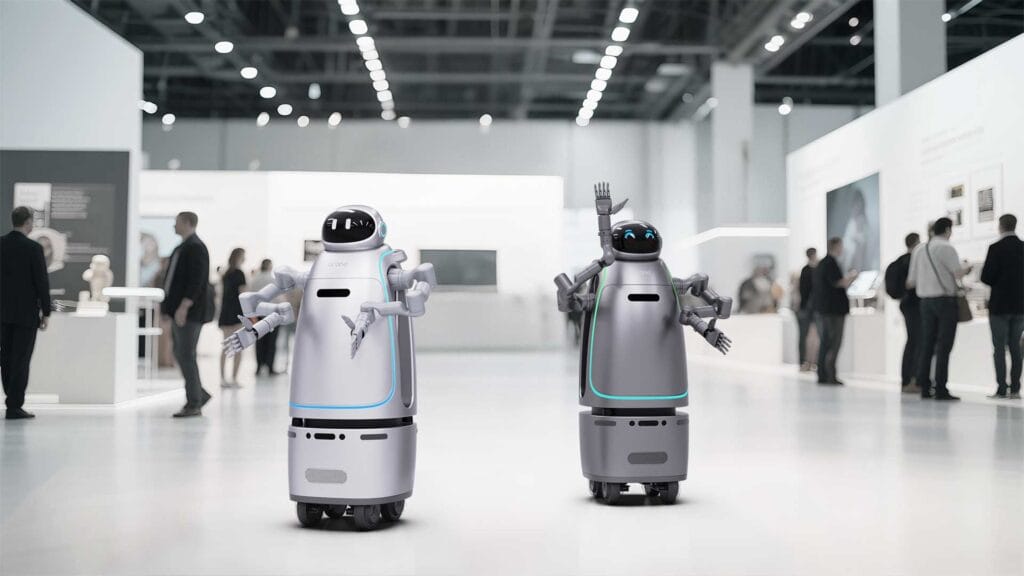
Industrial design Company in China now use AI at almost each stage of product work — studying user needs, sketching design ideas, reviewing test data, and planning plant work.
Why Cheap Prototypes Often Lead to Expensive Tooling Problems
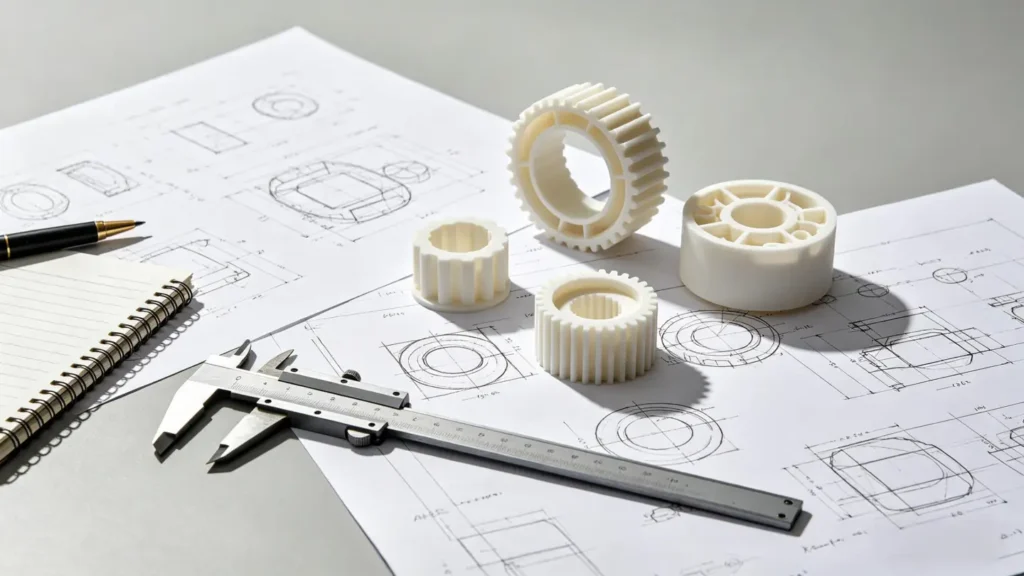
A prototype that costs less is not automatically a bad prototype. A cardboard model, foam mockup, or basic 3D print may be exactly the right tool for answering an early design question. The problem begins when a low-cost prototype is treated as proof of production readiness. A polished model may confirm the product’s overall size […]
Prototype to Mass Production in China: A Step-by-Step Guide
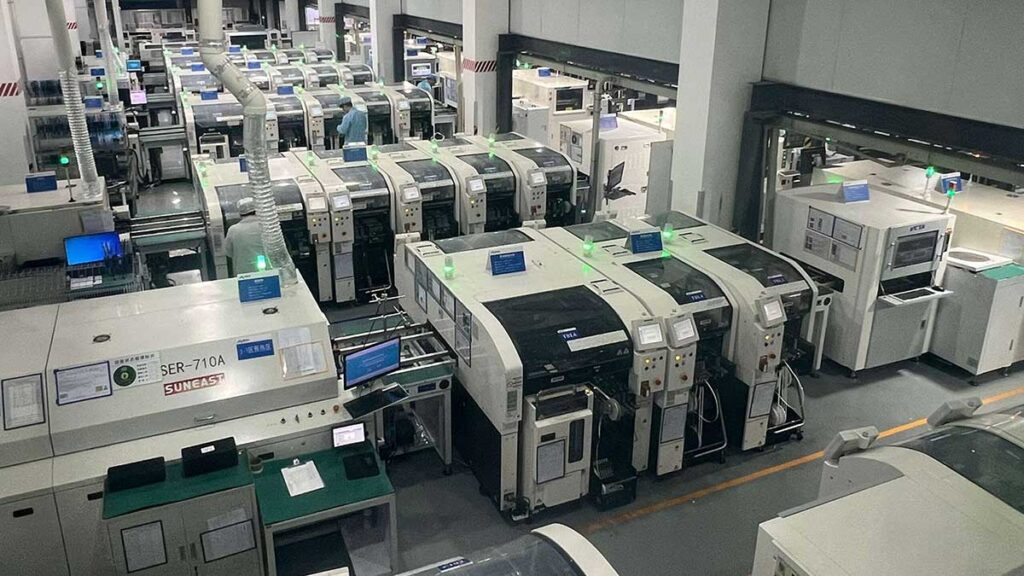
Building one convincing prototype is not the same as manufacturing 1,000 or 10,000 consistent products. A prototype may prove that an idea works. Mass production must prove that the same product can be manufactured repeatedly, at the required quality, cost, and delivery schedule. The transition between these two points is where many hardware projects encounter […]
How to Protect Your IP When Developing and Manufacturing Products in China

China offers one of the world’s deepest ecosystems for product engineering, prototyping, tooling, electronics, and mass production. For hardware startups and established brands, that concentration of capabilities can shorten development cycles and make complex products commercially viable. However, developing a product requires sharing valuable information: sketches, CAD files, circuit designs, firmware, bills of materials, test […]