

How to Test a Smart Pet Product Prototype with Pets and Owners

A smart pet product can pass every laboratory test and still fail in a real home. A cat may avoid a feeder because of its motor sound. A dog may rotate a tracker until the antenna faces the wrong direction. An owner may misunderstand a warning, reinstall a cleaned part incorrectly or assume that a […]
How to Develop a Smart Pet Product: From Concept to Mass Production

The smart pet product market is expanding far beyond automatic feeders and GPS collars. Connected cameras can recognize behavior, wearable sensors can track activity and temperature, litter boxes can record usage patterns, and interactive devices can provide remote companionship when owners are away. However, turning a pet tech idea into a reliable commercial product is […]
Medical Device Design Controls Explained: From User Needs to Design Transfer
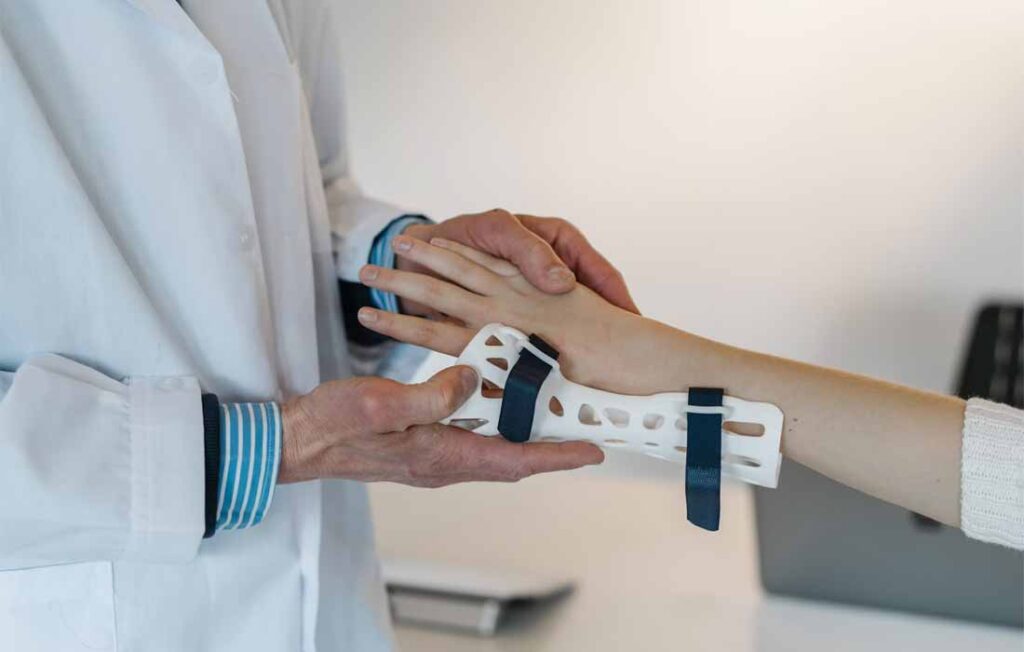
A medical device can solve the right clinical problem and still fail in development. User needs may be too vague to test, engineering teams may interpret the same requirement differently, prototypes may not represent production units, or essential knowledge may be lost when the design is transferred to a manufacturer. Medical device design controls are […]
Designing Home-Use Medical Devices: Safety, Usability and Patient Trust
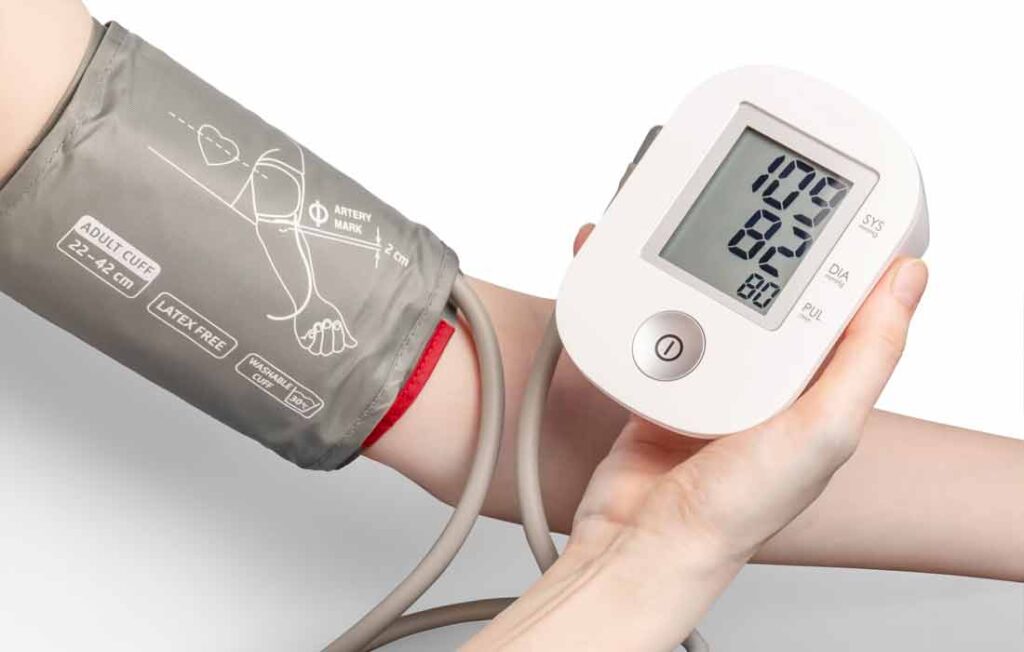
Moving a medical device from a clinic into the home changes more than its location. It changes who operates the product, what support is available, how the device is cleaned and stored, and how quickly a mistake can be detected. In a professional healthcare facility, trained staff work within established procedures and have access to […]
Human Factors Engineering for Medical Devices: How to Reduce Use-Related Risk
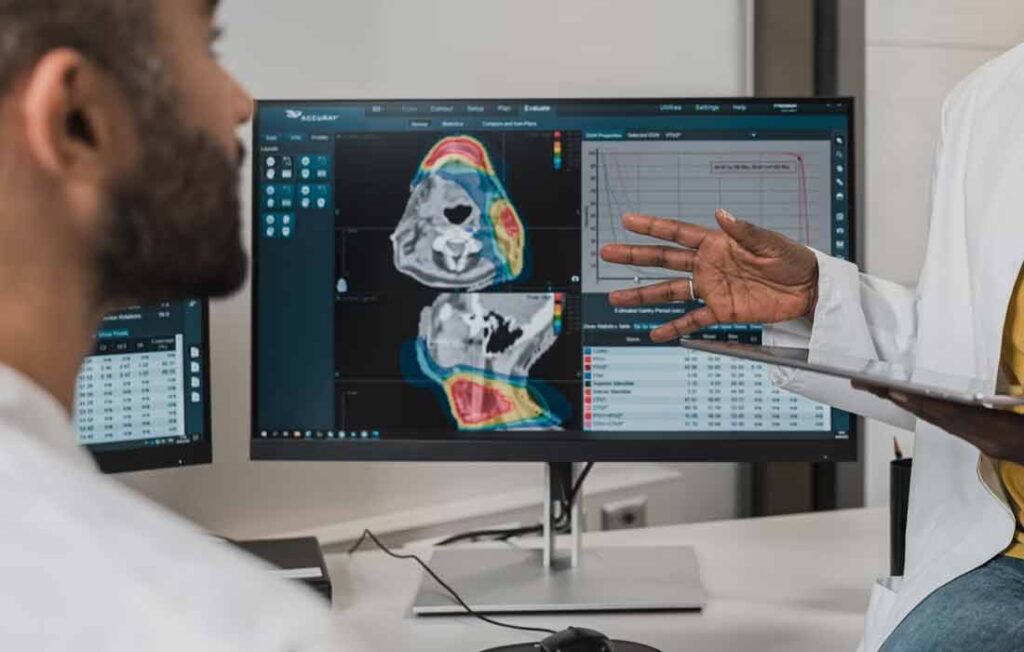
A medical device can meet its electrical, mechanical and software specifications and still be unsafe in actual use. A clinician may misread a value, a patient may connect a component incorrectly, or a caregiver may miss a warning during a stressful situation. These events are often described casually as “user error.” That description can hide […]
How to Test a Children’s Product Prototype with Kids and Parents

A children’s product prototype can work perfectly in a design studio and still fail when placed in front of a child. The grip may be too large, the controls may not communicate their purpose, the feedback may arrive too slowly, or the child may use the product in a completely unexpected way. Parents reveal a […]
Smart Educational Toy Development: Hardware, Software, Safety and Privacy
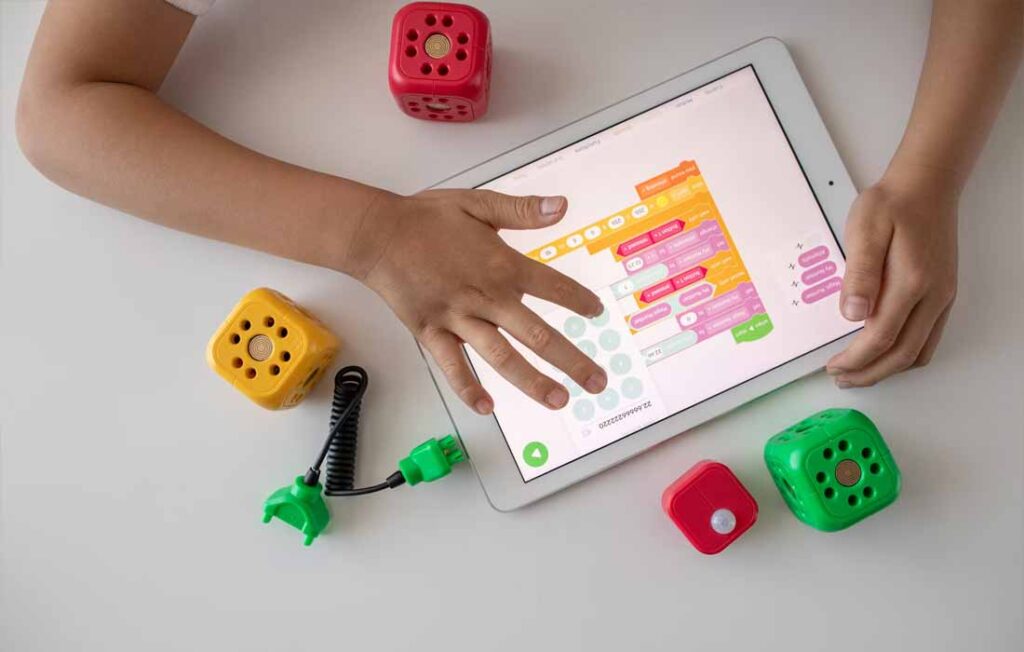
A smart educational toy is not simply a conventional toy with a circuit board, speaker or mobile app added to it. It is a connected product system in which physical interaction, electronic hardware, firmware, software, educational content and data policies must work together. When these layers are developed separately, the result may look impressive in […]
How to Design Products for Different Age Groups: 0–3, 3–6 and 6–12

A product designed for a two-year-old should not simply be a smaller version of one designed for an eight-year-old. Children’s physical abilities, communication skills, attention spans and ways of learning change rapidly. A control that feels obvious to a school-age child may be confusing to a preschooler, while a component that is acceptable for an […]
What Types of Projects Does a Manufacturing Consulting Company Handle
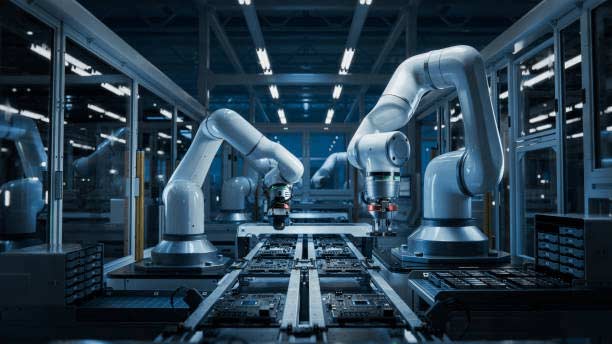
Running a plant is hard work. Machines break down. Orders pile up. Costs creep higher every quarter. So at some point, most manufacturers ask the same question: should we bring in outside help?
How to Choose the Right Rapid Prototyping Service for Your Product

Choosing a rapid prototyping service sounds easy. You send a CAD file. You get a part back. But this choice matters more than it looks. Here’s why. A prototype can look fine on the outside and still hide real flaws. The walls might be too thin. The draft angle might be missing. The tolerance might […]