
A good hardware design company can turn an early idea into a working device. But hardware design isn’t just about picking chips or drawing a circuit. It also has to support power use, testing, and reliability. And on top of that, it has to work in real production, not just on a lab bench.
That’s why the right partner also links hardware with prototyping, software, and mechanical design. These pieces need to move together from day one.
Why Hardware Design Shapes Product Innovation
A great idea alone isn’t enough, because the product still has to work in the real world, on a real budget, with real parts.
Hardware design turns product goals into an electronic system. In practice, that means picking the main chip, the sensors, the power path, and how parts talk to each other. So each choice narrows or widens what the final product can do.
OPD Design works on electronic systems, embedded systems, and connected devices. Throughout, the focus stays on strong performance, easy production, and reliable day-to-day use.
This early work answers a few key questions. And it’s far cheaper to answer them now than after tooling starts:
- What parts does the product truly need?
- How will the system take in and process data?
- How will it get power, and how long will it last on a charge?
- How will the parts talk to each other?
- Will the board fit inside the case?
- Can the design be tested — and built — at scale, not just as one unit?
Because of this groundwork, clear answers here help teams avoid the kind of costly redesign that shows up weeks before a launch.
What a Hardware Design Company Actually Does
A skilled hardware team handles several linked tasks, and each one feeds the next stage. So a gap in one area tends to show up later as a delay somewhere else.
System Architecture
System architecture sets how the main parts of a product work together: the chip, the sensors, the power path, and the links between them.
Engineers pick the main platform and plan how parts will talk to each other. They also plan the power system and key functions. Meanwhile, OPD Design weighs speed, power use, stability, ease of build, and cost. For example, a team might weigh a $2 chip against a $6 chip that cuts firmware work in half.
Part Selection
The right part has to do more than hit a spec sheet. It also has to work with the budget, the supply chain, and the plan for production.
OPD Design checks chips, sensors, wireless modules, power parts, and other key items. This includes checking stock levels and backup options, because many teams learned this lesson the hard way during the 2021–2022 chip shortage. Back then, a single hard-to-find chip could stall an entire product line for months.
Circuit and PCB Design
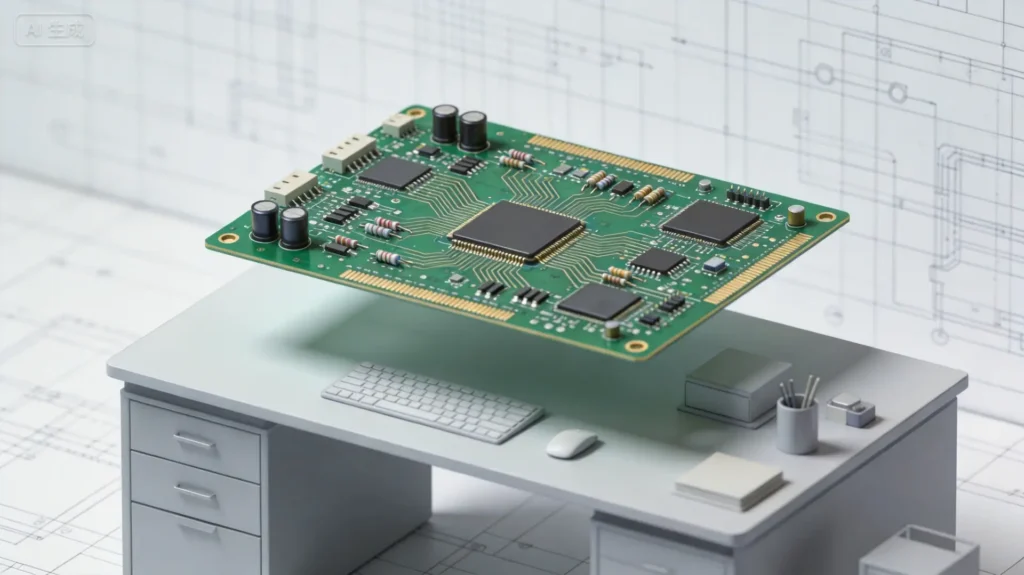
The schematic shows how parts connect, while the PCB layout turns that plan into a real board.
A good layout checks power, signals, heat, EMI, and board space — all at once, not one at a time. EMI stands for electromagnetic interference. In short, it’s unwanted electrical noise that can hurt a device’s performance, or even cause it to fail a compliance test. So it pays to follow solid PCB layout habits for EMI control early, using things like clean ground planes and short signal paths.
Testing and Debugging
A board can look right on screen and still have real problems once it’s built.
Testing can catch weak signals, high power draw, and other faults before they reach a customer. So OPD Design checks performance, stability, power use, and how parts talk to each other. It also checks how the hardware behaves in different conditions, such as heat, low voltage, or nearby wireless noise.
Five Areas That Drive Better Hardware
A strong hardware plan usually balances five things at once. That’s because changing one can affect the others.
| Area | Main Question | Why It Matters |
| Performance | Does the system work as planned? | Supports core product functions |
| Power | How much energy does it use? | Affects battery life and heat |
| Reliability | Can it work over time? | Supports stable product use |
| Size | Can the hardware fit the product? | Links electronics with structure |
| Manufacturing | Can it be built the same way, every time? | Prepares the design for production |
These areas often affect each other in ways that aren’t obvious at first. For instance, a smaller board may need a far more careful layout to avoid heat buildup. Meanwhile, a faster chip often runs hotter, which can push a design toward active cooling it didn’t need before. And a cheaper part may come with supply limits — limits that only show up once you try to order 10,000 units instead of 10.
Power design is a clear example of this trade-off, since power choices touch battery life, heat, current draw, and stability, all at the same time. TI’s power management resources walk through many of these trade-offs in plain terms. That’s a useful read for any product that runs on a battery.
From Circuit Design to Working Prototype

A working prototype is one of the fastest ways to learn if a hardware plan actually holds up.
OPD Design’s hardware design services cover schematic design, PCB layout, PCB prototyping, SMT assembly, and sample builds. From there, the team tests the board and refines it based on what the hardware actually does — not just what a simulation predicted.
This step matters because a prototype gives engineers real, measurable results. As a result, they can check circuit behavior, power draw, wireless range, and system stability under real load. These are details that rarely show up clearly in a schematic review alone.
OPD Design’s product prototyping work also supports testing and design changes. In practice, the process runs through CAD work, simulation, prototype tests, and a final design review. So each round of testing feeds right into the next build.
That said, a prototype isn’t the final product — it’s a learning tool. So each round should show you something specific to fix: a part swap, a layout tweak, or a firmware patch.
Case Example: AI Interactive Terminal
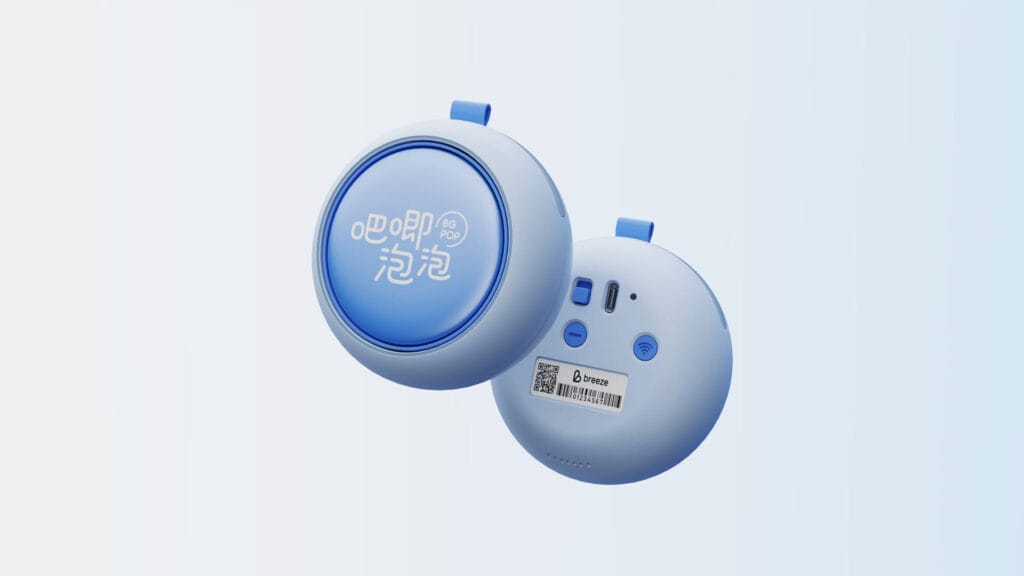
OPD Design’s AI Interactive Terminal shows hardware working closely with software and product design.
The product uses NFC to spot toy chips and match them to sound effects. Development covered NFC modules, a microcontroller, audio parts, power modules, PCB design, and firmware. That’s six disciplines, and all of them had to line up before the product could ship.
The project moved through working prototypes and several rounds of testing. Along the way, the team checked NFC response time, sound quality, and overall feel before moving to mass production. This caught issues early, while a fix still meant a firmware update — not a retooled board.
Why Testing Should Start Early
Testing isn’t just a final box to check before shipping.
Instead, early tests catch problems while fixes are still cheap and easy. These tests often turn up issues with power, heat, signals, part fit, or wireless links. On a prototype, that’s a five-minute fix. But once tooling is locked, the same fix can take five weeks. EMI matters here too, so teams should check it during design and testing, not just at final certification.
IPC also offers design and DFM guidance for electronics that many teams use as a starting point. Its resources cover PCB design, assembly, and production, across many kinds of products.
Hardware Design and Manufacturing Readiness
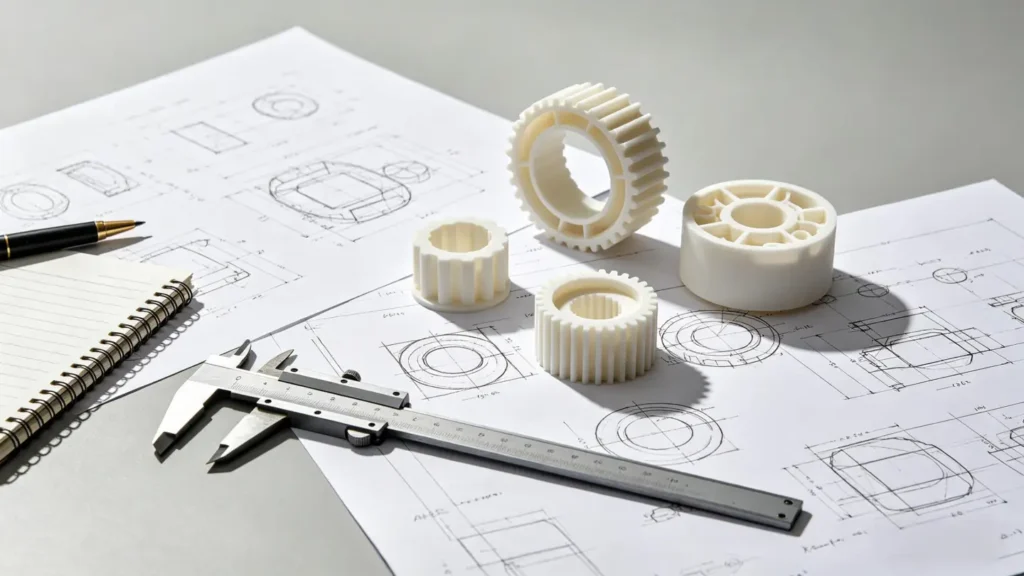
A board that works fine in a lab still has to work on a factory line, run by workers who’ve never seen the schematic.
So teams should think about production needs all through hardware development, not just at the end. That covers part supply, PCB design, assembly, testing, and final checks.
OPD Design also supports hardware production. This includes test fixtures, BOM review, and DFM fixes. Beyond that, the team can help with supply planning, plus the production issues that always seem to pop up once a design meets real factory conditions.
Two quick terms: BOM means bill of materials — the list of parts needed to build the product. DFM means design for manufacturing — the practice of shaping a design so it’s easier and cheaper to build at scale.
IPC treats DFM as a core part of good electronics design, and its guidance covers design rules for different board types and production needs. In fact, skipping this step is one of the most common reasons a working prototype takes far longer than planned to become a real product.
Choosing the Right Hardware Development Company
Picking a hardware development company should mean more than checking if a team can lay out a board.
Instead, look at the full process. Ask if the team can support:
- System design
- Part selection
- Circuit design
- PCB layout
- Prototype builds
- Hardware testing
- Firmware work
- Production support
It also helps to ask how a team handles design changes, because hardware work almost always needs several rounds of testing before it’s done. A strong partner tracks issues across each round. In other words, they can tell you what changed between round two and round three. It’s not enough to just say “it works now.”
How OPD Design Supports Hardware Innovation
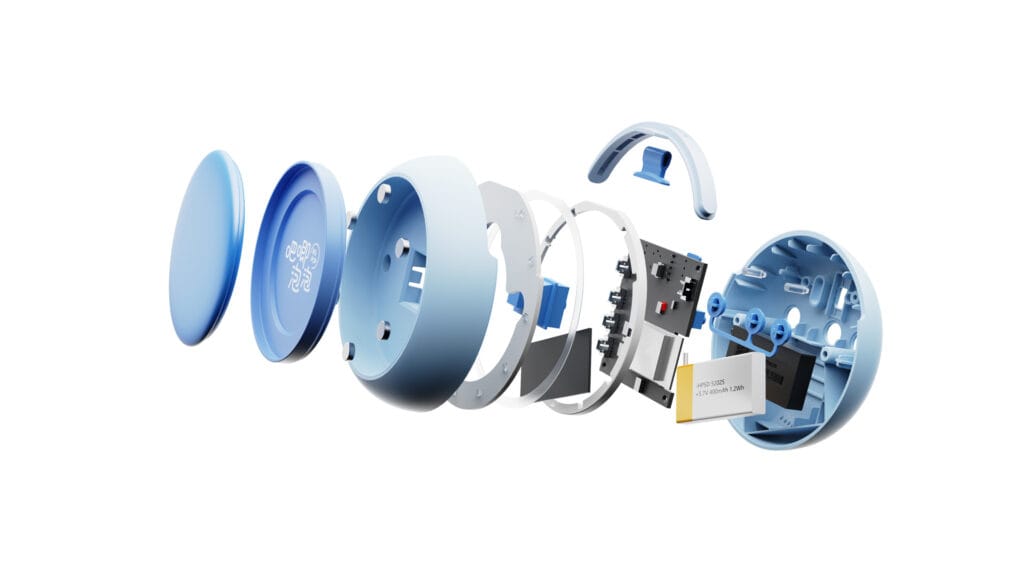
OPD Design links hardware work with the rest of product development, rather than treating it as a standalone task.
Its product development strategy service helps define what the product needs, checks if the idea is workable, and estimates cost and timeline. As a result, this gives the hardware team a far clearer starting point than a one-page brief.
Hardware also has to fit inside the product. So OPD Design’s mechanical design work supports the internal layout and part placement. This way, the board and the case get designed together — not forced together later.
The outer shell of the product still needs to support the electronics, too. Industrial design covers shape, ease of use, and overall feel. Meanwhile, software plays a big role in most connected products today, from embedded code to mobile apps and cloud links.
For products moving toward launch, manufacturing support helps with prototype builds, pilot runs, and production planning. Put together, this approach links design, structure, software, testing, and production into one steady process — not four separate handoffs.
When Should a Hardware Design Company Get Involved?
The best time is early — often earlier than most founders expect.
That’s because hardware choices shape a product’s size, power use, case design, software plan, and build cost. So a choice made in week two can quietly limit what’s possible in week twenty.
Early work gives teams more time to compare options and test the system before big production spend begins. This matters even more for complex products. A small board change can ripple out to the case, the battery, the heat plan, or the software.
That’s why a clear plan helps teams manage these links up front — not discover them one at a time, usually at the worst moment.
A Simple Hardware Development Checklist
Before moving toward production, it helps to ask:
- Are the main product functions clearly defined?
- Are the right parts picked, with backups in mind?
- Has the PCB been checked against IPC guidance?
- Has power use been tested under real conditions?
- Have wireless features been checked for range and reliability?
- Has the hardware been tested together with firmware, not just alone?
- Has the product been built into a working prototype?
- Have build needs been reviewed at real production volumes?
- Is there a plan for production testing?
Because these questions are simple, they catch gaps early — while they’re still cheap to fix.
Ready to Move Your Hardware Idea Forward?
Good hardware work starts with clear goals and careful testing, not a rush to the first prototype.
So if you’re building a connected device or a smart product, plan the hardware alongside the rest of the product. Don’t leave it for later.
OPD Design supports hardware design, circuit design, PCB layout, prototyping, testing, and production support. Have a hardware idea that needs engineering help? Contact OPD Design to talk through your product plans.
Conclusion
A hardware design company can play a big part in turning ideas into working products.
Good hardware design links system design, parts, circuits, PCB layout, testing, and production. It also has to work with the case, the software, and the rest of the product. That’s because none of these pieces succeed fully on their own.
Early testing helps teams catch problems before they get costly. Meanwhile, production planning helps make sure the final design can move past the prototype stage and into customers’ hands.
OPD Design takes a joined-up approach to hardware work. That covers early system design, part selection, circuit design, PCB layout, prototyping, testing, and production support. So for teams building electronic products, strong engineering can make the path from idea to shipped product much smoother.
FAQs
1. What does a hardware design company do?
A hardware design company builds the electronic systems inside a product. This can include system design, part selection, circuit design, PCB layout, prototyping, testing, and production support.
2. What are hardware design services?
Hardware design services can include system design, schematic design, PCB layout, part selection, PCB prototyping, testing, and production support.
3. Why does hardware prototyping matter?
Prototyping lets teams test a real version of the system. So it can show problems with performance, power, wireless links, or fit — well before production starts.
4. When should hardware development begin?
It should begin early. That way, planning helps the system work well with the case, the software, and the test plan. So it fits the build process instead of fighting against it later.
5. What should I look for in a hardware development company?
Look for a team with real experience across system design, circuit design, PCB layout, prototyping, testing, and production. That’s because a joined-up process is much easier to manage than juggling separate vendors for each step.
6. Can hardware and software be built together?
Yes, and for most connected products, they need to be. That’s because joint testing confirms that the electronics and the control software work well together, instead of passing on their own and failing once combined.