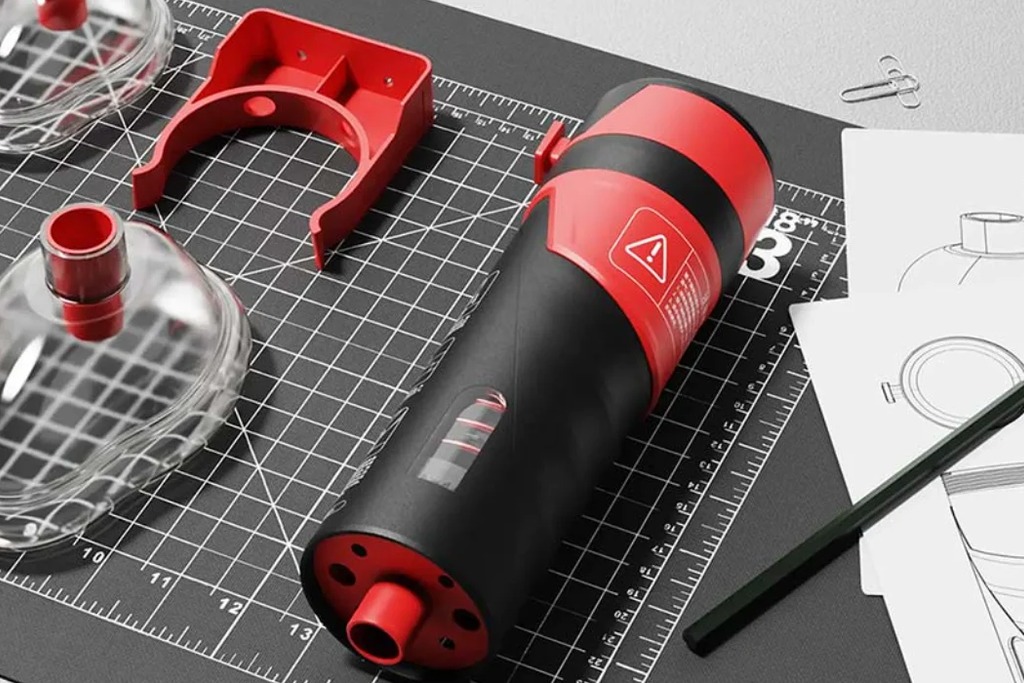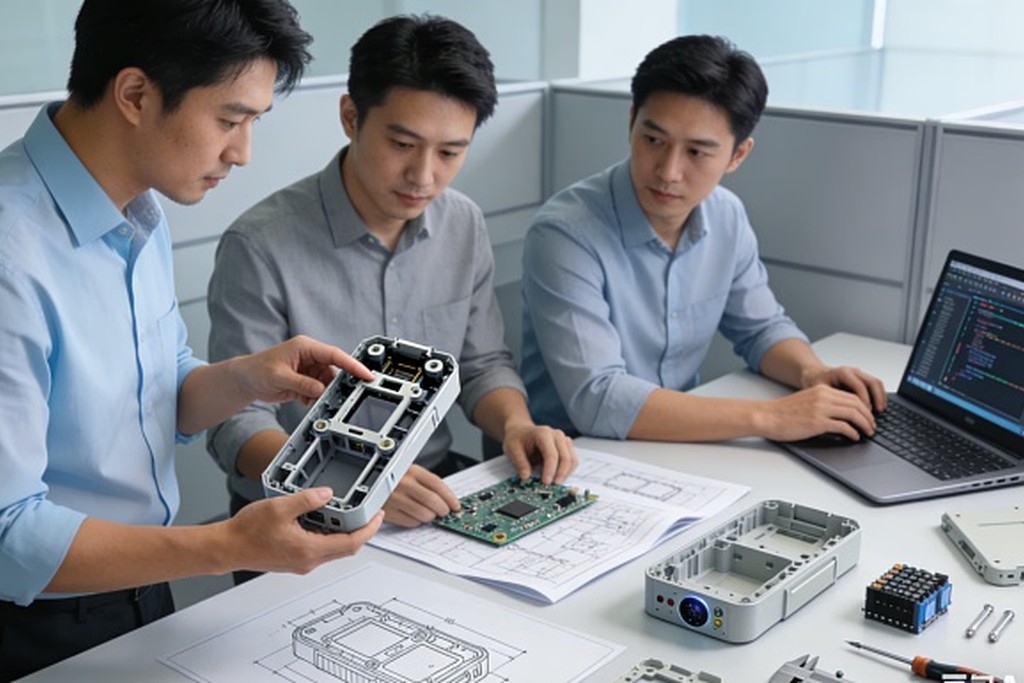

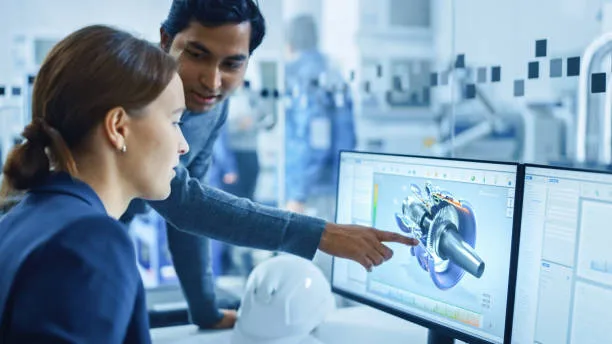
A professional mechanical engineering team plays a vital role in transforming innovative ideas into manufacturable products. Many businesses begin with promising concepts, but turning those ideas into production-ready solutions requires the expertise of a mechanical design company, along with technical validation and manufacturing planning. Without proper mechanical engineering support, even the most innovative ideas can face challenges during development, prototyping, or mass production.
Working with experienced engineering teams helps businesses move efficiently from concept to production through a structured product development approach. From early concept planning to engineering validation and manufacturing support, professional design teams ensure that products are functional, reliable, cost-effective, and scalable for production.
Today, industries such as consumer electronics, AI devices, IoT solutions, and medical products rely heavily on mechanical engineering expertise. These services help businesses reduce development risks, improve product performance, and accelerate time to market. This blog explains how engineering teams turn ideas into manufacturable products, along with the key services, industries served, and the complete product development process.
What Is a Mechanical Design Company
A mechanical design company specializes in developing the physical structure, components, and mechanical systems of a product. These companies combine engineering expertise, CAD modeling, and manufacturing knowledge to convert ideas into practical and manufacturable solutions.
Engineering teams support businesses throughout the product development journey. They begin by understanding product requirements, functionality, and technical feasibility. Engineers then create structured design solutions that balance performance, durability, and manufacturability.
Professional mechanical engineering support typically includes:
- Concept development and engineering design
- 3D CAD modeling and structural development
- Material selection and component optimization
- Prototyping and design validation
- Manufacturing preparation and support
These services ensure that products move smoothly from concept to production while maintaining quality and reliability.
Why Mechanical Design Is Important in Product Development
Mechanical design is one of the most critical phases of product development. It determines how a product functions, how durable it will be, and how efficiently it can be manufactured. A well-structured design improves product quality and reduces production risks.
Professional engineering improves product performance by ensuring that components work efficiently together. Engineers carefully design product structures to maintain stability and long-term reliability.
Mechanical design also reduces development risks. Engineers identify potential issues early in the design phase, which helps prevent costly changes during production. This improves product quality and accelerates development.
Other benefits include:
- Improved product durability
- Better material selection
- Optimized product structure
- Efficient assembly planning
- Smooth transition to manufacturing
These advantages help businesses develop reliable and manufacturable products.
How Engineering Teams Turn Ideas Into Manufacturable Products
Concept Development and Product Planning
Every product starts with an idea, but turning that idea into a manufacturable product requires careful planning. Engineering teams begin by understanding product requirements, user needs, and performance expectations.
Engineers analyze technical feasibility and define product specifications. This early stage helps determine design constraints and manufacturing requirements.
During concept development, engineers focus on:
- Product functionality and features
- Target users and usability
- Design constraints and size limitations
- Manufacturing considerations
- Performance and durability requirements
This planning stage creates a strong foundation for successful product development.
Industrial Design and Engineering Collaboration
Engineering teams collaborate with industrial designers to create products that are both visually appealing and functional. Industrial design focuses on aesthetics, while mechanical engineering focuses on structural strength and performance.
This collaboration improves ergonomics, component layout, and material selection. Engineers ensure that internal components are arranged efficiently and that the product structure supports durability.
The result is a product that balances aesthetics, performance, and manufacturability.
3D CAD Modeling and Design Development
After concept approval, engineers create detailed 3D CAD models. These models help visualize the product and refine the design before prototyping.
3D CAD modeling allows engineers to simulate assembly processes, optimize component placement, and conduct structural analysis. This improves design accuracy and reduces development risks.
Benefits of 3D CAD modeling include:
- Improved design accuracy
- Early detection of design issues
- Better component integration
- Efficient design optimization
This stage improves product quality and manufacturing readiness.
Mechanical Design Services for Product Development
At the middle stage of product development, mechanical design services become essential for refining concepts and preparing products for manufacturing. Engineering teams focus on improving structural performance, optimizing materials, and ensuring that the product can be manufactured efficiently. A product development company provides structured engineering support during this phase, helping businesses optimize product performance, reduce risks, and prepare designs for scalable manufacturing.
These services help bridge the gap between concept and production. Engineers evaluate component tolerances, optimize assemblies, and improve product durability. This stage also includes testing design feasibility and validating performance requirements.
Mechanical design services typically include:
- Product structure optimization
- Material selection and validation
- Component integration
- Tolerance analysis
- Assembly planning
- Design refinement for manufacturing
These services ensure that the product design is robust, reliable, and ready for production.
Design for Manufacturability
Design for manufacturability ensures that products can be produced efficiently and consistently. Engineers optimize product designs to simplify production and improve manufacturing efficiency.
This stage involves evaluating materials, assembly processes, and manufacturing methods. Cost optimization and scalability are also considered. Design for manufacturability helps ensure smooth transition from design to production.
Expanded Mechanical Engineering Support
Professional engineering teams provide comprehensive support that covers the entire product development process.
Industrial Design Support
Industrial design plays an important role in product development. Engineering teams collaborate with industrial designers to develop user-friendly and visually appealing products. This includes ergonomic design, product styling, and usability improvements.
Industrial design ensures that products meet user expectations while maintaining engineering feasibility.
Mechanical Engineering and Product Structure Design
Mechanical engineers develop product structures and component layouts. This includes housing design, component integration, and structural optimization. Engineers ensure that the product is durable and reliable.
Engineering services also include tolerance analysis and assembly planning. These steps improve product performance and manufacturing efficiency.
Hardware Integration and Engineering
Modern products often include electronics and hardware components. Engineering teams integrate hardware systems into product structures. Engineers work on component placement, thermal management, and enclosure design.
This integration ensures efficient performance and long-term reliability.
Rapid Prototyping and Testing
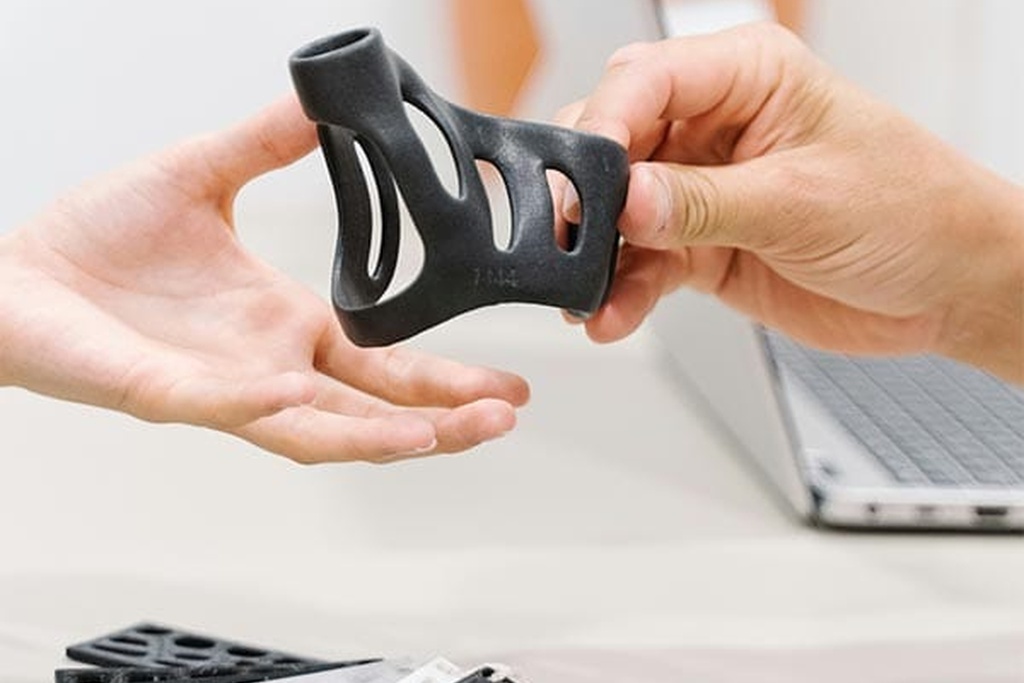
Prototyping is essential for validating product design. Engineering teams create physical prototypes to test functionality and performance. Engineers evaluate usability and identify improvements.
Prototyping helps reduce development risks and improve final product quality.
Manufacturing and Production Support
Engineering teams support manufacturing and production. Engineers prepare manufacturing documentation and assist during production.
Manufacturing support includes:
- Injection molding design
- Small batch production
- Production validation
- Supply chain coordination
Businesses benefit from integrated services that combine engineering, prototyping, and manufacturing support.
Industries Served
Engineering teams support multiple industries with customized solutions:
- Consumer Electronics
- AI and IoT Devices
- Medical and Wellness Devices
- Beauty and Personal Care Devices
- Smart Home Products
- Pet Products and Accessories
- Education and Children’s Products
Each industry requires tailored mechanical engineering solutions to ensure product performance and reliability
Product Development Process
Engineering teams follow a structured process:
- Research and feasibility analysis
- Concept development and planning
- Engineering design and CAD modeling
- Prototype testing and validation
- Production validation
- Mass production support
This structured approach helps businesses bring products to market efficiently.
Benefits of Working With Engineering Experts
Working with experienced engineering teams offers several advantages:
- Faster product development
- Improved product quality
- Reduced development risks
- Manufacturing-ready designs
- End-to-end product support
These advantages help businesses bring innovative products to market efficiently.
Conclusion
A mechanical design company plays a vital role in turning ideas into manufacturable products. From concept development to manufacturing support, expert engineering ensures product reliability, performance, and scalability for production.
Professional engineering support helps businesses reduce risks, improve product quality, and accelerate product development timelines. With structured engineering processes and manufacturing expertise, businesses can confidently bring innovative products to market and stay competitive in fast-moving industries.
If you are ready to transform your idea into a manufacturable product, working with a mechanical design company can help you begin your product development journey and bring your innovation to life. Contact us today to discuss your project requirements and discover how expert mechanical design solutions can support your product development goals.
FAQs
1. What does a mechanical design company do?
A mechanical design company helps transform product ideas into manufacturable solutions through engineering, 3D CAD modeling, and prototyping. They also provide testing and manufacturing support to ensure the product is reliable and ready for production.
2. Why should businesses work with a mechanical design company?
Working with a mechanical design company helps reduce development risks and improve product quality. Professional engineers optimize designs for performance, durability, and manufacturability, which helps accelerate product development.
3. What industries benefit from mechanical design services?
Mechanical design services support industries such as consumer electronics, AI and IoT devices, medical products, smart home solutions, and lifestyle devices. These industries rely on expert engineering to develop reliable and manufacturable products.
4. What is the process followed by a mechanical design company?
A mechanical design company follows a structured process that includes concept development, engineering design, prototyping, testing, and manufacturing support. This approach ensures smooth product development and successful production.
5. How do mechanical design services help turn ideas into manufacturable products?
Mechanical design services optimize product structure, material selection, and manufacturing processes. Engineers validate designs through testing and prototyping, helping businesses move efficiently from concept to mass production.