
Quick Answer
CE, FCC and RoHS certification each cover a different rule, and you may need one, two, or all three. The answer depends on what your product does and where you plan to sell it. Start compliance planning in the first design talk, since a failed test can force a change after tooling.
Many founders start by asking whether they need CE, FCC and RoHS certification. That is a fair first question. Before you hire anyone, you should know which marks your product may need. The answer depends on what the product does and where you plan to sell it.
CE, FCC, and RoHS are three names you will see often. Each covers a different type of rule. This guide explains what each one means, when it may apply, and how it connects to your design. We are OPD Design, a product design and development company based in Shenzhen, China. We also show how we handle compliance and certification as part of product development.
It Depends on Your Product and Your Market
There is no single certificate that fits every product. Rules differ by product type and by country. A simple plastic organizer faces few rules. A smart device with a battery, a radio, and an app faces many.
Three questions help you start:
- Does the product use electricity or contain electronic parts?
- Does it send or receive wireless signals, such as Wi-Fi or Bluetooth?
- In which countries or regions will you sell it?
Your answers point to the rules that may apply. Treat this guide as a starting point. Confirm the details for your own product before production starts.
What Does CE Marking Mean?
CE marking is a label you see on many products sold in the European Economic Area. By adding it, a maker declares that the product meets the legal requirements for CE marking. The European Commission explains the basics on its CE marking page.
Who Needs CE Marking?
Not every product needs it. It applies to product groups covered by EU rules, such as many electrical and electronic goods. It is not allowed on products outside those rules.
The mark is not a stamp of approval from the EU. It is a declaration by the maker. You need records to back it up.
What to Prepare for CE
Preparation usually includes a few steps:
- Find the rules that apply to your product type
- Test the product against those rules
- Prepare technical documents
- Sign a declaration of conformity
- Add the mark to the product
Start these steps before tooling begins. A test result can lead to a design change. That change is easier before the mold is made.
What Is FCC Authorization?
FCC rules apply to electronic devices sold in the United States. The Federal Communications Commission runs an equipment authorization program for devices that can emit radio frequency energy. You can read more on the FCC equipment authorization page.
Certification and Supplier’s Declaration
There are two main paths. Devices that send out a wireless signal on purpose generally need certification. This path involves testing at an FCC-recognized lab. The device then receives an FCC ID.
Devices that give off radio energy only as a side effect of their circuits often use a lighter path. This is called Supplier’s Declaration of Conformity. Which path applies depends on the device. Check this early, because a wireless module changes the test plan.
We have worked on connected products such as our smart litter box, an automated self-cleaning unit with health monitoring and app connectivity. Products like this raise the wireless test question from the first design talk.
What Is RoHS?
RoHS stands for Restriction of Hazardous Substances. It is an EU rule that limits certain hazardous substances in electrical and electronic equipment. Lead, mercury, and cadmium are among the substances it covers.
The European Commission states that products with an electrical or electronic part must follow these limits. Only products that are specifically excluded are exempt. You can read more on its RoHS Directive page.
RoHS affects what your product is made of. Materials, coatings, plastics, wires, and solder all play a part. Material choices belong in the design stage, not at the end.
CE, FCC, and RoHS at a Glance
The table below sums up the main differences.
| Mark or rule | Main region | What it covers | When to think about it |
|---|---|---|---|
| CE marking | European Economic Area | Maker’s declaration that a product meets the applicable legal requirements | During design, before tooling |
| FCC authorization | United States | Radio frequency emissions from electronic devices | When you pick wireless parts and circuits |
| RoHS | European Union | Limits on certain hazardous substances in electrical and electronic equipment | When you choose materials and parts |
A product may need more than one of these. A smart device sold in both regions could face all three, plus other rules.
Do You Need a Certification Partner in China?
If you make your product in China or sell there, a certification partner may become part of your plan. Its role is to help with testing and paperwork. The scope depends on the markets you target.
China has its own rules too. Some product groups need the China Compulsory Certification mark before they can be sold in or imported to China. This is known as the CCC mark. A certification partner can tell you whether your product falls under that list.
What to Check Before You Choose
Not every provider covers every market. Ask these questions:
- Which markets and marks does the service cover?
- Which tests happen in-house, and which use outside labs?
- How long do the steps usually take?
- What does the quote include and leave out?
- Who keeps the test reports and documents?
How Certification Affects Mold Injection Design
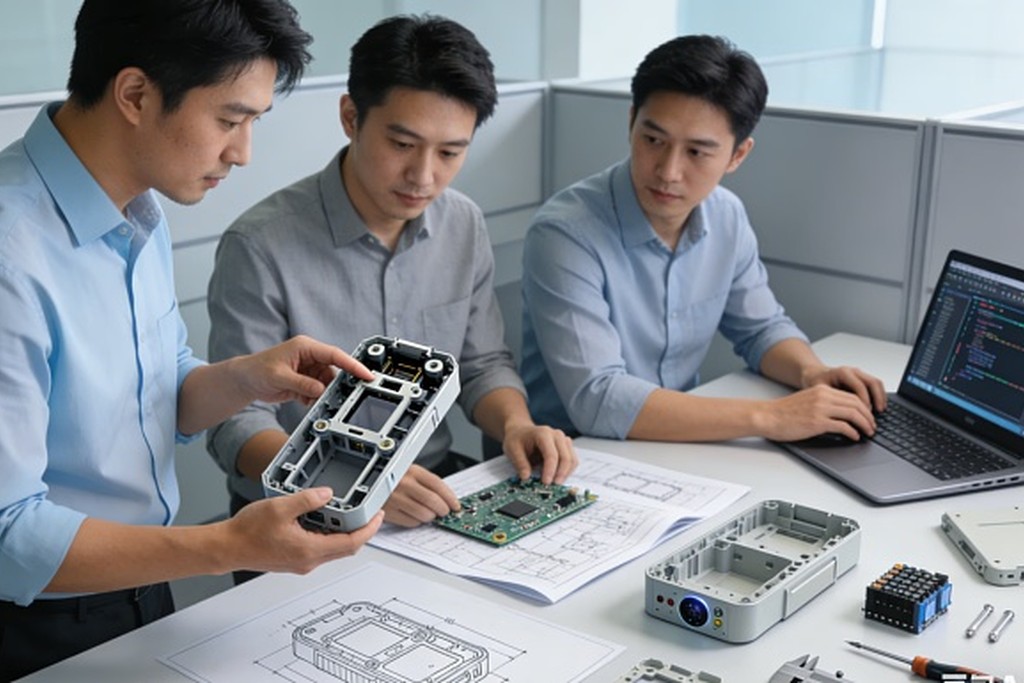
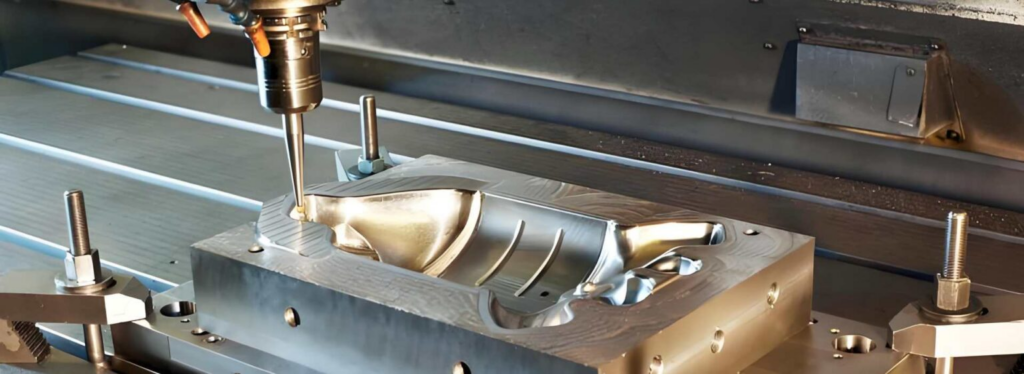
Plastic housings are common in consumer electronics. Mold injection design shapes how those parts are made. Good mold injection design starts from the product’s needs, not only its looks. It sets wall thickness, parts fit, surface finish, and the way pieces join.
Compliance can change those choices. A housing may need room for an antenna. It may need vents for heat. It may need a specific plastic that meets material limits. A test may show that a seam or a gap needs a change.
Molds are one of the larger early costs for many products. In our standard timeline, mold development takes about 5 to 8 weeks. Changes after tooling starts are costly. Compliance questions should reach the design team before the mold injection design is final.
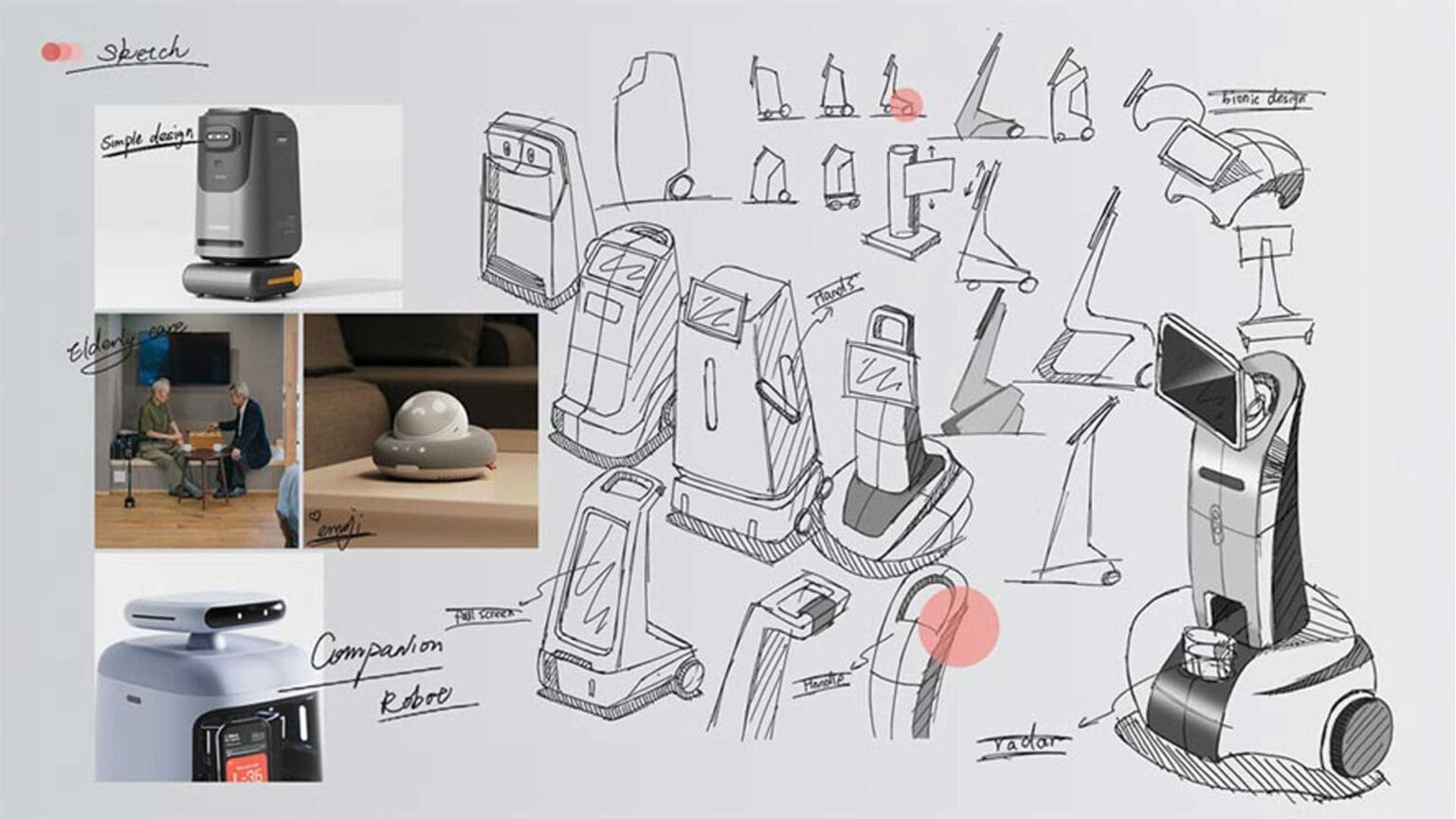
We think about how a product will be made from the design stage. Our mechanical design work turns the chosen look into a working structure. Raising compliance early gives that work the right limits from the start.
Exploring which certifications your product may need? Our team has helped startups and brands turn ideas into real, manufacturable products. Book a free consultation to discuss your idea.
How Rapid Prototyping Services Help You Prepare
You cannot test a product that does not exist. Rapid prototyping services give you early samples to hold and check. They show how parts fit and how the product behaves. Ask any provider of rapid prototyping services how it plans sample rounds for your scope.
Early samples help with compliance too. They show where a wireless module sits and how the housing handles heat. A certification partner gets something real to review as well. Each round can answer a clear question, such as fit, function, or material choice.
In our standard timeline for a consumer electronics or smart device project, engineering validation and prototyping takes 4 to 6 weeks. Products with electronics or safety needs often need more than one round. Plan for that in your schedule.
A flaw found in a sample is easy to fix. The same flaw found after tooling is costly. Prototyping and compliance planning work best together.
Certification Marks, Labels, and Your Brand
Certification marks need space. They may appear on the product, the label, or the packaging, depending on the rules for your market. If the design leaves no room, the team may need to redo the layout late in the project.
This is where brand work meets compliance. A brand identity design company shapes the logo, colors, and visual system of a product. Those choices should leave clear space for marks and labels. Packaging needs the same care.
We offer brand design as its own service. Our goal is a unified and highly recognizable brand visual identity system. Packaging design is available too. It blends good looks with a business goal. One example is SLEK, an anti-hair loss shampoo brand. We provided bottle industrial design, brand design, and marketing design as one service.
Ask your brand identity design company to plan the brand, the pack, and the marks together. The final product will then look clean and still meet the rules of each market.
When Should You Start Compliance Planning?
Start in the first planning talk. Rules can affect your parts list, your materials, your housing, and your test plan.
Our standard timeline runs 6 to 10 months for a consumer electronics or smart device project. It moves through these stages:
- Feasibility study: 2 to 3 weeks
- Industrial and mechanical design: 6 to 8 weeks
- Engineering validation and prototyping: 4 to 6 weeks
- Design validation with DFM analysis: 3 to 4 weeks
- Mold development: 5 to 8 weeks
- Pilot production and mass manufacturing: depends on the project
Treat these times as a planning range, not a fixed promise. Compliance and certification timing depends on the product and the markets where you plan to sell. Ask for a plan built for your own product.
What About Medical Devices?
Medical devices often follow separate rules. In the United States, the FDA states that the device class sets the type of premarket submission. Other regions have their own systems.
We work with wellness and medical devices. These products often need more tests and more records. One example is our anti-choking device, a purely mechanical rescue device we took from concept to manufacturing readiness in 14 months. Raise the question of device class in your first planning talk. The design, the test plan, and the timeline can then reflect it.
Common Compliance Mistakes to Avoid
Some mistakes repeat across projects. Most come from acting too late.
- Treating certification as paperwork for the end of the project
- Choosing a wireless module before checking the test path
- Picking materials without checking material limits
- Leaving no space for marks on the product or the pack
- Comparing certification quotes without comparing scope
- Changing parts after tests have started
Each one can force a redesign. Each redesign takes time and money. A clear compliance plan from the start prevents most of them.
How OPD Design Supports Compliance
We list compliance and certification as a service. Our aim is to help products meet the regulatory requirements and certification standards of different countries. Our team works in several areas. These include AIoT, consumer electronics, wellness and medical devices, pet supplies, children’s education, and cosmetic and beauty products. Each area has its own needs.
The same team can support design, prototyping, mold development, and manufacturing. We work with 300+ cooperative factories. Our quality engineers check quality on every project. We have delivered 100+ products across consumer electronics, IoT devices, and medical equipment.
Overseas clients get English-speaking project managers. They get weekly updates, video reviews, and shared dashboards. The dashboards show timelines, deliverables, and costs. We sign a mutual NDA before project talks. It states that all design files, prototypes, and deliverables belong to the client.
Conclusion
CE, FCC, and RoHS each cover a different rule. CE relates to the EEA. FCC relates to radio devices in the United States. RoHS limits hazardous substances in electrical and electronic equipment. Whether you need one, two, or all three depends on your product and your markets.
A product certification company in China can help with testing and documents. The design team shapes how smooth that process will be. For CE, FCC and RoHS certification, early planning, tested samples, and clear marks on the product and the pack all lower the risk of rework. If you have a product idea and want to talk through compliance and next steps, contact us today.
FAQs
1. Do I need CE, FCC, and RoHS certification for every product?
No. The rules depend on the product type and the markets where you plan to sell. A simple non-electronic item faces fewer rules than a connected device.
2. What is the difference between CE, FCC, and RoHS?
CE relates to the European Economic Area. FCC relates to radio frequency devices in the United States. RoHS limits certain hazardous substances in electrical and electronic equipment.
3. When should I start compliance planning?
Start in the first planning talk. Test results can lead to design changes, and those changes are easier before tooling begins.
4. Do I need a certification partner in China?
It depends on your product and your plan. A certification partner can help with testing and documents. Check which markets and marks the service covers before you decide.
5. Do you offer compliance and certification?
Yes. We list compliance and certification as a service. Our aim is to help products meet the regulatory requirements and certification standards of different countries.