
Introduction: Why Supply Chain Management Makes or Breaks Hardware Startups
You’ve designed a great product. Your prototype works perfectly. Then your first production run arrives—and 30% of units have cosmetic defects, the battery connectors are loose, and the packaging doesn’t match your brand guidelines.
This scenario plays out countless times for hardware founders who underestimate the complexity of supply chain management China. Unlike software, where you can push updates instantly to millions of users, hardware mistakes are frozen in plastic and metal. Every defect that slips through QC becomes a customer complaint, a return, and damage to your brand reputation.
In 2026, the stakes are higher than ever. Global supply chains remain volatile, tariff policies shift unpredictably, and consumers have zero tolerance for quality issues they associate with “made in China.” Yet China’s manufacturing sector continues to dominate—and for good reason. The country’s unmatched supplier density, engineering talent, and production speed remain unparalleled.
The solution isn’t to avoid China manufacturing. It’s to manage it strategically.
This guide covers everything hardware founders need to know about supply chain management in China: from finding the right suppliers and establishing quality control processes to navigating logistics and building long-term partnerships that scale with your business.
Understanding the China Supply Chain Landscape in 2026
Why China Remains the World’s Factory
Despite geopolitical tensions and diversification rhetoric, China accounted for nearly 30% of global manufacturing value added in 2025—maintaining its position as the world’s largest manufacturing economy for 16 consecutive years. More importantly, China is no longer just assembling finished goods; it’s becoming the supplier behind the suppliers.
According to recent analysis, China’s consumer goods exports fell 2% while intermediate goods exports rose 9%. This shift means that even companies “diversifying” to Vietnam, Mexico, or India often still depend on Chinese components, tooling, and materials at Tier 2, 3, and 4 of their supply chains.
For hardware startups, this reality has two implications:
- China expertise remains essential—whether you manufacture there directly or source components from Chinese-owned factories in other countries
- Deep supplier relationships matter more than ever—as supply chains fragment, partners who know the ecosystem well become invaluable
The Supplier Ecosystem: Beyond Shenzhen
Most founders think of Shenzhen when they think of China manufacturing—and for good reason. The Pearl River Delta (Shenzhen, Dongguan, Guangzhou, Foshan) is the world’s most concentrated electronics and consumer goods manufacturing hub. But the broader Yangtze River Delta (Shanghai, Jiangsu, Zhejiang, Anhui) is equally important for precision manufacturing, industrial equipment, and automotive components.
Companies like Segway-Ninebot have learned to leverage this geography strategically. By establishing manufacturing in Changzhou, they keep 70-80% of their supply chain within the Yangtze River Delta—enabling rapid iteration and flexible response to demand changes.
Understanding which region specializes in what is the first step to building an effective supply chain strategy.
Finding the Right Suppliers for Supply Chain Management China: A Systematic Approach
Start with Clear Requirements
Before searching for suppliers, you need to define what you’re looking for. Vague requirements lead to wasted time and poor matches.
Define these parameters upfront:
| Parameter | Questions to Answer |
|---|---|
| Product Category | What materials? What manufacturing processes? |
| Volume Requirements | Prototype qty? Pilot run? Mass production target? |
| Quality Standards | What defect rate is acceptable? What certifications required? |
| Timeline | When do you need samples? Production delivery? |
| Budget | Target unit cost? Total project budget? |
| Location | Do you need a specific region for logistics or compliance? |
Where to Find Suppliers
Online Platforms:
- Alibaba/Made-in-China: Largest directory, but quality varies dramatically. Use for initial research and quotes, not final selection.
- Global Sources: More curated, better for electronics and consumer electronics.
- ThomasNet: US-centric directory with verified suppliers, some with China operations.
Industry Channels:
- Trade Shows: Canton Fair (Guangzhou), CES (for component suppliers), MEDICA (for medical devices). In-person meetings at trade shows often reveal more than months of online communication.
- Referrals: The best suppliers usually come through referrals. Ask your network, your design partners, anyone who’s manufactured in China before.
Design Partners with Established Networks:
Working with an end-to-end product design company in China like OPD Design gives you instant access to vetted supplier relationships. These partners have already done the due diligence, know which factories deliver quality, and can negotiate terms you wouldn’t get as a first-time buyer.
Supplier Evaluation Criteria
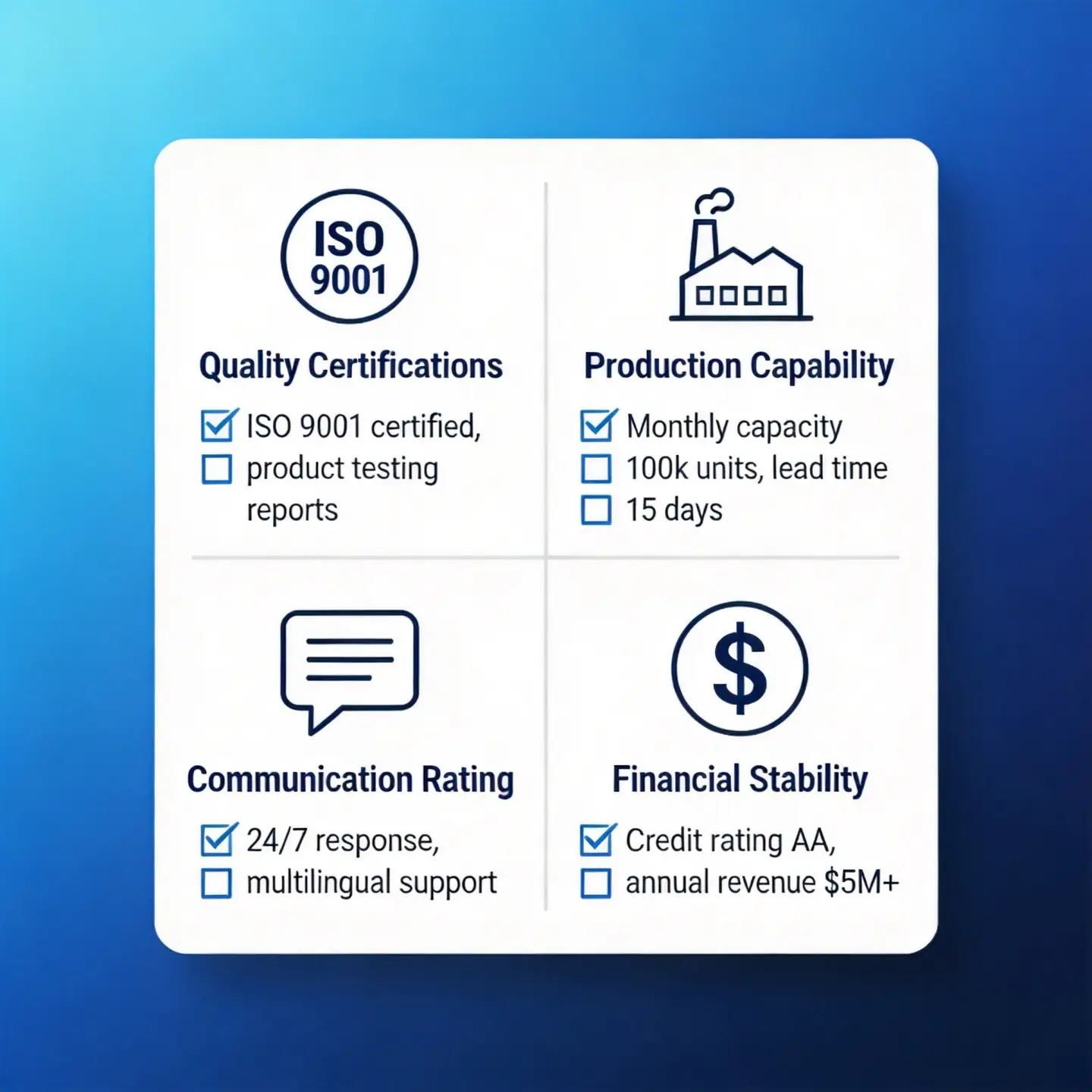
Never select a supplier based on price alone. Evaluate across multiple dimensions:
| Criterion | What to Assess |
|---|---|
| Production Capability | Can they handle your volume? Do they have the equipment for your specific process? |
| Quality Management System | Do they have ISO 9001, ISO 13485 (for medical), or other relevant certifications? |
| Engineering Support | Can they provide DFM feedback? Do they have in-house engineers? |
| Communication | Response time, English proficiency, technical understanding |
| Financial Stability | How long have they been in business? Do they serve stable clients? |
| References | Can they provide cases similar to your project? |
Red Flags to Watch:
- Reluctance to share factory photos or video calls
- Quotes significantly below market average (usually indicates corner-cutting)
- No quality certifications or refusal to provide samples
- Pressure to proceed without proper contracts
China Manufacturing Quality Control: Your Non-Negotiable Defense
The Three Stages of Quality Control
Quality control in China manufacturing isn’t a single checkpoint—it’s a continuous process across three stages:
Stage 1: Pre-Production Inspection (First Article Inspection)
Before mass production begins, you must approve a “first article” or “pilot sample.”
What to verify:
- Dimensions match your CAD files (within tolerance)
- Materials match specifications (plastics, metals, coatings)
- Cosmetic quality meets your standards
- Functionality works as designed
- Packaging matches brand guidelines
Pro Tip: Send detailed inspection checklists with photos showing acceptable and unacceptable conditions. Don’t leave quality standards to interpretation.
Stage 2: During Production (In-Process Inspection)
For significant orders, consider having quality inspectors present at the factory during production.
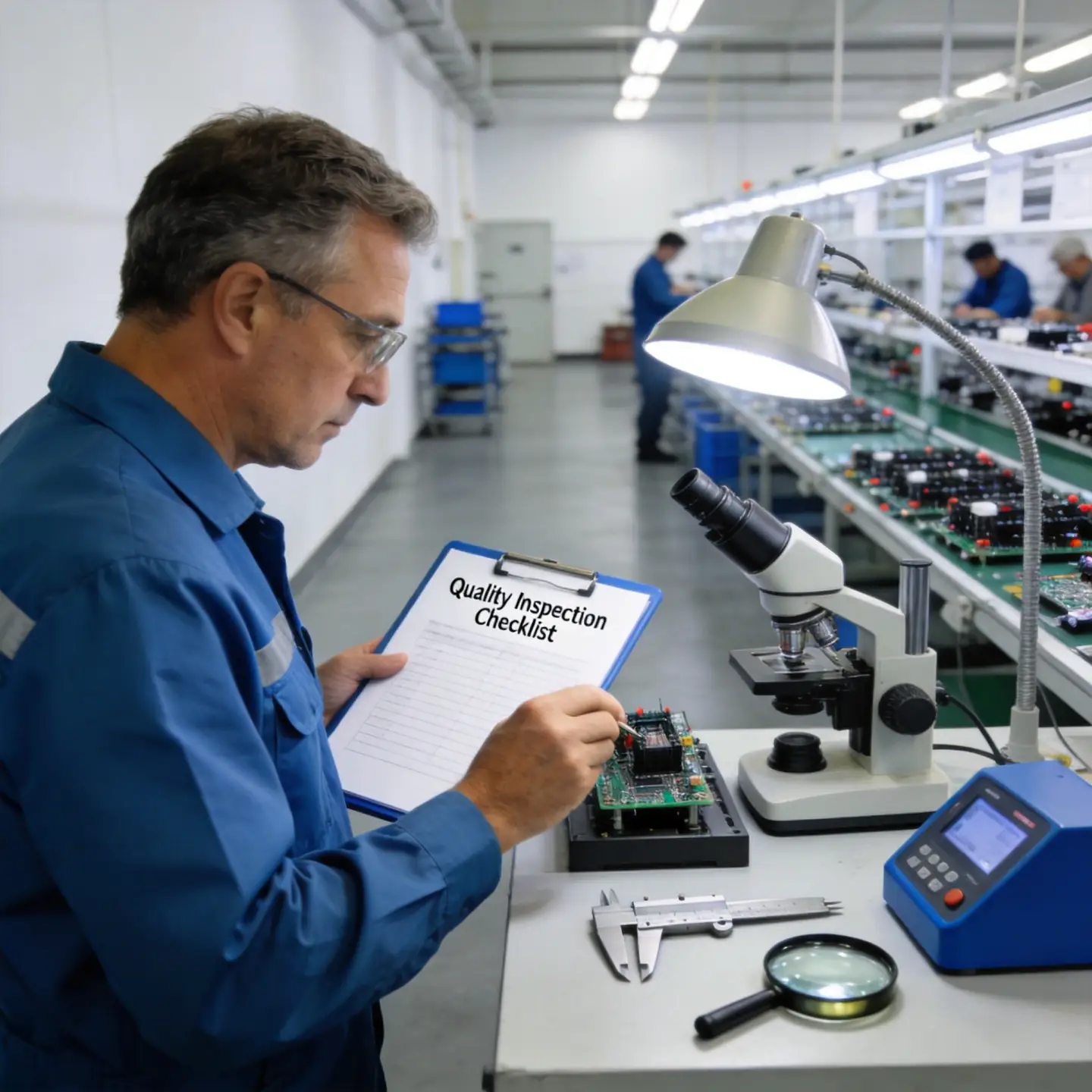
Key checkpoints:
- Raw material verification upon receipt
- In-process quality checks at critical assembly steps
- Random sampling during production runs
- Packaging inspection before boxing
Options for inspection:
- Hire a QC company: Services like QIMA, Asia Quality Focus, or similar provide inspectors worldwide
- Use your manufacturer’s QC team: Many established factories have their own QC staff; verify their standards align with yours
- Third-party inspection: Required for certain certifications (medical devices, toys) or by your customers
Stage 3: Pre-Shipment Inspection
Before your goods leave China, conduct a final random inspection.
Standard AQL (Acceptable Quality Limit) sampling:
- General items: AQL 2.5 (2.5% defective rate acceptable)
- Critical items: AQL 1.0 or tighter
- Cosmetic defects: AQL 4.0 (visual issues are more tolerable)
Create an inspection report template that includes:
- Product identification (PO number, batch number)
- Quantity inspected
- Defect categories (critical, major, minor)
- Defect descriptions with photos
- Pass/fail determination
- Inspector signature and date
Documentation That Protects You
Never begin production without these documents in place:
- Purchase Order (PO) : Specifies quantities, prices, delivery dates, payment terms, quality standards
- Technical Specifications: Detailed drawings, material specs, tolerances, surface finish requirements
- Quality Agreement: Defines defect classifications, inspection standards, remedy procedures
- Production Sample Approval: Signed approval of pre-production samples
- Certificate of Conformity: Factory certification that goods meet specifications
Communication Strategies That Work
The Cultural Context
Effective supplier management in China requires understanding cultural dynamics that affect business relationships:
Face (Mianzi) : Preserving dignity and reputation matters. Public criticism damages relationships irreparably. Address issues privately and constructively.
Building Guanxi: Relationships are business currency in China. Invest time in relationship building early. Accept dinner invitations. Visit factories in person when possible. This investment pays dividends when problems arise.
Hierarchy and Decision-Making: Decision-making often requires buy-in from multiple stakeholders. Understand who has authority and ensure you communicate with the right people.
Practical Communication Tips
Be Specific and Document Everything
Vagueness leads to costly mistakes. Instead of saying “quality must be good,” define exactly what “good” means with measurable criteria.
Use Visual Communication
Photos, videos, and annotated drawings communicate across language barriers more effectively than text. Request regular production updates with photos.
Establish Clear Escalation Paths
Know who to contact when issues arise. Build relationships with multiple contacts at your supplier—not just the sales rep who initialed the relationship.
Schedule Regular Check-Ins
Don’t disappear for months and expect everything to go smoothly. Weekly or bi-weekly updates—even brief ones—maintain attention and catch problems early.
Logistics and Shipping for Supply Chain Management China: Getting Your Products Home
Incoterms: Know What You’re Responsible For
Incoterms (International Commercial Terms) define the responsibilities of buyers and sellers in international trade:
| Incoterm | Seller’s Responsibility | Buyer’s Responsibility |
|---|---|---|
| EXW (Ex Works) | Make goods available at factory | Everything—pickup, shipping, customs, delivery |
| FOB (Free on Board) | Deliver to port, load on ship | Shipping, insurance, customs, delivery |
| CIF (Cost, Insurance, Freight) | FOB + shipping + insurance to destination port | Customs, delivery |
| DDP (Delivered Duty Paid) | Everything—including import duties and taxes | Only unloading |
Recommendation for hardware startups: FOB is the most common and balanced term. You maintain some control over shipping without bearing full logistics responsibility.
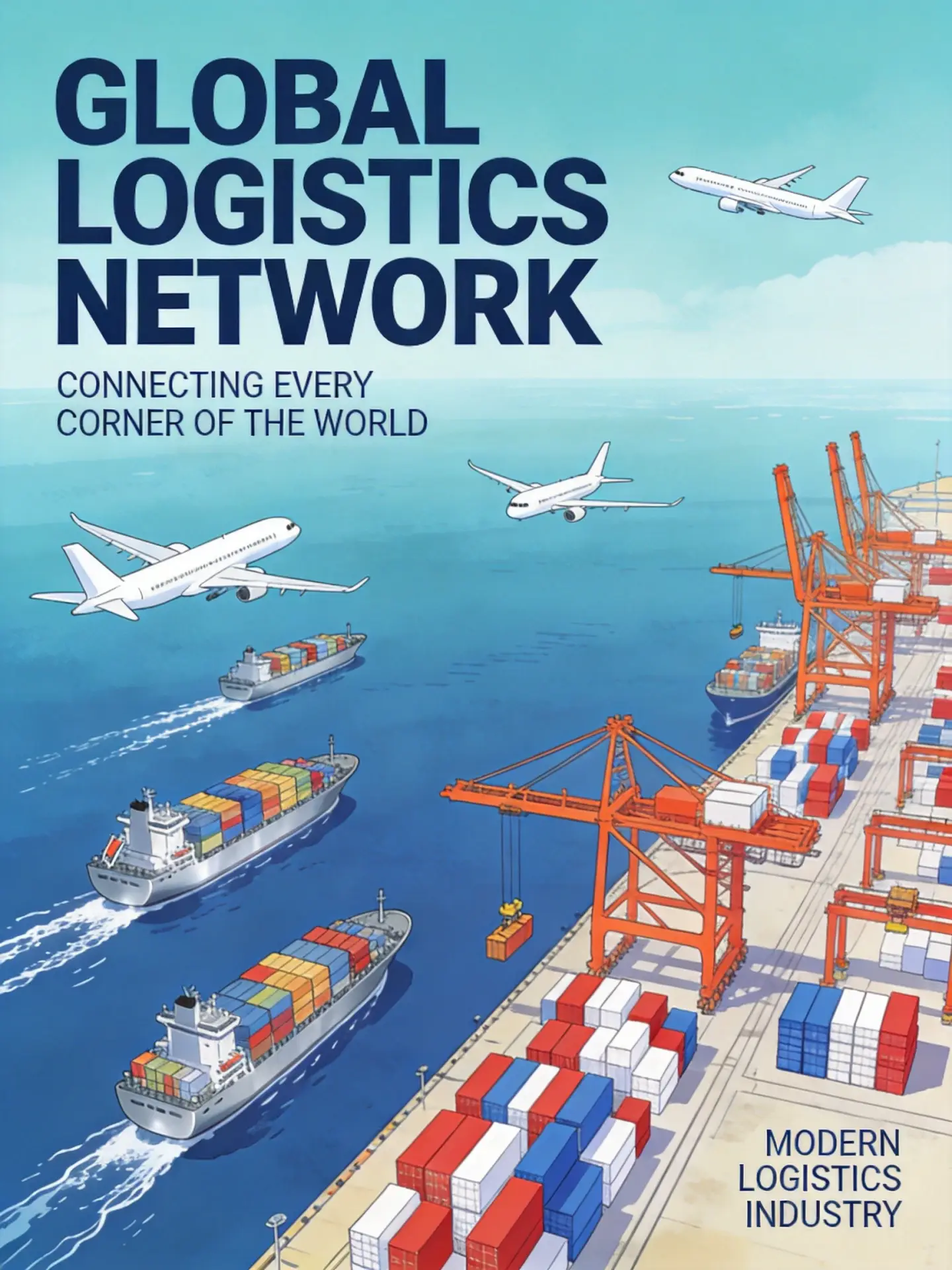
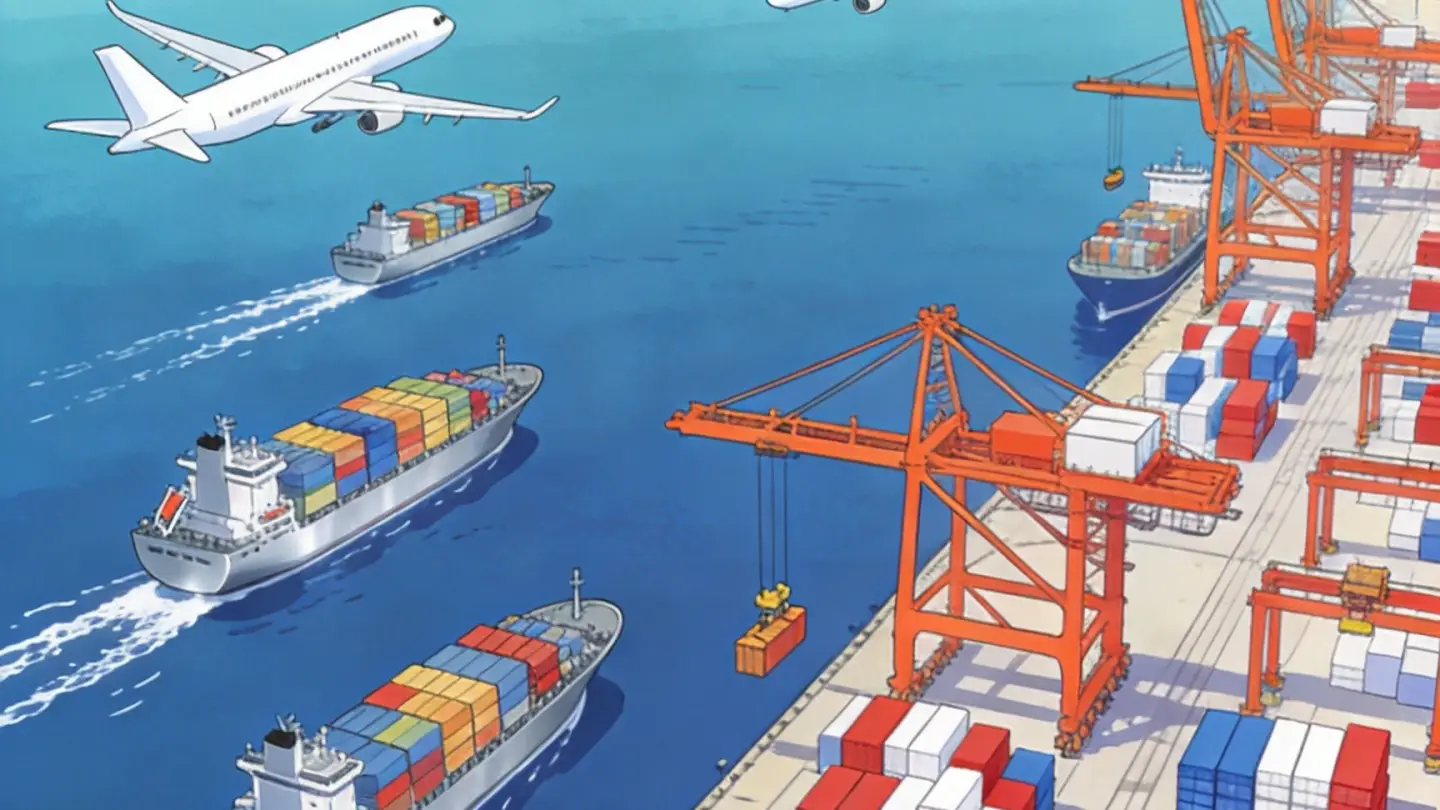
Shipping Options
Air Freight:
- Best for: High-value, time-sensitive, or small quantities
- Cost: $3-8 per kg for general cargo
- Transit time: 5-10 days
Sea Freight (LCL – Less than Container Load):
- Best for: Medium volumes, budget-conscious timelines
- Cost: $50-200 per cubic meter
- Transit time: 25-35 days to US West Coast
Sea Freight (FCL – Full Container Load):
- Best for: Large orders (20ft: ~28 cubic meters, 40ft: ~58 cubic meters)
- Cost: $1,500-4,000 per container
- Transit time: 25-35 days to US West Coast
Calculating Landed Cost
True product cost isn’t just the unit price—it’s the landed cost:
Landed Cost per Unit = (Product Cost + Freight + Import Duties + Inspection Fees + Financing) ÷ Units Shipped Common costs founders overlook:
- Import tariffs (US Section 301 tariffs range from 7.5% to 25% depending on product category)
- Customs broker fees
- Duty drawback (refunds for exported products using imported materials)
- Warehouse storage and handling
- Returns processing for defective units
Building Long-Term Supplier Relationships
Start Small, Scale Up
Never commit your entire production volume to a new supplier on day one.
Recommended progression:
- Prototype order (50-200 units): Test quality and communication
- Pilot run (500-1,000 units): Validate production processes
- Initial production (2,000-5,000 units): Build track record
- Scale-up: Increase volume as relationship matures
The Partnership Mindset
Treat your key suppliers as partners, not vendors. The best supplier relationships are mutually beneficial:
- Share your roadmap: Suppliers who know your product vision can proactively suggest improvements or flag potential issues
- Pay on time: Cash flow is critical for manufacturers; reliable payment builds trust and often gets you priority during capacity constraints
- Provide feedback: Constructive feedback helps suppliers improve—and shows you value the relationship
- Plan ahead: Give suppliers lead time on volume changes; last-minute increases create stress and rushed corners
When Problems Occur
Even with best practices, issues happen. How you handle them defines whether the relationship survives:
- Document everything immediately: Photos, timestamps, correspondence
- Communicate factually: Describe the issue without blame or emotion
- Propose solutions: Don’t just complain; suggest remedies (replacement, rework, price adjustment)
- Escalate appropriately: If direct contact doesn’t resolve the issue, escalate to management on both sides
- Know when to walk away: If a supplier consistently fails to meet agreed standards, it’s better to find a new partner than to keep burning resources
FAQ: Common Supply Chain Questions
How do I protect my intellectual property when manufacturing in China?
IP protection requires multiple layers:
- Use Non-Disclosure Agreements (NDAs) with all partners
- Register your patents and trademarks in China (China is a first-to-file country)
- Limit information sharing—provide technical specs only as needed
- Work with established partners with strong IP track records
- Consider splitting manufacturing across multiple suppliers if IP sensitivity is high
What’s the minimum order quantity (MOQ) I should expect?
MOQs vary by product and supplier:
- Electronics/PCBs: Often 100-500 units
- Injection molding: Often 1,000-5,000 units (tooling costs make small runs expensive)
- CNC machining: Often 10-50 units (higher per-unit cost, lower MOQ)
- Sheet metal: Often 100-500 units
Negotiate MOQs based on your actual needs—many suppliers will adjust if you’re transparent about your growth trajectory.
How do I handle currency and payment terms?
Typical payment terms for new relationships:
- 30% deposit upon order confirmation
- 40% upon sample approval (or before production)
- 30% before shipment (or Letter of Credit)
Use secure payment methods (PayPal for small orders, wire transfer with proper documentation for larger orders). Consider using a buying agent or escrow service if you’re uncomfortable with direct transfers.
What certifications do I need for selling in the US and EU?
Common certifications:
- US: FCC (electronics), FDA (medical/food contact), UL/CSA (electrical safety), Prop 65 (California)
- EU: CE marking (safety, health, environmental), RoHS (hazardous substances), REACH (chemicals)
- General: ISO 9001 (quality management), specific industry standards
Certifications add cost and time—factor them into your development timeline and budget from day one.
Conclusion: Your Supply Chain is Your Competitive Advantage
Managing a China supply chain isn’t simple—but it’s manageable. The founders who succeed treat supplier relationships as strategic assets, invest in quality control processes, and maintain clear communication even when (especially when) problems arise.
The manufacturers who thrive in 2026 aren’t those chasing the lowest price or the most diversified geography. They’re the ones building deep, collaborative relationships with partners who understand their products, share their quality standards, and grow with them over time.
At OPD Design, we help hardware founders navigate every stage of this journey—from product concept through mass production. Our established supplier network, quality control processes, and on-the-ground presence in Shenzhen mean your supply chain is managed by experts who’ve seen every challenge and solved it before.
Ready to turn your product vision into reality? Contact OPD Design to discuss your next hardware project.