

Choosing the right electronic prototyping company can feel confusing when you have a hardware idea in your mind. Maybe you have drawn a rough design. Maybe you just have an idea that you believe can work. But how do you turn that idea into a real product that actually functions properly? That is where a reliable electronic prototyping company becomes important. Instead of guessing or taking risks, you follow a proper step-by-step process where your idea is tested, improved, and prepared for real-world use.
Think about this. Would you launch a product without testing it first? Most people would not. That is exactly why prototyping plays such a big role in product development.
What Is Electronic Prototyping
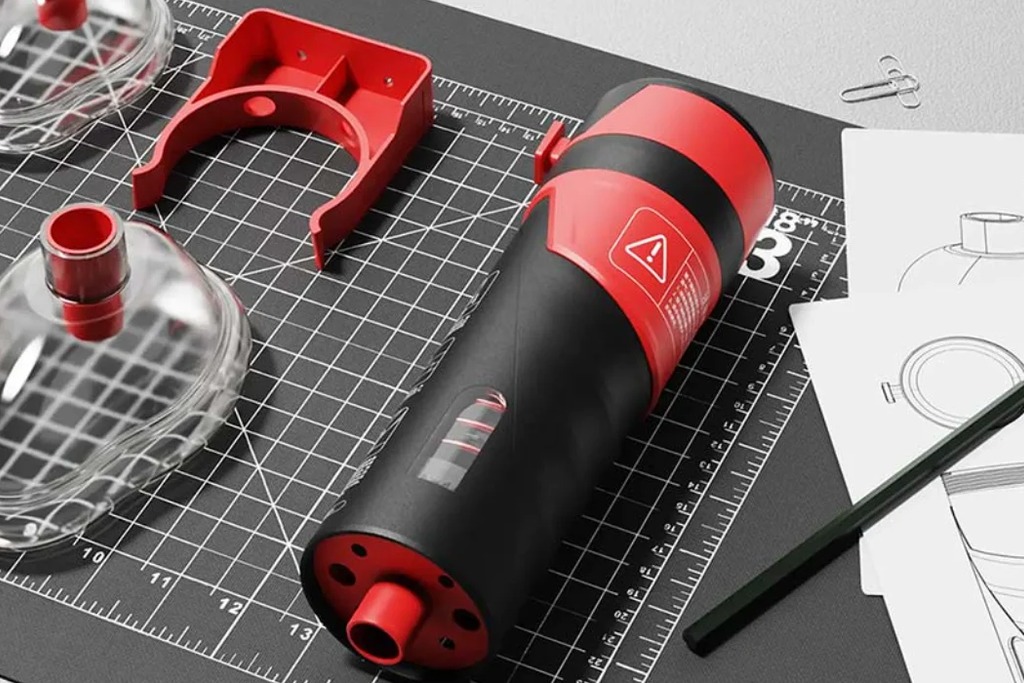
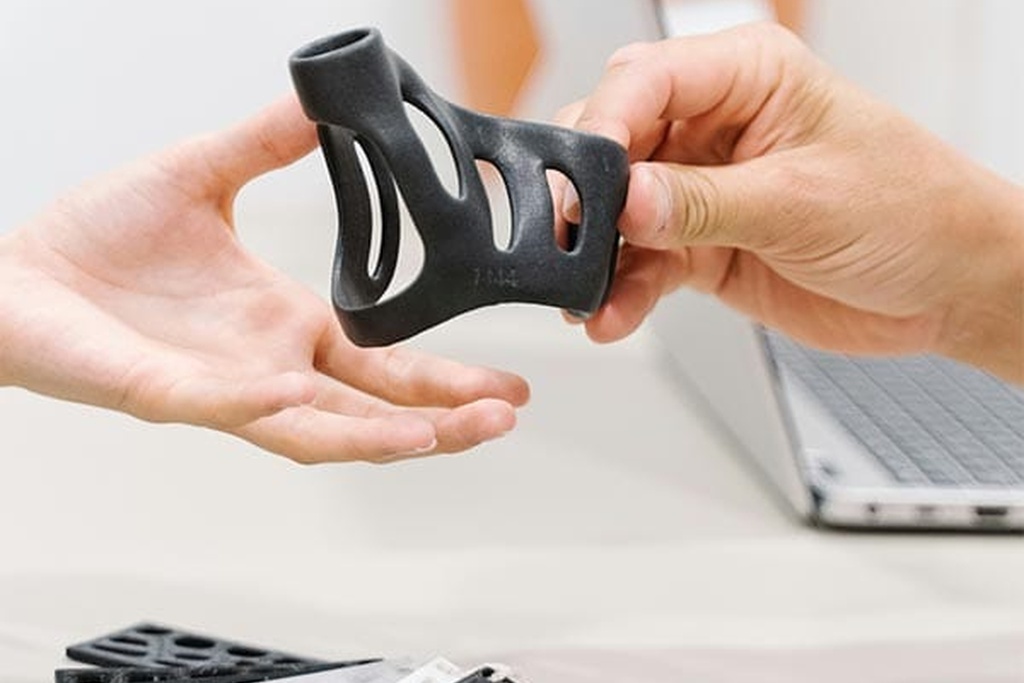
Electronic prototyping is the process of building a working model of your product before final production. It is not the finished product, but it is close enough to test how everything works. This model helps you understand whether your idea is practical, whether the design works, and whether improvements are needed. Also, prototyping allows you to see your idea in real life. It is no longer just a concept. It becomes something you can test, hold, and evaluate.
Why This Step Matters
- You can test your idea early
- You can identify design issues quickly
- You can improve product performance
- You can avoid costly mistakes later
In simple words, prototyping helps you move forward with clarity instead of confusion.
OPD’s Step by Step Prototyping Process
A strong electronic prototyping company follows a clear process. OPD uses a structured method that ensures your product is developed carefully at every stage.
Feasibility Study
This is the first and most important step. Before anything is built, the idea is analyzed. Questions are asked. Is the idea technically possible? What challenges might come? How can it be improved? Because of this step, you avoid major issues later. It gives you a clear direction before development starts.
Engineering Prototype
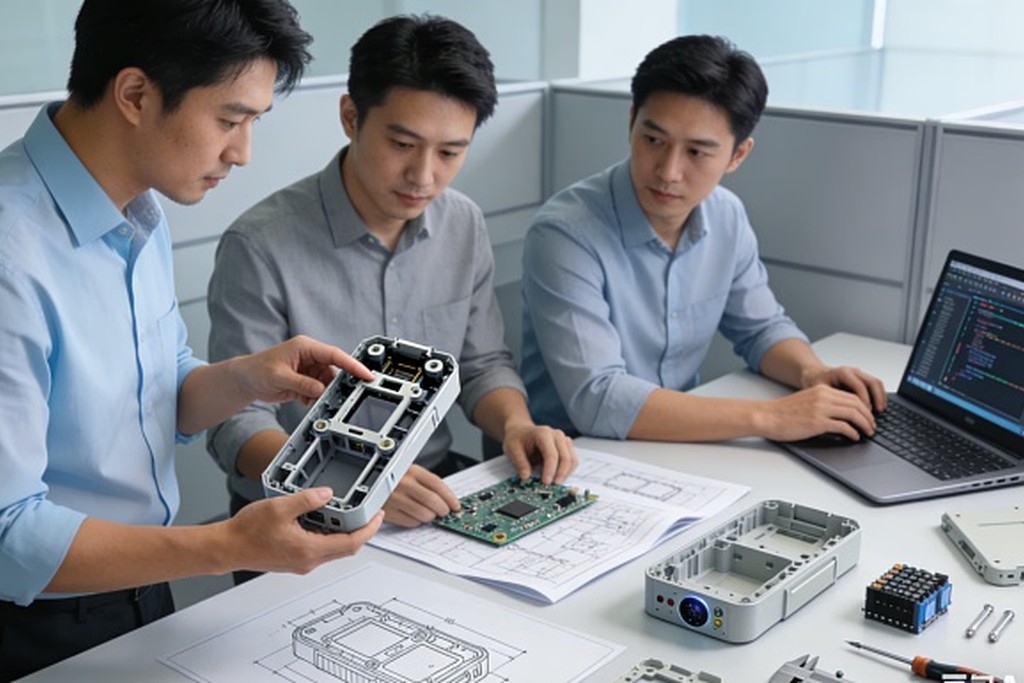
Once the idea is clear, the next step is building a working prototype. This version includes the main functionality of your product. You can test how it works and see how different components interact. At this stage, the goal is not perfection. The goal is functionality. And yes, small issues are expected here.
Design Validation
After the first prototype, improvements begin. This stage focuses on refining the design, improving performance, and making the product easier to use. Changes are made based on testing results. Then the product is tested again. This cycle continues until the product performs well under real conditions.
Production Validation
Before moving to mass production, a small batch is created. This step checks whether the product can be manufactured properly and consistently. It ensures that everything works not just in testing, but also in real production environments. So, when you scale up, there are fewer surprises.
Why This Structured Process Works So Well
You might think this process takes time. And yes, it does. But it also saves time in the long run. In modern product development, most hardware products go through multiple prototype stages before final production. This is a standard industry approach because it reduces failure and improves quality.
What You Gain
- Better product performance
- Fewer design errors
- Smooth transition to production
- Strong product reliability
So instead of rushing, you build something that actually works.
What Services Are Included in Electronic Prototyping
A professional electronics development company does more than just build a model. It supports your idea through every stage of development and often provides complete product prototyping services for hardware innovators.
Prototype Development
This is where your idea becomes real. Engineers build a working model that includes all major functions. It allows you to test how your product behaves in real situations.
Design Optimization
Once the prototype is built, improvements are made. For example, the design may be adjusted to make the product smaller, faster, or more efficient. This step ensures your product is not just functional, but also practical.
Testing and Validation
Testing is a critical part of prototyping. The product is tested under different conditions to check performance, reliability, and usability. Because of this, problems are identified early and fixed before production.
Manufacturing Readiness
The final step prepares your product for production. The design is optimized so it can be manufactured easily and consistently. This ensures that your product can move smoothly from prototype to real production.
Product Design Services That Support Prototyping
Prototyping works best when combined with strong design. You can explore their product design services to understand how design improves product development. Many successful prototype design companies focus heavily on this stage to improve functionality and user experience.
What Design Focuses On
- Making the product easy to use
- Improving structure and layout
- Ensuring proper component placement
- Preparing the product for manufacturing
Because of good design, your product becomes more user-friendly and efficient.
Understanding the Process Through a Simple Example
Let’s look at a simple example. Imagine you have an idea for a small smart device. You share your idea with the team. At first, everything seems clear. But once development begins, small challenges appear. Some features need adjustment. Some components need better placement. So instead of rushing, the team studies the idea carefully. Then they build the first prototype. You test it. It works, but not perfectly. Maybe the performance is slow. Maybe the size needs improvement. So changes are made. The product is tested again. Then improved again. After a few rounds, the product becomes stable and ready for the next stage. This is how real product development works. Step by step. No shortcuts.
How Prototyping Reduces Risk
Launching a product without testing is risky. Even small issues can lead to failure. Prototyping reduces that risk by identifying problems early.
How It Helps
- Detects issues before production
- Improves product reliability
- Enhances performance
- Builds confidence in the final product
So, you avoid unexpected problems later.
Importance of Testing in Prototyping
Testing is not a one-time step. It happens throughout the process. Each version of the prototype is tested, analyzed, and improved.
Types of Testing
- Functional testing
- Performance testing
- Real-world usage testing
Because of continuous testing, the final product becomes more stable and reliable.
Why Choosing the Right Electronic Prototyping Company Matters
Not all companies follow a structured process. Some may skip steps or rush development. A reliable electronic prototyping company ensures that every stage is handled properly. They guide you, support you, and help improve your product step by step.
What You Should Look For
- Clear development process
- Strong testing methods
- Technical expertise
- Ability to refine designs
Choosing the right partner makes your journey easier and more successful.
Communication During the Process
Good communication makes a big difference. When the team explains things clearly, you understand what is happening at every stage.
What to Expect
- Regular updates
- Simple explanations
- Clear progress tracking
This keeps you confident and involved.
Why Improving the Prototype Step by Step Matters
Many people expect the first version to be perfect. But that is not how real development works. Each version improves the previous one. First, the focus is on making it work. Then it is improved. Finally, it is prepared for production. This step-by-step improvement leads to better quality and performance.
Long Term Value of Proper Prototyping
When you follow the right process, your product becomes more reliable and efficient.
Benefits
- Better product quality
- Smooth production process
- Strong performance in the market
So, prototyping is not just a step. It is an investment in success.
Common Mistakes to Avoid
- Skipping feasibility study
- Ignoring testing
- Rushing production
- Not improving the prototype
Avoiding these mistakes saves time and effort.
Conclusion
Every successful product starts with a simple idea. The difference comes from how well that idea is tested and developed. Choosing the right electronic prototyping company ensures your idea becomes a reliable and functional product. From feasibility study to production validation, every step matters. With the right development process, you can reduce risks, improve performance, and prepare your product for successful manufacturing. If you are ready to turn your hardware concept into a working product, you can always contact us to discuss your prototype development goals and take the next step with confidence.
FAQs
1. What is electronic prototyping in hardware development?
Electronic prototyping is the process of building a working model of a hardware product to test its design and performance before production.
2. What services does an electronic prototyping company provide?
It offers feasibility studies, engineering prototypes, testing, validation, and complete product prototyping services to prepare hardware products for production.
3. Why is a feasibility study important in product prototyping?
A feasibility study checks whether the hardware idea is technically practical and helps identify development challenges before prototype design begins.
4. How do prototype design companies reduce product development risks?
Experienced prototype design companies help identify issues early, improve performance, and ensure better reliability before mass production starts.
5. How does prototyping reduce risks?
It helps detect issues early, improve design, and ensure better product reliability before production.