

Ten technologies are reshaping product design in 2026 — from AI-generated concepts and smart wearables to digital twins and sustainable materials. This guide breaks down what each trend means for your next product launch, and how the right design partner turns these ideas into real, manufacturable goods. Skim ahead to see how AI, robotics, and smart manufacturing are changing the path from sketch to shelf.
New tech is changing how products get made. AI tools sketch ideas in seconds. Tiny sensors fit inside a watch strap. Robots now learn to work next to people, not just on factory lines.
But a cool idea isn’t a finished product. It still needs solid design work, real testing, and a clear path to the factory.
That’s why more brands turn to a trusted product development company. This turns raw ideas into real, sellable goods and saves founders from costly guesswork.
Here are 10 trends changing product design today, and what they mean for your next launch.
1. AI-Powered Product Design
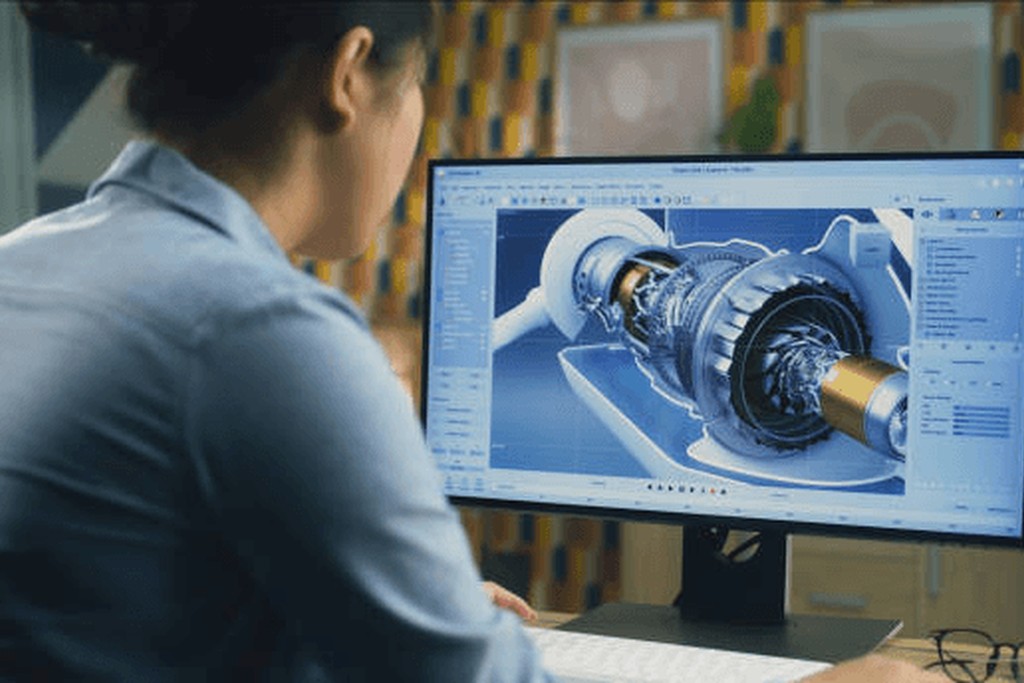
AI tools can sketch dozens of design options in minutes. They test shapes, colors, and layouts fast, cutting a stage that once took teams weeks of hand sketches.
Modern generative design software takes goals like weight, strength, and cost, and spits out hundreds of shapes that meet them. Engineers pick the best fit and refine it by hand. This sits inside an industrial products design process that blends fast AI output with real user testing.
But AI has limits. It doesn’t know how a plastic clip holds up after years of use. It also can’t tell whether a handle feels right in your hand. That takes real people and skilled product design services.
The best results mix both. AI opens up more ideas fast and cheap, while expert designers pick the ones that survive daily use, shipping, and the factory floor.
2. Smart Wearables
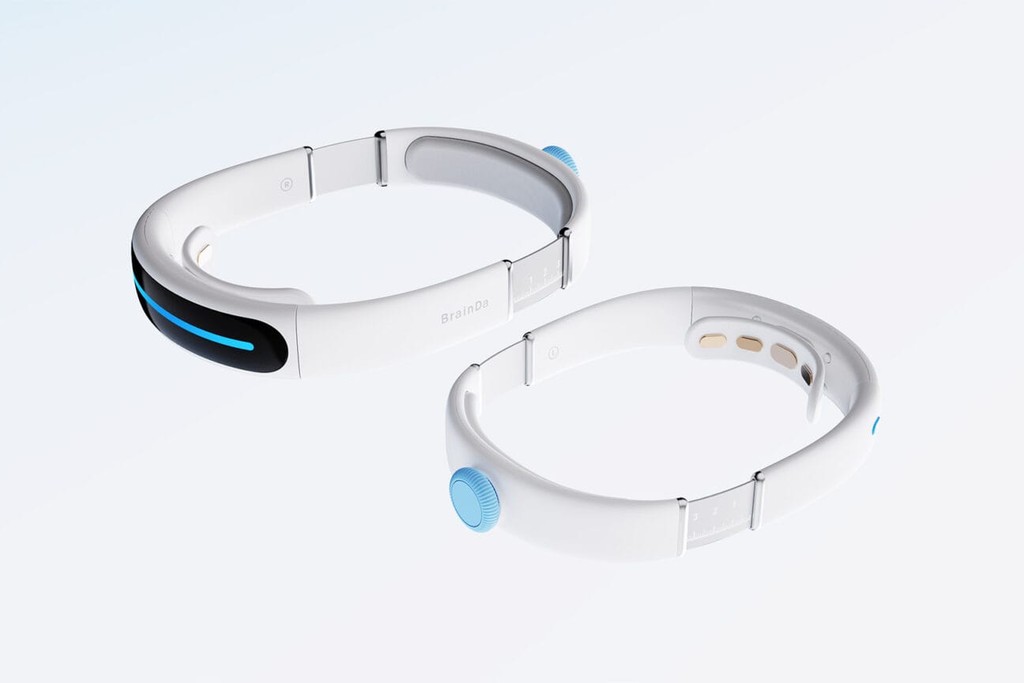
Wearables have moved past step counters. Smart rings, health patches, and smart glasses now pack real power into tiny shells, which is no small feat.
A modern smart ring crams a heart sensor, a temperature sensor, and a battery into one band. That band is no thicker than a wedding ring. That kind of packing takes real design skill. It’s close to the work behind OPD’s own wearable brain-computer device, which fits sensing hardware into a light, forehead-worn shell.
This creates hard problems: fitting batteries, chips, sensors, and antennas into a case that still feels light on the skin. A ring that pinches ends up in a drawer within a week.
Prototypes solve this fast: hold a test unit, spot a button that sits wrong, before costly tools get built.
3. AI-Enabled Consumer Electronics
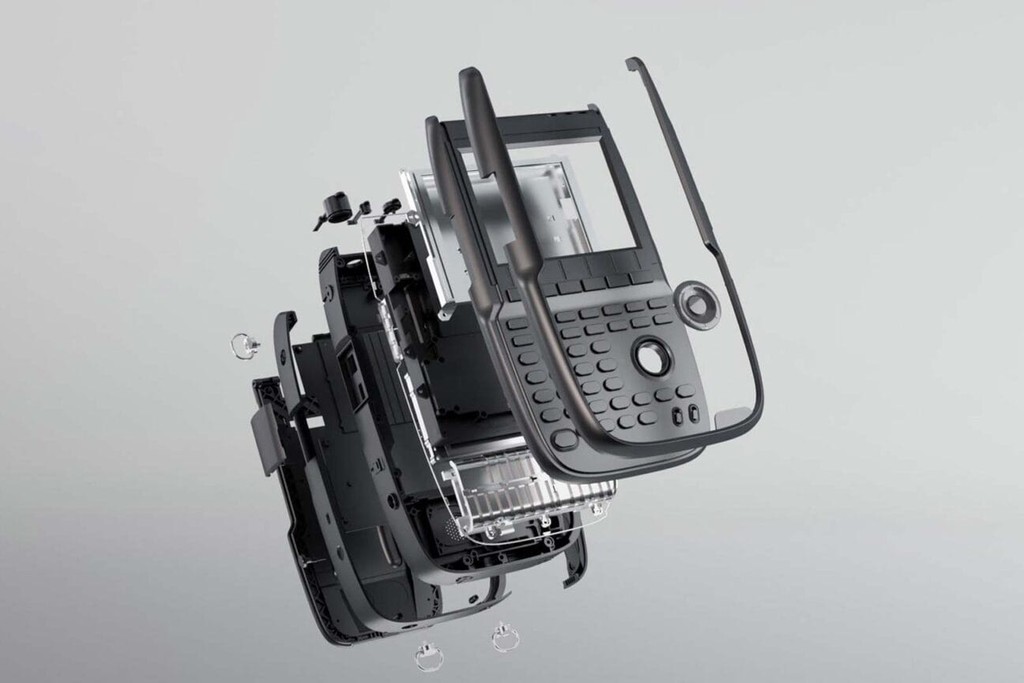
Smart speakers and cameras share one hidden problem. They must pack more parts into the same small box, or into a smaller one than last year’s.
A typical smart speaker or camera hides microphones, a speaker, Wi-Fi radios, and a processor. All of it fits inside a shell small enough to sit on a shelf. That takes tight coordination between hardware design and the outer shell, not two separate jobs.
Chips, sensors, and fans need space and give off heat that has to go somewhere. Planning for airflow from day one matters. It’s why many teams build the case and the parts side by side, instead of finishing the shell first and hoping the electronics fit.
Start design and hardware planning together, and brands dodge painful redesigns later.
4. Digital Twins
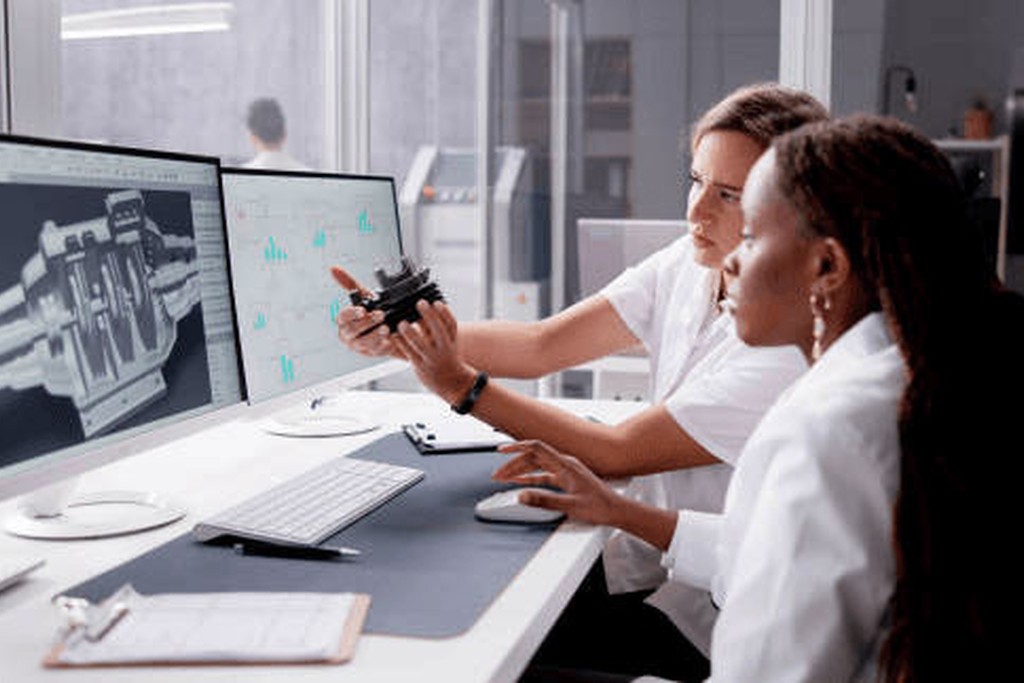
A digital twin is a virtual copy of a real product. It’s used to test heat, stress, and motion before cutting metal or spinning up a mold.
Modern simulation platforms let engineers build a full virtual copy of a product. They can test it before a single real part exists. This sits at the core of good mechanical product design, where stress and thermal checks happen on screen first.
This doesn’t replace real tests. Instead, it sharpens them: teams pick the best options first, then build only the test parts worth making. For tricky products, this saves months of trial and error and a lot of scrapped tooling.
5. Rapid Prototyping
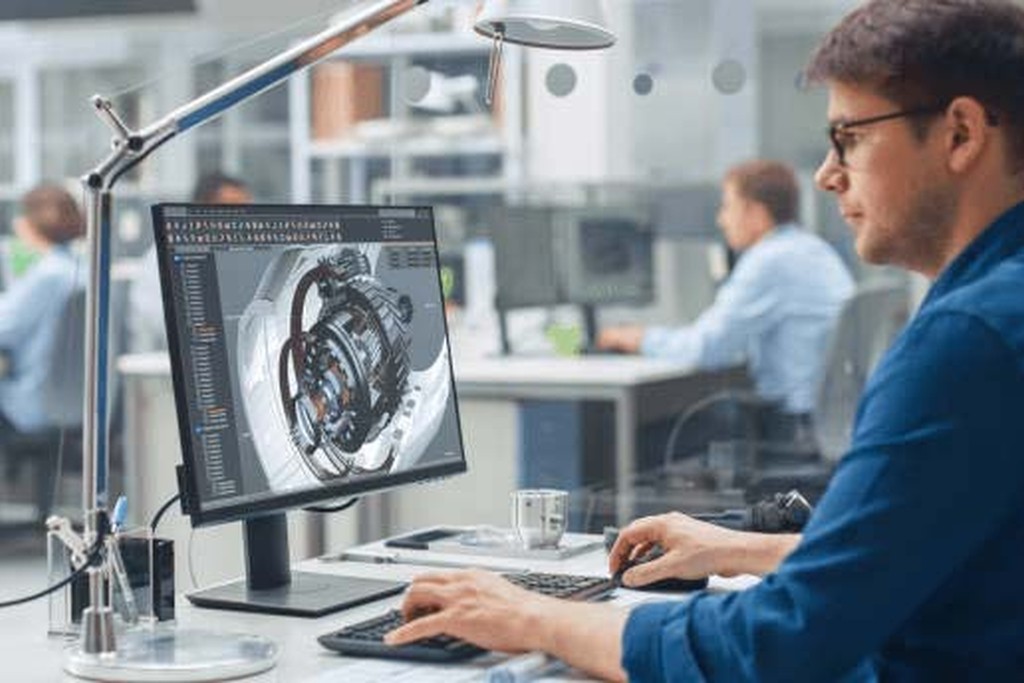
Rapid prototyping is still one of the biggest shifts in this field.
3D printing, CNC cutting, and vacuum casting let teams hold a real part within days, not the months it used to take. Modern desktop printers can even turn out a working test part overnight, right in the office.
Each job needs its own tool. A 3D print checks size and shape fast and cheap. A CNC part tests real strength. Vacuum casting makes small batches that look close to final, which is handy for demos.
Good product prototyping services pick the right tool for each stage. That way, every test gives a clear answer instead of a misleading one.
Exploring how new tech could shape your next product?
Our team has helped startups and brands turn emerging technologies into real, manufacturable products.
Book a free consultation to discuss your idea.
6. Smart Medical Devices
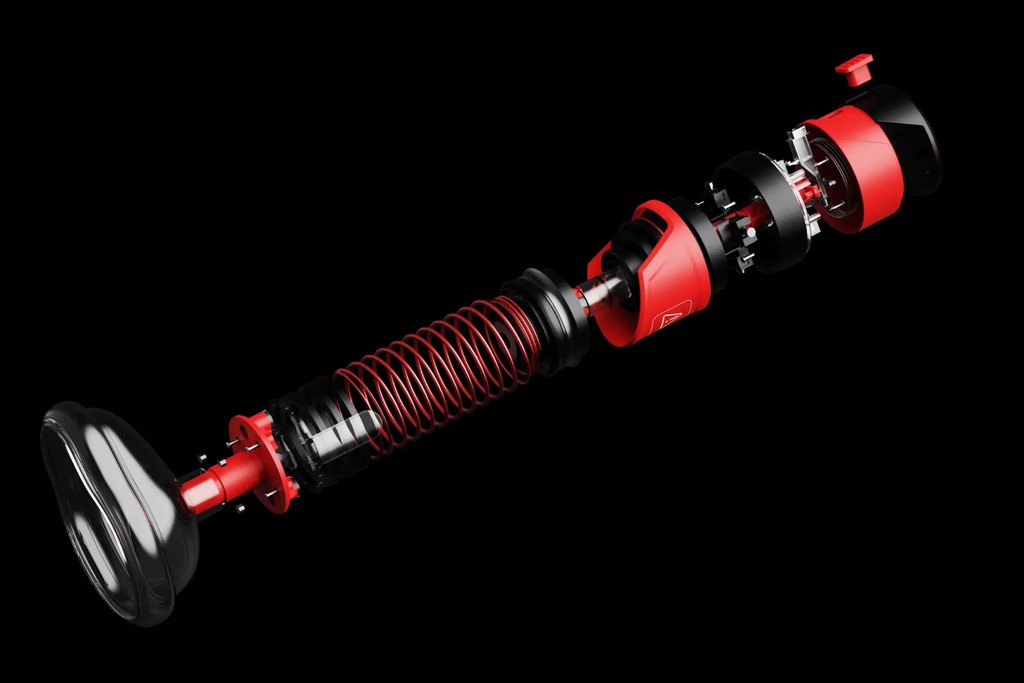
Health monitors and home test kits grow smarter each year. But medical gear carries extra weight: safety, clean design, and strict rules other products don’t face.
Some home health devices now read blood pressure or heart rhythm with near-hospital accuracy. And they do it from a shape that fits on a shelf. OPD’s own anti-choking device, built around the Heimlich maneuver, faced a similar challenge. The team had to get the mechanism right, then keep it simple enough to use under stress.
A handheld device must feel firm in a shaky hand. It also has to survive harsh wipes and repeat cleaning without cracking, and guard the parts inside even after a drop. Sensor placement matters too, since a small reading error can mean a lot in a medical setting. That’s why teams test grip and angle again and again.
Prototypes catch these issues early, through real tests with real users, not guesswork on a screen.
7. Robotics and Autonomous Products
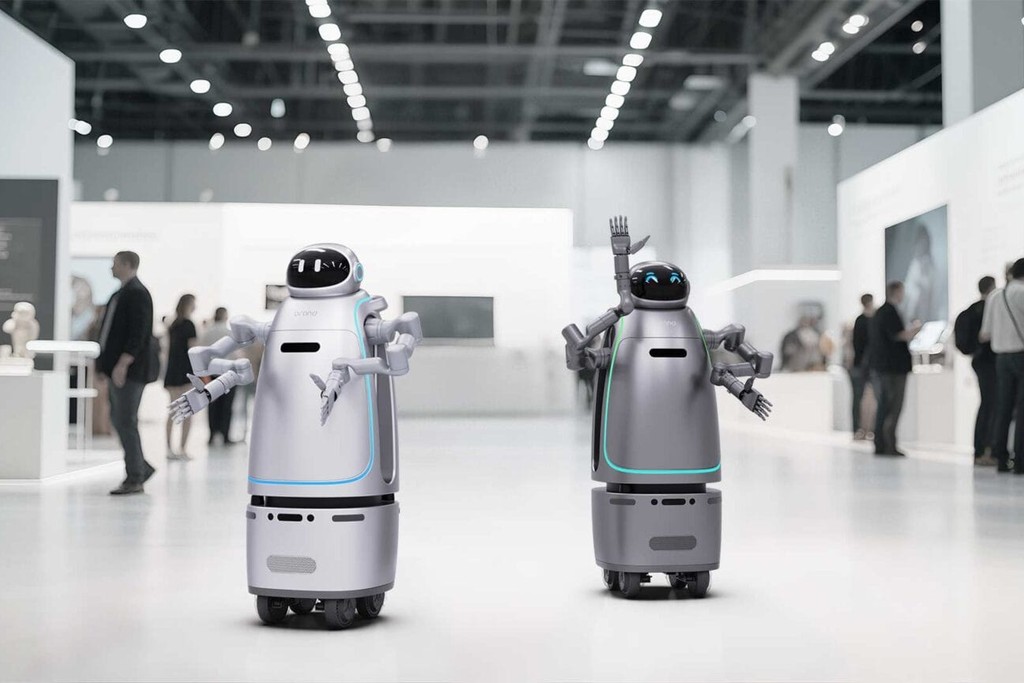
Robots have left the factory floor. Home bots, delivery bots, and warehouse machines are now a common sight.
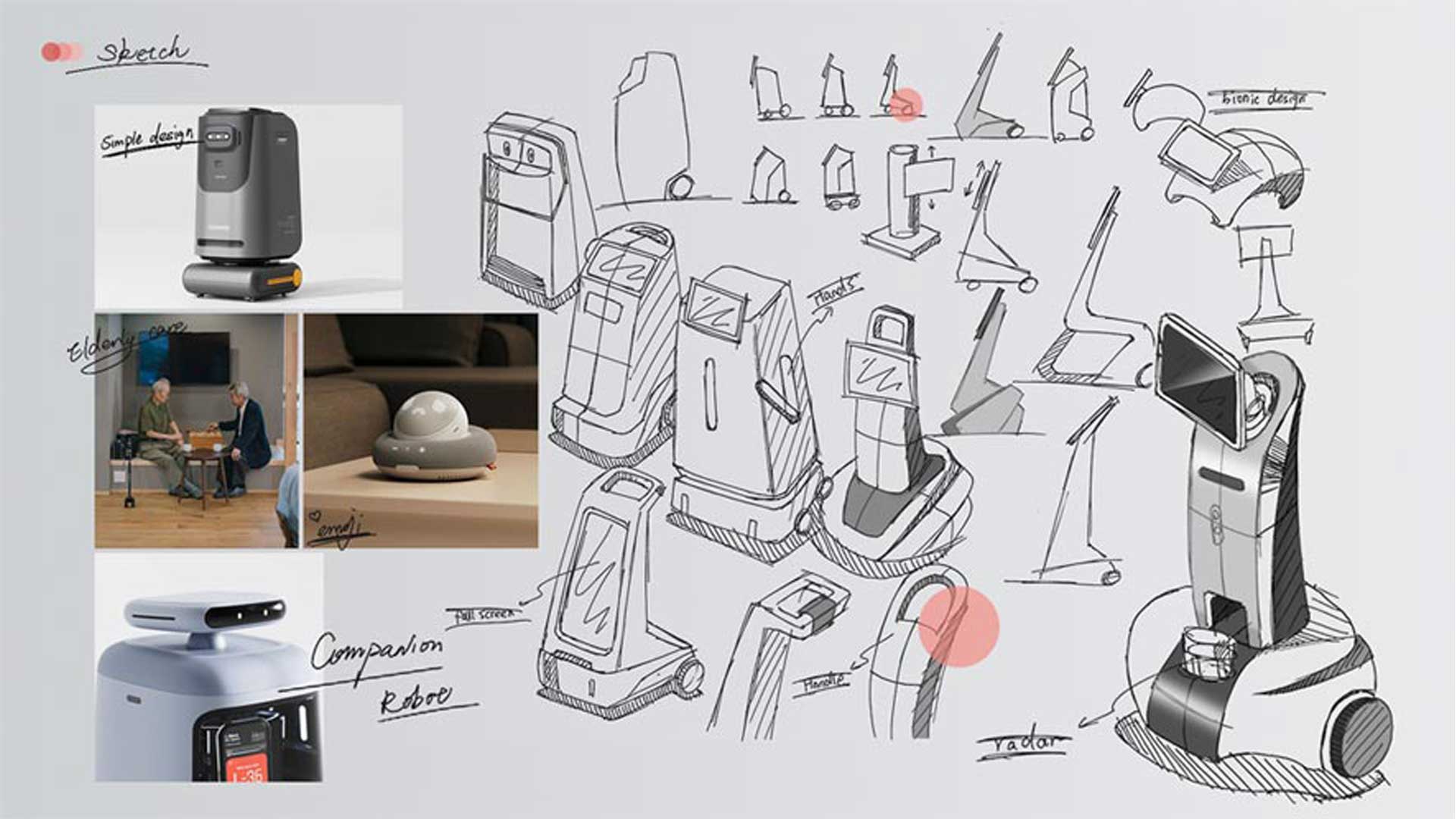
A walking or wheeled robot shows this well. Its legs, joints, and sensors have to be built and tested together, since one bad part can throw off its balance on rough ground. That’s the challenge behind OPD’s robotics and IoT work, where software, sensors, and frame design line up from day one.
These builds need close teamwork. One loose joint can throw off balance, and one bad cable route can jam a moving arm mid-task. Getting this right takes more than good code. It takes hands-on product engineering services that test real joints, weight, and balance, not just a model on a screen.
Early test units catch these clashes fast. It’s far cheaper to fix a bad joint on a test build than after the molds are cut.
8. Sustainable Materials and Manufacturing
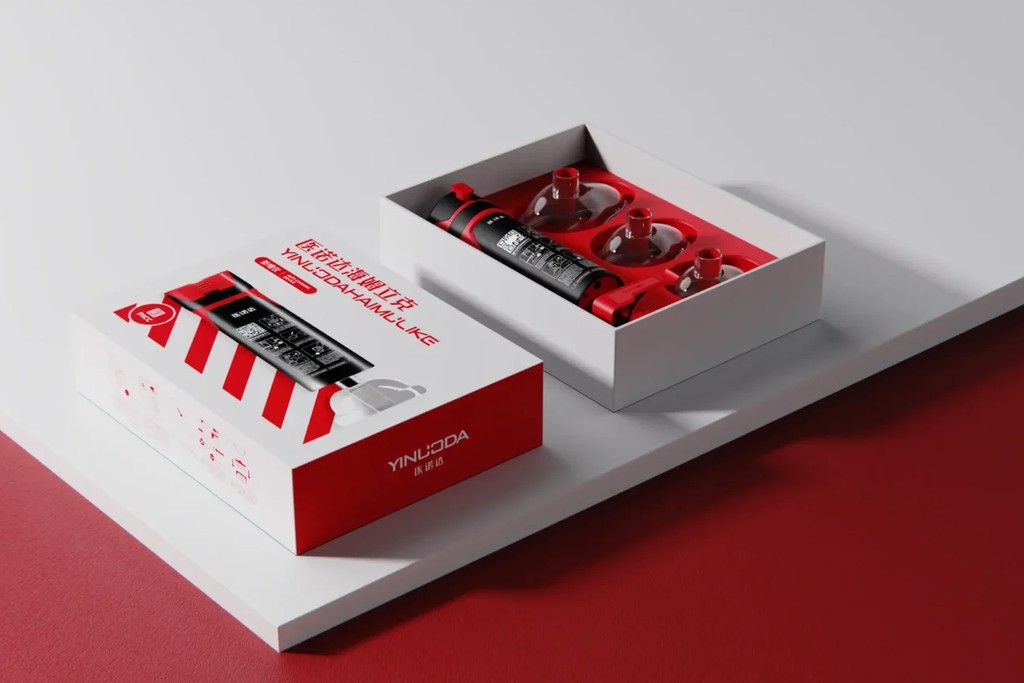
Buyers now care where a product comes from, and what happens once it’s thrown away. This pushes green choices earlier into the design, not tacked on as a marketing line at launch.
Some brands have leaned into this hard. They build products meant to be taken apart and remade instead of tossed out, following circular economy design principles. That shift often starts in product packaging design, since packaging waste is one of the easiest places to cut.
Smart teams cut waste a few ways:
Using fewer parts, so there’s less to source, ship, and assemble
Picking materials that can be reused or recycled with ease
Making products easy to fix, so they last longer in a user’s hands
Making the build simple, with less scrap left on the factory floor
Cutting back on packaging that ends up in the trash within minutes
Each swap changes something else, like weight, cost, or finish. A skilled product design firm weighs these trade-offs at once. It doesn’t add green claims at the end, once the hard choices are already locked in.
9. Flexible and Tiny Electronics
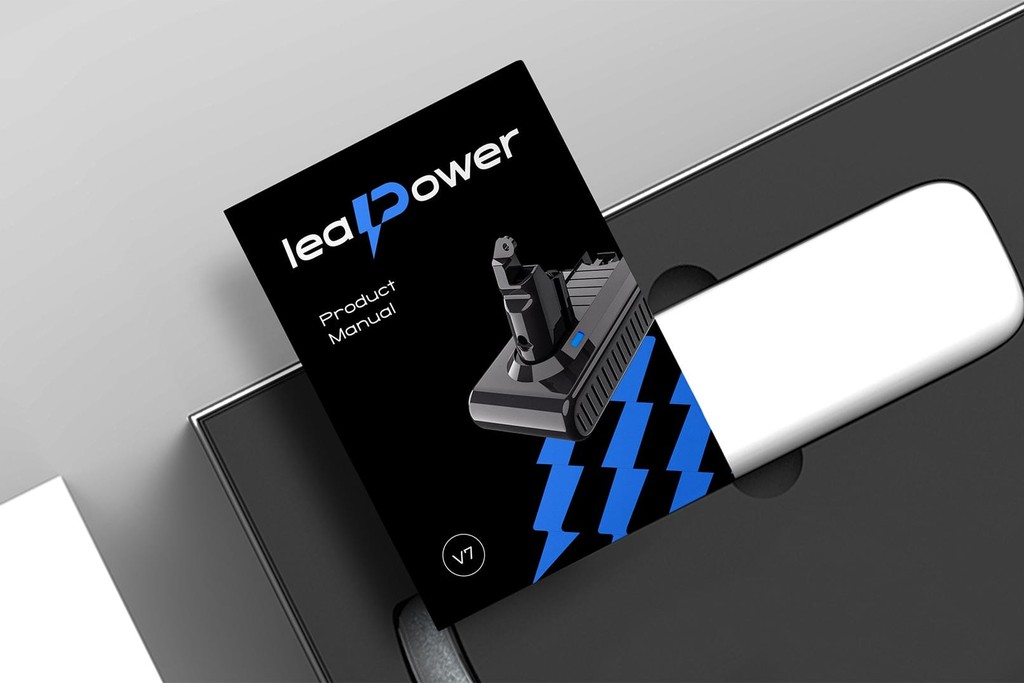
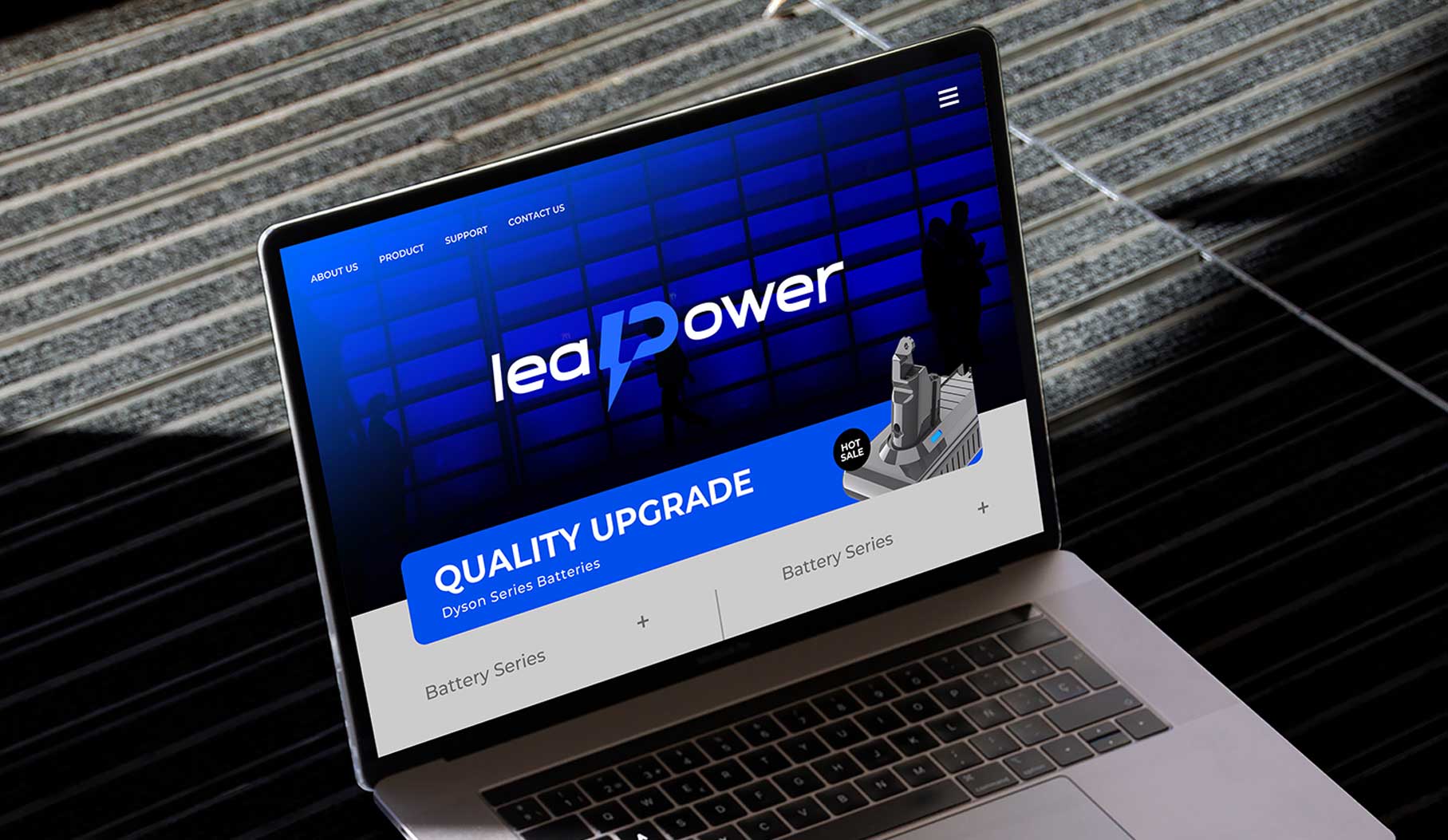
Bendable circuits and tiny sensors let teams build thinner, foldable, more compact goods than ever, from slim wearables to compact medical tools. It’s the same packaging challenge behind OPD’s leaPower accessory line. Modern foldable phones show how far this has come. They pack a full display, battery, and camera into a body that folds flat in your hand.
But small parts leave less room for error. Wires, batteries, and heat get harder to manage as the case shrinks. A design that looks fine on screen can turn out too tight to build.
The fix is simple: plan the parts and the case together, not one after the other. Then let test builds confirm nothing rattles loose once it’s packed in tight.
10. Smart Manufacturing and NPI
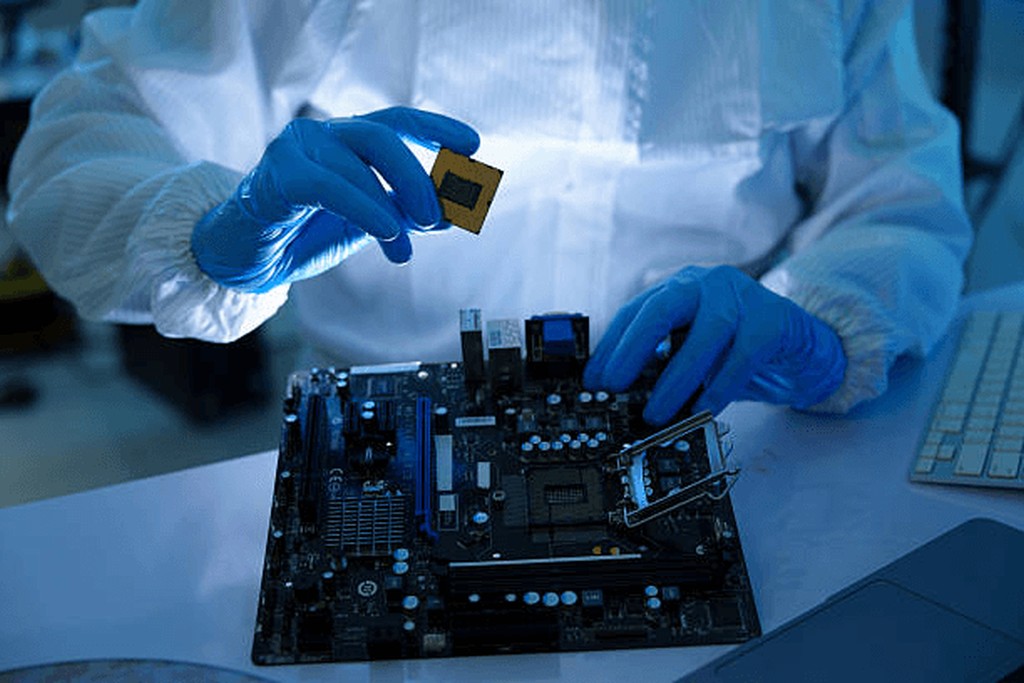
The last shift isn’t one single gadget. It’s how design teams and factories now work as one team, from the first sketch to the loading dock. This process is called New Product Introduction, or NPI.
Large-scale electronics plants show what this looks like at real volume. Design, testing, and production sit under one connected process, not separate handoffs. Good manufacturing support services bring that same discipline to smaller runs too.
A typical path looks like this:
Concept → Test Build → Design Check → Trial Run → Full Production
It’s tempting to skip steps when a launch date is close, but that’s risky. A part that works fine in a lab can fail once a factory builds 10,000 units a day at real-world tolerances. Planning for the factory from day one avoids that shock.
Why Prototypes Still Drive Every Great Product
Tech alone doesn’t sell a product. Real people still have to like using it and reach for it again the next day.
That’s why test builds sit at the heart of good product work. They let designers check comfort, engineers check strength, and teams gather honest views before mass output locks it in.
The loop is simple: design, build, test, fix, and build again. This cycle catches small flaws, like a button that sits wrong or a case that runs hot. That way, they don’t turn into costly errors that show up in customer reviews. Solid product reliability testing closes this loop, since it checks a design against real-world stress, not just a lab bench.
Skipping this step almost always costs more later, in returns, bad reviews, or a rushed redesign.
Why China Is a Smart Home Base for Product Builds
Shenzhen has something few cities can match: a huge web of parts makers, mold shops, and build partners. All of them sit a short drive apart.
That closeness speeds up feedback. Instead of a two-week wait for a reply overseas, teams can walk a test part down the street. They can get an answer the same day. A small mold tweak or material swap can happen in hours instead of weeks.
This is why many founders now look for a product design company china teams can trust for both design and build work. They want it all in one place. Good factory access still needs strong design skill behind it, or all that speed goes to waste.
What to Look for in a Product Development Partner
Not every shop can carry a product from sketch to shelf. A strong partner should offer:
- Brand and product strategy
- Look and feel design
- Frame and parts design
- Test builds and trials
- Design for the factory (DFM)
- Mold work and NPI
- Full-scale production
This kind of setup cuts the risk of your product moving through many hands that don’t line up. It also means design choices get checked against real factory limits early, not once the tool bill lands.
Turn New Tech Into a Real Product
AI, robots, smart sensors, and green materials are opening doors that didn’t exist a few years back. But turning a smart idea into a shelf-ready item still takes the same steps: sound design, solid parts work, and real factory know-how.
At OPD Design, our team brings design, parts engineering, and skilled rapid prototyping services together under one roof in Shenzhen. We take any smart wearable, connected gadget, or robot product from a first sketch to a full run.
Got a product idea that uses new tech? Talk to our team about a product build partner who can guide it from idea to shelf, start to end.
Frequently Asked Questions
1. How long does it take to build a first prototype?
It depends on the tool. A simple 3D print can be ready in a day or two, while a CNC part or small cast batch may take one to two weeks.
2. Do I need a factory-ready design before I approach a manufacturer?
No. Most experienced teams can start with a rough sketch or working prototype and refine it for the factory floor. This includes checking wall thickness, draft angles, tolerances, and other manufacturing requirements.
3. Is it cheaper to design and build in one place, or split the work?
Splitting design and build across different vendors often adds costs through delays, communication gaps, and rework. Having one team handle both stages can help move the project faster and catch problems sooner.
4. What’s the real risk of skipping a working prototype?
A part that looks fine on screen can fail once real-world tolerances and daily handling are involved. These issues may only surface after tooling has been cut, making them much more expensive to fix.
5. How many prototype rounds does a typical hardware product need?
Most hardware products go through two to four prototype rounds. This may include a looks-like model and a works-like unit. Teams often add one or two more rounds to fix issues before a pilot production run.


![product packaging design services — structural and brand packaging by OPD Design]](https://www.opd-design.com/wp-content/uploads/2025/12/packaging.jpg "OPD DESIGN | 10 New Technologies Shaping Product Design in 2026 — OPD Design")