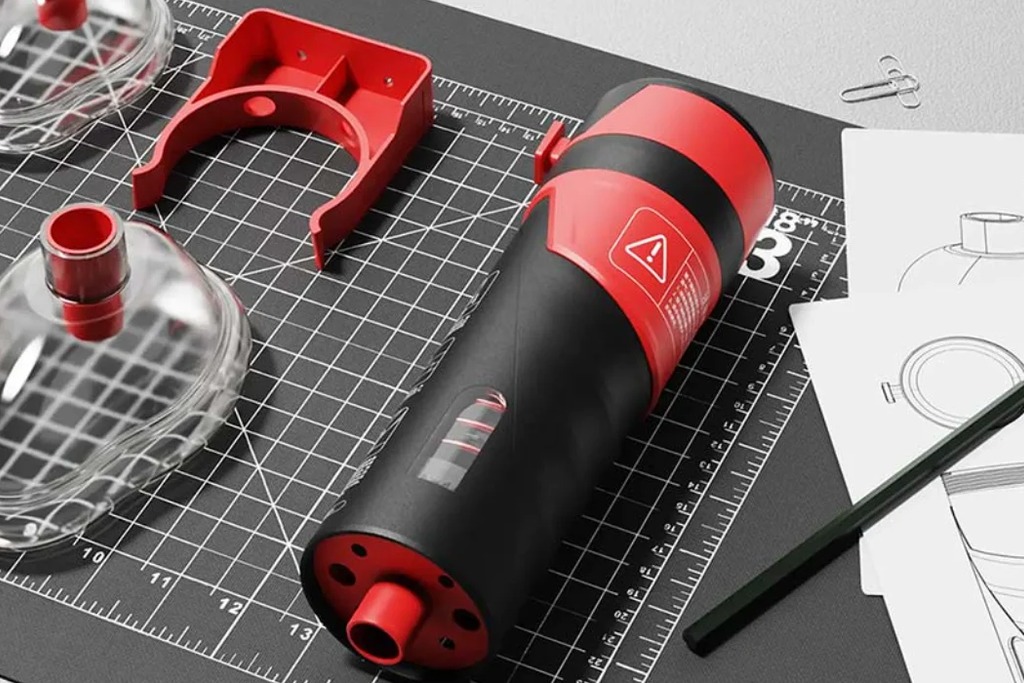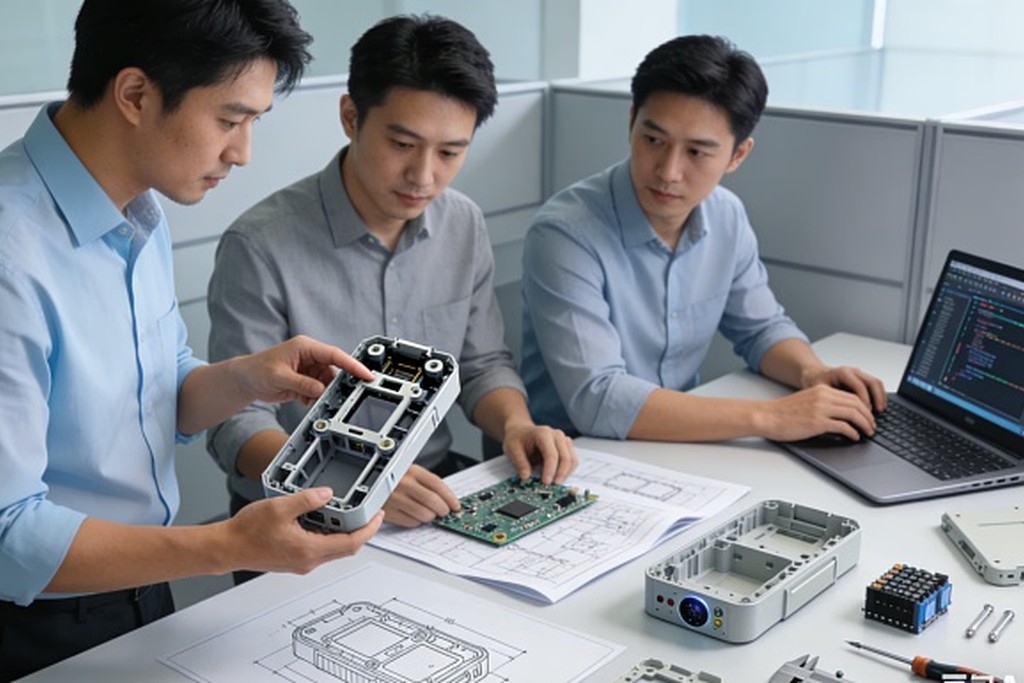


A good mechanical design partner can change how a product works, how long it lasts, and how easy it is to build. That’s the real value of mechanical design services: they take a raw idea and turn it into something that holds up at real scale, not just in a demo.
Hardware teams often face the same problem. A product can look great in a render but still fail in real use. Parts may not line up. A housing may flex when it should stay firm. Assembly may also take longer than planned. These problems often appear on the factory floor, after tooling is cut. Finding them that late can be very expensive.
Good engineering helps catch these problems early. This can prevent costly tooling changes later. It also helps teams choose the right materials and build methods before those choices become expensive. Research by manufacturing expert Geoffrey Boothroyd found that design work may account for only about 5% of total product cost. Yet design decisions can set about 70% of the final build cost.
Why Mechanical Engineering Matters
Good design is more than a pretty 3D model. It’s about how a product feels in someone’s hands, on a shelf, or inside a shipping box after a two-day truck ride.
Engineers look at the structure, moving parts, materials, and fit. They also check how the product will perform over time. A phone case that must survive a 6-foot drop needs different design choices from a medical device housing. The two products may look similar on a spec sheet, but their needs are very different.
A capable mechanical engineering service ties these needs directly to performance and ease of production. Internal parts, structure, and function get reviewed together, not treated as separate boxes to check. This usually comes down to five goals that all pull on each other:
| Goal | What It Means | Common Trade-Off |
| Performance | How well the parts work together | More strength can add weight or cost |
| Durability | How well the product handles daily use | Thicker walls can slow cooling |
| Production | How easily the product can be made | Simple shapes may limit design options |
| Assembly | How easily the parts fit together | Fewer parts may need tighter fits |
| Cost | Material and build costs | Better materials may reduce profit |
No single goal wins on its own. A stronger part might need thicker walls, and that adds cost and cooling time. A skilled engineer won’t chase one goal alone. Instead, they’ll find the balance that fits your budget, volume, and timeline.
How Engineering Improves Product Performance

Performance starts with structure. A strong structure helps a product survive normal wear and cuts the risk of damage from drops, pressure, or thousands of open-close cycles. Engineers check the details that help a product stay reliable. They look at strength, stiffness, sealing, and stability. They also review ribs, wall thickness, fasteners, and gaskets. These details help control how a part handles stress and load.
Strength and Stiffness
Strength tells you how much load a part can take before it breaks. Stiffness tells you how well it holds its shape under that load. Both are important. However, improving one too much can hurt the other.
Take a handheld product. The outer shell usually needs to stay stiff so it won’t flex under a firm grip. A hinge or button, though, needs just enough give to avoid cracking after 10,000 clicks. Good design can catch this problem before the mold is made. Engineers may use finite element analysis (FEA) to test how a part handles stress. This helps them choose the right wall thickness instead of relying on guesswork.
Better Part Fit
Parts have to fit together with the right clearance, not too tight and not too loose. Poor fit shows up as rattling, squeaking, friction, or parts that won’t snap together on the line.
Engineers check dimensions and gaps to make sure parts fit as planned. Even a 0.1 mm gap can affect a snap-fit closure. The right gap can create a clean click. The wrong gap can lead to a cracked part.
Better Use of Internal Space
Modern products pack a lot into very little room. A single compact device might need a battery, sensors, wiring, a circuit board, and a motor, all inside a housing the size of a deck of cards.
Good design helps arrange these parts without overlap or excess heat. Early layout choices affect the product’s size and performance. This is very important for compact electronics, where space is limited. Even a small battery move can affect how well the device handles heat.
How Mechanical Design Services Support Ease of Production
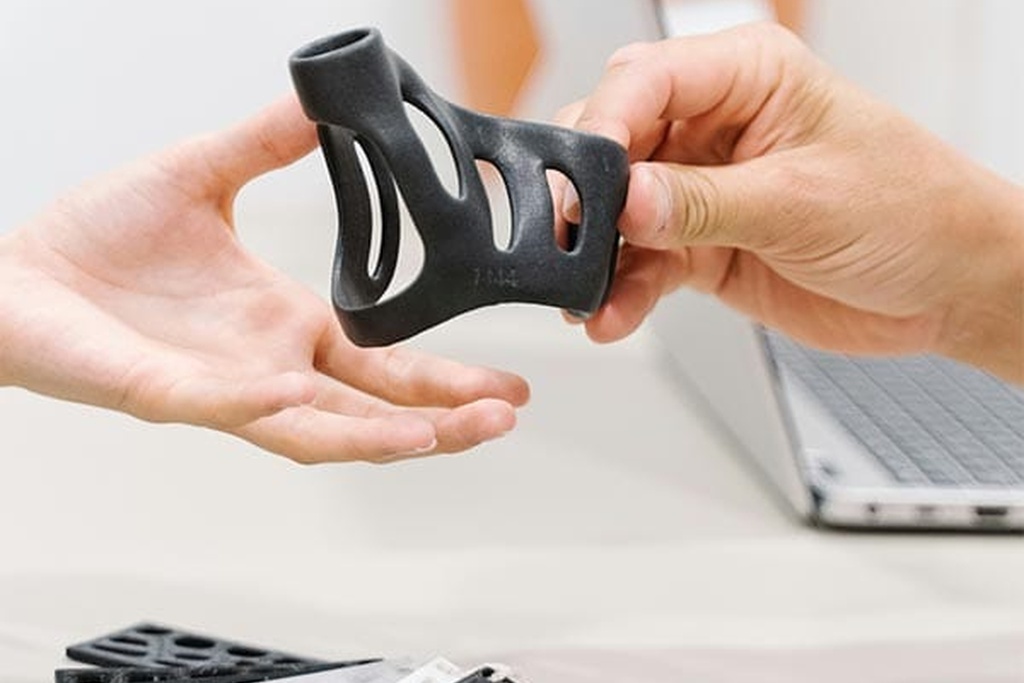
A product is not ready just because its prototype works. It must also be easy to build the same way every time. This matters even more when thousands of units are produced. The process should not depend on constant manual fixes.
This is where mechanical design services earn their keep. Engineers review the product with production in mind:
- Material choices
- Part shapes and draft angles
- Assembly methods
- Tolerances
- Fasteners and inserts
- Build methods, like injection molding, CNC, and sheet metal
- Where parts sit inside the housing
- Tooling needs
Ease of production means the product gets built the same way every time, with no surprises. ASME’s research on design for manufacturing notes that bringing manufacturing engineers in early is one of the best ways to avoid costly rework later.
Key Areas Engineers Review
Material choice affects strength, weight, toughness, cost, and how the part gets made. A polycarbonate blend might survive a drop test better than ABS, but Xometry’s materials comparison shows polycarbonate often costs more per kilogram and needs different mold cooling times. The right pick depends on the job and the volume.
If a tolerance is too loose, parts may rattle or leak. If it is too tight, more parts may be rejected. Even a well-run molding process has small variations. Good tolerance planning keeps the fit and function right while matching what the manufacturer can achieve.
A product may have dozens of parts. Each one must be placed and secured by hand or machine. Fewer parts can make production faster and more consistent. For example, reducing a design from 40 parts to 25 can save time and money on every unit.
Heat and protection: Some products need protection from heat, moisture, impact, or dust. The structure must leave room for cooling vents, gaskets, or sealed housings. Work these out before the design is locked, not during testing for an IP66 rating.
From Concept to Working Prototype
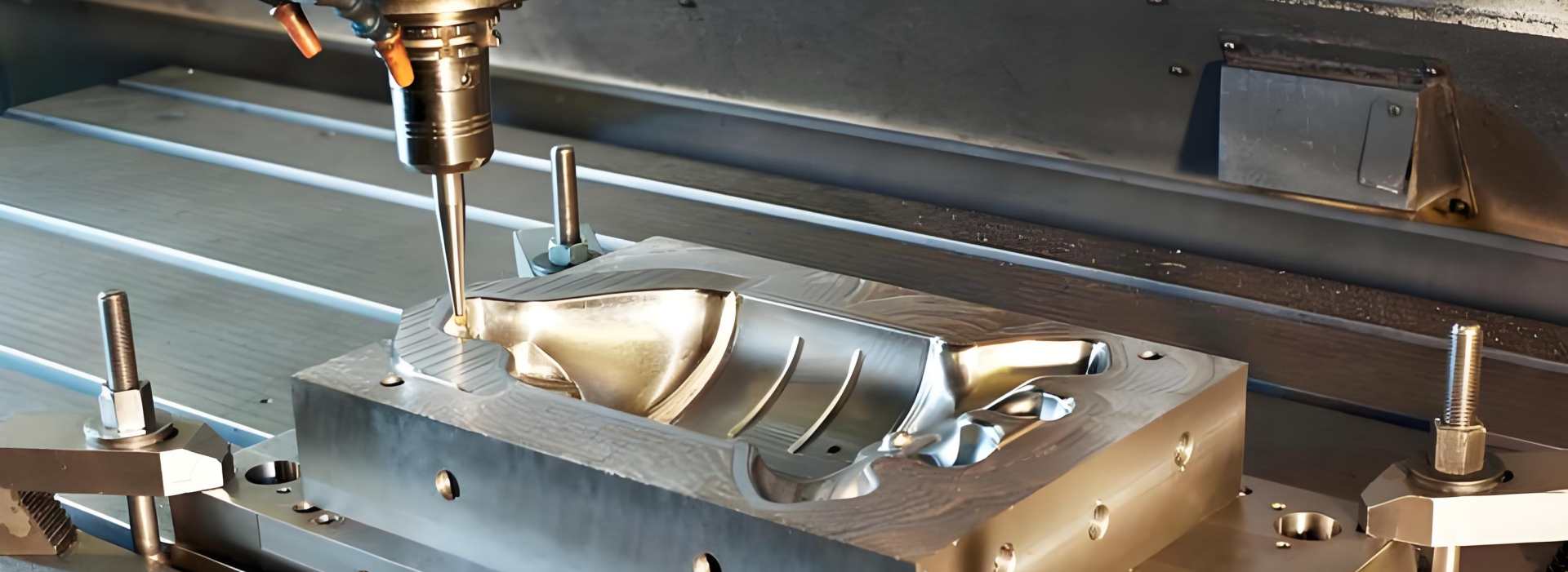
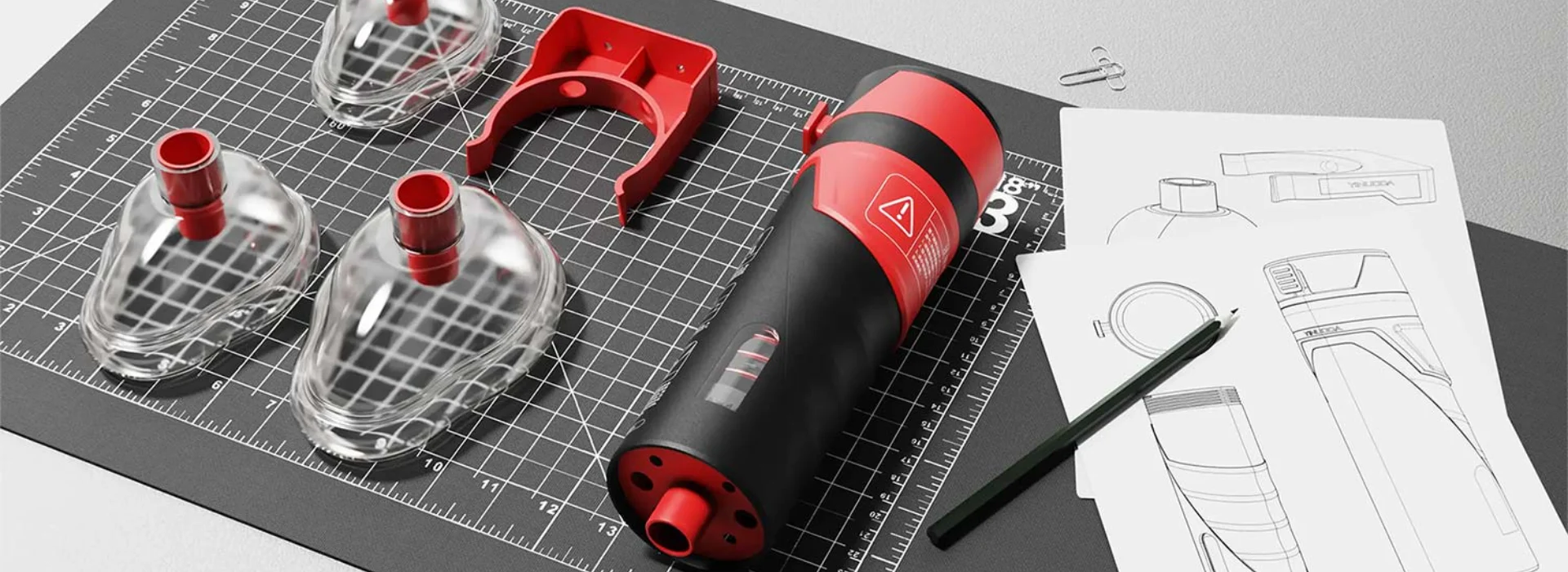
Solid mechanical product development works best as a clear, step-by-step process, not one big leap from idea to finished part. It starts with user needs, goals, materials, and performance targets. From there, engineers sketch early concepts, which grow into detailed drawings, 3D CAD models, and prototypes.
A CAD model lets the team check dimensions and fit long before a physical prototype exists, which saves both time and cost. Modern CAD tools also run simulations, so engineers can stress-test a design on screen before building it. A working prototype then gives the team something real to test under real conditions, not just simulated ones.
A Practical Example

A beverage dispenser project shows this process in action. A dispenser like this needs parts that work as one tightly controlled system. Valves have to seal the same way after thousands of cycles, and the structure has to hold up without drifting out of calibration. The goal wasn’t just to make the concept work once — it had to keep working at scale while staying affordable to build.
A handheld device project tells a different story, focused on structure and grip feel. A handheld product lives or dies on how it feels in someone’s hand, so the team works through grip shape, button travel, and shell stiffness together.
These two examples show why the work varies so much by product type. A dispenser and a handheld device face very different kinds of stress, so the same playbook rarely fits both.
Why an Integrated Design Process Matters
This kind of design rarely happens on its own. It has to work alongside industrial design, hardware, prototyping, mold work, and the factory floor, often on the same timeline.
For example, industrial design might set a product’s outer shape first. Engineers then fit batteries, boards, and moving parts into that shape. They must do this without affecting the product’s look. The design may also need small changes to meet tooling limits.
Keeping design and production teams in sync tends to surface problems weeks earlier than passing a design between separate outside vendors — one of the biggest reasons teams choose a single partner for design and manufacturing support.
Choosing the Right Mechanical Design Company
Picking a mechanical design company should mean more than checking their CAD software list. Look for a team that gets both performance and the realities of production. Ask how they handle:
- Gathering product needs
- Material selection
- CAD modeling
- Structural design
- Prototype testing
- Assembly planning
- Manufacturing fit
- Design changes mid-project
It’s also worth checking if the team can support more than one stage of the work. A team that knows the full process, from sketch to shipped product, tends to catch issues weeks before a team that only sees one slice of the job.
When Should Mechanical Engineering Begin?
As early as possible. Waiting until the end of a project makes changes harder and pricier, since a late fix might touch the outer shell, inside layout, tooling, and existing test parts all at once.
Starting early gives the team more room to explore options before anything gets locked in. NIST’s work on early-stage cost estimation reaches a similar finding: checking cost and build needs early gives teams far more room to move than trying to retrofit ease of production into a finished design.
A Simple Mechanical Design Checklist
Before moving toward production, run through these:
- Does the product do its core job reliably?
- Are the parts strong enough for real-world use, not just lab tests?
- Do the parts fit together the same way, unit after unit?
- Is the chosen material a good fit for the job and the volume?
- Can the product be built without special tooling or extra labor?
- Are tolerances clear and realistic for the process?
- Has the design been tested under real conditions, not just simulated ones?
- Have build needs been checked by someone who’s run a line before?
Done early, this kind of check catches gaps that would otherwise show up much later, and cost far more.
Ready to Improve Your Product Design?
Better performance almost always starts with smart calls made early, not late. A strong product needs more than a good idea. It needs a structure that holds up, parts that fit the same way every time, and a design that can be built at scale without constant firefighting.
A solid mechanical engineering service supports all three. Engineers review structure, materials, fit, tolerances, assembly, and build needs, then use CAD models and prototypes to catch problems early. That’s why design work should start on day one, not arrive as a final check before launch.
If you’re building a new product, take a hard look at structure, materials, fit, assembly, and build needs before you commit to tooling. Working with a team that offers mechanical design services alongside prototyping and production support can move a product from concept to production readiness without handoffs between vendors. Have an idea, or a design that needs a second look? Worth talking it through before tooling gets locked in.
Ready to bring your product idea to life? Contact OPD Design to discuss your project and explore the next steps.
Frequently Asked Questions
1. What does a mechanical engineering service include?
It can include product structure, CAD modeling, material review, assembly planning, prototyping, and manufacturing planning. These steps work together as one process.
2. How does mechanical design improve product performance?
It strengthens structure, fit, toughness, and stability, and makes sure a product’s internal parts work together under real-world stress.
3. What’s the difference between mechanical design and industrial design?
Industrial design focuses on looks and feel. Mechanical design focuses on structure and function — how it works and holds up.
4. Why does ease of production matter so much?
It helps a product get built reliably at scale, which cuts down on costly changes once tooling is already locked in.
5. When should mechanical engineering start?
Lorem ipsum dolor sit amet, consectetur adipiscing elit. Ut elit tellus, luctus nec ullamcorper mattis, pulvinar dapibus leo.
6. Can mechanical design support an existing product?
Yes. It’s often used to refine a product already on the market, boosting toughness, performance, or ease of production without a full redesign.