
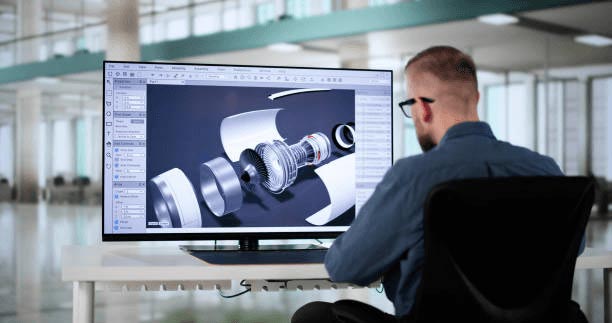
Industrial design Company in China now use AI at almost each stage of product work — studying user needs, sketching design ideas, reviewing test data, and planning plant work.
AI isn’t just for generating images or text. It can also work through large, messy sets of data, which is handy since sorting survey answers by hand takes forever. NIST’s AI and smart manufacturing roadmap notes that AI and machine learning are being explored across industrial data, sensing, robotics, digital twins, and supply chains.
Still, AI doesn’t replace skilled people. Designers and engineers check each result, since AI has no sense of taste for what works.
How AI Is Changing Industrial Product Design
Industrial design has to solve many problems at once. A product needs to look good, be easy to use, and be simple to manufacture at scale.
For instance, a smart speaker needs to look good on a shelf. It also needs to respond quickly to voice commands. Additionally, its layout has to allow for smooth injection molding, all while keeping the parts list under budget. That’s just where AI tools start to help.
AI can support teams from the start, sorting user feedback into groups and comparing features faster than a person alone.
AI-made design is another common use case. So a designer gives the software rules to follow — size, weight, strength, material, or how a part gets manufactured — and the software creates many options that meet them.
So this saves real time and lets teams review more options before picking a direction.
But AI doesn’t make the final call. A designer still has to judge the shape, feel, and usability of a product.
OPD Design’s industrial design service covers research, concept design, 3D modeling, CMF work, prototyping, and design support all the way through production.
AI and Product Plan
Good product work always starts with a clear plan. Before design begins, a team needs to know who will use the product and what problem it solves. Skip this step, however, and even a great-looking product can miss the market.
AI can sort through large amounts of research quickly, grouping thousands of comments into clear themes. It might show that battery life comes up in 40% of reviews, while design comes up in 12%, helping a team decide what to fix first.
However, data still needs a human eye. A tool might spot a pattern without knowing why it matters, or mistake noise from one group for a real trend.
OPD’s product development plan service helps define user needs, product functions, costs, risks, and the path from idea to development.
So a clear plan should answer a few key questions early on:
- Who is the product for?
- What problem does it solve?
- Which features matter most, and which are just nice to have?
- What could make the project hard — cost, supply chain, or technical risk?
- What should the team test first?
AI can speed up the research. But people still set the direction.
AI in Mechanical and Electronic Development

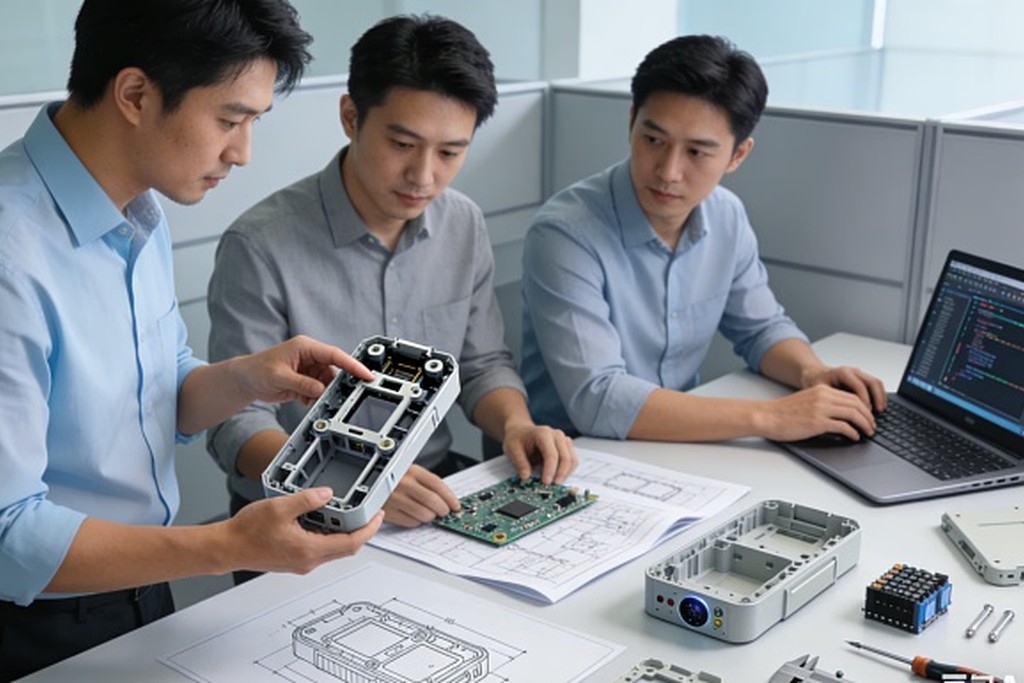
Physical products almost always need mechanical and electronic work to come together the right way. Mechanical parts must fit, move correctly, and handle heat, weight, and years of daily use.
So AI can help engineers study test data faster and compare design options side by side. Mechanical design services cover product structure, parts, and CAD work — linking the outer design with the parts inside.
Electronics add one more layer of work. An electronic firm often works with circuit boards, sensors, batteries, radio links, and firmware, so these systems generate huge amounts of test data.
AI can help review that data fast, flagging an odd spike in heat, power draw, or signal noise. That’s easy to miss by hand but can cause real problems months later.
Software is often part of a connected product too — embedded systems, IoT, mobile apps, and cloud links. So hardware and software work as one system, not two projects stitched together late.
AI and Product Testing
A digital model shows how a product should work in theory. A real sample shows what happens, and that gap matters more than most teams expect.
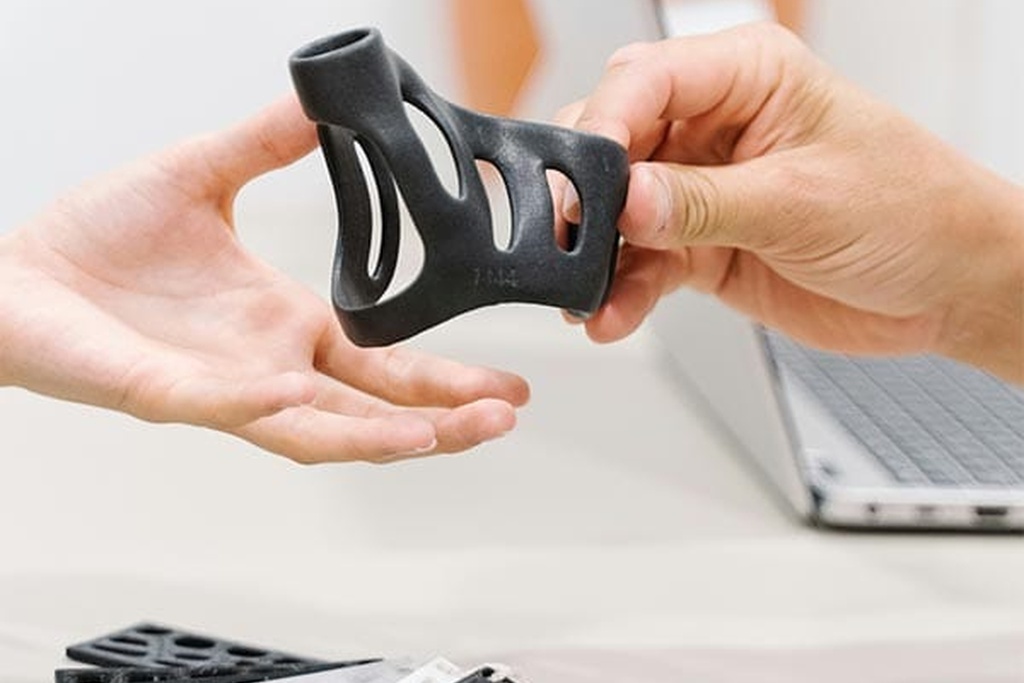
A prototype might, however, reveal problems with grip, fit, heat, noise, or assembly that never showed up in a test model. Teams can therefore fix these issues before a full production run, when changes get far more costly.
AI can help review data from these tests, sorting results and finding patterns across dozens of test runs. This creates a simple cycle:
Design → Build → Test → Improve → Test again
This cycle cuts down on guesswork and gives teams solid facts before they commit to tooling.
NIST is also studying digital twins for advanced manufacturing. A digital twin is a virtual model of a real product or process. It uses live data to show how the product behaves. This helps teams spot issues early and improve production without shutting down the line.
The goal isn’t to remove real-world testing. Instead, it’s to make each round count for more.
AI in Manufacturing
A product isn’t ready just because the first sample works. It also has to be made in a stable, steady way at full volume. Parts need to fit each time. Materials need to behave the same way. Assembly steps need to be clear enough for a plant floor team to follow without guessing.
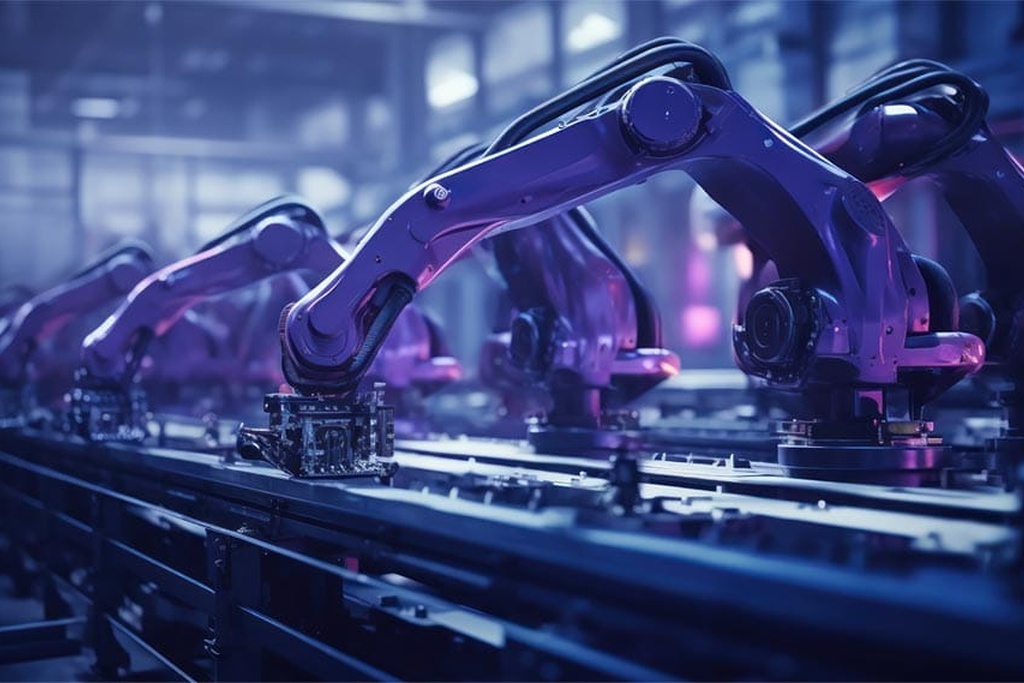
So AI can help by watching plant data closely, flagging odd results and helping with quality checks on a production line. It’s becoming a standard part of smart manufacturing, catching patterns a human inspector might miss.
Even so, people still need to read those results, since AI can flag something unusual but can’t judge if it’s a real defect or normal change.
For a product development company in China, the link between design and production is therefore critical. So plant needs should be planned early, not bolted on at the end. A design that’s hard to mold or assemble can lead to delays and costs nobody planned for.
AI Across Product Development
| Stage | How AI Can Help | Human Role |
| Research | Find patterns | Set user needs |
| Plan | Sort data | Set product goals |
| Design | Make options | Choose the direction |
| Engineering | Review test data | Check the design |
| Testing | Find patterns | Decide what to change |
| Production | Review plant data | Set quality standards |
AI can support each stage above. But people stay in charge of the calls that carry cost and risk.
A Real AI Product Example
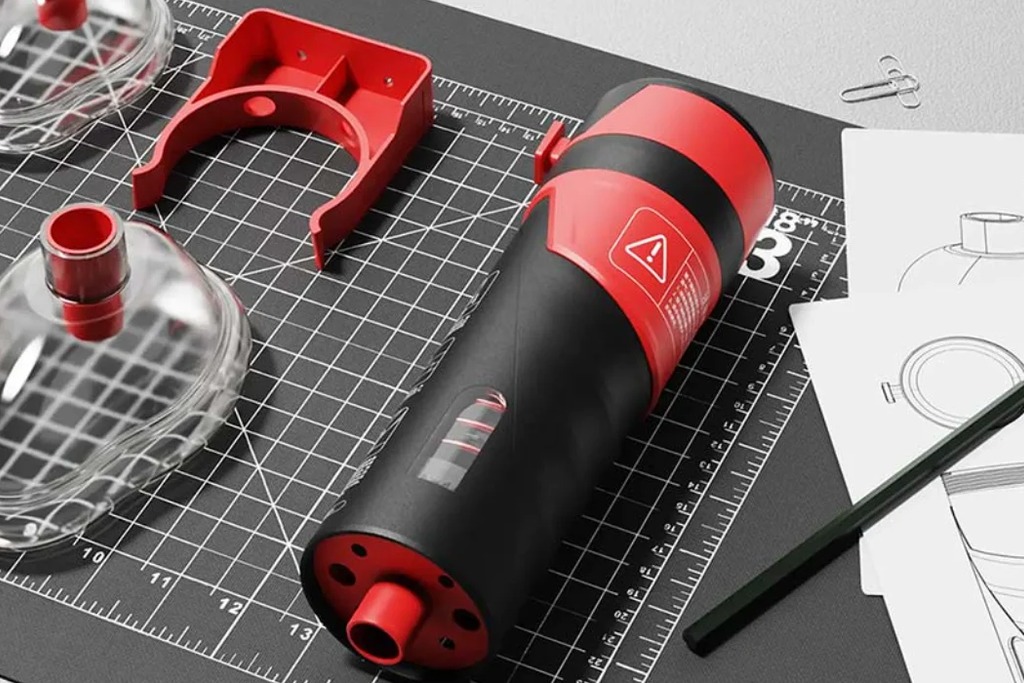
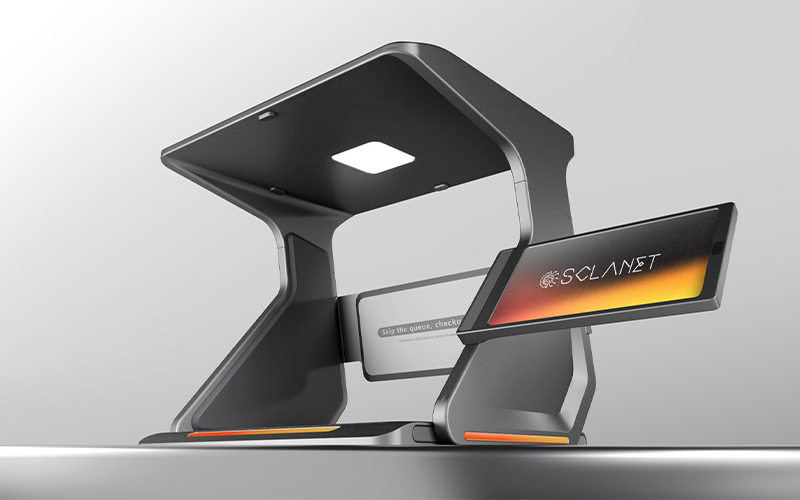
AI is already part of real product work, not just a slide-deck idea. One OPD Design project is an AI interactive terminal, showing how AI forms part of a bigger product process rather than the whole product.
So this example makes a key point: the AI feature is only one part of the product. The device still needs a clear form, parts that fit, and a full round of testing and production planning before it ships.
That’s why a good AI-powered product takes more than a smart model — it takes a full product process around it.
Why People Still Matter
AI can process data at high speed and make dozens of design options in minutes. But it doesn’t fully know people — how a product should feel in someone’s hand, or why a button spot annoys users even when it “tests fine” on paper.
However, a designer has to think about how a product feels to use. An engineer has to check it performs well in real-world settings. A production team has to know whether it can be built at steady quality, at scale.
AI can also make mistakes. Bad input data leads to bad output, and a model built to cut weight might quietly work against part strength without anyone noticing.
NIST is also studying how people and AI can work well together in manufacturing through its research on human and AI teamwork. This work looks at how humans and machines work together around digital twins. It supports a simple idea: AI can assist skilled teams, but people stay part of the calls that matter most.
The Value of One Connected Process
Modern products often combine many skill areas at once — industrial design, mechanical engineering, electronics, software, prototyping, packaging, and production support, all moving forward together.
However, when these tasks get planned apart, problems tend to show up late, and late fixes cost real money. For instance, a circuit board might not fit inside the case. A part might look great in a rendering but be hard to mold at a fair price. Or a prototype might show that a key feature needs a redesign right after tooling has started.
A linked flow catches these issues earlier, while changes are still cheap to make. NPI, or New Product Introduction, connects plan, design, engineering, prototyping, and manufacturing into one workflow. Consequently, this helps teams catch problems before mass production, when a single tooling change can cost tens of thousands of dollars.
What Comes Next for AI and Product Design
So AI will likely become a standard tool for product teams within a few years, the same way CAD software did. Designers may use it to explore concepts faster. Engineers may use it to study test results at scale. Plant teams may use it to monitor data in real time.
The bigger shift may be how these stages connect. Data from early research can flow into design rules, and design data can flow into manufacturing plans, making product work less dependent on guesswork at every handoff.
For an industrial product design company, the goal shouldn’t be to use AI just because it’s trendy. The better question is simple: can AI solve a real problem here? If yes, it’s worth using.
Conclusion
AI is changing industrial product design and product development in real, clear ways. So it helps teams study data faster, explore more ideas, and support plant work with fewer blind spots.
But AI isn’t the whole answer. Good products still need clear planning, solid design, sound engineering, real-world testing, and solid production work — none of that goes away.
For companies seeking a product development company in China, the process matters just as much as the tools. The strongest results happen when AI supports skilled people rather than replacing them. Teams get the speed benefit while keeping control of the calls that truly matter.
That balance is what turns a rough idea into a product that’s handy, well-tested, and truly ready for production. If you’re planning a new product and need support from concept to production, contact OPD Design to talk through your project and find the right approach for your team.
FAQs
1. How is AI used in industrial product design?
AI can review user data, find patterns, and generate design options. Designers then evaluate those options and choose the best path forward.
2. Can AI design a complete product?
No. AI supports many tasks, but a finished product still needs design judgment, engineering checks, and real-world testing.
3. How can AI help an electronic product development company?
AI can review large volumes of test data quickly, spotting odd patterns in heat output, power use, and system performance.
4. Does AI replace industrial designers?
No. AI supports research and design tasks, but people still make the calls about users, form, function, and real-world use.
5. Why are prototypes still needed?
A physical sample reveals issues a digital model often misses, letting teams check fit, feel, function, and real-world use.
6. How can AI help manufacturing?
AI can review plant data and flag odd patterns early, helping with quality checks while production experts make the final call.