

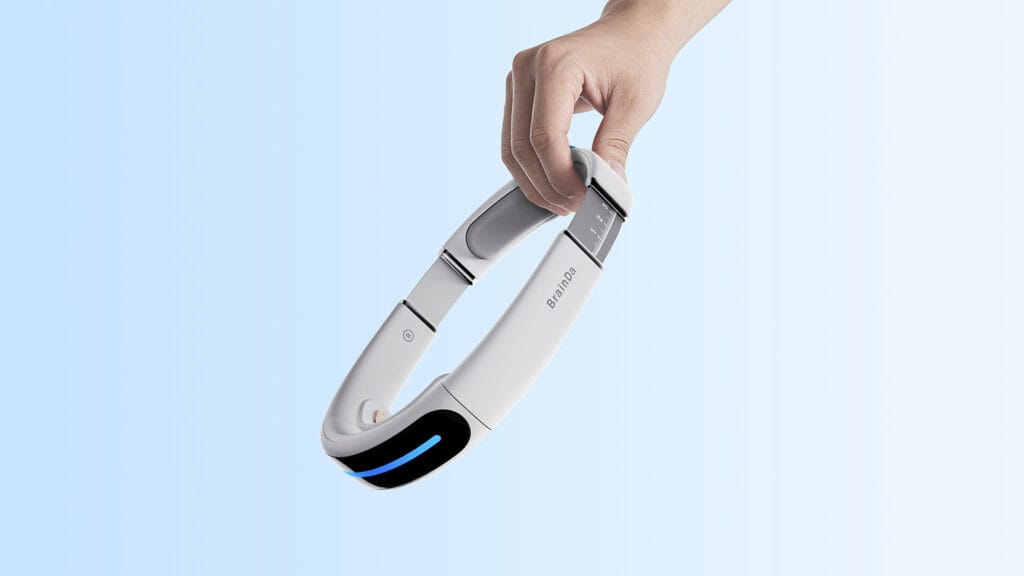
A successful product is more than a good idea. It needs the right design, reliable engineering, careful testing, and a manufacturing plan that works in the real world.
Many businesses focus on the product first and think about manufacturing later. That approach often creates problems. A product may look impressive in a 3D model but still be difficult or expensive to produce. Design changes at a late stage can increase costs, delay production, and slow down the product launch.
This is why many companies work with a product design company in China. Instead of managing several suppliers, they choose one team that handles product design, engineering, prototyping, and manufacturing preparation. Keeping these stages connected reduces mistakes and speeds up decision-making.
China has become one of the world’s leading locations for product development. According to the World Bank, the country has one of the largest manufacturing sectors in the world, supported by strong supply chains and modern industrial infrastructure. This ecosystem allows businesses to move from design to production more efficiently.
Whether you are developing a consumer electronic device, a medical product, industrial equipment, or a smart home solution, choosing the right development partner can save time, reduce risk, and improve product quality.
Why More Companies Are Choosing China for Product Development
For many years, businesses viewed China mainly as a manufacturing hub. Today, it is also a leading destination for product design and engineering.
China’s connected manufacturing ecosystem is one of its biggest strengths. Designers, engineers, suppliers, prototype workshops, and factories often work within the same industrial regions, allowing teams to solve problems and move projects forward more quickly.
Take Shenzhen as an example. The city is a global electronics hub where businesses can source components, build prototypes, test designs, and prepare products for manufacturing within one ecosystem.
According to the United Nations Industrial Development Organization (UNIDO), China accounts for the largest share of global manufacturing output. This strong supplier network and engineering expertise help businesses reduce development time and prepare products for production more efficiently.
For example, if a Bluetooth speaker prototype develops a heat issue, nearby suppliers and engineers can quickly test design improvements before manufacturing begins. This speed and collaboration are why many businesses continue to choose China for product development.
Companies that want both creativity and manufacturing expertise often choose an industrial design company instead of hiring separate design and engineering teams. Working together from the beginning reduces communication problems and creates products that are easier to manufacture.
Services Offered by a Product Design Company in China
Many people think product design is only about creating an attractive product.
In reality, the process is much broader.
A professional product design company in China helps transform an idea into a product that is ready for production. The work usually combines research, industrial design, engineering, prototyping, testing, and manufacturing planning.
Experienced teams connect every stage into one workflow. Designers and engineers work together from the beginning, helping solve problems earlier and keeping the project on schedule.
A typical project includes several important stages.
Product Research
Every successful product starts with research.
Before drawing the first concept, the team studies:
- Customer needs
- Market opportunities
- Product features
- Technical requirements
- Target manufacturing cost
These answers guide every design decision that follows.
Industrial Design
Once the project goals are clear, designers begin creating concepts.
Their work focuses on more than appearance.
They also consider:
- User comfort
- Ease of use
- Product size
- Materials
- Brand identity
For example, a portable medical scanner should feel comfortable during long periods of use. Buttons should be easy to reach, the display should be clear, and the housing should withstand frequent cleaning. Every design decision affects both the user experience and manufacturing process.
An experienced industrial design service combines creativity with practical engineering. Instead of creating concepts that only look good on screen, the design team develops products that can move smoothly into production.
Many businesses also choose an industrial product design service when they need support from concept development through engineering. This integrated approach reduces redesigns and improves communication between teams.
Engineering
Once the design is approved, engineers transform ideas into working products.
Their work may include:
- Mechanical design
- Electronic hardware design
- Component selection
- Material selection
- Structural analysis
- Thermal management
For smart products, engineering teams work closely with designers from the beginning. This prevents problems that might otherwise appear during prototype testing.
According to McKinsey & Company, decisions made during the early design stage can influence as much as 70% of a product’s manufacturing cost. Finding problems early is much less expensive than fixing them after production begins.
Prototype Development
A digital design can answer many questions, but it cannot replace a physical prototype. Prototype development allows engineers to test how a product performs before manufacturing begins.
During this stage, teams evaluate product dimensions, assembly, structural strength, heat management, and user experience. These tests help identify problems that may not appear in a digital model.
For example, a smart home controller may work well in CAD software. During prototype testing, engineers might discover that the Wi-Fi antenna is too close to a metal component, reducing signal strength. Moving the antenna before production prevents expensive tooling changes later.
Prototype testing helps businesses improve product quality, reduce development risks, and move into manufacturing with greater confidence.
Designing for Manufacturing (DFM)
A product should not only work well. It should also be easy to manufacture. This approach is known as Design for Manufacturability (DFM).
DFM encourages engineers to think about production while the product is still being designed. They review material selection, wall thickness, draft angles, tooling requirements, assembly methods, and component placement to simplify manufacturing and reduce production costs.
For example, keeping wall thickness consistent helps prevent sink marks and warping during injection molding. Small design improvements like this increase product quality and reduce manufacturing defects without changing how the product looks or functions.
By applying DFM early, businesses reduce waste, shorten production time, lower manufacturing costs, and avoid expensive redesigns after tooling begins.
Common Challenges During Product Development
Every new product faces obstacles.
The goal is not to avoid every problem. The goal is to solve problems before they become expensive.
Here are some of the most common challenges.
Poor Communication
When different companies handle design, engineering, and manufacturing, information can easily get lost.
One team changes the design.
Another team updates the engineering drawings.
The factory receives an older version.
Production stops while everyone confirms which file is correct.
Working with one integrated development team reduces these communication gaps and keeps projects moving.
Choosing the Wrong Material
Material selection affects almost every part of a product.
A plastic housing may look attractive, but it might crack after repeated use.
A lightweight aluminium frame may reduce weight but increase manufacturing costs.
Testing different materials during development helps engineers choose the best option before production tooling begins.
Ignoring Manufacturing Limits
Some products look excellent in CAD software but are difficult to manufacture.
Sharp internal corners, thin walls, or complex part shapes can increase tooling costs and create quality problems.
An experienced industrial design company reviews these issues during the design stage and recommends practical improvements without changing how the product looks or works.
Focusing Only on the Lowest Price
Choosing the cheapest supplier may seem like a good business decision.
However, poor engineering support often leads to redesigns, production delays, and higher costs later.
According to Deloitte’s Global Manufacturing Outlook, companies that connect design, engineering, and manufacturing planning are better prepared to improve efficiency and reduce production risks.
Looking beyond the initial price often produces better long-term results.
How to Choose the Right Product Design Company in China
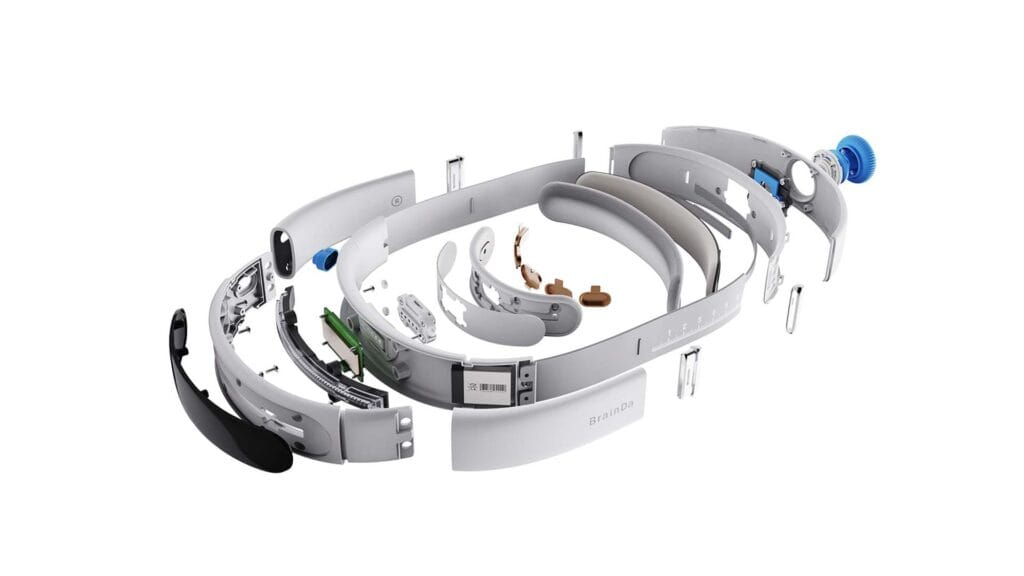
Not every design company offers the same level of expertise. Some focus only on product styling, while others provide complete support from research to manufacturing.
Before starting a project, ask a few important questions.
Do They Have Experience in Your Industry?
Different industries have different requirements.
A company that designs consumer electronics may not have the right experience for medical devices or industrial equipment. Regulations, materials, testing standards, and manufacturing methods vary from one industry to another.
Ask for examples of similar projects. A strong portfolio shows that the team understands the challenges of your market and can solve real engineering problems.
Do They Offer More Than Design?
A product can look attractive and still fail during manufacturing.
Look for a company that provides:
- Product research
- Industrial design
- Mechanical engineering
- Hardware development
- Prototype testing
- Manufacturing support
When these services are managed by one team, projects usually move faster because everyone works toward the same goal.
Many businesses choose an industrial design service that also includes engineering support. This approach reduces communication gaps and avoids unnecessary redesigns.
How Do They Communicate?
Good communication is just as important as technical skills.
Ask how often the team provides updates.
Find out who will manage your project.
Request examples of project reports or design reviews.
A reliable partner should explain technical issues in simple language and respond quickly when changes are needed.
Clear communication helps projects stay on schedule.
Do They Think About Manufacturing From Day One?
Some design firms complete beautiful concepts but leave manufacturing decisions until the very end.
That approach often creates expensive surprises.
A reliable industrial design company considers production from the first design review. Engineers evaluate materials, tooling, assembly methods, and production costs before the design is finalized.
This planning reduces delays and makes the transition to manufacturing much smoother.
Why Businesses Work With OPD Design
Choosing the right development partner is about more than technical skills. Businesses also need a team that communicates well, understands manufacturing, and solves problems before they become expensive.
OPD Design brings these capabilities together under one roof.
Instead of working with separate design studios, engineering firms, and prototype suppliers, clients can manage the entire project through one experienced team.
OPD Design supports businesses with:
- Product strategy
- Industrial design
- Mechanical engineering
- Hardware development
- Prototype development
- Mold development
- Manufacturing preparation
This connected workflow improves collaboration and reduces the risk of design changes late in the project.
Companies looking for an industrial product design company often prefer this approach because every department works toward the same production goal.
Whether the project involves consumer electronics, healthcare products, smart devices, or industrial equipment, OPD Design focuses on creating products that are practical to manufacture, reliable to use, and ready for market.
The Future of Product Design in China
Product development continues to evolve.
Today’s products are becoming smarter, more connected, and more complex.
Devices now combine electronics, sensors, wireless communication, software, and mechanical components in a single product. This creates new challenges for design and engineering teams.
At the same time, manufacturers are adopting automation, digital quality control, and advanced production technologies to improve efficiency.
According to the World Economic Forum, digital manufacturing and smart factories are changing how products are designed and produced. Companies that involve manufacturing experts early can respond more quickly to these changes and reduce development risks.
Sustainability is also becoming an important part of product development.
Many businesses now look for recyclable materials, lightweight designs, and packaging that creates less waste. According to the U.S. Environmental Protection Agency (EPA), containers and packaging account for about 28% of municipal solid waste in the United States. Better product and packaging design can help reduce this environmental impact.
As customer expectations continue to grow, businesses need partners who understand design, engineering, and manufacturing as one connected process.
Working with an experienced industrial design company gives companies the technical knowledge and manufacturing insight needed to bring innovative products to market more efficiently.
Conclusion
Choosing the right product design company in China is about much more than finding a team that can create attractive product concepts. The best partners understand the entire development journey, from research and industrial design to engineering, prototyping, and manufacturing.
China remains one of the world’s leading locations for product development because it combines skilled engineers, advanced manufacturing capabilities, and strong supplier networks within one connected ecosystem. This allows businesses to develop products more efficiently while reducing development risks and production delays.
Before selecting a partner, look beyond cost. Evaluate their technical expertise, communication process, manufacturing knowledge, and experience in your industry. A team that considers manufacturing from the start can help you avoid expensive redesigns and bring your product to market faster.
Whether you are creating a consumer electronic device, medical equipment, or an industrial product, investing in the right development partner can improve product quality, shorten development time, and support long-term business success.
To learn more about OPD Design’s expertise and approach, visit our About Us page. If you’re ready to discuss your next product development project, contact us to speak with our team and explore the best solution for your business.
Frequently Asked Questions
1. Why should I work with a product design company in China?
China offers a well-developed product development ecosystem. Designers, engineers, suppliers, and manufacturers often work within the same region, making collaboration faster and more efficient. This can reduce development time, lower production costs, and improve product quality.
2. What services does a product design company in China usually provide?
Most companies offer product research, industrial design, engineering, prototype development, testing, Design for Manufacturability (DFM), tooling support, and manufacturing preparation. Some also provide packaging design and production support.
3. How does Design for Manufacturability (DFM) improve product development?
DFM focuses on making products easier and more cost-effective to manufacture. Engineers review material selection, part geometry, tooling, and assembly methods during the design stage. This reduces production issues and helps prevent expensive redesigns later.
4. How long does product development usually take?
The timeline depends on product complexity. A simple consumer product may take a few months, while a medical device or connected electronic product can require much longer because of engineering, testing, certification, and prototype iterations.
5. What should I look for before choosing a product design company?
Look for a company with relevant industry experience, strong engineering capabilities, a structured development process, clear communication, and manufacturing expertise. Reviewing previous projects and client success stories can also help you make an informed decision.
6. Why is prototype testing important before manufacturing?
Prototype testing helps teams identify design, engineering, and usability issues before production begins. Fixing problems during the prototype stage is generally much faster and less expensive than making changes after tooling and manufacturing have started.


![product packaging design services — structural and brand packaging by OPD Design]](https://www.opd-design.com/wp-content/uploads/2025/12/packaging.jpg "OPD DESIGN | Why Choose a Product Design Company in China? A Complete Guide to Industrial Product Development in 2026")