
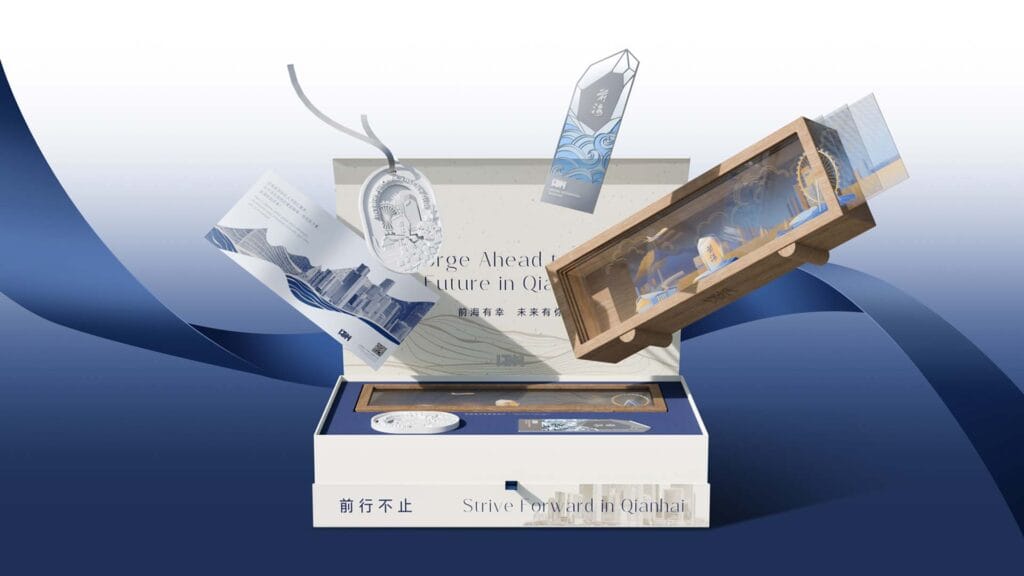
A customer forms an opinion about your product before they even use it. The moment they pick up the box, they notice its quality, durability, and ease of opening. Strong packaging builds trust, while poor packaging can make even a great product feel disappointing. That’s why packaging should be part of the product development process from day one.
Most people think packaging is only about appearance, but it does much more. It protects products during shipping. It keeps production moving. It lowers shipping costs. It also creates a strong first impression. A packaging design service helps businesses build better packaging. It protects products during shipping. It also makes manufacturing easier and improves the customer experience. A box that is too large wastes space and materials, while one that is too small may not provide enough protection.
It’s common for businesses to leave packaging until the final stages of a project. By then, making changes can be expensive and time-consuming. Plan packaging early. It helps reduce redesigns. It cuts waste. It also prepares the product for manufacturing and shipping.
This guide explains why packaging should be part of product development, how it affects costs and customer satisfaction, and what to look for when choosing a packaging design partner.
Why Packaging Is More Than Just a Box
According to Ipsos, 72% of consumers say packaging design influences their buying decisions. Good packaging keeps products safe during shipping, but it also saves warehouse space and makes the product easier to handle.
It also affects shipping costs, storage, production speed, and product returns. A package that fits well uses fewer materials and takes up less space during transport. At the same time, it keeps the product secure throughout the supply chain.
Apple is well known for packaging that protects delicate electronics while creating a premium unboxing experience. Its packaging supports both the product and the brand.
Common Packaging Problems That Increase Costs
Small packaging mistakes can create expensive problems later. Products may arrive damaged, shipping costs can rise, and production lines may slow down.
Some of the most common problems include:
- Products damaged during transport
- Oversized boxes that increase shipping costs
- Packaging that slows factory assembly
- Extra material waste
- Higher return rates
- Poor first impressions
Amazon addressed many of these issues through its Frustration-Free Packaging program. By reducing unnecessary packaging and improving package design, the company lowered waste and made products easier for customers to open.
Why Packaging Should Start Early
Many companies leave packaging until the end of a project. That usually leads to expensive changes. Teams may need to change product dimensions. They may also need different materials. Some shipping problems appear only after testing.
Planning packaging from the start helps avoid these issues. Designers, engineers, and industrial design services teams should work together from the beginning. Planning packaging early allows designers, engineers, and manufacturing teams to solve problems before production begins. Working together from the start leads to packaging that fits the product, reduces waste, and performs well during shipping.
Early planning also helps companies:
- Reduce redesigns
- Lower production costs
- Improve shipping efficiency
- Use fewer materials
- Create a better customer experience
When packaging is developed alongside the product, businesses save time and avoid unnecessary delays before launch.
Industry Standards That Shape Modern Packaging
Good packaging is more than attractive. It must also meet safety, labeling, and environmental rules.
Depending on the product, businesses may need to consider standards and guidance from organizations such as:
- International Organization for Standardization (ISO) for packaging quality and testing.
- U.S. Food and Drug Administration (FDA) for medical devices, food, and pharmaceutical labeling.
- U.S. Environmental Protection Agency (EPA) for sustainable materials and waste reduction.
What a Packaging Design Service Actually Does
Ask someone what a packaging designer does, and they often mention colors or branding first. In reality, the work goes much further than visual design.
A custom packaging design company creates packaging that fits the product. It provides the right size, shape, and level of protection instead of using standard packaging. The design must work on the factory floor. It also needs to meet industry rules and give customers a good experience.
For example, a medical device may require sterile barrier packaging, while a consumer electronic product might need molded inserts that prevent movement during shipping. Although both products need protection, their packaging requirements are completely different.
This is why experienced product teams treat packaging as part of product development—not as a separate task completed at the end.
Manufacturing and Packaging Testing Work Together
Designing attractive packaging is only one part of the process. Before a product reaches customers, manufacturers need to know that the packaging is practical to produce, easy to assemble, and strong enough to protect the product during shipping. That is why manufacturing planning and packaging testing should happen together. When both are considered early, businesses can reduce production delays, avoid unnecessary costs, and launch products with greater confidence.
Many manufacturers use Design for Manufacturing (DFM) during packaging development. DFM is a design approach that makes products and packaging easier and more cost-effective to manufacture. Instead of focusing only on appearance, designers and engineers also consider how quickly the packaging can be assembled, how much material it uses, and whether it can be produced consistently on a large scale. Addressing these questions early helps reduce waste, simplify production, and avoid expensive redesigns later.
Well-designed packaging also improves the assembly process. Products that fit securely into custom trays, molded inserts, or protective compartments are quicker to pack and require fewer manual adjustments. Even saving a few seconds during packaging can make a noticeable difference when thousands of units move through a production line every day. Better packaging also reduces handling errors, improves consistency, and keeps production running smoothly.
Before packaging is approved for mass production, it should be tested under conditions that reflect real-world shipping. These tests help manufacturers identify weak points before products reach customers. Common packaging tests include:
- Drop testing to simulate accidental drops during handling and delivery.
- Vibration testing to recreate the movement products experience while travelling by truck, rail, or air.
- Compression testing to measure how well packaging withstands stacking during storage and transport.
Many companies follow testing procedures developed by the International Safe Transit Association (ISTA). These recognised standards help manufacturers evaluate whether packaging can protect products throughout the supply chain. Testing before production is far less expensive than replacing damaged products, handling customer complaints, or redesigning packaging after launch.
When manufacturing planning and packaging testing work together, businesses create packaging that is easier to produce, protects products more effectively, and delivers a better experience for customers. Investing time in both stages helps reduce risk, improve efficiency, and support a smoother product launch.
Packaging Can Reduce Shipping Costs
According to the International Safe Transit Association (ISTA), packaging-related damage is one of the leading causes of product returns during shipping. Better package design and proper testing can significantly reduce transit damage and customer complaints.
Rising shipping costs make package size and material selection more important than ever.
The size, weight, and shape of a package all affect shipping costs.
For example:
- Smaller boxes reduce transportation costs.
- Lightweight materials lower freight charges.
- Stronger designs reduce product damage.
- Better stacking improves warehouse storage.
A good example is IKEA. The company is known for designing products and packaging together. Its flat-pack approach allows more products to fit inside each truck or shipping container, reducing transportation costs while making products easier for customers to carry home.
This strategy has helped IKEA improve logistics while reducing unnecessary packaging material.
Better Packaging Creates Better Customer Experiences
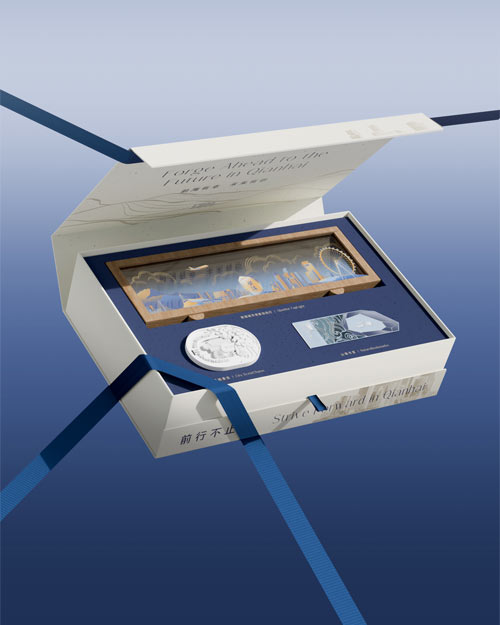
The customer experience begins before the product is even switched on. A product packaging design service focuses on creating packaging that protects the product while making it easy to open, store, and recycle.
A damaged, oversized, or difficult-to-open package can leave a poor first impression, even if the product works perfectly.
On the other hand, thoughtful packaging builds confidence.
An effective package should be
- Easy to open
- Easy to recycle
- Easy to store
- Protective during shipping
- Visually consistent with the brand
Apple is a well-known example. Its packaging is carefully designed so every layer feels intentional. Products fit securely inside the box, and customers can remove each component without frustration.
Every company benefits from packaging that protects products and is easy to open.
Sustainability Is Becoming a Business Priority
Many now expect brands to reduce unnecessary plastic, use recyclable materials, and design packaging that creates less waste.
According to McKinsey & Company, sustainability is becoming an important purchasing factor across many industries. Companies that improve their packaging often reduce material costs while strengthening their environmental commitments.
The U.S. EPA says containers and packaging make up about 28% of municipal solid waste in the United States. This highlights why reducing unnecessary packaging materials has become a priority for many manufacturers.
The Fibre Box Association reports that more than 90% of corrugated cardboard is recycled in the United States. This makes corrugated packaging one of the most recycled packaging materials available.
Sustainable packaging often starts with simple changes, such as:
- Removing unnecessary layers
- Reducing package size
- Using recycled cardboard
- Designing packaging that customers can recycle easily
- Choosing materials with lower environmental impact
These decisions can lower shipping costs while supporting sustainability goals.
Real-World Packaging Lessons
Leading companies treat packaging as part of the product—not just something used for shipping.
Amazon
Amazon’s Frustration-Free Packaging program uses smaller boxes and less plastic. The result is lower shipping costs, less waste, and packages that are easier for customers to open.
Apple
Apple designs packaging that protects products while creating a premium unboxing experience. Its simple layout and minimal materials also reduce waste.
IKEA
IKEA designs products and packaging together. Its flat-pack approach lowers shipping costs, saves storage space, and makes products easier for customers to transport.
Common Packaging Mistakes
Many packaging issues begin long before production.
Avoid these common mistakes:
Waiting Too Long
Late packaging decisions often lead to expensive redesigns.
Choosing Materials Only by Price
Cheap materials can increase damage and product returns.
Ignoring Shipping Conditions
Packages should be tested for drops, vibration, and compression.
Forgetting the Customer
Every package should protect the product while remaining easy to open and recycle.
Not Planning for Growth
Packaging should support both current production and future demand.
How to Choose the Right Packaging Design Partner
Choosing a packaging design agency is about more than comparing prices. Look for a company that understands engineering, manufacturing, logistics, and user experience. The right partner should help solve production challenges—not just create attractive packaging.
Ask questions like:
- Have you worked on similar products?
- How do you test packaging?
- Can you support our engineering team?
- Do you consider sustainability?
- Can you reduce production or shipping costs?
A knowledgeable partner can help avoid expensive problems before production begins.
How OPD Design Supports Product Development
Successful packaging is not created in isolation. It works best when it is developed alongside the product itself. At OPD Design, packaging is treated as an important part of the overall product development process rather than a final step before launch.
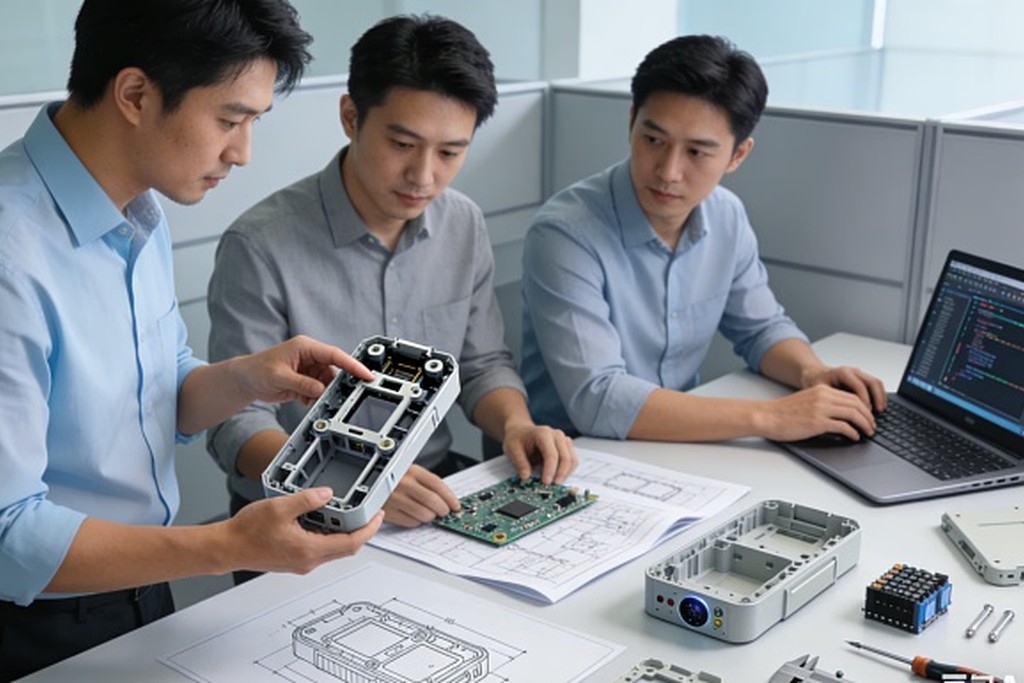
Our team brings together experts in industrial design, engineering, mechanical design, packaging development, and manufacturing support. By working as one team from the beginning, we can identify potential challenges early, refine packaging concepts, and ensure every design supports efficient production and reliable product protection.
Packaging is reviewed for assembly, transport, testing, and production before it reaches customers. This integrated approach helps reduce unnecessary material use, simplify production, and minimise the risk of damage during shipping.
Whether you’re developing a consumer product, medical device, or industrial equipment, OPD Design creates packaging that works alongside the product—not separately from it. The result is packaging that supports production efficiency, protects the product throughout the supply chain, and delivers a professional first impression when it reaches the customer.
Final Thoughts: Make Packaging Part of Your Product Strategy
Packaging should never be treated as the final step in product development. When it is planned from the beginning, it becomes a valuable tool for improving product quality, simplifying production, lowering shipping costs, and protecting products throughout the supply chain.
A professional packaging design service does much more than create attractive packaging. It helps products reach customers safely, supports efficient manufacturing, reduces material waste, and creates a positive first impression that strengthens your brand. By investing in thoughtful packaging early, businesses can avoid costly redesigns, improve production efficiency, and achieve better long-term results.
Planning packaging early helps prevent costly problems and supports a smoother product launch. If you’re ready to create packaging that supports your product from concept to production, contact OPD Design to discuss your project and discover how the right solution can help bring your ideas to market.
Frequently Asked Questions
1. What does a packaging design service include?
A packaging design service covers more than graphics. It includes structural design, material selection, product protection, manufacturing support, branding, shipping optimization, and user experience. The goal is to create packaging that performs well throughout the product’s lifecycle.
2. When should packaging design begin?
Packaging should be considered during the early stages of product development. Planning early helps prevent costly redesigns, improves manufacturing efficiency, and ensures the product and packaging work together.
3. Can better packaging reduce shipping costs?
Yes. Smaller, lighter, and well-designed packaging can lower shipping costs by reducing package weight and size. Optimized packaging also improves pallet utilization and warehouse storage, which can reduce logistics expenses.
4. How does packaging support sustainability?
Sustainable packaging uses fewer materials, improves recyclability, and reduces waste without compromising product protection. Many companies also choose recycled or renewable materials to lower their environmental impact.
5. What industries benefit from professional packaging design?
Almost every industry benefits from good packaging, including consumer products, electronics, medical devices, healthcare, food and beverage, cosmetics, and industrial equipment. Each industry has different protection, labeling, and regulatory requirements that should be considered during the design process.
6. How do I choose the right packaging design company?
Look for a company that understands the entire product development process—not just visual design. A strong partner should have experience in engineering, manufacturing, logistics, user experience, and regulatory compliance. This broader expertise helps create packaging that supports both business goals and customer expectations.