
TL;DR — What You Need to Know in 30 Seconds
Choosing the right material can make or break your product. Consequently, the wrong pick leads to failures, costly reworks, and production delays. This guide walks you through material properties, common families, manufacturing compatibility, and cost factors so you can make confident decisions early in the design phase.
Why Material Selection Matters in Product Design
Many hardware founders treat material selection as an afterthought. They finalize geometry, then ask their manufacturer “what material should we use?” This approach causes problems.
A Shenzhen supply chain manager once told us about a startup that designed an outdoor enclosure in ABS. Initially, it looked great in prototyping. However, six months later, units were cracking in the Arizona heat. Consequently, the redesign cost them $40,000 and a three-month delay.
Furthermore, the cost of material mistakes multiplies through the development cycle. An issue caught during product prototyping costs a fraction of what it costs when discovered during mass production.
Specifically, material selection shapes mechanical performance, thermal behavior, chemical resistance, appearance, and manufacturing cost. Indeed, getting it right from the start is one of the highest-leverage decisions in industrial design.
Understanding Material Properties for Hardware Products
Before comparing specific materials, you need to know which properties matter for your product. Specifically, the key categories are mechanical, thermal, environmental, electrical, and aesthetic.
Mechanical Properties
Mechanical properties determine how a material behaves under load. For example, tensile strength measures resistance to pulling forces. Similarly, flexural modulus measures stiffness. Additionally, impact resistance measures toughness against sudden loads.
For a handheld device, you need materials that survive drops. For a structural bracket, you need high stiffness and creep resistance. For a snap-fit component, you need a balance of flexibility and strength.
In fact, Izod and Charpy impact tests give you comparative toughness data. Look at these numbers early if your product will face mechanical stress.
Thermal Properties
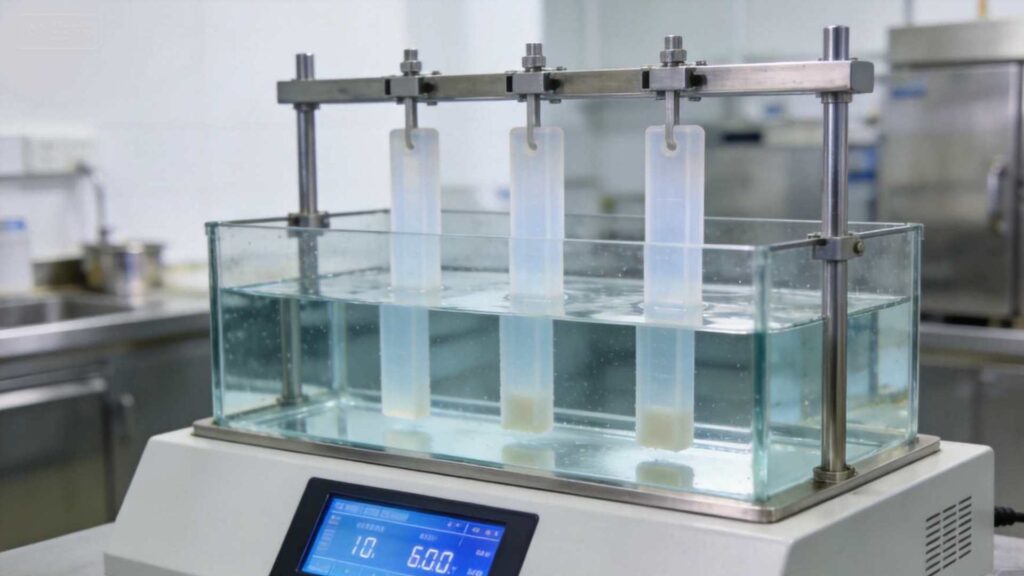
Thermal properties matter for products that generate heat or operate in varying temperatures. Specifically, glass transition temperature (Tg) marks where a plastic transitions from rigid to rubbery. Additionally, heat deflection temperature (HDT) indicates load-bearing capacity at elevated temperatures.
For example, your PCB design may need materials that survive 85°C inside an enclosed housing. Similarly, your outdoor product may face -20°C in winter. Both conditions must be evaluated separately.
Chemical and Environmental Resistance
Chemical resistance determines how a material holds up against exposure to solvents, oils, acids, or UV radiation. For instance, a kitchen appliance needs food-safe materials. Similarly, an outdoor sensor needs UV-stable plastics. Additionally, a medical device needs biocompatible compounds.
Flame retardancy (UL94 rating) is mandatory for many consumer electronics. It affects both safety compliance and your ability to sell in regulated markets. The UL94 standard classifies plastics by their burn behavior and is the global benchmark for flame safety in consumer products.
Electrical Properties
Electrical properties matter for housings that shield circuits or insulate components. Specifically, surface resistivity and dielectric strength determine whether a material acts as an insulator or conductor. Additionally, many engineering plastics offer good electrical performance plus mechanical strength.
Common Material Families for Consumer Hardware
Understanding material families helps you communicate with manufacturers and narrow down options quickly.
ABS (Acrylonitrile Butadiene Styrene)
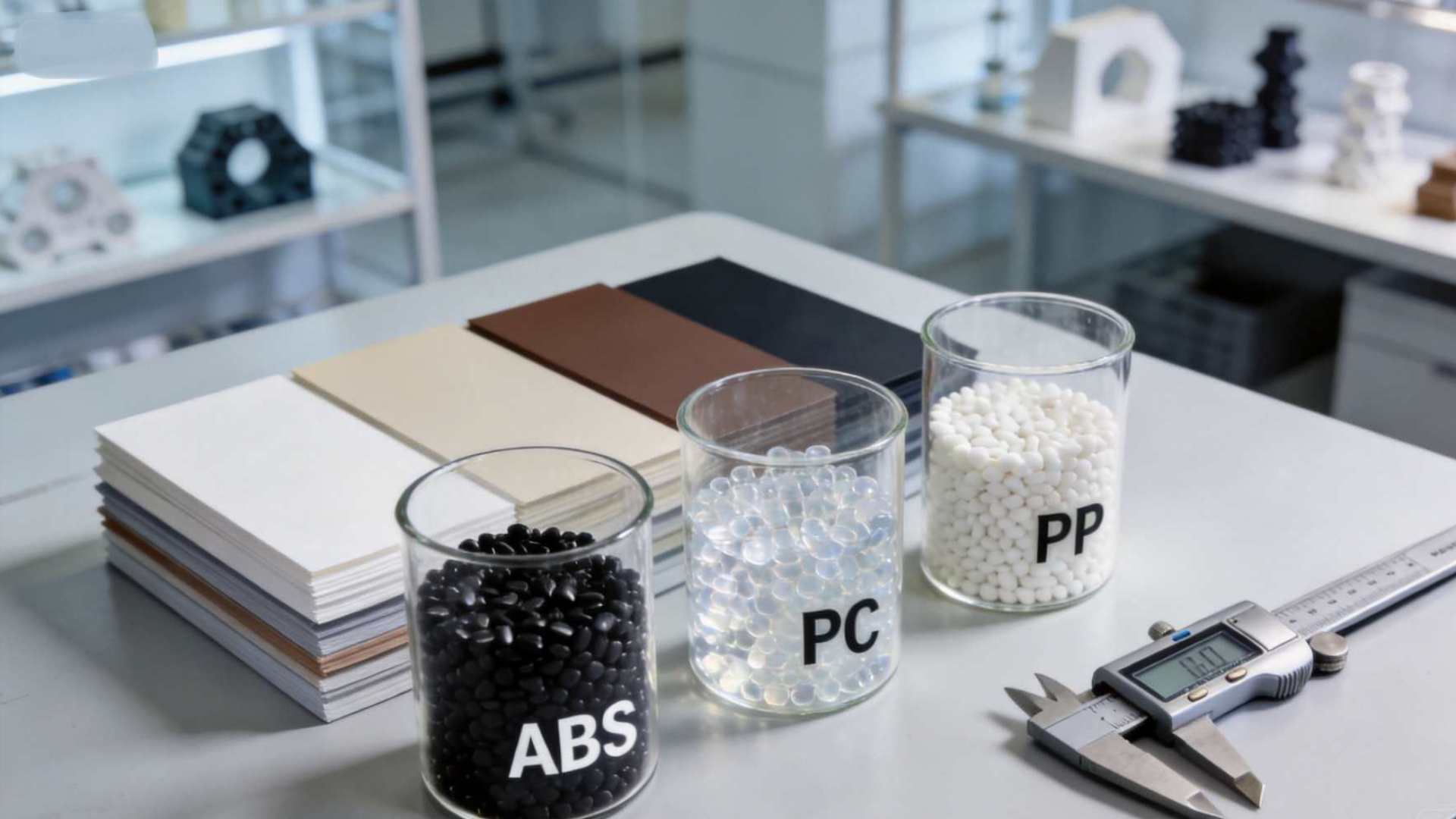
ABS is the workhorse of consumer electronics. Specifically, it offers good impact resistance, excellent surface finish, and easy processing. Most budget-friendly electronics use ABS housings.
However, the trade-off is poor UV resistance and limited chemical resistance. Consequently, it is not suitable for outdoor or harsh environment products. ABS also has a relatively low HDT, which limits use near heat-generating components.
Furthermore, ABS grades vary significantly by manufacturer. SABIC’s CYCOLAC resin is a widely used ABS grade in Chinese manufacturing, known for consistent quality and good surface finish. LG’s HI-121H and Trinseo’s Magnum ABS are other common choices.
PC (Polycarbonate)
PC delivers superior impact resistance. For instance, it can survive drops that would crack ABS. This makes it ideal for ruggedized products, safety equipment, and devices that must perform in demanding conditions.
Additionally, PC transmits light well, which enables interesting optical design possibilities. It also machines cleanly and accepts many surface finishes.
However, PC has poor chemical resistance. It scratches more easily than expected. Furthermore, UV exposure causes yellowing without proper additives.
Blending PC with ABS (PC/ABS alloy) gives you better processing characteristics while retaining PC’s toughness. Many laptop manufacturers use PC/ABS for this reason.
PP (Polypropylene)
PP offers excellent chemical resistance and good flexibility. Specifically, it survives repeated flexing without cracking, which makes it ideal for living hinges and flexible components.
Additionally, PP has low density, which reduces material cost per part. It is also recyclable, which matters for brands targeting sustainability.
However, the downsides are lower stiffness and poorer surface finish compared to ABS or PC. Furthermore, PP bonds and paints poorly, which limits cosmetic options.
PE (Polyethylene)
PE comes in two main forms: HDPE and LDPE. Specifically, HDPE offers good chemical resistance and moderate strength. Additionally, LDPE provides flexibility for squeeze bottles, cable insulation, and soft-touch grips.
In fact, PE is difficult to bond with adhesives. Instead, ultrasonic welding or mechanical fastening works better.
PA (Nylon)
PA (nylon) delivers high mechanical strength, good wear resistance, and acceptable high-temperature performance. Specifically, it handles repeated mechanical stress better than most plastics.
However, moisture absorption is a significant concern. Consequently, nylon parts can warp or change dimensions in humid environments. Therefore, dry-box storage or pre-drying before molding is essential.
Additionally, glass-filled nylon (PA-GF) increases stiffness dramatically. It is common in structural components, brackets, and load-bearing parts.
POM (Acetal/Delrin)
POM offers low friction and excellent dimensional stability. Additionally, it machines well and holds tight tolerances. This makes it ideal for gears, bearings, and precision mechanical parts.
However, POM has poor UV resistance. Furthermore, it releases formaldehyde during high-temperature processing, which requires proper ventilation.
Metal Materials
Aluminum alloys (6061, 5052) are common in consumer hardware. Specifically, 6061-T6 offers good strength-to-weight ratio, excellent machinability, and anodizing options for cosmetic finishes. Consequently, it is ideal for premium products where weight and appearance matter.
Additionally, stainless steel (304, 316) provides superior corrosion resistance. It is essential for outdoor products, marine applications, and food-contact surfaces. However, the cost and machining difficulty are higher than aluminum.
Furthermore, magnesium alloys offer exceptional strength-to-weight ratio. They are common in ultra-light laptops and aerospace applications. However, corrosion resistance requires proper treatment, and manufacturing costs are significant.
Matching Materials to Manufacturing Processes
Material selection and manufacturing process must be decided together. Indeed, a great material choice becomes a disaster if your manufacturer cannot process it correctly.
Injection Molding
Most plastic consumer products use injection molding. The material must flow well into thin walls and complex geometries. Additionally, different materials require different tooling considerations.
ABS flows moderately well and tolerates a wide processing window. PC requires higher melt temperatures and careful mold design to avoid internal stress. PP flows easily but has high mold shrinkage. Nylon absorbs moisture and must be dried before molding.
Furthermore, draft angle requirements vary by material. ABS typically needs 0.5° per side. Additionally, glass-filled materials may need 1° or more to release from the mold.
Wall thickness uniformity matters for all injection molded parts. For example, thick sections cause sink marks and longer cycle times. Conversely, thin sections cause incomplete filling.
CNC Machining
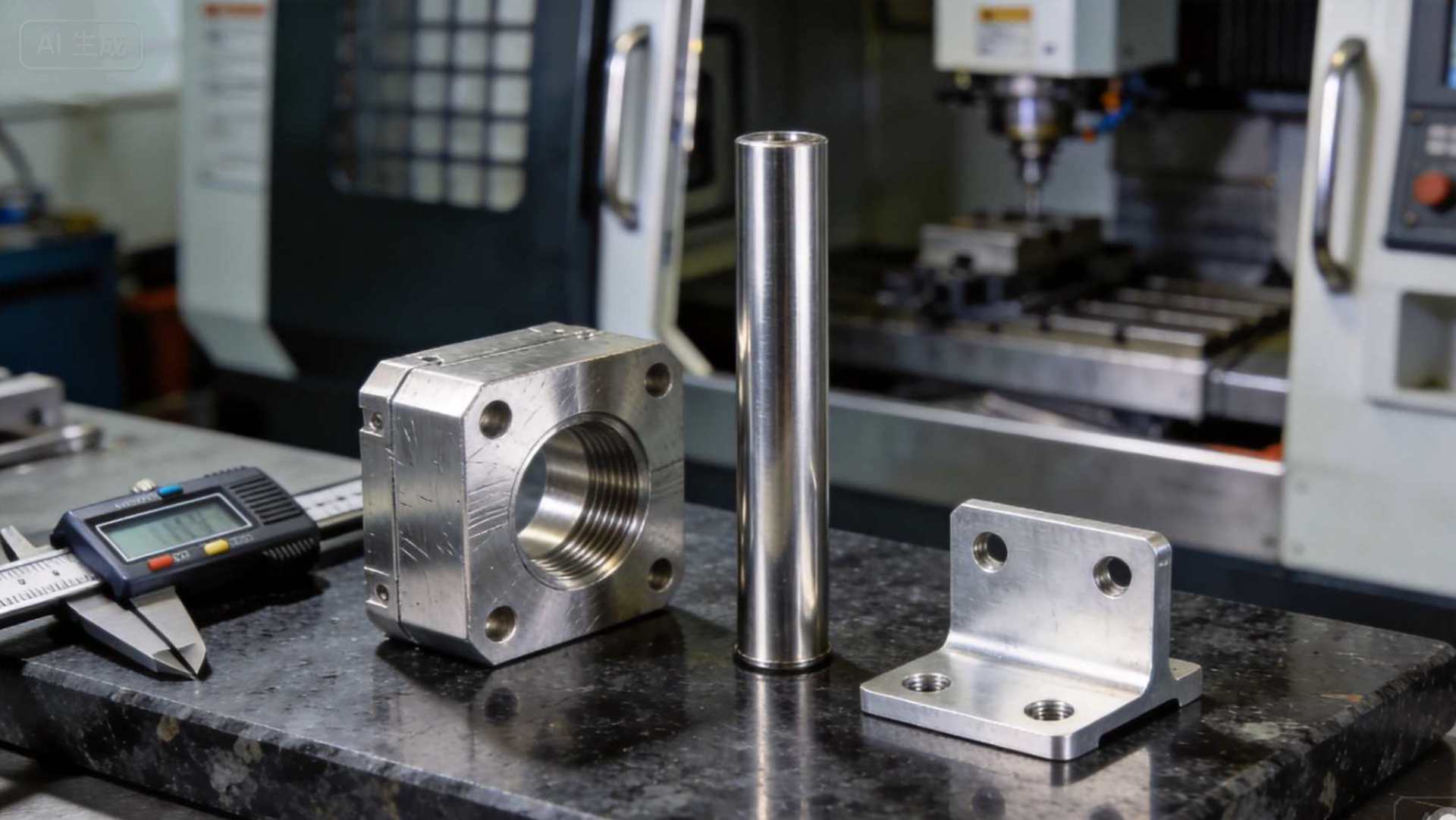
CNC machining works well for metal parts and functional prototypes. The material must machine cleanly without excessive tool wear or burr formation.
For example, aluminum 6061 machines easily with standard tools. Consequently, it is the most cost-effective metal for machined prototypes. However, stainless steel requires carbide tools and slower feeds, which increases cost.
Similarly, plastics like POM, Delrin, and Nylon machine well. Conversely, ABS tends to melt and stick to tools if cutting speeds are too high.
Sheet Metal Fabrication
Sheet metal works with aluminum (5052, 6061) and steel (CRS, SS). The material must form without cracking or excessive spring-back.
For example, 5052 aluminum is ideal for forming complex geometries. However, 6061 is stronger but formability is lower. Additionally, steel springs back more than aluminum, which affects bend angle compensation.
3D Printing
3D printing enables rapid prototyping without tooling costs. Material options include PLA, ABS, PETG, Nylon, and engineering resins.
Additionally, SLA resins offer high resolution and smooth surface finish. They are ideal for visual prototypes and investment casting patterns.
Alternatively, FDM prints with PLA or ABS. Consequently, surface quality is lower, but material cost is minimal. Additionally, functional prototypes in PETG or Nylon can test mechanical requirements.
Furthermore, SLS nylon prints strong functional parts with good mechanical properties. It is the preferred method for end-use plastic parts in low-volume production.
Cost Factors in Material Selection
Material cost is only one part of the total cost picture. Additionally, manufacturing complexity, tooling requirements, and volume all affect the final economics.
Material Cost Per Kilogram vs. Per Part
A cheaper material may actually increase cost if it requires more processing time or produces more scrap. PC costs more than ABS per kilogram, but its superior flow allows thinner walls, which reduces material usage per part.
Therefore, always calculate cost per part, not just material price per kilogram.
Tooling Cost Impact
For instance, some materials require specialized tooling. Additionally, glass-filled materials increase mold wear, which raises tooling maintenance costs. Furthermore, flame-retardant materials may require specific mold steel or surface treatments.
Additionally, high-temperature materials like PPA or LCP require molds built from hardened steel and processed at elevated temperatures. Consequently, this increases tooling cost significantly.
Volume Considerations
Injection molding economics favor high volume. Material cost dominates at scale. However, engineering materials with higher per-kilogram pricing may still make sense if they reduce failure rates or eliminate secondary operations.
For low-volume production (under 1,000 units), CNC machining with standard materials is often more cost-effective than investing in injection molding tooling.
Surface Finish and Secondary Operations
A low-cost material with poor surface appearance may require painting, coating, or plating. Consequently, these secondary operations add cost and lead time. Alternatively, a slightly more expensive material with the right surface properties may eliminate these steps.
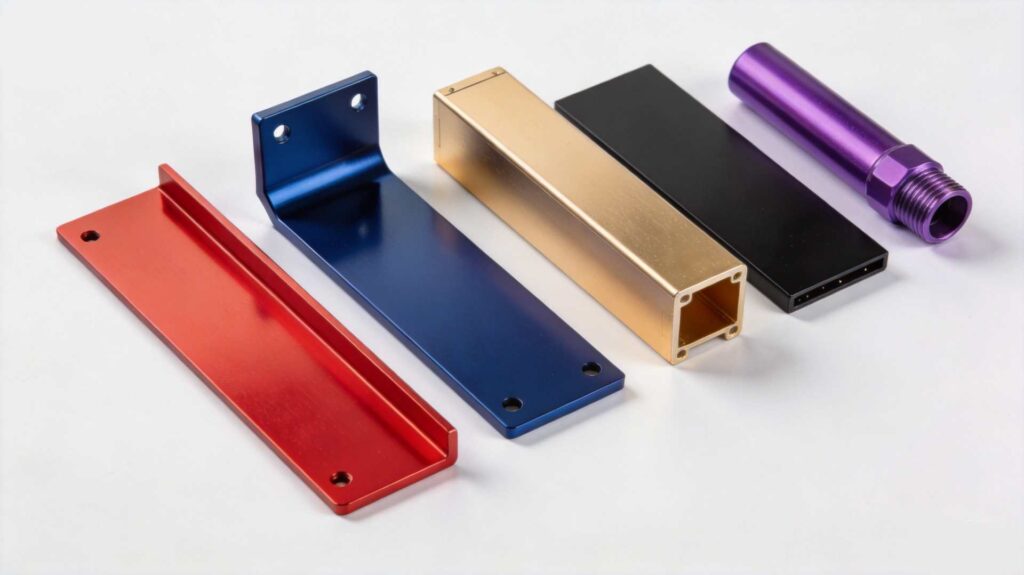
Anodized aluminum costs more than painted aluminum but provides a more durable and premium finish. Overall, the trade-off depends on your product positioning and target market.
A Practical Material Selection Process
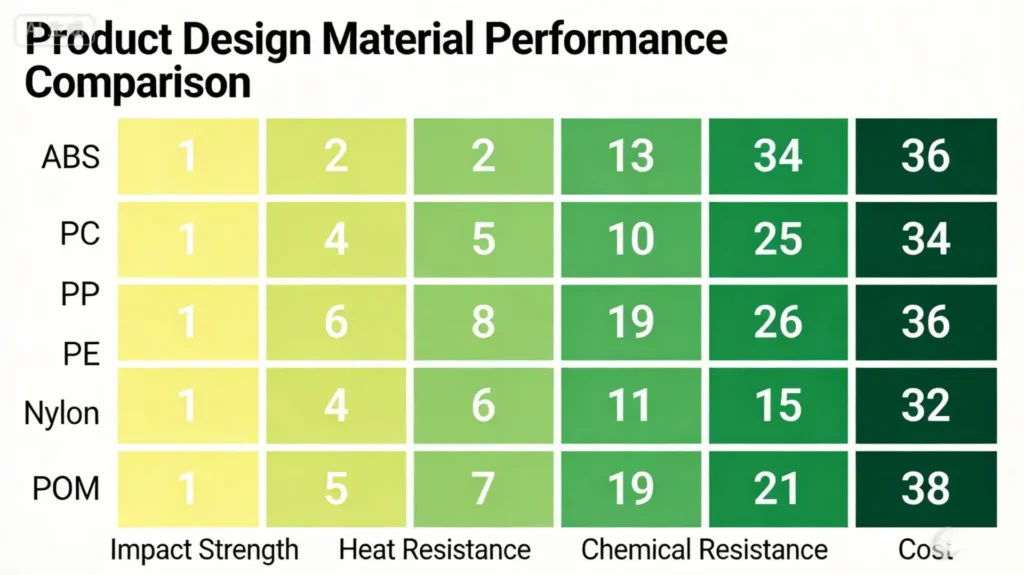
Follow this step-by-step approach to narrow down your options efficiently.
Step 1: Define your requirements. List the non-negotiable properties: temperature range, chemical exposure, structural load, regulatory compliance, and cosmetic requirements. These then become your filter criteria.
Step 2: Screen against your manufacturing process. Identify which materials work well with your chosen manufacturing method. Then, eliminate options that are difficult or expensive to process.
Step 3: Evaluate cost at target volume. Request material pricing at your expected production volume. Additionally, factor in tooling, secondary operations, and yield rates.
Step 4: Request material samples. Then, get samples of top candidates. Next, test them in your actual use conditions. In fact, a laboratory test tells you part of the story; real-world testing tells you the rest.
Step 5: Consult your manufacturer. Experienced manufacturers know which material grades work best in their equipment. They can also identify supply chain risks for specific materials.
Our product development services include material selection as part of the mechanical design phase. We have processed hundreds of material decisions across consumer electronics, medical devices, and industrial products.
Common Material Selection Mistakes Hardware Founders Make
Indeed, learning from others’ mistakes saves time and money.
Choosing the cheapest material. Specifically, low-cost materials often mean poor consistency, higher scrap rates, or limited supplier options. Indeed, the smallest material savings disappear against a $50,000 retooling bill.
Ignoring long-term environmental exposure. A material that works in prototype may fail after months of UV exposure, thermal cycling, or chemical contact. However, accelerated aging tests cost little but reveal critical weaknesses.
Selecting exotic materials with limited supply. For example, specialty polymers may offer perfect properties but come from a single supplier. Consequently, a supply disruption halts production. Therefore, balance performance against supply chain risk.
Not validating with real manufacturing conditions. Laboratory properties do not account for your specific manufacturer’s equipment, process parameters, or quality consistency. Therefore, production validation is essential before committing to a material.
Underestimating moisture sensitivity. For instance, some materials absorb moisture during storage. Specifically, nylon, PC, and ABS require pre-drying before molding. As a result, without proper process control, the material properties you specified will not be what you get.
Material Selection for Specific Product Categories
Different product types have different material priorities.
Consumer Electronics
Specifically, consumer electronics prioritize aesthetics, impact resistance, and flame retardancy. In fact, ABS/PC alloys are common. Additionally, premium products use PC with specific colorants and surface treatments. Furthermore, regulatory compliance (UL94 V-0) is mandatory in most markets.
Outdoor and Weather-Resistant Products
Outdoor products need UV stability, broad temperature range, and water resistance. For example, ASA, modified PMMA (Acrylic), and glass-filled PP offer good outdoor performance. Additionally, some applications require specific IP ratings that influence material choice.
Medical Devices
Medical devices require biocompatibility testing, regulatory compliance (FDA, ISO 10993), and traceability documentation. Specifically, the ISO 10993 series defines biological evaluation requirements for medical devices, including material characterization, toxicity testing, and clinical use considerations. Additionally, material suppliers must provide comprehensive technical data packages. Medical-grade PC, PP, and PE are common choices.
Structural and Load-Bearing Parts
Structural parts need high stiffness, creep resistance, and dimensional stability. For example, glass-filled nylon, glass-filled POM, and short-glass fiber reinforced PP provide excellent strength-to-cost ratios.
Frequently Asked Questions
What is the strongest plastic for product design?
Specifically, polycarbonate (PC) offers the highest impact resistance among common engineering plastics. For even greater strength, consider glass-filled or carbon-filled compounds. However, “strongest” depends on your definition: tensile strength, impact resistance, or flexural modulus? Therefore, define your primary loading condition first.
How do I choose between ABS and polycarbonate?
For instance, ABS offers better surface finish and lower cost. Conversely, PC delivers superior impact resistance and heat tolerance. For most consumer electronics, PC/ABS alloy provides a balanced compromise. Choose pure PC only when impact resistance or thermal performance is the priority.
Can I use the same material for prototyping and production?
Sometimes, but not always. Some materials are excellent for CNC prototyping but difficult to injection mold. For example, machined Delrin prototypes may need a different material in the production mold to achieve similar properties. Therefore, discuss this with your hardware design team early.
How do I verify material properties from suppliers?
First, request Certificates of Analysis (COA) from your material supplier. Additionally, conduct independent testing for critical properties. Physical samples with documented processing history provide the most reliable data. Furthermore, your manufacturer can provide process capability data from their production runs.
What affects plastic material cost?
Material cost depends on polymer type, compound additives (fillers, flame retardants, UV stabilizers), colorants, and volume. For example, commodity plastics (PP, PE, ABS) cost less than engineering plastics (PC, POM, PA). Additionally, specialty polymers cost significantly more. Furthermore, supplier relationships and order volume affect pricing.
Key Takeaways
Specifically, material selection is not a single decision. Rather, it is a process of balancing competing requirements against cost and manufacturing constraints.
First, start with clear performance requirements. Next, filter materials against your manufacturing process. Then, calculate total cost, not just material price. Finally, validate with real conditions before committing.
Overall, the best material is the one that meets your product requirements at an acceptable cost, with reliable supply, and compatible manufacturing capabilities.
For product prototyping, material decisions can be validated quickly before committing to production tooling. Our mechanical design team works with material suppliers and manufacturing partners to ensure specifications translate into producible designs. Early material selection with manufacturer input reduces the risk of costly retooling later.
For help navigating material selection for your specific product, contact our team. We have helped hundreds of hardware founders choose the right materials early, avoiding the retooling costs and schedule delays that come from late-stage material changes.