
Have you ever had a great product idea but struggled to turn it into something real that works well and reaches the market on time? Many businesses face this challenge.
That is where manufacturing support services play an important role in guiding the journey from idea to production.
These services help make sure your product is designed properly and ready for manufacturing without delays. In addition, they improve product quality, reduce risks, and speed up the entire development process.
What Are Manufacturing Support Services
Manufacturing support services help prepare products for production. They connect design and production teams to keep the process smooth.
Instead of fixing issues later, these solutions focus on preventing problems from the beginning. As a result, businesses can save time and deliver better products.
Key Components of Manufacturing Support
These services include several important steps
- Design for manufacturing analysis
- Design for assembly planning
- Engineering validation and testing
- Prototyping and iteration
- Material and component selection
- Supplier and vendor coordination
- Production documentation and drawings
Each step ensures that the product is ready for production.
Role in Product Development
These solutions support the entire product lifecycle. They help identify risks early and solve them before they become costly issues.
This helps companies avoid delays and improve product performance.
How Manufacturing Support Services Work in Product Development
The best way to understand manufacturing support services is to look at the process step by step. In addition, this structured approach improves efficiency and reduces uncertainty.
Step 1: Concept Evaluation
The process begins with evaluating the product idea. Teams check if the concept is practical and suitable for production.
This step helps avoid future challenges.
Step 2: Design Improvement
Next, the design is refined to make it easier to produce. Many businesses use manufacturing design services during this stage to improve efficiency and reduce production complexity.
For example, unnecessary complexity is reduced, and usability is improved.
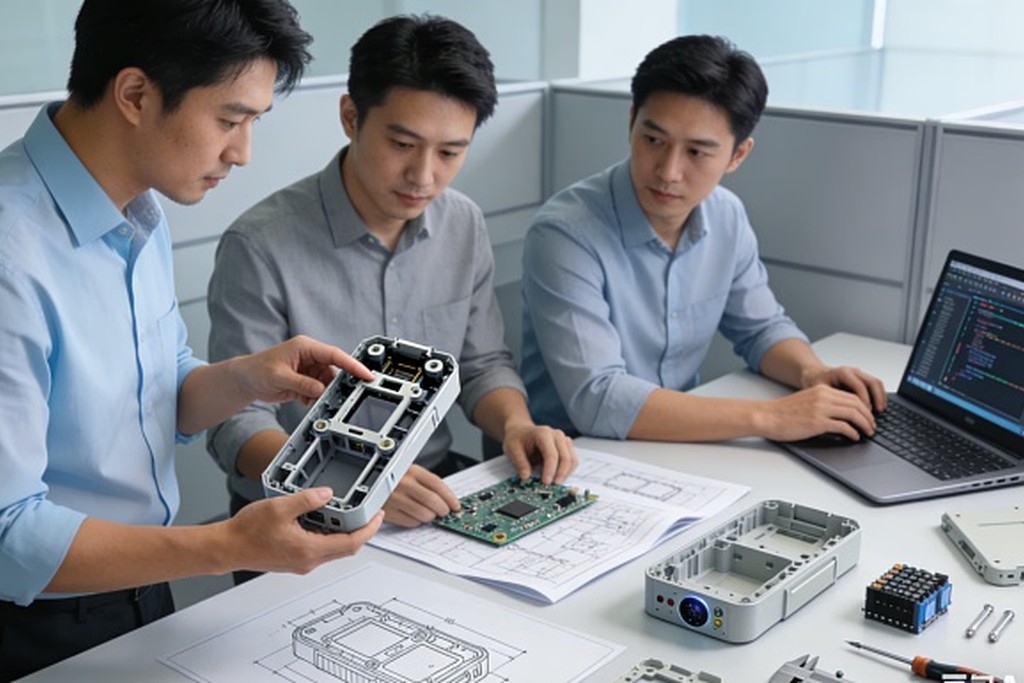
Step 3: Prototyping and Testing
A prototype is created and tested in real conditions.
In addition, testing helps identify issues early and improve the product.
Step 4: Supplier Coordination
The right suppliers are selected for materials and components.
This helps maintain quality and timely delivery.
Step 5: Production Support
Once production begins, support is provided to maintain smooth operations. Reliable product manufacturing services also help maintain consistency, quality, and production efficiency.
As a result, issues are solved quickly and efficiency improves.
Why Product Quality Matters in Manufacturing
Product quality is one of the most important factors for success. A high quality product builds trust and improves customer satisfaction.
On the other hand, poor quality can affect brand reputation.
Quality Control Methods
Strong quality control methods include
- Design validation and verification
- Functional and performance testing
- Continuous improvement
- Compliance with industry standards
These methods ensure consistent performance.
Impact on Customer Experience
A reliable product creates a positive experience for users.
Because of this, customers are more likely to trust and recommend the brand.
How Manufacturing Support Services Improve Product Quality
These services focus on improving every part of the product. They ensure that design, materials, and processes are optimized.
As a result, products have fewer defects and better performance.
Design for Manufacturing and Assembly
This approach ensures that products are easy to produce and assemble.
In addition, it reduces complexity and improves efficiency.
Engineering Validation
Engineering validation ensures that the product performs as expected.
All components are tested carefully for reliability.
Material and Component Optimization
Choosing the right materials improves durability.
Because of this, the product performs better over time.
Prototyping and Iteration
Prototyping allows teams to test and refine the design.
In addition, multiple improvements help achieve the best version.
Speeding Up Production with Manufacturing Support
In today’s competitive market, speed is very important. Businesses need to launch products quickly.
These services help streamline the process and reduce delays.
Process Optimization
Processes are improved to remove unnecessary steps.
As a result, production becomes faster and more efficient.
Supplier and Vendor Management
Proper coordination ensures that materials are available on time.
Because of this, delays are minimized.
Reduced Rework
Early issue detection reduces rework.
In addition, this saves time and resources.
Design for Manufacturing and Assembly
Design optimization ensures that products are ready for large scale production.
A well planned design improves consistency and reduces production challenges.
Benefits
- Simplifies product design
- Reduces errors
- Improves assembly efficiency
- Enhances consistency
These benefits improve both quality and speed.
Production Support and Troubleshooting
Support continues even after production begins. Teams help maintain smooth operations and solve issues quickly.
As a result, product quality remains stable.
Common Challenges Solved
- Design issues during production
- Material inconsistencies
- Assembly problems
- Production delays
Quick solutions ensure better outcomes.
Core Services Covered in Manufacturing Support
To make product development smooth and reliable, manufacturing support includes several practical services that directly impact production success.
These services help businesses move confidently from prototype to full scale production.
Key Service Areas
- Production assessment and workflow improvements
- Validation and testing to ensure product reliability
- Prototype to mass production support for smooth scaling
- Supply chain and sourcing support for better coordination
- Documentation and compliance to meet industry standards
Because of this, businesses can reduce risks and improve overall production quality.
Role of Technology in Manufacturing Support
Technology plays an important role in improving production processes. It helps increase accuracy and efficiency.
Modern tools make development faster and more reliable.
Digital Modeling and Simulation
Digital tools allow testing before production.
Because of this, risks are reduced.
Automation
Automation improves speed and consistency.
In addition, it reduces human error.
Data Driven Decisions
Data helps teams make better decisions.
As a result, product quality improves.
Benefits of Manufacturing Support Services for Different Industries
These services are useful across many industries. As a result, businesses can deliver better products and improve performance.
Industry Applications
- Electronics and smart home products require precision and compact design
- Wearable devices need durability and user comfort
- Medical sector demands strict compliance and safety
- Industrial products require strong and reliable performance
Each industry benefits from improved processes.
Long Term Benefits
- Faster time to market
- Reduced production costs
- Improved product reliability
- Better customer satisfaction
These benefits support long term growth.
Why Work with an Experienced Product Design Firm
Choosing the right partner is important for success. A skilled team provides support at every stage of development.
Working with a trusted product design firm ensures better planning and execution.
End to End Support
Support is provided from concept to production.
This ensures consistency and efficiency.
Industry Expertise
Experienced teams understand industry standards.
Because of this, they deliver reliable solutions.
Customized Solutions
Every product is different.
In addition, tailored solutions improve performance.
Real World Applications and Case Scenarios
Manufacturing support services are used in different types of projects. These real world scenarios show how valuable these services are.
Common Case Types
- Startup product launches that require fast development and smart planning
- Enterprise level collaborations, including projects similar to Xiaomi
- IoT enabled smart product development where hardware and software must work together
Because of this, businesses of all sizes can benefit from expert support.
Real Challenges Solved
Many businesses face challenges during product development. These services help solve them effectively.
Common Issues
- Designs not suitable for production
- Supplier delays
- High defect rates
- Poor testing processes
Solutions
- Improved design for better manufacturability
- Better supplier coordination
- Strong testing and validation
- Continuous improvement
As a result, the entire process becomes smoother and more reliable.
Conclusion
Manufacturing support services play a key role in improving product quality and speed. They help businesses turn ideas into reliable products that are ready for the market.
From design improvement to production support, every step adds value. Because of this, businesses can deliver better products faster and with more confidence.
If you want to improve your product development process, it is a smart step to explore expert support. You can always contact us to learn how these services can help your business grow.
FAQs
1. What are manufacturing support services?
Manufacturing support services include design, engineering, prototyping, and production support to improve product quality and speed.
2. What is design for manufacturing?
Design for manufacturing ensures that a product is easy to produce efficiently with fewer errors.
3. How do manufacturing support services reduce production issues?
They identify problems early, improve design, and ensure proper testing before production begins.
4. When should a company use manufacturing support services?
Companies should use these services during product development to ensure smooth production and better quality.
5. Which industries benefit from manufacturing support services?
Industries like electronics, automotive, healthcare, and consumer products benefit from these services.