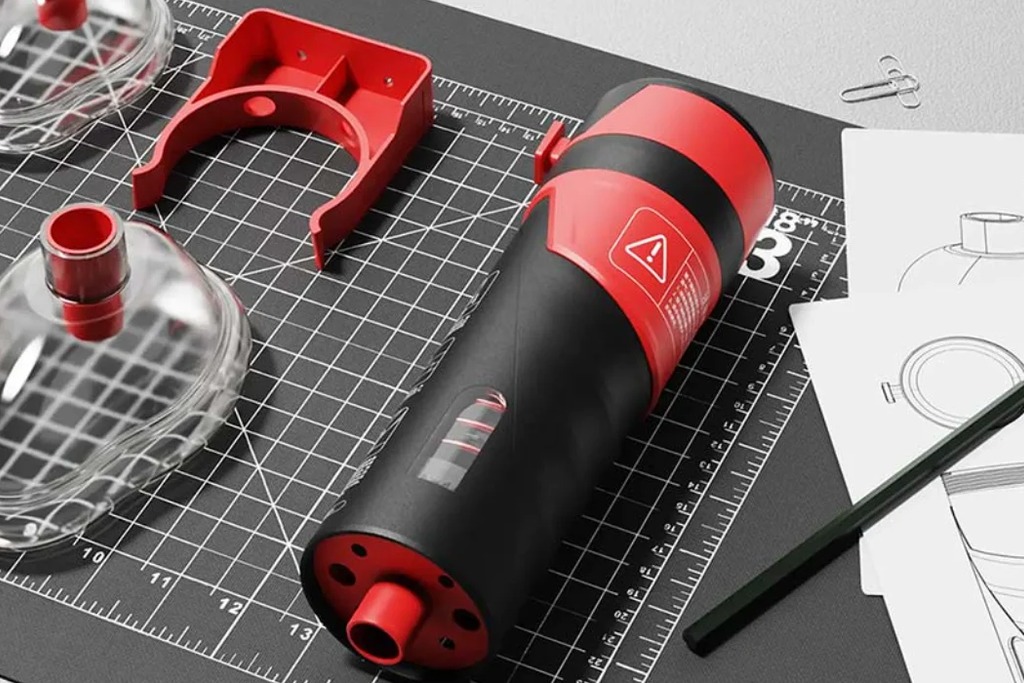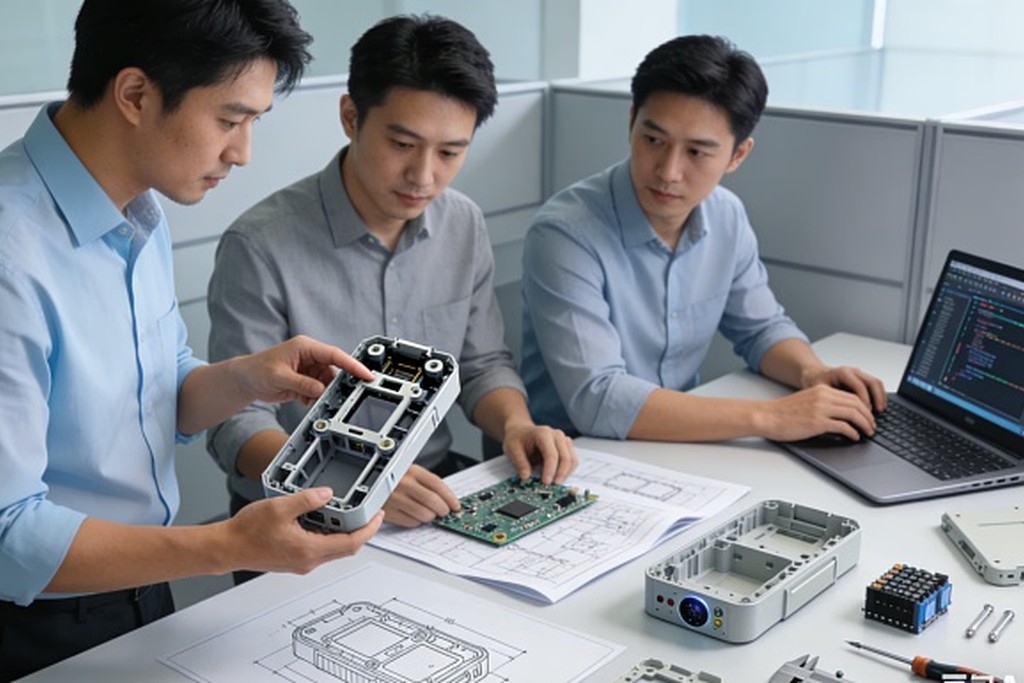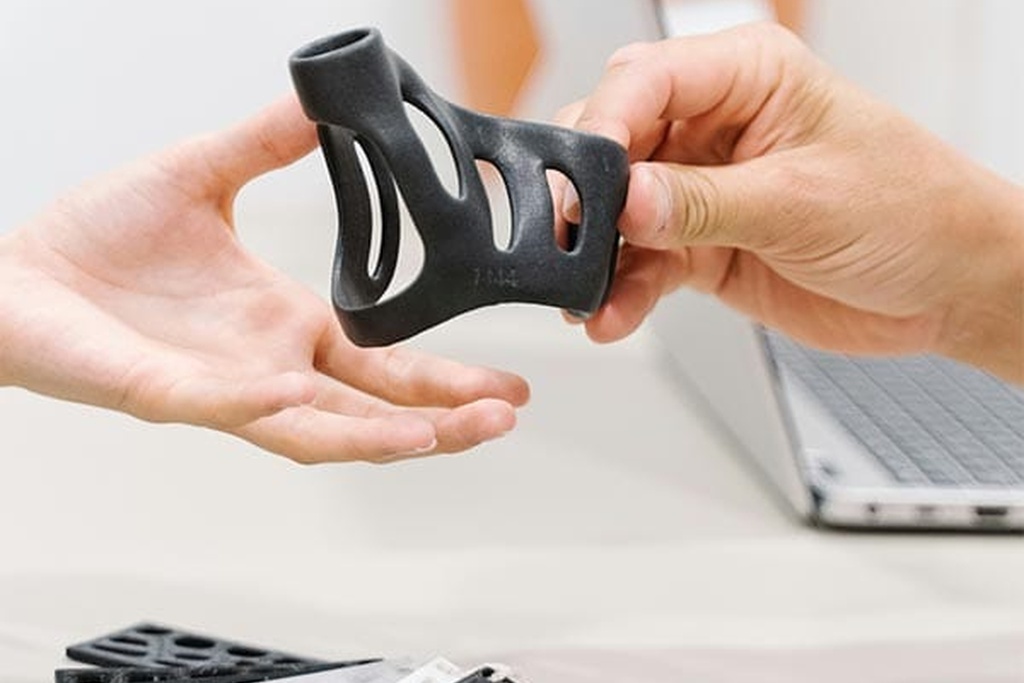

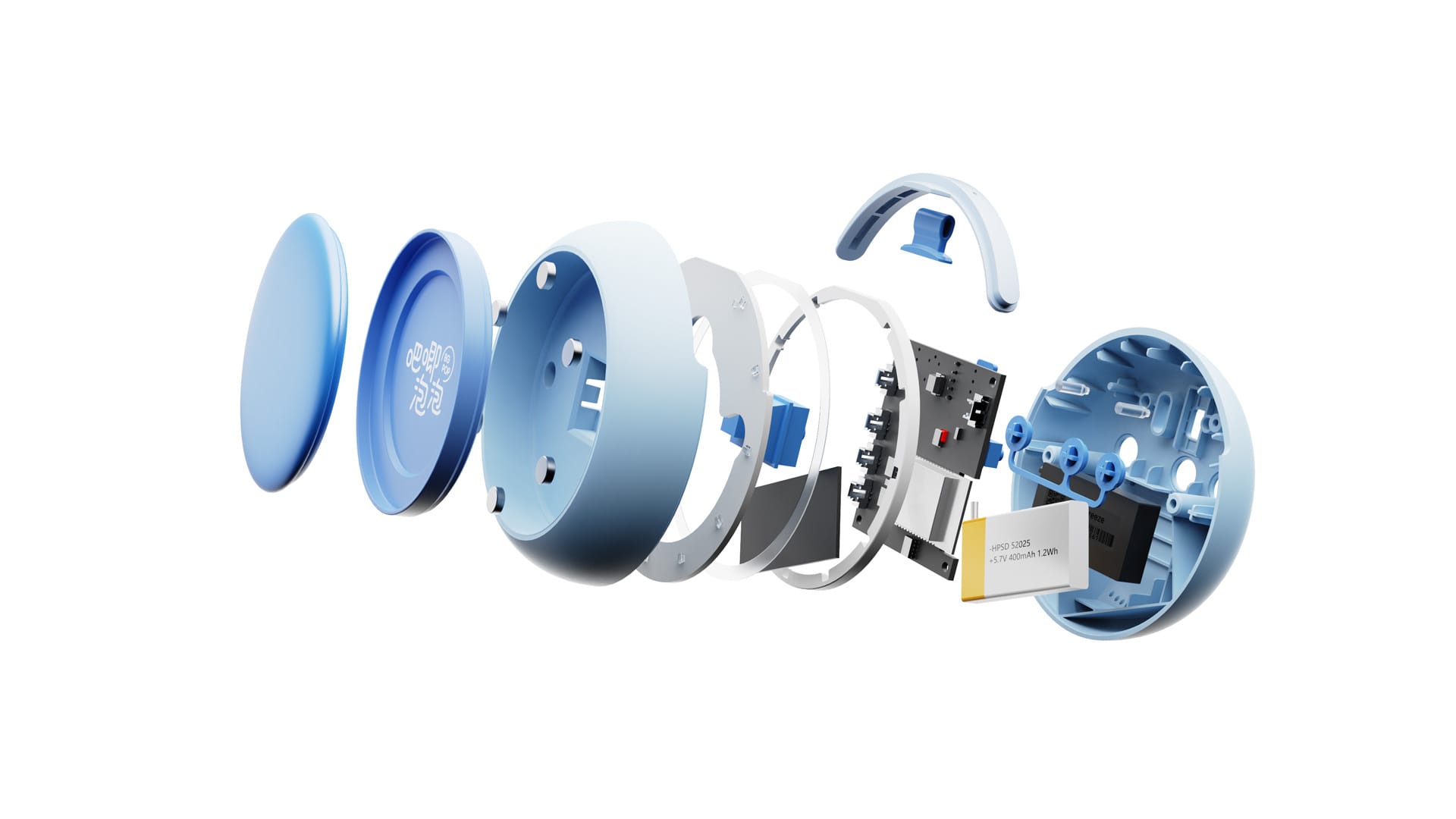
The success of any new product depends on much more than a great idea. A reliable mechanical engineering service helps transform concepts into practical, manufacturable products that perform as expected in real-world conditions. From early design decisions to production readiness, mechanical engineering plays a critical role in every stage of product development.
Whether you’re developing a consumer product, medical device, or industrial equipment, every component must work together efficiently. Small engineering decisions made early in the process can influence manufacturing costs, product durability, assembly, and long-term performance. That is why businesses increasingly invest in professional mechanical expertise before moving toward production.
For organizations looking to reduce design risks while creating products that are practical to manufacture, OPD Design provides comprehensive Mechanical Design Services that support every phase of engineering development. Rather than focusing only on drawings or CAD models, the team works to create designs that balance functionality, manufacturability, and user needs.
What Does a Mechanical Engineering Service Do?
A mechanical engineering service bridges the gap between an innovative idea and a product that can be manufactured consistently. While industrial design often focuses on appearance and user experience, mechanical engineering ensures the product functions safely, efficiently, and reliably.
Mechanical engineers evaluate every aspect of a product, including:
- Structural integrity
- Material selection
- Internal mechanisms
- Moving components
- Assembly methods
- Manufacturing processes
- Product reliability
Their work involves solving practical engineering challenges before production begins. Identifying issues during the design stage is significantly more efficient than making changes after manufacturing has started.
If you’re evaluating engineering support for an upcoming project, exploring OPD Design’s Mechanical Design Services can help you understand how experienced engineers contribute throughout the entire product development process, from concept refinement to manufacturing readiness.
Mechanical Design vs. Industrial Design
Although these disciplines work closely together, they serve different purposes.
| Industrial Design | Mechanical Design |
| Focuses on aesthetics and user experience | Focuses on functionality and engineering |
| Shapes the product appearance | Designs internal structures and mechanisms |
| Improves usability | Ensures durability and performance |
| Creates visual appeal | Prepares products for manufacturing |
When both disciplines work together from the beginning, the result is a product that not only looks appealing but also performs reliably in everyday use.
Why Mechanical Design Matters Throughout Product Development
Successful mechanical product development requires much more than producing technical drawings. Every engineering decision influences manufacturing efficiency, product lifespan, and overall customer satisfaction.
Mechanical design contributes value throughout the entire development process.
Validating Product Feasibility
Not every concept can be manufactured exactly as envisioned. Early engineering analysis helps determine whether a design is practical before substantial time and resources are invested.
During feasibility assessments, engineers consider:
- Structural performance
- Manufacturing limitations
- Material availability
- Cost implications
- Assembly requirements
Answering these questions early allows businesses to move forward with greater confidence.
Improving Product Reliability
Consumers expect products to perform consistently over time. Mechanical engineering focuses on designing components that can withstand repeated use, environmental conditions, and mechanical stress.
This involves carefully evaluating:
- Load distribution
- Wear resistance
- Thermal behavior
- Mechanical tolerances
- Fastening methods
A thoughtful engineering process helps reduce the likelihood of failures after the product reaches the market.
Supporting Efficient Manufacturing
Designing a product is only part of the challenge. It also needs to be manufactured efficiently and consistently.
Engineers work closely with manufacturing considerations by simplifying assemblies, selecting appropriate materials, and reducing unnecessary complexity. These improvements often help lower production costs while maintaining product quality.
This engineering perspective becomes especially valuable when products move from prototypes to large-scale production.
Key Stages of Mechanical Product Development
Every product follows a unique development journey, but most engineering projects include several core stages. Each stage builds upon the previous one, helping reduce uncertainty before manufacturing begins.
1. Product Research and Engineering Planning
Every successful project begins with defining technical requirements, product goals, manufacturing expectations, and user needs. Establishing these requirements early helps guide engineering decisions throughout development.
2. Engineering Concept Development
Engineers evaluate different design approaches, materials, and mechanisms to identify practical solutions that balance functionality with manufacturability.
3. Detailed CAD Modeling
Detailed CAD models help engineers refine dimensions, review assemblies, verify component fit, and prepare documentation for manufacturing.
4. Prototype Evaluation
Prototypes validate engineering decisions before production, allowing teams to identify improvements while changes remain cost-effective.
Mechanical Design Challenges That Can Delay Product Success
Even promising product ideas can face setbacks if engineering challenges are not addressed early. Understanding these obstacles helps development teams make informed decisions and avoid unnecessary redesigns.
Balancing Performance and Manufacturability
One of the biggest challenges in mechanical product development is creating a design that performs well while remaining practical to manufacture. A highly complex product may function as intended but require expensive tooling, difficult assembly processes, or specialized materials that increase production costs.
Experienced engineering teams evaluate both performance goals and manufacturing realities throughout the design process, helping create solutions that are technically sound and commercially viable.
Selecting the Right Materials
Selecting suitable materials affects durability, weight, manufacturability, and product performance. Evaluating material properties early helps avoid unnecessary redesigns and production delays.
How OPD Design Supports Successful Product Development
Every successful product starts with thoughtful engineering and collaboration. At OPD Design, mechanical engineering is integrated throughout the product development process, helping transform ideas into functional, manufacturable products.
The team delivers a mechanical engineering service that balances product performance with manufacturing requirements. From detailed CAD modeling and component engineering to assembly optimization and engineering documentation, each stage is carefully planned to support efficient development and production.
Engineering decisions are made alongside industrial design to ensure products are functional, user-friendly, and ready for manufacturing. By considering material selection, manufacturing methods, assembly processes, and long-term product performance early, OPD Design helps reduce development risks and support successful mechanical product development.
Whether working on consumer products, medical devices, or industrial solutions, the team applies a collaborative approach to create practical, innovative designs.
To learn more about OPD Design’s approach and experience, visit the About Us page. You can also explore the Mechanical Design Services page to see how the team supports products from concept to production.
Why Choosing the Right Mechanical Design Company Matters

Selecting the right mechanical design company can significantly influence the success of a product development project. While technical expertise is important, effective collaboration and a practical engineering mindset are equally valuable.
When evaluating an engineering partner, consider the following factors:
Industry Experience
Different industries present different engineering challenges. Consumer electronics, medical products, industrial equipment, and commercial products all have unique functional and manufacturing requirements.
An experienced engineering team understands how to adapt design decisions to meet the needs of various product categories while maintaining a practical approach.
Cross-Functional Collaboration
Successful products rarely result from engineering alone. Industrial designers, engineers, manufacturers, and business stakeholders all contribute valuable perspectives throughout development.
A collaborative workflow helps ensure that design decisions support usability, engineering performance, and production efficiency simultaneously.
Design for Manufacturing
A product that performs well but is difficult to manufacture can quickly become expensive to produce.
Experienced engineering teams evaluate manufacturing considerations from the beginning, helping simplify components, reduce unnecessary complexity, and improve assembly processes.
Clear Communication
Engineering projects involve countless technical decisions. Working with a partner that communicates clearly throughout the process helps keep projects aligned with objectives and reduces misunderstandings.
Regular collaboration also makes it easier to review concepts, evaluate alternatives, and refine designs before production begins.
Why Mechanical Engineering Adds Long-Term Value
Mechanical engineering is often viewed as a step in product development, but its impact extends well beyond product launch.
Thoughtful engineering contributes to:
| Engineering Focus | Long-Term Benefit |
| Optimized component design | Improved product reliability |
| Efficient assemblies | Faster manufacturing and reduced production costs |
| Material selection | Better durability and product lifespan |
| Engineering validation | Lower risk of costly design revisions |
| Manufacturing-ready documentation | Smoother production and supplier collaboration |
These advantages demonstrate why engineering should be considered an investment in product quality rather than simply another project phase.
Planning Your Next Product? Start with the Right Engineering Partner
Every product idea deserves a strong engineering foundation. Involving experienced engineers early can help reduce development risks, improve manufacturability, and streamline the journey from concept to production.
If you’re exploring a new product or refining an existing design, OPD Design combines engineering expertise with industrial design and product development to create practical solutions tailored to your goals.
Continue Your Product Development Journey
If you’d like to learn more about how OPD Design supports innovative products, explore these resources:
- Mechanical Design Services – Discover how engineering supports every stage of product development.
- About Us – Learn about OPD Design’s collaborative approach, experience, and philosophy.
- Home Page – Explore the company’s complete product development capabilities.
- Contact Us – Ready to discuss your project? Connect with the team to start the conversation.
Whether you’re building your first prototype or preparing for manufacturing, taking the next step with the right engineering partner can make a meaningful difference in your product’s success.
Conclusion
Mechanical design plays a critical role in transforming ideas into reliable, manufacturable products. By integrating engineering early in the development process, businesses can improve product performance, reduce development risks, and prepare for manufacturing with greater confidence.
At OPD Design, engineering works alongside industrial design and product strategy to support every stage of product development. Whether you’re refining an existing concept or developing a new product, the team’s collaborative approach helps create practical solutions that align with your technical and business goals.
If you’re ready to move your product forward, explore OPD Design’s Mechanical Design Services or contact the team to discuss your project.
Frequently Asked Questions
1. What is a mechanical engineering service?
A mechanical engineering service involves designing, analyzing, and refining the mechanical aspects of a product to ensure it functions correctly, can be manufactured efficiently, and meets project requirements.
2. How do mechanical design services support product development?
Mechanical design services help transform concepts into manufacturable products by developing detailed engineering designs, selecting appropriate materials, creating CAD models, and supporting prototype evaluation and design refinement.
3. What is the difference between industrial design and mechanical engineering?
Industrial design focuses on a product’s appearance, usability, and user experience, while mechanical engineering focuses on functionality, structural integrity, internal mechanisms, and manufacturing readiness.
4. When should mechanical engineers become involved in a product development project?
The earlier mechanical engineers are involved, the more opportunities there are to identify technical challenges, improve manufacturability, and reduce costly design changes later in the development process.
5. Why is choosing the right mechanical design company important?
A knowledgeable mechanical design company can help streamline product development through collaborative engineering, practical design solutions, and a strong understanding of manufacturing requirements, leading to more efficient and reliable product outcomes.