
Working with a product development company raises one question right away. How long will it take? The answer matters because launch dates, budgets, and marketing plans all depend on it.
A standard consumer electronics or smart device project usually takes 6 to 10 months from concept to mass production. That range reflects the process at OPD Design, a product design and development company based in Shenzhen, China. This guide explains where those months go. It also shows what can change them.
Every project is different. So treat the numbers below as a planning range, not a fixed promise. Each phase builds on the one before it. Knowing the order helps you plan with fewer surprises.
The Short Answer: Six to Ten Months
A typical project moves through six stages. First come the feasibility study and industrial and mechanical design. Next come engineering validation and prototyping. Then comes design validation with DFM analysis. Mold development follows. Last, pilot production leads into mass manufacturing.
A good product development company does more than draw a design. It also links each design choice to what factories can build. So the timeline includes checks and tooling phases, not only drawings and renders.
The sections below walk through each stage in order.

Why Product Development Takes Months, Not Weeks
A physical product has many parts that must work together. A housing, a circuit board, a battery, and sometimes an app all need design, testing, and approval. Also, each part affects the others.
A product development company has to manage all of this work. First, the team defines what the product must do. Then it designs and tests the product. After that, it prepares the product for factories. Each handover takes time. That is why the full process runs in months.
Cost also plays a part. Changing a drawing is easy. Changing a finished mold is much harder. So careful early work usually saves time later.
OPD Design checks if a product can be made from the design stage onward. This keeps design and manufacturing in touch early. It also explains why the process has checkpoints before production starts.
Book a free consultation to discuss your product idea and timeline.
Product Development Timeline at a Glance
The table below shows the standard phases and how long each one takes for a consumer electronics or smart device project.
| Phase | Typical duration | What happens |
|---|---|---|
| 1. Feasibility study | 2 to 3 weeks | The idea is checked and the product direction is set |
| 2. Industrial and mechanical design | 6 to 8 weeks | Form, look, and inner structure are developed |
| 3. Engineering validation and prototyping | 4 to 6 weeks | Prototypes test the design and its functions |
| 4. Design validation with DFM analysis | 3 to 4 weeks | The design is checked for easy, steady production |
| 5. Mold development | 5 to 8 weeks | Tooling is built for the product’s physical structure |
| 6. Pilot production and mass manufacturing | Depends on the project | Production steps and quality are checked |
| Overall range | 6 to 10 months | Concept to mass production |
Add phases one to five end to end, and they come to roughly 20 to 29 weeks. Pilot production and mass manufacturing follow after that. Together, these stages make up the 6 to 10 month range.
Phase 1: Feasibility Study and Product Strategic Planning
Typical duration: 2 to 3 weeks.
First, every project tests the idea against reality. Product strategic planning sets clear product position and direction. It answers basic questions. Who is the product for? What problem does it solve? What limits apply to size, cost, and features?
This phase is short, but it shapes everything after it. A clear direction prevents rework later. A vague brief, on the other hand, often leads to design changes once work has started.
For startups and established brands alike, this is the stage to set priorities. The features that matter most get ranked first. So the design team knows where to focus.
OPD Design lists Product Strategy as its own service for this reason. The goal is to start design with a clear target, not a guess.
Phase 2: Industrial and Mechanical Design
Typical duration: 6 to 8 weeks.
This is one of the longest phases in the standard timeline. It covers two linked types of work.
Industrial Products Design
Industrial products design shapes how a product looks, feels, and gets used. It covers form, finish, and user appeal. At OPD Design, this work supports strong brand recognition. The range is wide. One example is the Smart Comb, a scalp care comb with a misting function. Another is a self-service checkout system.

Mechanical Design Services
Mechanical design services turn the chosen look into a working structure. They set the inner layout and how the parts fit the outer form. For example, a battery, a board, and a housing must share a small space.
These two types of work need to move together. A striking shape that cannot be built causes delays. Likewise, a design that is easy to build but dull causes a different problem.
A product development company must weigh both sides at once. Looks affect how buyers see the brand. But structure decides if the product can be built. Together, these product design services set the base for every later phase.

Phase 3: Engineering Validation and Prototyping
Typical duration: 4 to 6 weeks.
Now the design becomes something you can hold. Prototyping tests the design and how it works. It also shows problems that screens cannot show, such as fit, feel, and function.
For electronic products, hardware design plays a key role here. It completes the circuit systems and the hardware architecture. Connected products may also need software, such as a mobile app or a backend system. OPD Design offers both.
Finding a problem at this stage is far easier than finding it after tooling begins. So prototyping works as a safety step, not an extra cost. A project may need more than one prototype round before the design is ready to move on.
Phase 4: Design Validation and DFM Analysis
Typical duration: 3 to 4 weeks.
DFM stands for design for manufacturability. This phase checks if the design can be made well and with steady quality. In other words, it confirms the design is ready for factories.
OPD Design builds production needs into the design from the start. This phase is the formal checkpoint before tooling begins. So fewer surprises appear once factory partners get involved.

Phase 5: Mold Development
Typical duration: 5 to 8 weeks.
Mold development makes it possible to produce the product’s physical structure at scale. In simple terms, tooling gives each part its final shape for production runs.
This phase has one of the widest ranges in the timeline. Part count and complexity can change where a project lands in that range. That is why the earlier design and DFM phases matter so much. A product development company that checks the design first gives tooling a smoother start.
Pilot Production and Mass Manufacturing
After tooling comes pilot production. Mass manufacturing comes next. At this stage, manufacturing support checks the production steps and quality. The aim is simple. Full runs should match the approved samples.
OPD Design, as a product development company, works with 300+ cooperative factories. It sets strict standards when it picks suppliers. Quality engineers also check quality on every project. Different suppliers can fit different projects, which helps control time and cost. OPD Design has made 90,000+ units of products to date.
The length of this stage depends on the product and the order size. For that reason, the standard timeline gives no fixed figure for it
Packaging and Compliance: Two Items to Plan Early
The standard phase list focuses on the product itself. Packaging and certification need attention too. Their timing depends on the product and the markets where you plan to sell.
Product Packaging Design
Product packaging design blends good looks with a business goal. OPD Design offers packaging design alongside brand design. One example is the SLEK anti-hair loss shampoo. There, the team provided bottle industrial design, brand design, and marketing design. Planning packaging while the product takes shape helps avoid a rush before launch.
Compliance and Certification
Compliance and certification make sure products meet each country’s rules. These rules depend on the product and the market. In the United States, radio frequency devices need approval before anyone sells or imports them. The FCC equipment authorization guide explains how this works. In the European Economic Area, the maker tests the product and prepares technical documents. Then the maker signs a declaration of conformity and adds the CE mark. The European Commission CE marking guidance covers these steps.
Testing can show needed changes. So it helps to raise compliance early. Then any design change happens before tooling, not after.
The 6 to 10 month range covers a standard project. Several things can move a project within it or beyond it.
- Decision speed. Waiting for approvals adds time between phases.
- Scope changes. New features after design starts can mean repeating earlier work.
- Product complexity. A device with hardware, software, and an app has more to design and test.
- Regulatory needs. Different markets need different approvals.
- Supplier choices. Matching the right suppliers to the project affects both cost and schedule.
Because of these factors, ask for a timeline built for your product, not only the standard range.
How Product Type Affects the Timeline
The 6 to 10 month range fits standard consumer electronics and smart devices. Other product types can follow a different path. OPD Design works in several areas. These include AIoT, consumer electronics, wellness and medical devices, pet supplies, children’s education, and cosmetic and beauty products.
Each area has its own needs. The Anti-Choking Device is a home-use product based on the Heimlich maneuver. A children’s learning product like the Children’s KTV has different needs. The AI interactive terminal adds AI and NFC chip recognition to the scope.
So a product development company should review your concept before giving dates. A review of scope, parts, and target markets gives a better plan than a general range.
How a Product Development Company Keeps Projects on Track
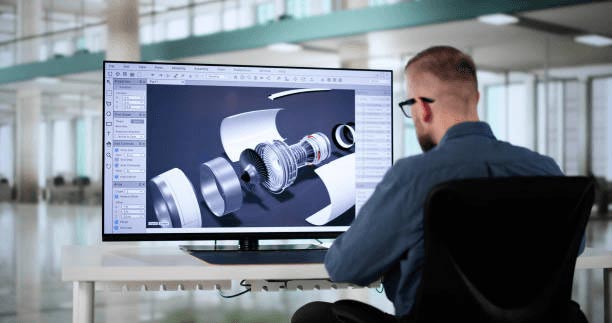
A clear process and good communication keep schedules steady. OPD Design uses a set process and a project manager team. It also draws on wide supply chain resources.
Overseas clients get English-speaking project managers. They also get weekly updates, video reviews, and shared dashboards. The dashboards show timelines, deliverables, and costs. Talks and approvals happen in English. Flexible hours help with time zones.
Location helps too. Shenzhen has a dense supply chain. It includes component suppliers, PCB makers, mold makers, and assembly factories. According to OPD Design, this closeness speeds up prototyping. It also allows direct contact with production partners.
Tips for Planning Your Own Timeline
- Define your product direction before design begins.
- Write down your priority features, size limits, and target cost.
- Keep review cycles short so approvals do not stall work.
- Raise packaging and compliance questions early.
- Ask your product development company for a phase plan with dates.
Conclusion
A standard consumer electronics or smart device project typically takes 6 to 10 months. The path runs from feasibility to design, prototyping, DFM analysis, and mold development. Pilot production comes before mass manufacturing. Each phase protects the next one. Skipping steps often costs more time later.
Choose a product development company that links product design services with manufacturing from the start. OPD Design covers product strategy, industrial design, and mechanical design. It also covers hardware design, prototyping, mold development, and manufacturing support. Contact us today to discuss your product and the phases that apply to it.
Frequently Asked Questions
1. How long does a typical product development project take?
A standard consumer electronics or smart device project usually takes 6 to 10 months at OPD Design. That time runs from concept to mass production. It covers feasibility, design, prototyping, DFM analysis, mold development, and pilot production.
2. Which phase takes the longest?
Industrial and mechanical design (6 to 8 weeks) and mold development (5 to 8 weeks) have the longest typical ranges. Both come before pilot production begins.
3. What is DFM and why does it have its own phase?
DFM means design for manufacturability. It checks that a design can be made well and with steady quality. So a separate phase of 3 to 4 weeks gives a clear checkpoint before tooling begins.
4. Does the standard timeline include packaging and certification?
The standard phase list covers feasibility through mass manufacturing. Packaging design and compliance and certification are separate services. Their timing depends on the product and the markets where you plan to sell.
5. How can I follow progress with an overseas team?
OPD Design sends weekly updates and holds video reviews. Clients also get shared dashboards with timelines, deliverables, and costs. Project managers speak English. Flexible hours help with time zones.