
Introduction: Why Consumer Electronics Design Is Changing Faster Than Ever
In 2026, consumer electronics design has entered a new phase. The days when companies could compete on specifications alone—more megapixels, faster processors, bigger batteries—are fading. Today’s consumers want products that understand their routines, respect their time, and fit seamlessly into their lives.
According to the Consumer Technology Association, U.S. consumer technology revenue is projected to reach $565 billion in 2026, growing 3.7% year over year. But this growth is no longer driven by flagship smartphones alone. On-device AI, intelligent wearables, predictive smart homes, and discreet lifestyle products are reshaping what consumers expect from modern technology.
For hardware founders and product managers, understanding these consumer electronics design trends is no longer optional—it’s essential for building products that survive in an increasingly crowded market.
This article explores the nine most significant shifts in consumer electronics design today, drawing from real product launches, trade shows like CES 2026, and conversations with design teams at leading smart hardware companies.
The 9 Defining Trends in Consumer Electronics Design
1. Health Intelligence: When Fitness Trackers Became Medical-Grade Devices
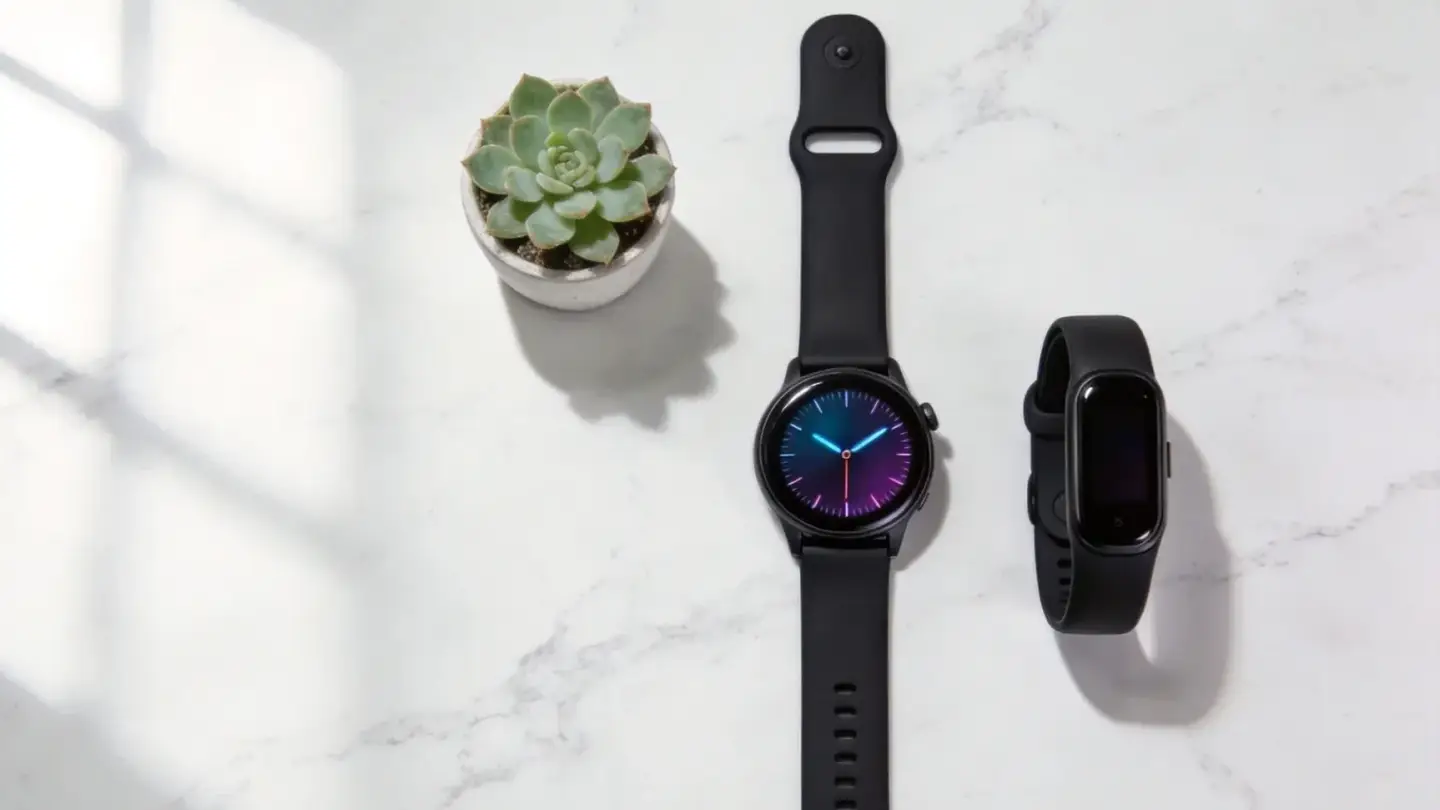
The most dramatic shift in consumer electronics design is the convergence of wellness and medical technology. In 2026, health monitoring has moved far beyond step counting and heart rate tracking.
Modern smart watches and fitness trackers now offer blood oxygen monitoring, ECG readings, sleep apnea detection, and even blood pressure trend analysis. The Apple Watch Series 10 received FDA clearance for its sleep apnea detection feature—a milestone that would have seemed impossible for consumer devices a decade ago.
For product designers, this trend creates new challenges:
- Dual compliance requirements: Consumer electronics design must balance sleek aesthetics with medical device regulations
- Sensor accuracy: Consumer-grade sensors must approach medical-grade precision
- Power consumption: Continuous health monitoring demands unprecedented battery efficiency
Companies that successfully integrate health intelligence into attractive, comfortable form factors are capturing significant market share in the wearable technology design space.
2. Invisible Interfaces: The Death of the Physical Button
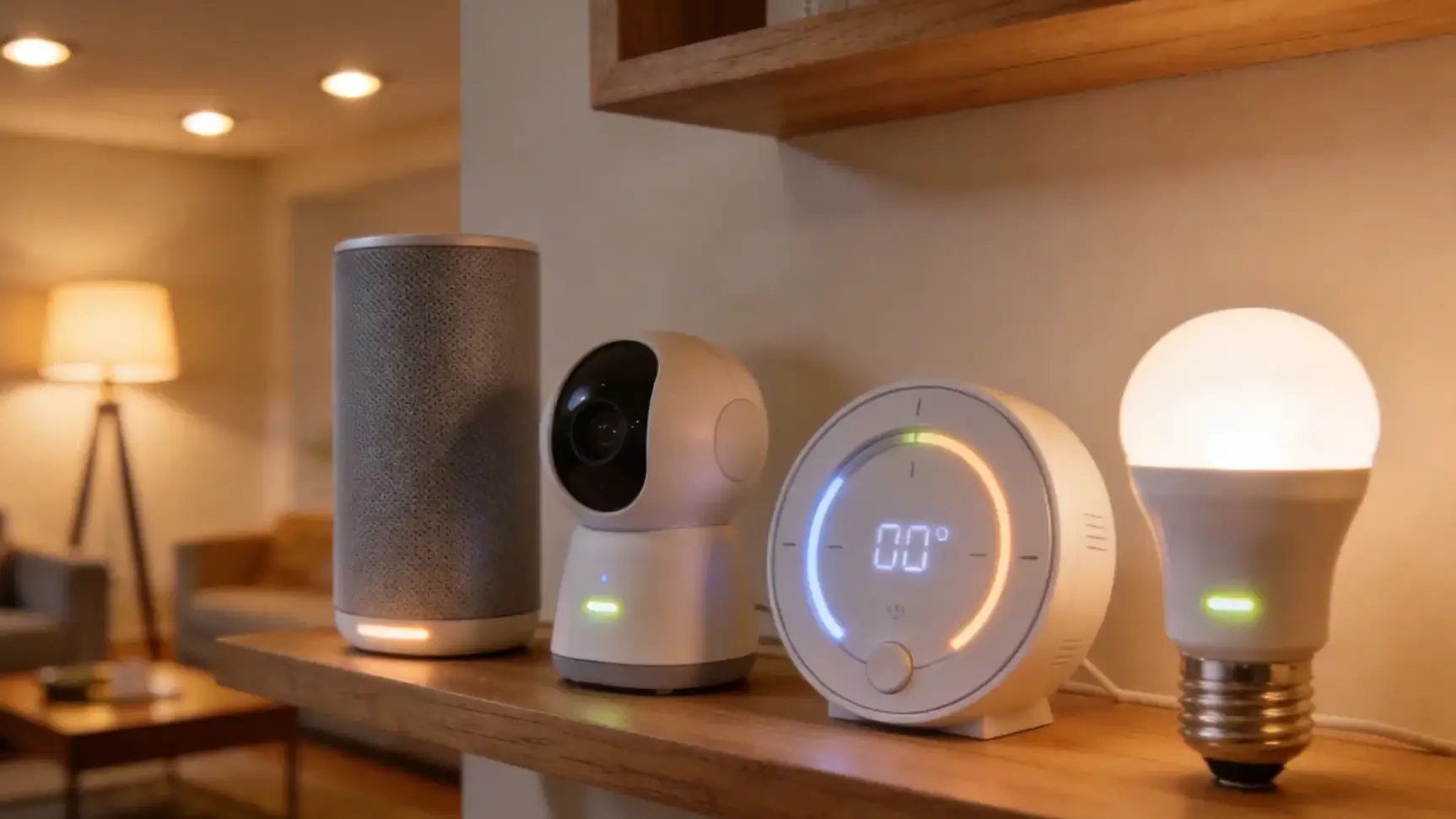
Physical buttons are disappearing from consumer electronics. In 2026, gesture control, voice commands, and adaptive touch panels have become the primary interaction methods for premium devices.
This invisible interface trend represents a fundamental change in consumer electronics design philosophy. Instead of designing around controls, engineers now design for seamless surfaces. The implications are significant:
| Design Element | Traditional Approach | 2026 Approach |
|---|---|---|
| Control surfaces | Buttons, dials, switches | Touch panels, haptic feedback |
| Voice integration | Optional feature | Primary or secondary interface |
| Visual feedback | LED indicators | Adaptive displays, projection |
| Gesture recognition | Limited to gaming | Full device control |
Japanese brands like ReFa have pioneered this approach in beauty devices, creating products with virtually no visible controls yet intuitive operation. For hardware designers, this requires rethinking internal layouts to accommodate sensors, microphones, and processing while maintaining thermal management in increasingly compact spaces.
3. Sustainable Materials: From Marketing Buzzword to Design Requirement
Sustainability has transformed from a marketing claim into a core consumer electronics design requirement. In 2026, EU carbon border adjustment mechanisms and global green product certifications are driving material innovation at unprecedented scale.
Key developments in sustainable consumer electronics design include:
- Recycled materials: Ocean plastics, post-consumer recycled polymers, and reclaimed metals are becoming standard
- Biodegradable alternatives: New plant-based composites offer viable alternatives for non-structural components
- Modular repairability: Products designed for disassembly reduce e-waste and appeal to environmentally conscious consumers
- Minimal packaging: Elimination of plastic packaging and use of mushroom-based or paper alternatives
For smart hardware design teams, sustainable design is no longer optional—it requires fundamental changes to material selection, manufacturing processes, and supply chain partnerships. Companies that master this balance without compromising product quality are finding a competitive advantage in the market.
4. Ecosystem Thinking: From Standalone Devices to Interconnected Systems
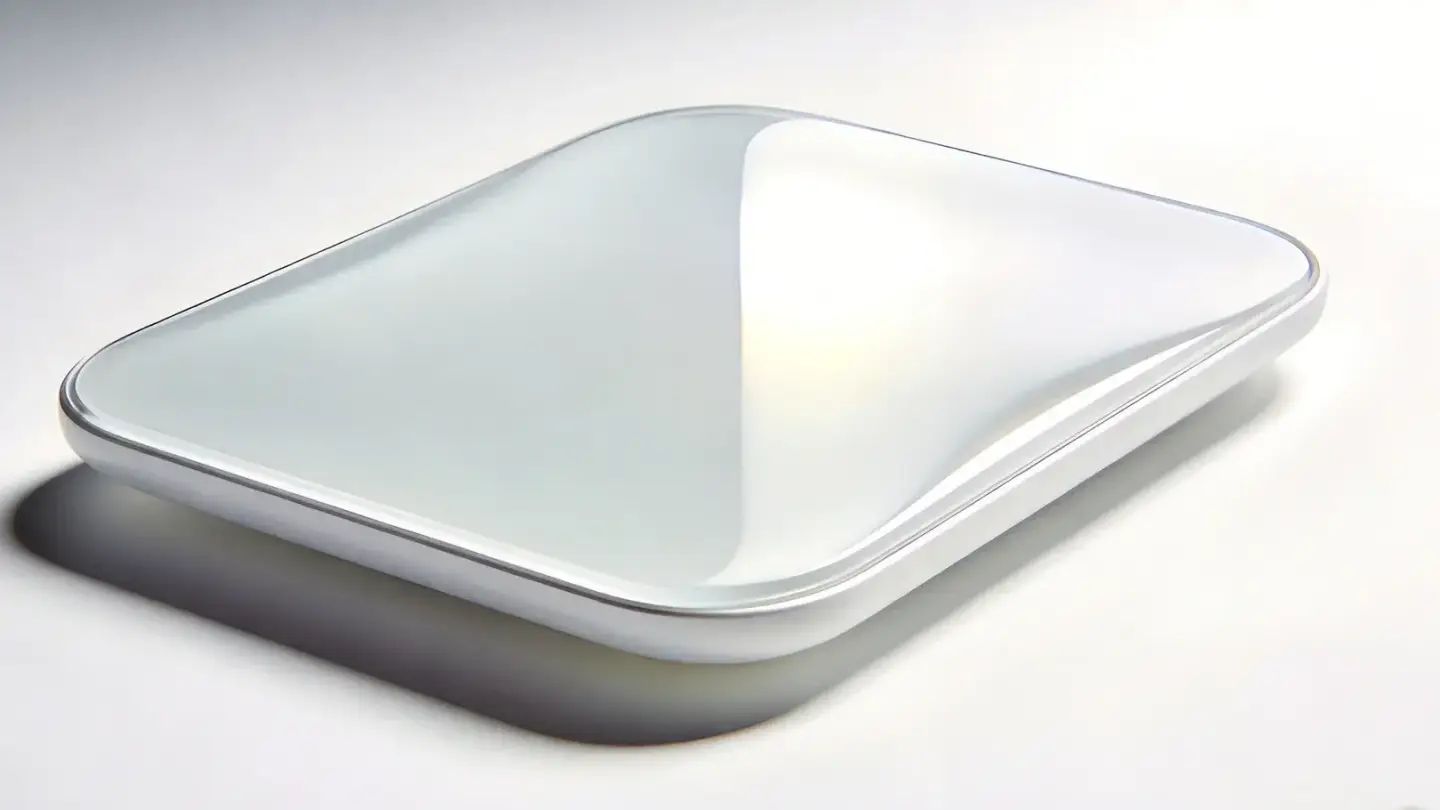
Consumer electronics design in 2026 has shifted from creating individual products to building interconnected experiences. The smart home, once a collection of independent devices, is becoming a cohesive ecosystem.
Matter protocol adoption has finally delivered on the long-promised vision of cross-platform compatibility. Consumers no longer need to choose products based on their smart home ecosystem—they can mix and match devices from different manufacturers with confidence.
This ecosystem thinking affects product design in several ways:
- Interoperability: Devices must communicate seamlessly across brands and platforms
- Local processing: Privacy concerns are driving on-device AI rather than cloud dependency
- Offline functionality: Products that work without subscription services or internet connections are gaining favor
- Unified control: Single-app or voice control across multiple device categories
For hardware founders, this means designing products as part of a larger system, not as isolated gadgets. Products that integrate well with existing ecosystems have a significant market advantage.
5. Miniaturization and System Integration: More Power, Smaller Packages
The relentless drive toward smaller, more powerful devices continues in 2026, but the methods have evolved. System-on-Chip (SoC) technology and High-Density Interconnect (HDI) PCB design are enabling unprecedented miniaturization in consumer electronics.
Key miniaturization trends include:
- SoC integration: Multiple processors, radios, and sensors now fit on single chips
- HDI PCBs: Ultra-fine traces and microvias maximize circuit density
- Flexible circuits: Foldable phones and wearables rely on flexible PCB technology
- Embedded components: Passives embedded directly in boards save surface space
This miniaturization enables product designers to add functionality without increasing device size—or to create entirely new product categories. Smart hardware design teams must balance the benefits of integration against repairability concerns and thermal management challenges in ever-smaller packages.
6. Edge AI: Intelligence at the Source
The shift from cloud-based to edge AI processing is transforming consumer electronics design. In 2026, on-device neural processing units (NPUs) are becoming standard features rather than premium additions.
Edge AI delivers several benefits:
- Privacy: Personal data stays on the device, addressing consumer concerns
- Latency: Real-time responses without network round-trips
- Reliability: Products work consistently regardless of connectivity
- Power efficiency: Specialized AI chips often outperform general-purpose processors for specific tasks
For consumer electronics designers, edge AI requires new hardware architectures, thermal considerations for dedicated AI chips, and careful balance between local processing capability and power consumption. Products that successfully implement edge AI offer compelling value propositions to privacy-conscious consumers.
7. Purposeful Minimalism: When Less Actually Means More
In a market saturated with feature-rich devices, a counter-trend has emerged: intentional simplicity. The best consumer electronics of 2026 are increasingly defined by what they don’t include rather than what they add.
This minimalist approach in consumer electronics design reflects changing consumer values:
- Attention economics: Users overwhelmed by notifications and features seek products that do specific things exceptionally well
- Premium positioning: Simplicity often signals quality and craftsmanship
- Sustainability alignment: Products with fewer features tend to have longer useful lifespans
Companies like Light Phone have built entire product philosophies around this concept, creating devices deliberately limited to essential functions. For smart hardware design teams, the challenge is identifying which features truly matter to target users—and having the discipline to exclude everything else.
8. Human-Centric Robotics: From Novelty to Utility
Consumer robotics has matured significantly. In 2026, robots are transitioning from entertainment novelties to practical household assistants. At CES 2026, the most compelling robots weren’t flashy demos—they were robust solutions for real problems.
Current trends in consumer robotics design include:
- Advanced navigation: SLAM technology and machine learning enable reliable autonomous movement
- Multi-functional platforms: Robots designed for specific tasks (cleaning, delivery, eldercare) rather than general entertainment
- Safety-first design: Rounded edges, compliant joints, and collision avoidance are standard requirements
- Human-robot interaction: Natural language processing enables intuitive voice control
For product designers entering the robotics space, the focus must shift from impressive demonstrations to reliable daily performance. Hardware that works consistently wins consumer trust more effectively than impressive specifications.
9. Privacy by Design: Security as a Selling Point
As devices collect more personal data, privacy has become a primary consumer concern—and a key factor in consumer electronics design decisions. In 2026, privacy isn’t just a feature—it’s a fundamental design principle.
Privacy-forward approaches in smart hardware design include:
- On-device processing: Sensitive computations happen locally, not in the cloud
- Clear consent mechanisms: Transparent data collection practices built into user interfaces
- Regular security updates: Long-term support commitments rather than disposable products
- Open standards: Cross-platform compatibility reduces lock-in and improves accountability
Companies that prioritize privacy in their consumer electronics design are finding receptive markets, particularly in Europe and among security-conscious professional users. Hardware designers must balance feature development with increasingly sophisticated security requirements.
For more insights on privacy-forward product design, explore resources from the Electronic Frontier Foundation and NIST’s Privacy Framework.
How These Consumer Electronics Design Trends Affect Hardware Founders
Strategic Implications
Understanding these trends isn’t academic—it directly impacts product strategy:
- Market positioning: Products that ignore health integration or sustainability may struggle to compete in premium segments
- Technical requirements: Edge AI and miniaturization demand new hardware design capabilities
- Regulatory compliance: Health features and privacy requirements create new compliance pathways
- Supply chain decisions: Sustainable materials and modular design affect component selection
Development Priorities
For founders planning consumer electronics products in 2026, we recommend prioritizing:
- Core user experience: Solve specific problems exceptionally well rather than adding marginal features
- Privacy architecture: Build privacy into hardware from the beginning, not as an afterthought
- Manufacturing partnerships: Work with partners experienced in sustainable materials and miniaturization
- Regulatory planning: Factor certification requirements into early development timelines
Frequently Asked Questions About Consumer Electronics Design
What are the most important consumer electronics design trends in 2026?
The most significant trends include health intelligence integration (medical-grade sensors in consumer devices), edge AI processing, sustainable materials adoption, ecosystem interoperability through Matter protocol, and purpose-driven minimalism. These trends reflect broader consumer preferences for privacy, sustainability, and products that enhance daily life without adding complexity.
How is smart hardware design different in 2026 compared to previous years?
Smart hardware design in 2026 emphasizes on-device AI capabilities, sustainable manufacturing practices, and ecosystem integration. The shift from cloud-based processing to edge AI represents a fundamental architectural change, while regulatory pressures and consumer demand are driving adoption of recycled materials and repairable designs.
What skills are most valuable for consumer electronics designers today?
Successful consumer electronics designers need cross-disciplinary skills spanning mechanical engineering, electronics, user experience, and regulatory compliance. Understanding of AI integration, familiarity with sustainable materials, and ability to design for manufacturing in China are particularly valuable. Soft skills like systems thinking and user empathy are increasingly important as products become more complex.
How do I choose a consumer electronics design partner?
When selecting a design partner for consumer electronics development, consider their experience with your target market segment, manufacturing partnerships in Asia, track record with regulatory compliance (especially for products with wireless features or health functions), and portfolio of shipped products. A partner offering end-to-end development—from industrial design through manufacturing support—typically delivers better results than fragmented vendor relationships.
What is the typical timeline for consumer electronics product development?
A new consumer electronics product typically requires 12-18 months from concept to mass production, though this varies significantly based on complexity. Simple accessories might take 6-9 months, while sophisticated smart devices with AI capabilities and health features can require 18-24 months. Manufacturing partnerships in Shenzhen often accelerate timelines due to established supply chains and rapid prototyping capabilities.
Conclusion: Designing for the Next Wave of Consumer Electronics
Consumer electronics design in 2026 is defined by a fundamental shift in priorities. The industry has moved from specifications-driven competition to experience-focused innovation. Products that understand user needs, respect privacy, and integrate seamlessly into daily life are the ones gaining market share.
For hardware founders and product managers, this creates both challenges and opportunities. Meeting these expectations requires new capabilities: health sensor integration, edge AI implementation, sustainable manufacturing partnerships, and ecosystem thinking. But for teams that master these skills, the rewards are significant.
At OPD Design, we’ve helped dozens of hardware startups navigate these changes. Our experience across consumer electronics categories—from wearable technology design to smart home devices—gives us unique insight into what works in 2026’s competitive landscape.
If you’re developing a consumer electronics product and want to discuss how these trends might affect your roadmap, we’re here to help.
Want to discuss how these consumer electronics design trends apply to your product? Contact OPD Design to explore how our team can support your smart hardware development journey.