
Product design is the full path of turning an idea into a product people can use and buy. Industrial design is one part of that path, and it shapes the form, finish, and use of the product. Good product design services combine both with strategy, engineering, and production.
Many founders mix up the two terms. That is easy to do, because the words overlap and each company uses them a little differently. At OPD Design, we hear this question often. In this guide, we explain what each term means, how they differ, and when you need each one. Our answer comes from how we work with our own clients.
The Short Answer
Industrial design focuses on how a product looks, feels, and gets used. In contrast, product design is wider. It covers the strategy, the user, the engineering, the electronics, the software, and the path to the factory.
Think of it this way. Industrial design asks, “What should this product look like, and how should it feel in the hand?” Product design asks a bigger question: “How do we turn this idea into a product that works, sells, and can be built?”
In fact, our own website groups product strategy, industrial design, and mechanical design under one heading called Product Design. That shows how closely the pieces connect. Many teams that search for product design services really need all three.
What Is Industrial Design?
Industrial design shapes physical products that are made in large numbers. The World Design Organization describes it as a strategic problem-solving process that supports new ideas and business success. You can read the full text on the World Design Organization website. In practice, the designer thinks about people first and the object second.
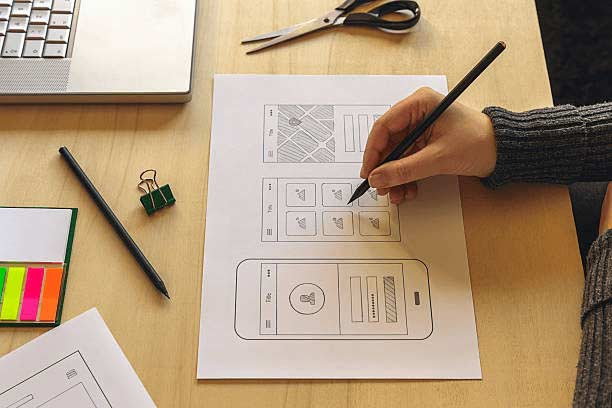
Our industrial product design services create product aesthetics that support brand recognition and user appeal. The work often includes sketches, concept directions, color and material choices, and 3D models.
Form and Finish
Form is the shape of the product. Finish covers color, texture, and material. Together, they make the first impression. In fact, buyers judge a product in seconds, whether they see it on a shelf or on a screen.
Ergonomics and Use
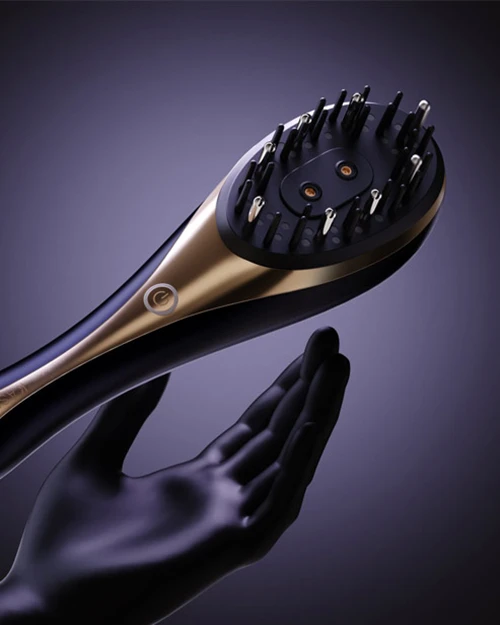
A product must feel right in use. For instance, size, weight, grip, and button placement all matter. In one project, our team explored grip curvature, one-key control placement, and the shape of a charging base for a smart massage comb. The goal was comfort during long use and a compact shape for a travel bag.
Brand Recognition
Every product carries a brand. Consistent shapes, colors, and details help buyers know it at a glance. For this reason, industrial product design services look beyond a single item. They ask how the product fits the brand around it.
What Is Product Design?
Product design covers the whole path from idea to finished product. It includes industrial design, but it adds many other steps. In short, it ties together what people want, what is possible, and what can be made at a fair cost.
Strong product design services cover five areas. These are strategy, research, engineering, electronics, and production. Next, we look at each one.

Strategy and User Research
First, every project starts with a plan. Product strategic planning sets the product position, the target user, and the must-have features before design begins. It also checks the market and the likely cost. Because of this early work, the team avoids changing targets later.
Second, user research matters here. The international standard ISO 9241-210 describes human-centred design for interactive systems. Its practical message is to involve users early and keep involving them as the product grows.
For instance, one of our projects began with children aged 5 to 12 and the limits of current home care options. That starting point shaped a child-friendly, forehead-worn device. Without that research, the design would have had no clear target.
Mechanical Design and Electronics
Still, a shape means little if the parts cannot fit inside it. Mechanical design turns the inner structure and the outer look into engineering that can be built. It checks wall thickness, assembly order, sealing, and access for service.
Next, electronics add another layer. Our hardware design services complete the circuit systems and the hardware architecture. Batteries, boards, sensors, and wireless modules all need space, power, and testing. Because of this, hardware design services must start early, not after the look is final.
Software, Prototypes, and Production
In addition, many products need firmware, a mobile app, or a back-end system. After that, prototypes test the design in the real world, and mold development prepares the parts for mass production. Finally, manufacturing support checks that production stays steady.
In short, this full path is what we mean by product design services. It covers more than styling. It links the look of a product to its function, its cost, and its factory.
Industrial Design vs Product Design at a Glance
The table below sums up how industrial design compares with product design services.
| Area | Industrial design | Product design |
|---|---|---|
| Main focus | Form, finish, ergonomics, and use | The whole product, from idea to production |
| Key question | How should it look and feel? | How do we make it work, sell, and get built? |
| Typical work | Sketches, concepts, color and material choices, 3D models | Strategy, research, engineering, electronics, software |
| Output | A design concept and visual direction | A tested product that is ready to build |
| Risk if skipped | A product that looks dull or feels wrong | A product that cannot be built or sold |
Overall, the two are not rivals. Instead, industrial design is a key part of the larger product design process.
How the Two Work Together in One Project
A standard consumer electronics or smart device project at OPD Design takes about 6 to 10 months from idea to mass production. Product design services follow a long chain, and industrial design sits inside it. Here is how the stages fit:
- Feasibility study: 2 to 3 weeks. We check technology and market fit and set the direction.
- Industrial and mechanical design: 6 to 8 weeks. Form, look, and inner structure grow together.
- Engineering validation and prototyping: 4 to 6 weeks. Samples test the design and its functions.
- Design validation with DFM analysis: 3 to 4 weeks. We check that the design can be built with steady quality.
- Mold development: 5 to 8 weeks. Tools are built for the physical parts.
- Pilot production and mass manufacturing: the time depends on the project.
Treat these times as a planning range, not a fixed promise. Each project is different.
Notice that industrial and mechanical design run side by side. A striking shape that cannot be built causes delays. On the other hand, a design that is easy to build but dull creates a different problem. When one team holds both sides, the shape and the structure improve each other.
Exploring how to turn your idea into a real product? Our team has helped startups and brands turn ideas into real, manufacturable products. Book a free consultation to discuss your idea.
Case Studies: Seeing the Difference in Real Projects
Real projects show the difference better than any definition. Good product design services look different in each project, as the examples below from our case list show.
A Smart Comb: Where Both Meet
The massage comb combines brushing, essential oil misting, negative ions, and red light in one portable device. First, industrial design shaped the grip, the control area, and a charging base that doubles as storage.
Product design went further. Engineers planned the sealing for the oil tank, the alignment of the wireless charging coil, and the circuit architecture. Then the team built 10 to 20 hand-made prototypes. They tested misting, charging, battery life, and drop resistance. In the end, the product was certified for FCC and CE.
A Stove: When Design Sets the Direction
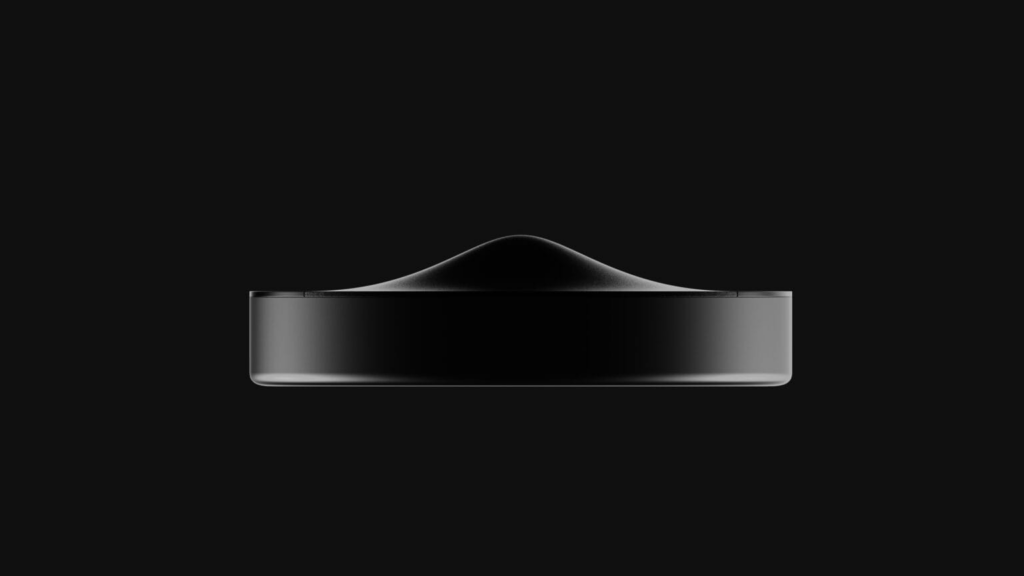
For a compact desktop cooktop, the client wanted a futuristic look that would stand out. First, our team reviewed competing cooktops. Then we set two differentiators: a distinct appearance and visible temperature feedback. The raised front section echoes the shape of a spaceship, and a color-changing light strip shows heating status.
Still, behind that look sits real engineering. An infrared sensor reads water temperature, and heating stops at 100°C. You can see how we joined these parts in our sci-fi style stove case.
A Cleaning Robot: When Engineering Leads
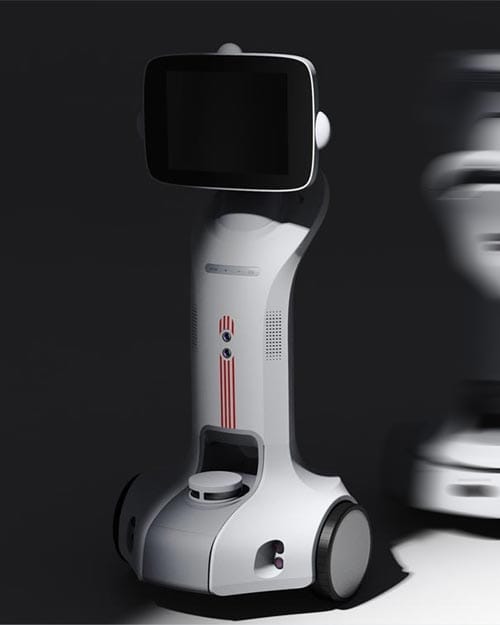
On a cleaning robot project, the hard questions were structural. The tooling team managed mold design and validation for the enclosure and the inner parts. They paid close attention to the sealing surfaces for the dustbin and the water tank. First and second mold trials then confirmed part quality.
Here, the look mattered, but structure and electronics decided success. For example, the circuit board layout was tuned to keep the motor circuits and the sensor signals from disturbing each other.
A Party Speaker: Learning Through Prototypes
The party box speaker moved through three rounds. First came a rough proof of concept to check form and portability. Next came a working prototype with real electronics. Last came a finished-look sample that matched the planned color, texture, and finish.
After that, testing covered drop resistance, battery life, splash protection, and audio quality. This project shows how industrial design and engineering test each other in every round.
Which Do You Need First?
Most teams need both, but the order matters. Use these guidelines:
- If you only have a rough idea, start with strategy and user research.
- If you know the user and the features, add industrial design to shape the concept.
- Once the concept is approved, bring in mechanical and hardware design to make it work.
- If the product has electronics, plan software and compliance early.
In fact, starting with looks alone is a common trap. A beautiful render does not prove that the parts will fit or that the cost will work. That is why we suggest asking for product design services that cover the full path, even if you start small.
Common Mistakes When Mixing Up the Two
A few mistakes repeat across projects:
- Hiring a stylist and expecting a product that can be built
- Starting engineering before the user is clear
- Splitting industrial and mechanical design between separate teams
- Leaving packaging and compliance for the end
- Choosing a partner by price alone
Each mistake can lead to rework. As a result, we suggest planning the look, the structure, and the production path together from the first week. Early product strategic planning makes this much easier.
How to Choose a Partner
Ask a few simple questions before you decide:
- Does the partner link industrial design, mechanical design, and electronics?
- How do they check that a design can be built at a fair cost?
- Can they share case studies for products like yours?
- Who owns the design files and prototypes?
- How often will you get updates?
In short, clear answers show how a team works. At OPD Design, overseas clients get English-speaking project managers. They get weekly updates, video reviews, and shared dashboards too. We sign a mutual NDA before project talks, and all design files, prototypes, and deliverables belong to the client.
We work with 300+ cooperative factories and place quality engineers on every project. Because of that experience, our designers can judge early what can be made well. Whichever provider you pick, make sure its industrial product design services and its engineering team talk to each other.
Conclusion
Industrial design and product design are not the same, but they work best together. Good product design services keep both in balance. Industrial design shapes the look, feel, and use of a product. Product design covers the strategy, the engineering, the electronics, the software, and the path to production. Overall, early planning and tested samples lower the risk of rework at every stage.
OPD Design is a product design and development company based in Shenzhen, China. Our services run from strategy to production help. Brand design, packaging design, and compliance help are available too. If you have a product idea and want to talk through your plan, contact us today.
FAQs
1. What is the main difference between product design and industrial design?
Industrial design focuses on the form, finish, and use of a product. Product design services cover the whole path from plan to factory.
2. Is industrial design part of product design?
Yes. Industrial design is one key part of product design services. It works with strategy, mechanical design, and prototyping.
3. Do I need an industrial designer or a product design company?
It depends on your product. A simple item may need mostly industrial design. A connected product with electronics and an app usually needs the full product design path.
4. How long does industrial design take?
For a standard consumer electronics or smart device project, industrial and mechanical design takes about 6 to 8 weeks at OPD Design. Each project is different. Treat this as a planning range
5. Can one company handle both design and manufacturing?
Yes. OPD Design covers strategy, design, engineering, prototyping, molds, and production help in one team. That means fewer handoffs between vendors.