
Product strategic planning helps you judge an idea before you spend money on design and tooling. You check four things: the problem, the market, the build, and the cost of reaching production. If the answers are clear and realistic, the idea is worth moving forward. If they are not, you adjust the idea or stop early.
Product strategic planning gives you a clear way to decide if a product idea deserves your time, budget, and effort. Many founders feel sure about an idea because it excites them. Excitement is a good start, but it is not evidence.
This guide explains how we think about early product decisions at OPD Design. You will see which questions to ask, how to score your answers, and what to do next. It is written for startups, inventors, and established brands that plan to develop a physical or connected product.
Why Many Product Ideas Stall Before They Start
Most product ideas do not stall because the idea is poor. They stall because nobody tested the key assumptions early. A widely cited review of startup post-mortems by CB Insights found that a lack of market need was the most common reason startups failed. Running out of cash and having the wrong team followed.
Physical products carry extra risk. You cannot change a mold as easily as you change a web page. Tooling, components, and certification all cost money. A wrong turn late in the process costs far more than a wrong turn on paper.
That is why we encourage clients to slow down at the start. A few weeks of structured questions can help you avoid months of rework. It also gives your team a shared view of what you are building and why.
What Product Strategic Planning Means
Product strategic planning is the early stage where you define what you will make, who it is for, and why it matters. It comes before design sketches, circuit layouts, and prototypes.
At OPD Design, we treat this stage as part of the development journey. It is not a separate exercise. Our product strategic planning work looks at the user, the market, the technical path, and the business case together. The aim is a clear plan that your team can act on.
A good plan answers five plain questions:
- What problem does the product solve?
- Who has that problem, and how often?
- What do people use today instead?
- Can the product be designed and built at a sensible cost?
- What must be true for the product to succeed?
If you cannot answer one of these, that is a useful finding. It shows you where to research next.
Start With the Problem and the User
Every strong product begins with a real need. Start there before you think about features, colors, or materials.
Define the problem in one sentence
Write one sentence that follows this pattern: People who [group] struggle with [problem] because [reason]. If the sentence needs a full paragraph, the idea may be too broad. A narrow problem is easier to test and easier to solve well.
For example, a product for everyone who cooks is hard to plan. A product for people who cook in small shared kitchens gives you a clear starting point.
Describe the person who has the problem
Think about real people, not a vague audience. Which age group are they in? Where will they use the product? What will they hold, carry, or plug in?
Our wearable brain-computer product development case shows why this matters. The project began with the needs of children aged 5 to 12 and the limits of current home care options. That starting point shaped a child-friendly, forehead-worn device.
Talk to at least a handful of your own users. Ask about their habits and their frustrations. Do not ask whether they like your idea. People often say yes to be polite. What they did last week tells you more than what they say they might do next month.
Use human-centred design as a guide
The international standard ISO 9241-210 describes human-centred design principles and activities across the life cycle of interactive systems. You do not need to read the whole document. Its main message is practical: involve users early and keep involving them as the product develops.
Check Whether the Market Wants It
A product can solve a real problem and still struggle if the market does not value the solution. This step checks demand, competition, and price.
Study what people use today
Every product competes with something. Even if no similar product exists, people use a workaround, an older device, or nothing at all. List the top three alternatives. Note what people like and dislike about each one.
We follow this step in our own projects. In our sci-fi style electric ceramic stove case, we began by defining the opportunity with the client. We then reviewed competitor cooktops, desktop use scenarios, and safety expectations. That review led to two design differentiators: a distinctive futuristic look and visible temperature feedback.
This kind of list shows where your idea can be different. It also shows where it cannot. If your product only matches the alternatives, you need a stronger reason for people to switch.
Test price and value
Ask whether customers would pay for the product at a price that covers your costs. You do not need a final price at this stage. A rough range is enough.
Compare that range with similar products. Then think about what it costs to make yours. Hardware cost depends on parts, tooling, assembly, packaging, shipping, and certification. Leave room in the budget for each of these.
Look for early signals
Early signals include customer interviews, a waiting list, a short survey, or reactions to sketches and mock-ups. Treat each one as a clue, not proof.
Signals get stronger when people take action. Leaving contact details or asking when they can buy tells you more than a polite compliment. Record what you learn so your team can review it together.
Test Whether You Can Build It
An idea can be wanted and still be hard to build. This is where design and engineering become part of strategy. Product strategic planning should include a first look at whether the product can be made at a sensible cost.
Look at form, use, and manufacturability
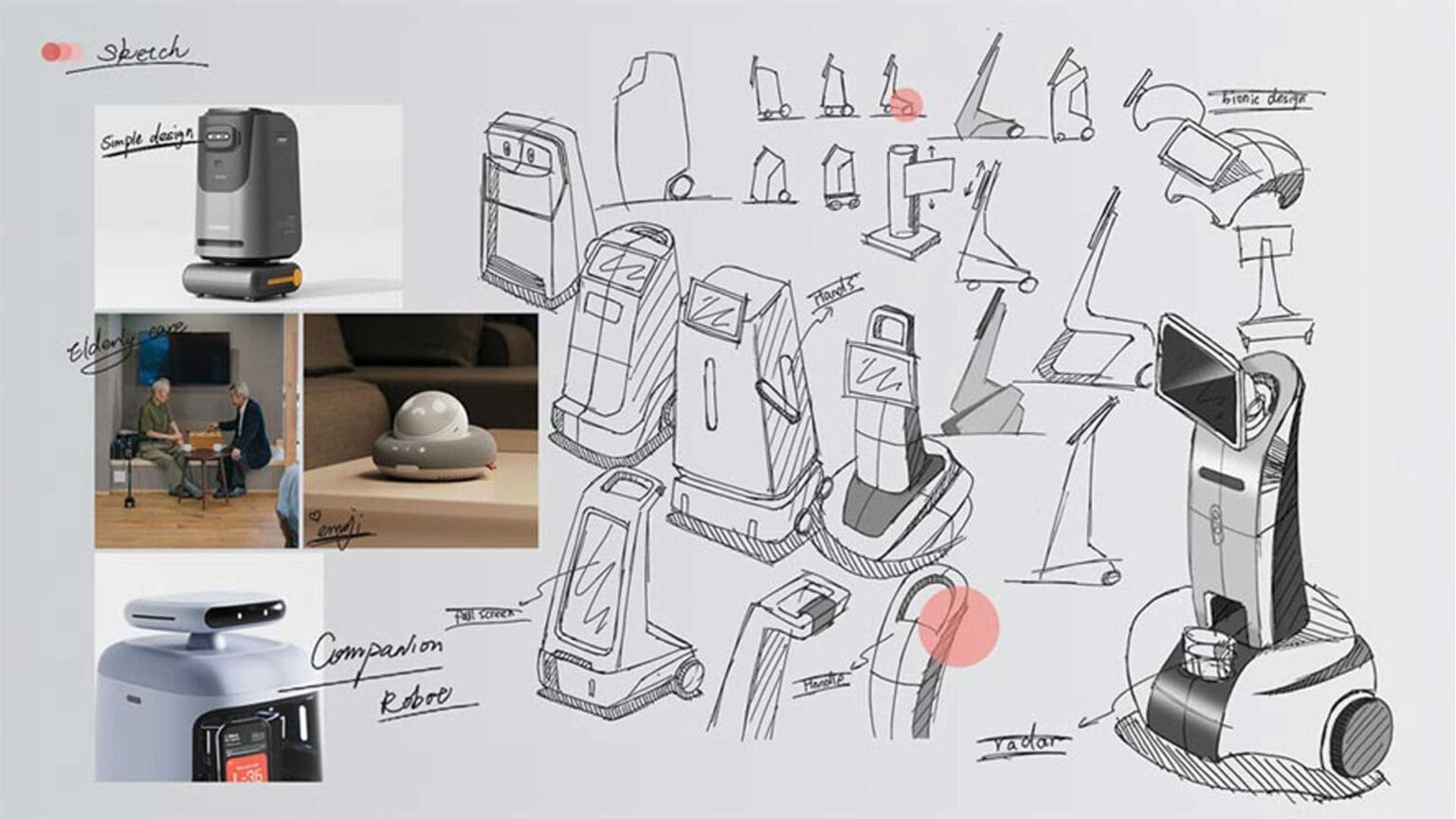
Industrial design shapes how a product looks, feels, and works in the hand. In the early stage, it also shows whether the concept is practical. Is the product too large for its use? Does it depend on parts that are hard to source? Can the shell be made with common processes?
Our team treats industrial design product development and production planning as connected topics. That is why these questions come up from the first sketches.
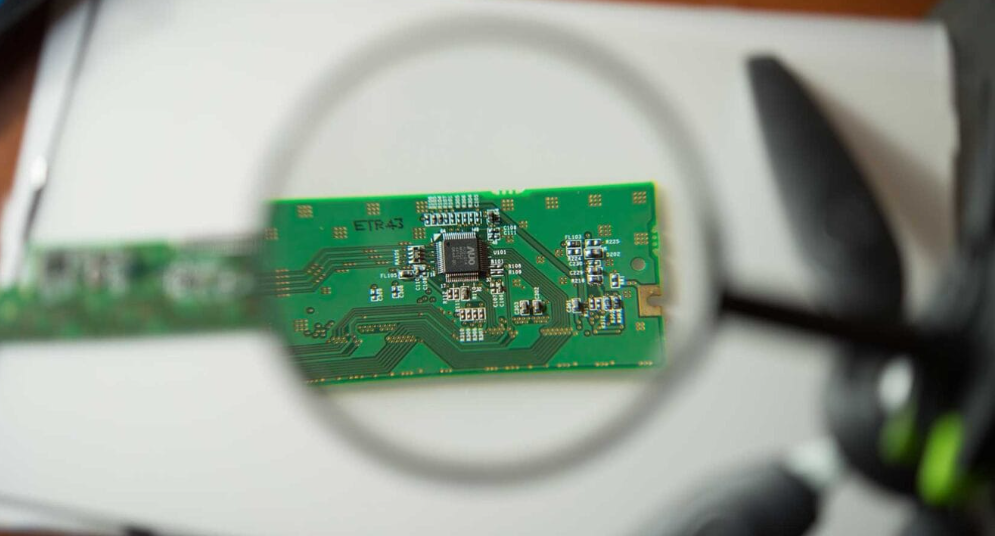
Review the electronics early
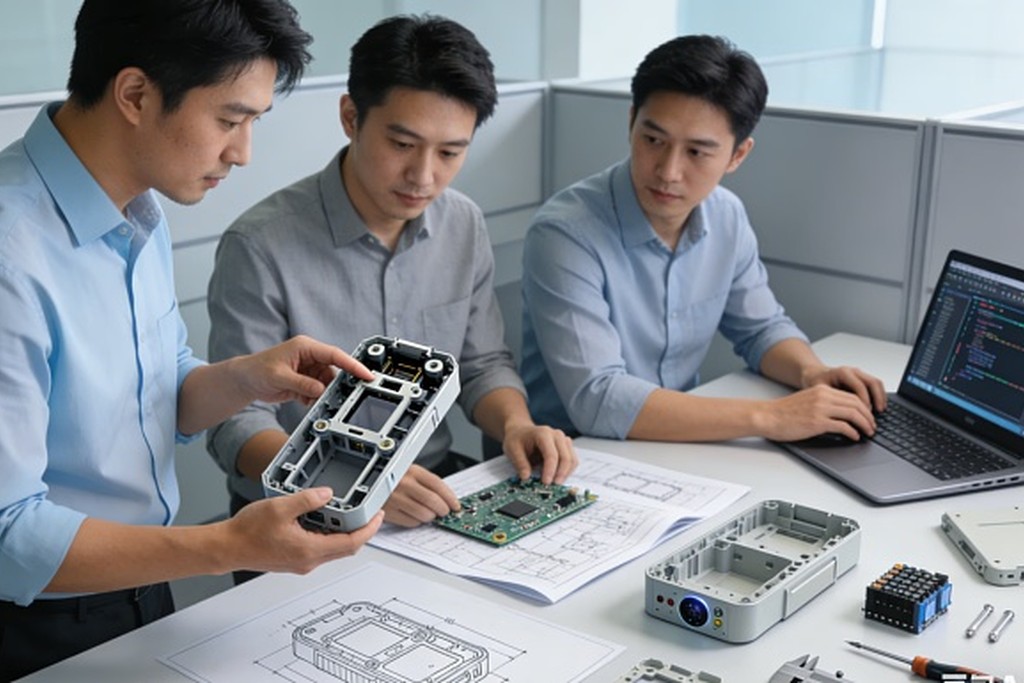
Many products now include sensors, batteries, wireless modules, or displays. These parts add value and add risk. Electronic hardware design covers circuit boards, component choices, power needs, and how the electronics fit inside the housing.
A useful question here is: what is the smallest set of features that proves the idea? Each added feature adds cost, testing time, and certification work. A short feature list is easier to build and easier to improve later.
Think about materials and production volume
Ask how many units you expect to make in the first year. Low volumes and high volumes call for different processes. Printed or machined parts suit early samples. Molded parts suit larger runs but need tooling.
Choosing a likely path early keeps the design matched to the plan. It also helps you avoid a shape that works for one sample and fails at scale.
Exploring whether your product idea is ready for the next step? Our team works with startups and brands on strategy, industrial design, electronics, and prototyping for physical products. Talk to us about your idea and the questions it raises.
Use a Simple Scorecard
A scorecard turns scattered notes into a clear picture. Score each row from 1 to 3. A score of 1 means unclear, 2 means partly answered, and 3 means well supported. A scorecard fits naturally into product strategic planning because it turns scattered notes into one clear view.
| Area | What to check | Green flag | Red flag |
|---|---|---|---|
| Problem | Is the need clear and specific? | One sentence describes it and users confirm it | The problem changes each time you explain it |
| User | Do you know who will buy and use it? | You can name and reach real people | The answer is everyone |
| Market | What do people use today? | You can explain the gap clearly | Nobody can say what the alternatives are |
| Design | Does the form suit use and production? | Shape and process fit together | The shape depends on parts that do not exist |
| Electronics | Are the features focused? | A few features prove the idea | Many features with no priority |
| Cost | Does the rough cost fit a likely price range? | You have a first cost estimate | Cost is unknown |
| Compliance | Do you know which rules apply? | Target markets and rules are listed | Rules have not been checked |
Add up the scores. Most green flags suggest the idea can move to prototyping. Several red flags suggest more research. A low score is a task list, not a verdict.
Share the scorecard with your team and advisors. Different people notice different gaps. A designer may spot a form problem. An engineer may spot a power problem.
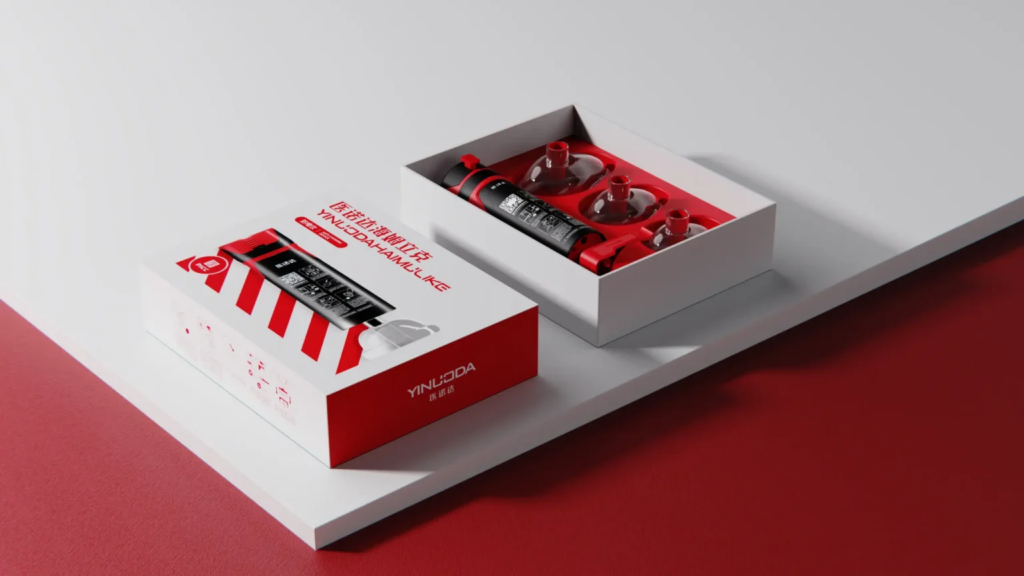
Think About Packaging and the Customer Experience
Teams often leave packaging for last. It affects cost, shipping, protection, and the first impression your customer has of the product.
A product packaging design service can help you plan the box, inserts, and printed details together with the product. When the two are planned together, the package fits the product and the budget.
Ask these questions early:
- How large will the packed product be, and how will that affect shipping?
- Which parts are fragile and need protection?
- What must the customer see and read when they open the box?
- Does the package need to carry safety or regulatory marks?
These questions do not need final answers yet. They do help you avoid surprises later.
Plan for Cost, Compliance, and Production Early
Strategy does not stop at the idea. It also looks ahead to what happens when the product moves toward a factory.
Cost. Break the cost into parts, tooling, assembly, testing, packaging, and shipping. Even a rough breakdown shows which items matter most.
Compliance. Depending on the product and the target market, electronic products may need certifications such as CE, FCC, or RoHS. Rules differ by product type and region. Check them early, because they can shape design choices such as materials and circuit layout.
Prototyping. A prototype turns a concept into something people can hold and test. It shows problems that drawings cannot show. Plan for more than one round, since each version teaches you something new.
Production. A manufacturer will ask for drawings, a parts list, and clear specifications. The earlier your strategy considers production, the smoother this handover tends to be.
We support these stages as one connected path, from early planning through prototyping, production support, and compliance. Your plan should do the same, even if you start small.
Decide: Go, Adjust, or Stop
After the scorecard, you have three choices.
Go. Most areas show green flags. Define a focused feature list, then move to design and prototyping.
Adjust. Some areas show red flags that you can fix. You might narrow the feature list, change the target user, or rethink the price. Then you score the idea again.
Stop. The red flags cannot be fixed at a reasonable cost. Stopping is a result, not a failure. It keeps your budget and energy available for a stronger idea.
Write down your decision and the reasons behind it. If you change direction later, you can see what you knew at the time. Product strategic planning ends with a clear go, adjust, or stop decision.
Conclusion
Knowing whether a product idea is worth pursuing comes down to evidence. Product strategic planning gives you a way to collect that evidence before large costs begin. You define the problem, understand the user, check the market, test the build, and look ahead to cost, packaging, compliance, and production.
No idea passes every test on the first try. A scorecard shows where to focus next, and an honest decision protects your budget. If you want to talk through your idea with a team that works across strategy, design, electronics, and packaging, contact us today.
Frequently Asked Questions
What is product strategic planning?
Product strategic planning is the early stage where you define the problem, the user, the market, and the technical path for a product. It helps you decide what to build and in what order before design and engineering costs grow.
How long does it take to check whether a product idea is worth pursuing?
The time depends on the product. A simple concept may need a few weeks of research and interviews. A connected product with electronics, packaging, and compliance questions usually needs more time.
Do I need a prototype before I decide?
Not always. Early research, sketches, and a scorecard can answer many questions first. A prototype becomes useful when you need to test fit, use, or function with real people.
Should I think about packaging at this stage?
Yes, at a basic level. Packaging affects cost, shipping size, and product protection. A rough plan early on helps you avoid design changes later.
What if my scorecard has several red flags?
Treat each red flag as a task. Research the weak areas, adjust the idea, and score it again. If the red flags remain after reasonable effort, stopping may be the wise choice.