

Choosing a product development company is one of the first big choices for any hardware founder. The next question is where that work should happen. Some teams pick China for its factory network. Others prefer a local partner for easy contact.
In short, neither choice fits every product. China can give you a close link between design and factories, while a local team can make meetings and visits easier. This guide compares both paths and lists the questions to ask before you decide.
Why the Location Question Matters
Where your product development company builds shapes your cost, your speed, and your risk. It also shapes how you talk to your team and how you move parts and samples. A poor fit can lead to delays and rework.
The best answer depends on your product. A simple item with few parts has different needs from a smart device with circuits, an app, and a custom mold. So start with the product, not the map.
What a Product Development Company Does

A product development company takes an idea through each step needed to make it real. These steps usually include strategy, design, engineering, prototypes, tooling, and production help. OPD Design, for example, lists services from product strategy to manufacturing support on its website.
Industrial Design Product Development
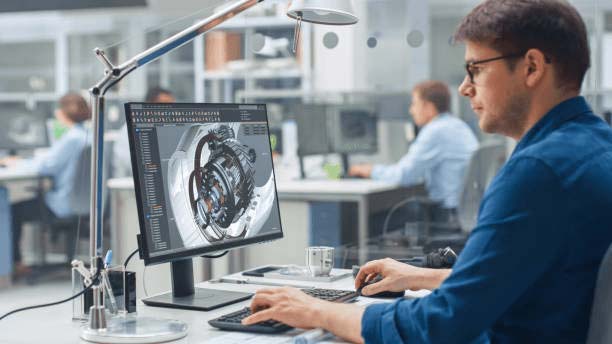
Industrial design product development shapes how the product looks, feels, and works in the hand. It sets the form, the materials, and the user experience. Good industrial design also keeps the factory in mind. That way, the shape can be made at a fair cost.
Mechanical Product Development
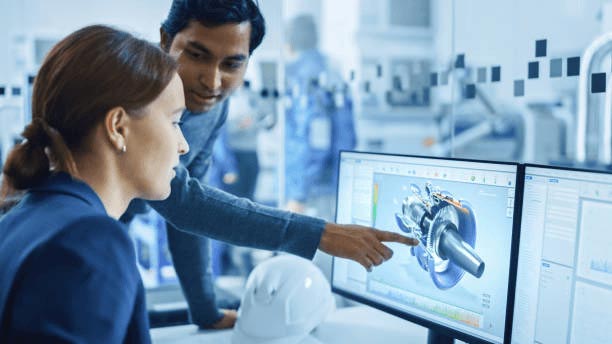
Mechanical product development turns the look into real parts. It covers structure, fits, assembly, and materials. This work links the design to the mold and the factory. Early checks for easy production help avoid costly changes later. OPD Design says it thinks about how a product will be made from the design stage.
Packaging Design
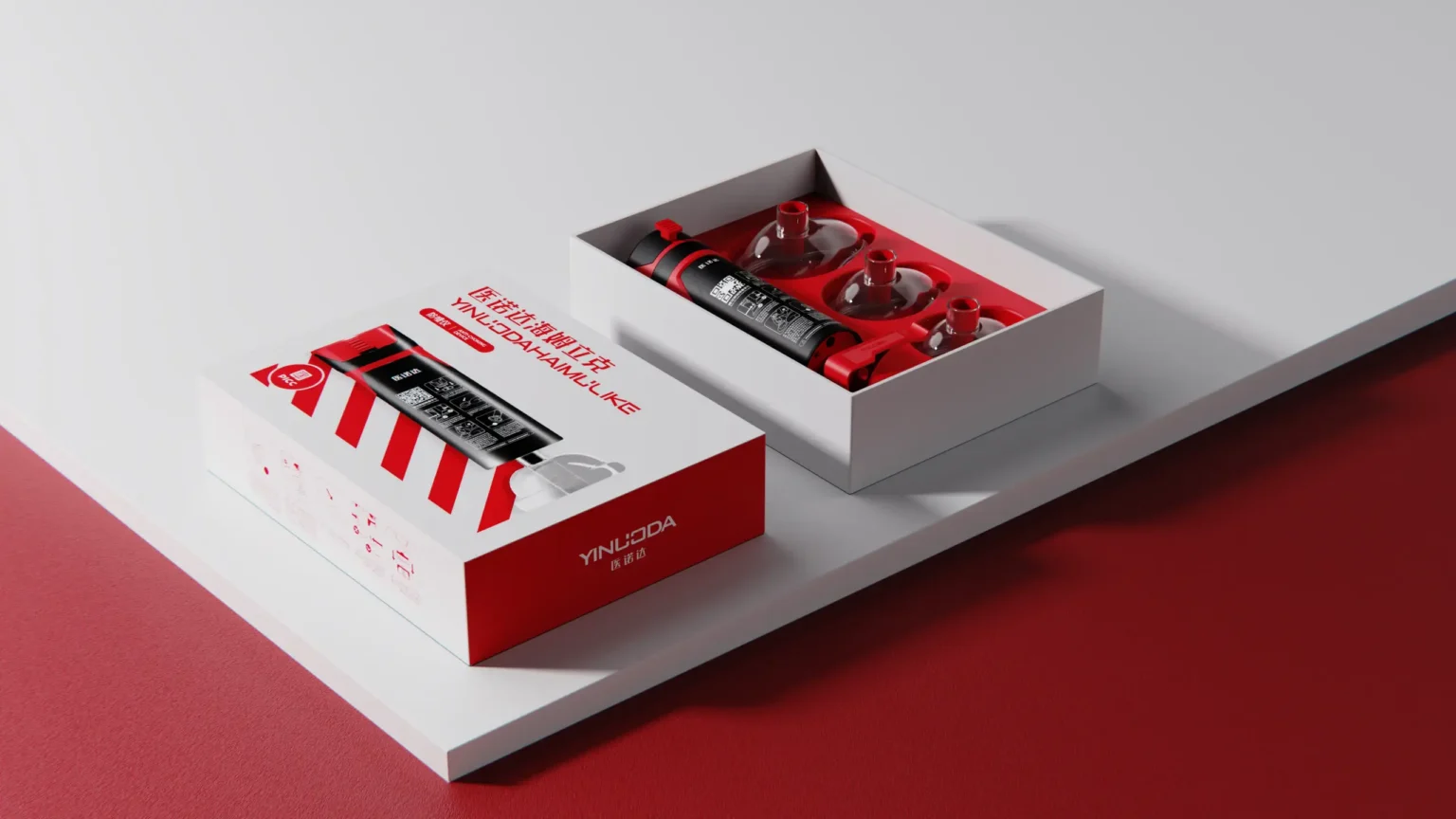
A product packaging design service covers the box, the insert, and the brand look. Packaging affects shipping size, product safety, and shelf appeal. It works best when planned with the product. Some firms, such as OPD Design, offer it together with product design and brand design.
Developing in China: The Main Advantages
OPD Design is based in Shenzhen, a major hub for electronics. Its website notes that component makers, PCB makers, mold makers, and assembly factories sit close together there. OPD says this allows faster prototyping, lower sourcing costs, and direct contact with production partners.
The same site reports a network of more than 300 partner factories. That gives a product development company more choice when it matches a product to a supplier. It can also help when you move from prototype to pilot runs and then to mass production.
Another benefit is a smooth path from design to production. When the design team and the factory network work close together, problems show up sooner. Engineers can check parts, tools, and assembly steps before you commit to large orders.
Developing in China: What to Watch
China is not the right fit for every project. Several points need care.
Distance and Time Zones
Your team may be many hours away. Live calls can be harder to plan. Written updates and set meeting times help. OPD Design says it works with clients in North America, Europe, and the Middle East. It uses English-speaking project managers, weekly updates, video reviews, and shared dashboards.
Intellectual Property
Protect your ideas before you share them. Sign an NDA and agree in writing who owns the designs. OPD Design states that it signs a mutual NDA before project talks and that all deliverables belong to the client. For wider guidance, the USPTO runs events and webinars with China IP resources for businesses.
Duties and Rules
Import costs can change. For example, US importers can check the USTR Section 301 page for current actions on goods from China. Other countries have their own rules. Add duties to your cost plan early. Then confirm current rates before you set a price.
Quality Control
Distance makes it harder to see the line yourself. So ask how quality is checked. A quality system such as ISO 9001 is one thing to ask about. ISO notes that certification is voluntary. OPD Design reports quality engineers on every project and strict rules for choosing suppliers.
Developing Locally: The Main Advantages
A local team shares your time zone, language, and business rules. Meetings are easy to plan, and visits take less time. You can see samples in person and fix small issues fast. Local work may also feel simpler for legal and tax matters.
Shipping can be shorter too, especially if you plan to sell in the same region. This can help with small test batches.
Where Local Development Can Be Harder
Some parts and factories may still sit overseas, especially for electronics. A local team may need to source those parts through other firms. This can add steps and wait time. Local rates for design and engineering may also be higher in some regions. Ask each option for a clear scope and quote before you compare.
China vs Local Development at a Glance
The table below sums up the main points. It is a guide, not a rule. Your own project may differ.
| Factor | Developing in China | Developing Locally |
|---|---|---|
| Supplier access | Large factory network near the design team | May be smaller for some parts |
| Prototype speed | Often faster when suppliers are close | Depends on local shops and parts |
| Communication | Needs set meeting times and written updates | Easy calls in the same time zone |
| Site visits | Need travel planning | Short trips |
| Quality checks | Need clear standards and reports | Easier to inspect in person |
| IP protection | Needs an NDA and clear ownership terms | Same needs, under familiar local law |
| Duties and shipping | Depend on route and current rules | Often fewer cross-border steps |
| Best fit | Products with electronics, molds, and volume plans | Simple products, small runs, or hands-on testing |
Every project has its own mix of needs. Weigh the rows that matter most to your product.
Exploring where to develop your product? OPD Design helps startups and brands move from product strategy to manufacturing. Book a free consultation to discuss your idea.
How Remote Work With a China Team Can Work

Many founders work with a product development company overseas. A clear process keeps it smooth. OPD Design describes weekly progress updates, scheduled video reviews, and shared dashboards that show timelines, deliverables, and costs. All talks, documents, and approvals are in English.
OPD Design also states that a standard consumer electronics or smart device project takes about 6 to 10 months from idea to mass production. Ask any product development company for a plan with set milestones. Then you can track each step.
Can You Mix Both Approaches?
Some founders split the work. They may keep strategy, branding, or user tests near home. Then they move engineering, tooling, and production to a team near the factories. This can keep contact easy while using a strong supplier base.
It works best when one product development company or one lead manager owns the plan. Otherwise, handoffs can cause gaps.
Which Products Suit Each Path?
Products with circuits, sensors, and custom molds often need close work between design and factories. The OPD Design case list includes a smart comb, a checkout system, and an AI interactive terminal. Items like these involve electronics, plastic parts, and assembly.
In these cases, industrial design product development and mechanical product development should match the methods of the factory. A product development company with strong factory links can help with that.
A simple accessory with few parts may suit a local team. So may a small run made for local feedback. Medical and kids products add testing rules, so check those early on any path. Packaging matters too. A product packaging design service can plan the box with the product, so size and protection are right.
How Costs Compare
Cost is often the first factor founders look at. But a low price for one stage can raise the cost of another. Cheap tooling that causes quality problems, for example, leads to rework.
Compare the whole picture. Include design fees, tooling, parts, testing, shipping, duties, travel, and time. Ask each product development company for a stage-by-stage quote. Then check what is in each quote and what is left out. This gives you a fair view of the real cost of each path.
Questions to Ask Before You Choose
Use these questions with any partner, in China or at home:
- Which stages do you cover, from strategy to production help?
- How do you check that a design can be built at a fair cost?
- Do you offer a product packaging design service, or will I need another vendor?
- Who owns the files, designs, and prototypes?
- How often will I get updates, and in what form?
- How do you check quality at the factory?
- Can you share case studies for products like mine?
- Which costs are not in the quote, such as tooling, testing, and shipping?
A clear answer to each one shows how the team works. Vague answers are a warning sign.
Conclusion
There is no single answer to this question. China can suit products that need a strong supplier base, fast samples, and a path to volume. A local team can suit products that need close contact and hands-on checks. The best choice depends on your product, your budget, and your launch plan.
Whichever path you pick, choose a product development company that covers design, engineering, and production help. Look for clear plans and open updates. If you want to talk through your product, contact us today.
FAQs
Is it better to develop a product in China or locally?
It depends on the product. Think about the parts you need, your timeline, your budget, and how often you want to meet your team. Products with electronics, molds, and plans for volume often benefit from a strong supplier base. Simple products may suit a local team.
Do I need to travel to China to develop my product?
Not always. OPD Design describes a remote process with weekly updates, video reviews, and shared dashboards. Some founders still choose to visit for key steps, such as sample reviews.
How can I protect my intellectual property when working overseas?
Sign an NDA before you share details. Agree in writing who owns the designs and files. OPD Design states that it signs a mutual NDA and that all deliverables belong to the client.
What does a product development company do?
It guides a product from idea to production. This often includes strategy, industrial design, mechanical design, electronics, prototypes, tooling, packaging, and manufacturing support.
How long does product development take?
OPD Design states that a standard consumer electronics or smart device project takes about 6 to 10 months from idea to mass production. More complex products may take longer.