
Product strategic planning is the step that sets most of the cost of a new product. A clear plan shows where the money will go before design starts. Without one, costs often grow through late changes and rework.
In short, the cost depends on the type of product, the number of design rounds, the tech inside, the tooling, and the tests it needs. This guide walks through each stage and what drives its price. It also shows what a product design firm and product manufacturing services really do.
Why Product Strategic Planning Comes First

Many founders ask for a price before they define the product. That is fair. But a number without a plan is just a guess. Product strategic planning turns an idea into a clear brief. It sets the product position, the target user, the feature list, and the path forward.
OPD Design lists product strategy as the first service on its website. The goal is to set a clear position and a clear path for the product. This order makes sense. Every later stage rests on the choices made here.
Define the Product and the User
Start with the problem the product solves. Then say who will use it and where. For example, a scalp care comb and a home-use anti-choking device meet very different needs. Each one calls for different materials, tests, and rules. So each one has its own cost.
Set the Scope, Budget, and Timeline
Next, decide what the first version must do. List the key features. Save the extras for a later release. A smaller first version often needs fewer parts and simpler tools. Good product strategic planning also sets a budget range and a target launch date. OPD Design states that a standard consumer electronics or smart device project takes about 6 to 10 months from idea to mass production.
The Main Stages That Shape Development Cost
Cost builds up across several stages. The table below shows the stages of a typical consumer electronics or smart device project. The time ranges come from the timeline OPD Design shares for such projects. Your project may differ.
| Stage | Typical time range | What it covers | What affects cost |
|---|---|---|---|
| Feasibility study | 2 to 3 weeks | Tech and market fit check | How complex the product is |
| Industrial and mechanical design | 6 to 8 weeks | Look, shape, parts, materials | Number of design rounds |
| Engineering validation and prototyping | 4 to 6 weeks | Working samples and tests | Number of sample rounds |
| Design validation with DFM | 3 to 4 weeks | Checks for easy production | Design changes and test scope |
| Mold development | 5 to 8 weeks | Tools for plastic parts | Part count, size, and finish |
| Pilot and mass production | Varies by project | Trial runs, then full runs | Order size and quality checks |
The table has no prices on purpose. Real costs depend on scope, materials, and order size. An article that gives one fixed number for every product ignores that. Think of cost as the sum of stages. Each stage has its own drivers. Product strategic planning helps you see every stage before you commit.
Why Costs Differ Between Product Types
Not all products follow the same path. OPD Design works in areas such as smart home, pet tech, kids products, healthcare, and beauty. Each area has its own needs.
A kids product must be safe for young users. A healthcare device may face stricter rules and more tests. A smart home product may need strong wireless and app support. A beauty tool may need extra care with materials that touch the skin.
These needs shape the design, the parts, and the test plan. As a result, two products of the same size can have very different budgets. This is why product strategic planning and a clear brief matter. It shows which needs apply to your product before costs build up.
Exploring how to budget for your next product?
OPD Design helps startups and brands move from product strategy to manufacturing. Book a free consultation to discuss your idea.
Industrial and Mechanical Design Costs

Industrial Design
Industrial design shapes the look, feel, and ease of use. Cost depends on how many ideas you explore. It also depends on how detailed the images must be. OPD Design describes this service as creating product looks that support brand recognition and user appeal.
Mechanical Design
Mechanical design turns the look into a part you can build. It covers shapes, fits, assembly, and materials. A case with many parts takes more work than a simple shell. OPD Design thinks about production from the design stage. Early input from engineers can prevent costly fixes later.
Electronics, Hardware, and Software Costs
Many products now have circuits, sensors, and apps. Hardware design covers the circuits and the hardware layout. Software work covers mobile apps and back-end systems. A device with Wi-Fi, an app, and a cloud link needs more work than a simple tool.
Each smart feature adds design and test time. For example, a beverage company worked with OPD Design on a smart fridge. It needed sensor layout, firmware, and IoT platform links. Cases like this show how wide the tech scope can get.
Prototyping and Validation Costs
Prototypes let you test shape, fit, and function before you pay for tools. Each round costs money. Still, a change to a prototype is usually cheaper than a change to a mold. The number of rounds depends on the product. Items with electronics, moving parts, or safety needs often need more rounds.
Design validation with DFM comes next. DFM means design for manufacturing. This check asks if the design can be built the same way every time. It helps find problems before tooling starts.
Mold Development Costs
For plastic parts, molds are often one of the larger early costs. A mold is a custom tool that shapes each part. Cost rises with part size, part count, and surface finish. OPD Design puts mold work at about 5 to 8 weeks in its standard timeline.
Changes after tooling starts can be costly. That is why the early stages need care.
Product Packaging Design and Brand Costs
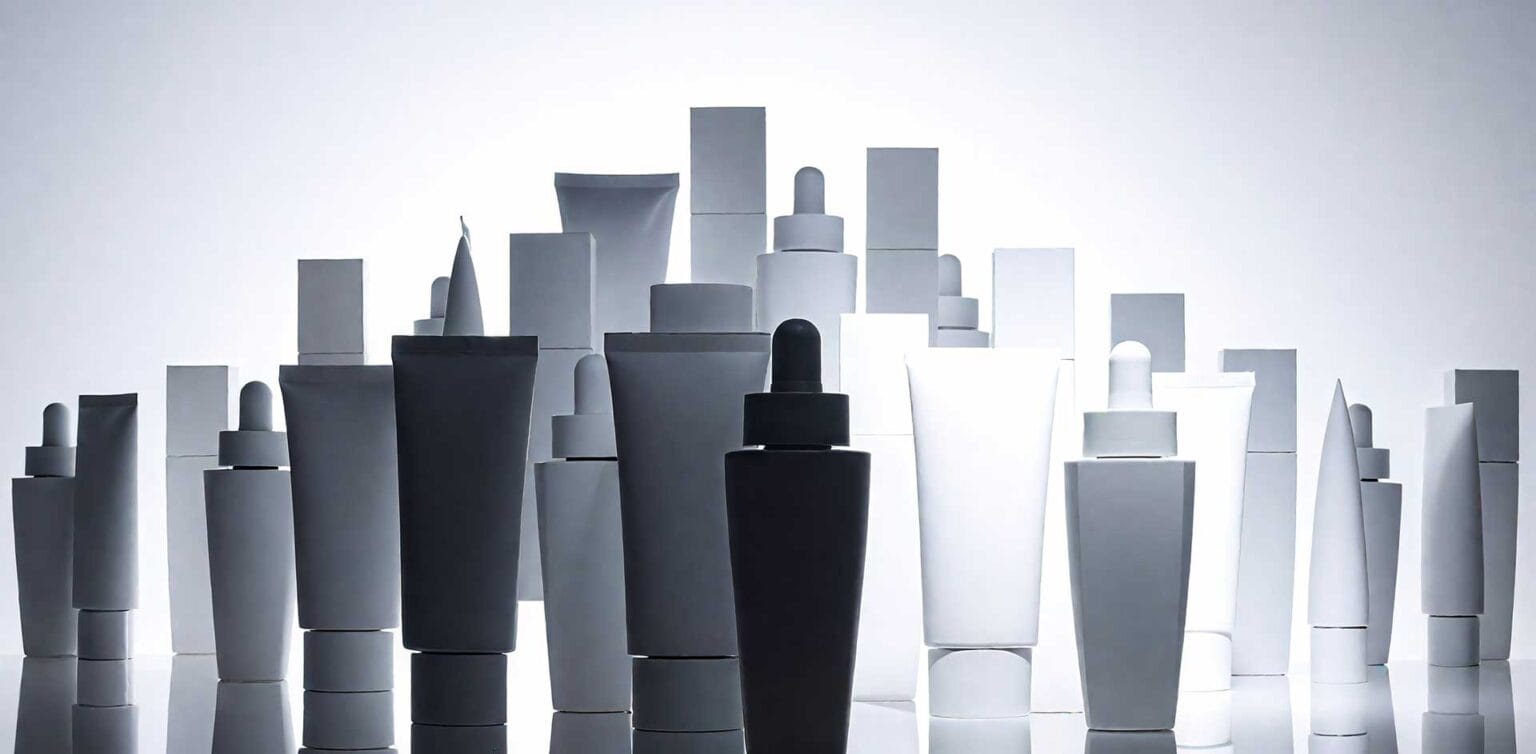
Packaging often enters the budget late. That can cause delays. Product packaging design affects box size, product safety, shelf appeal, and unit cost. Brand design covers the look of the brand, such as logos and color sets.
The SLEK anti-hair loss shampoo case on the OPD Design site is a good example. It included bottle design, brand design, and marketing design. Product strategic planning should cover the pack, not just the product. Planning both together helps the two fit well. Costs depend on structure, materials, print methods, and the number of versions.
Compliance and Certification Costs
Rules differ by product and by market. So build testing into your product strategic planning early. In the United States, radio devices fall under FCC equipment authorization. Products on the certification route must be tested by an FCC-recognized lab.
In the European Economic Area, a maker adds the CE marking to state that a product meets the legal rules. Not every product needs it. For medical devices, the FDA explains that the device class sets the type of premarket filing.
Compliance cost depends on the product type, the target markets, and the number of tests. OPD Design lists compliance and certification as a service. Its aim is to help products meet the rules of different countries.
Not sure what your product will cost?
OPD Design supports each stage from design to production. Talk to our team about your project and scope.
Product Manufacturing Services and Production Costs
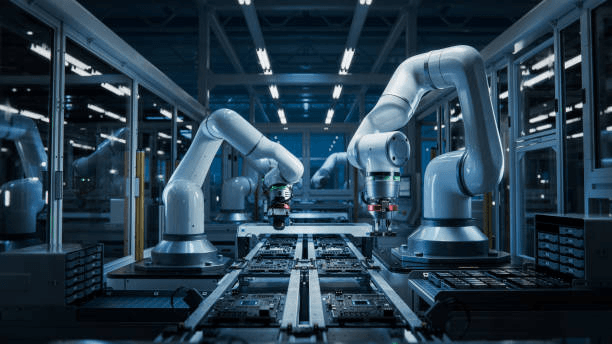
Unit cost is the last big piece. Product manufacturing services include supplier checks, process tests, quality control, and production help. OPD Design reports a network of more than 300 partner factories. It also reports quality engineers on every project and a team of project managers.
Several things affect unit cost. These include order size, materials, assembly steps, test steps, and packaging. Large orders can lower the unit cost. But they also add stock risk. So match the first order size to your launch plan.
Ways to Keep Development Costs Under Control
You cannot remove every cost. But you can cut surprises. These steps help:
- Start product strategic planning with a clear written brief before design starts.
- Keep the first version to the key features.
- Bring in engineers early to check how easy it is to build.
- Plan packaging and testing along with the design.
- Approve design changes before tooling begins.
- Ask for a cost list for each stage.
A product director at a consumer electronics brand says their team went through many design versions to reach a fair production price. This shows why cost goals are worth setting early.
Common Cost Mistakes to Avoid
Some cost problems repeat across projects. Many come from gaps in product strategic planning. The first is changing features late. Each change can affect the design, the parts, and the tools.
The second is skipping early tests. A small flaw found in a prototype is easier to fix than one found after tooling. The third is leaving packaging and testing to the end. Both add time and cost when they come late.
The fourth is picking a partner by price alone. A low quote may leave out stages that you need later. Compare the full scope, not just the total.
How to Choose a Product Design Firm

A product design firm should do more than style. Check whether it handles strategy, engineering, prototypes, tooling, and production help. A full-service partner means fewer handoffs between vendors.
Also ask how the team keeps in touch. OPD Design describes English-speaking project managers, weekly updates, video reviews, and shared dashboards. Ask who owns the designs too. OPD Design states that it signs a mutual NDA before project talks and that all deliverables belong to the client. Finally, look at case studies in fields like yours.
Conclusion
The cost to develop a new product is not one number. It is the sum of strategy, design, engineering, prototypes, tooling, packaging, testing, and production. Product strategic planning ties these parts together and helps you set real limits. A capable product design firm, with reliable product manufacturing services, can then guide each stage with fewer surprises. If you have a product idea and want to talk about scope, contact us today.
FAQs
How much does it cost to develop a new product?
There is no single figure. Cost depends on the product type, design work, electronics, tooling, packaging, testing, and order size. A clear brief and a stage-by-stage list make estimates more reliable.
How long does product development take?
OPD Design states that a standard consumer electronics or smart device project takes about 6 to 10 months from idea to mass production. More complex products may take longer.
What is product strategic planning?
It is the early work of setting the product position, target user, features, and path forward. It guides the design, engineering, and production choices that follow.
Does product packaging design affect development cost?
Yes. Packaging affects materials, box size, protection, and print costs. Planning it with the product helps avoid late changes.
Do all products need certification?
No. Rules depend on the product type and the target market. For example, not every product sold in the European Economic Area needs CE marking. Check which rules apply before production starts.