
A connected product only works when hardware, software, and design are built together, not handed off one after another. A strong IoT products strategy helps teams connect these pieces from the start. This guide walks through the real parts of IoT product development: sensors, connectivity, firmware, AI, security, and industrial design. It shows where teams usually go wrong. Skip the security or design side to save time, and it usually shows up as a returned product or a failed certification later.
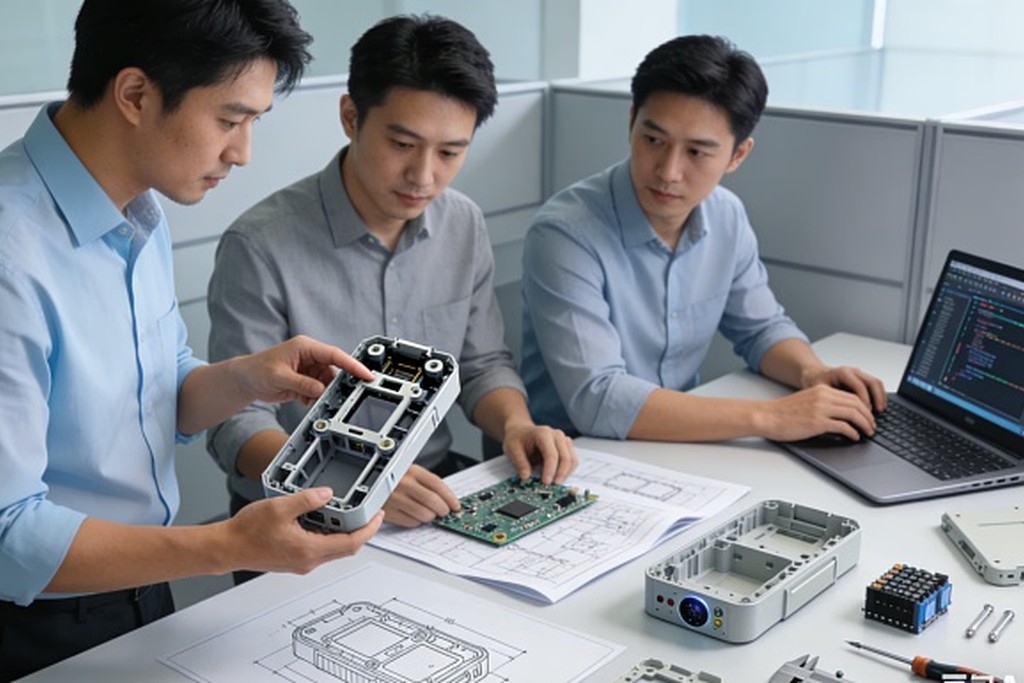
A smart product isn’t a normal product with Wi-Fi bolted on. It’s a system. A physical device, a piece of software, and a cloud link, all working together for years without a reboot.
Getting there means the hardware, software, and design teams work side by side, not one after another. This guide covers what that actually looks like at each stage, and where projects tend to break down.
What IoT Product Strategy Actually Involves
Building a connected device means more than adding a chip to an existing product. It means picking the right sensors and a communication protocol. It means writing firmware, designing a cloud connection, and building an enclosure that can actually house all of it.
A good IoT product does three things well. It solves a real problem. It’s simple enough for anyone to set up. And it keeps working for years, not just past the first update.
None of that happens by accident. It takes planning that starts with IoT products strategy. That means deciding who the product is for, what data it actually needs, and which features are worth the added cost.
The Building Blocks of an IoT System

Every connected device is built from the same handful of parts, arranged differently depending on the product.
| Component | What It Does | Common Examples |
| Sensors & actuators | Read the physical world, act on it | Temperature, motion, humidity sensors; motors, relays |
| Connectivity module | Moves data to and from the device | Wi-Fi, Bluetooth/BLE, Zigbee, LoRaWAN, cellular |
| Processor (MCU/SoC) | Runs the logic, handles data locally | ESP32-class chips, ARM Cortex-M microcontrollers |
| Cloud platform | Stores data, runs analytics, enables remote control | AWS IoT, Azure IoT, a custom backend |
| App or dashboard | Lets a person see and control the device | Mobile app, web dashboard |
Security sits underneath all five parts. Any device that collects data or joins a network is a target. That’s true for a $20 sensor and a $2,000 gateway alike. More on that below.
Why Hardware and Software Can’t Be Designed Apart
Here’s a scene that plays out often. A hardware team finishes a board. A software team gets it weeks later. The pins don’t match what the firmware needs. Now someone has to re-spin the board, or write clumsy workarounds in code.
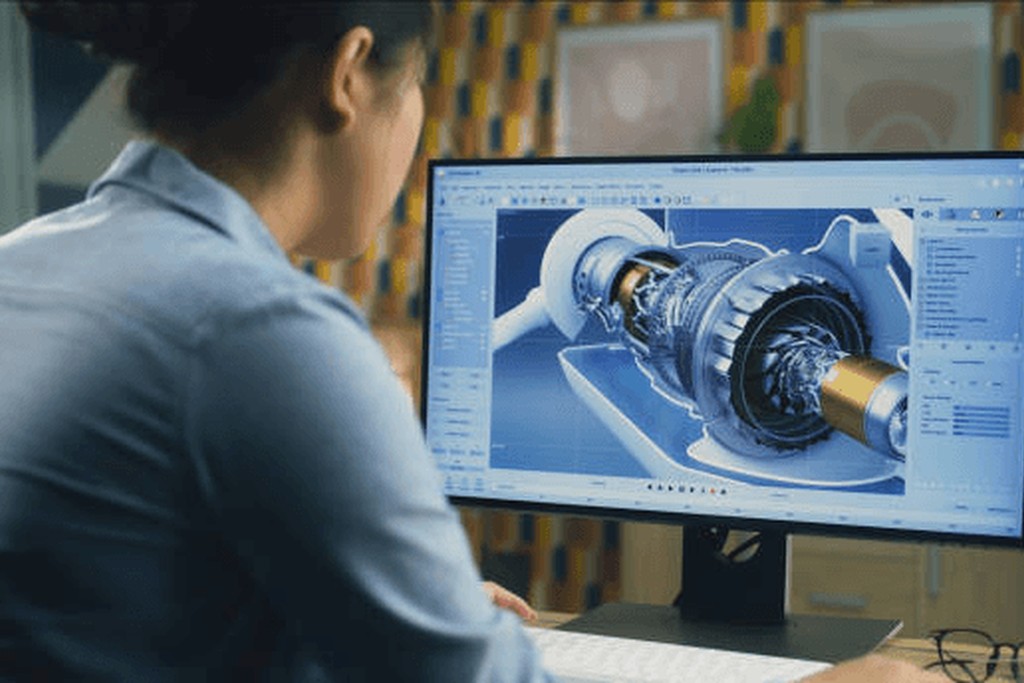
That gap is why hardware and software have to move together from day one, not in sequence. The hardware design services that pick the chip and sensors need firmware requirements at the same meeting. Not after the schematic is locked.
One example makes this clear. A battery sensor that wakes once a minute can run over a year on a coin cell. The same sensor with a sloppy sleep cycle in firmware can drain that battery in weeks. The hardware didn’t change. Only the firmware did, and the product failed anyway.
Choosing the Right Hardware for a Connected Product
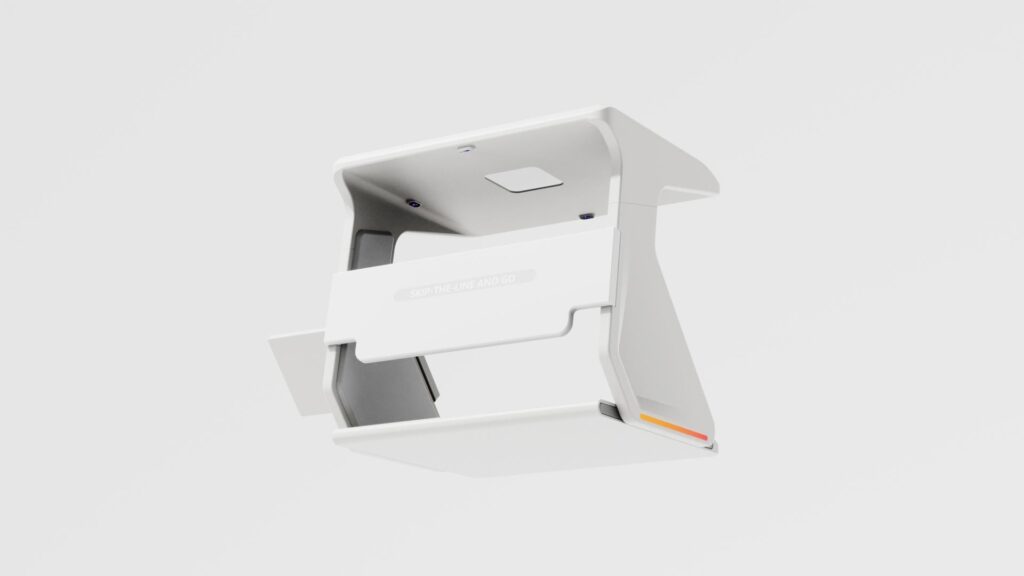
Hardware choices for IoT products carry more weight than for a standard electronic device. Every component also has to support a connection that keeps working for years.
Processor: The chip manages sensor data, runs the network stack, and often handles some smarts on its own. Too weak a chip pushes more work onto the cloud, which adds delay and cost. Too strong a chip wastes battery and money on every unit shipped.
Connectivity module: This is usually the single biggest trade-off in an IoT product. Bluetooth Low Energy sips power but only reaches a room or two. Wi-Fi covers a whole house but drains a battery fast. A mesh setup like Zigbee stretches range across many devices, but setup gets more complex. Cellular and LoRaWAN solve ranges for outdoor and factory products, at a higher cost per unit.
Sensors: Accuracy and drift matter more than a spec sheet suggests. A sensor off by half a degree might be fine for a smart thermostat. That same drift is a real problem in a medical device.
Power: Battery life, solar charging, or a wall plug: this choice shapes almost everything else. It drives the case, the connectivity choice, and how often the device can actually talk.
For a deeper look at picking a connection type, our related post on Wi-Fi vs. Bluetooth vs. Matter walks through the trade-offs in more detail.
Software and Firmware: Where the Intelligence Lives
Firmware is what actually makes the hardware do something useful. It reads sensors, manages the connection, saves power, and talks to the cloud.
Good firmware stays out of sight when it works. A user never thinks about it, until a device stops responding or drains its battery overnight. Staying out of sight is the whole goal.
Cloud platforms sit above the firmware. They store the data a device makes, run analytics on it, and let a support team or an owner check in from anywhere. A product sending readings every few seconds from thousands of units adds up to a lot of data, fast.
Then there’s the app or dashboard. It’s the only part of the whole system most users ever see. That makes it matter more than you’d guess. A confusing app can sink a great product. A clean one can carry a plain, okay one.
Building a connected product and not sure where hardware ends and software begins?
Our team has taken IoT hardware and firmware from concept to certified, mass-produced devices in Shenzhen. Book a free consultation to talk through your product.
Where AI Fits Into a Connected Product

AI in an IoT product usually does one of three jobs. It predicts when something will fail. It automates a routine decision. Or it changes what the device shows for each user.
Predicting failures early is the most common use, in factory gear and appliances alike. A device that tracks vibration or heat can flag a bearing about to fail, weeks ahead. That’s a real cost saving, not just a sales pitch.
IoT products face one constraint that many cloud-first AI systems ignore. Many of these calls have to run on the device itself, not in a data center. A connected security camera that sends every frame to the cloud before sounding an alarm is too slow. It’s also too expensive at scale. Running that decision on the device, at the edge, is what makes an IoT product feel instant instead of laggy. This is where AI software development can help IoT products process data faster and deliver more responsive experiences.
Design Still Decides Whether Anyone Buys It
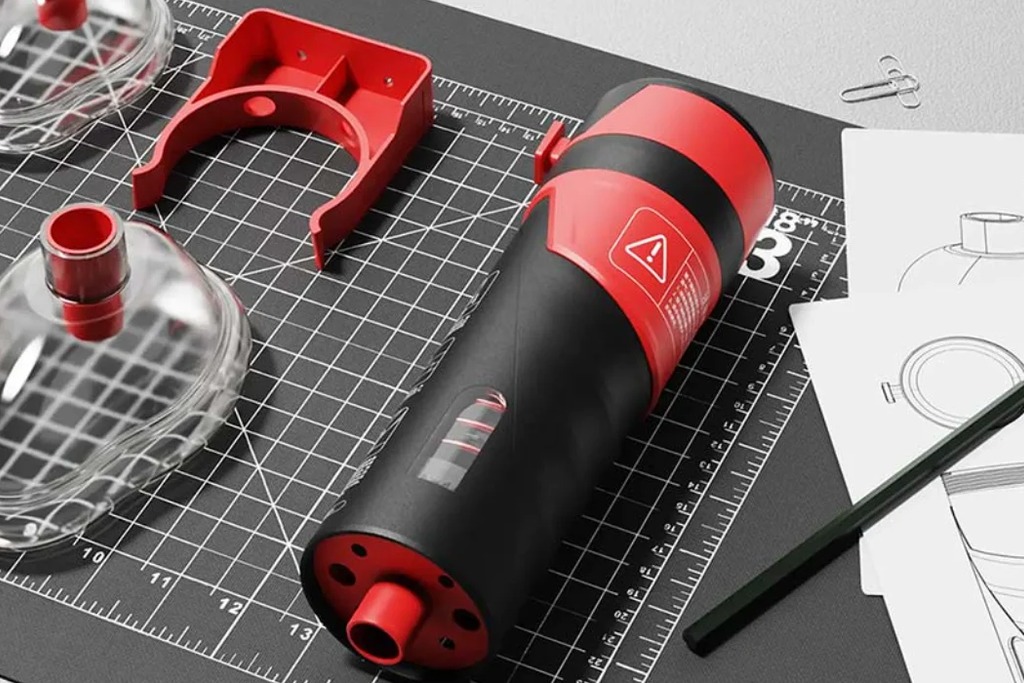
A well-built IoT product that looks wrong or feels awkward to hold still fails in the market. Design isn’t a finishing touch on a connected device. It’s a third engineering discipline running alongside hardware and software.
Industrial products design shapes how the device looks and how it sits on a shelf. Its shape signals quality before anyone reads a spec sheet. For a connected product, it also has to account for antenna placement. A metal enclosure can block the exact signal the hardware team spent weeks optimizing.
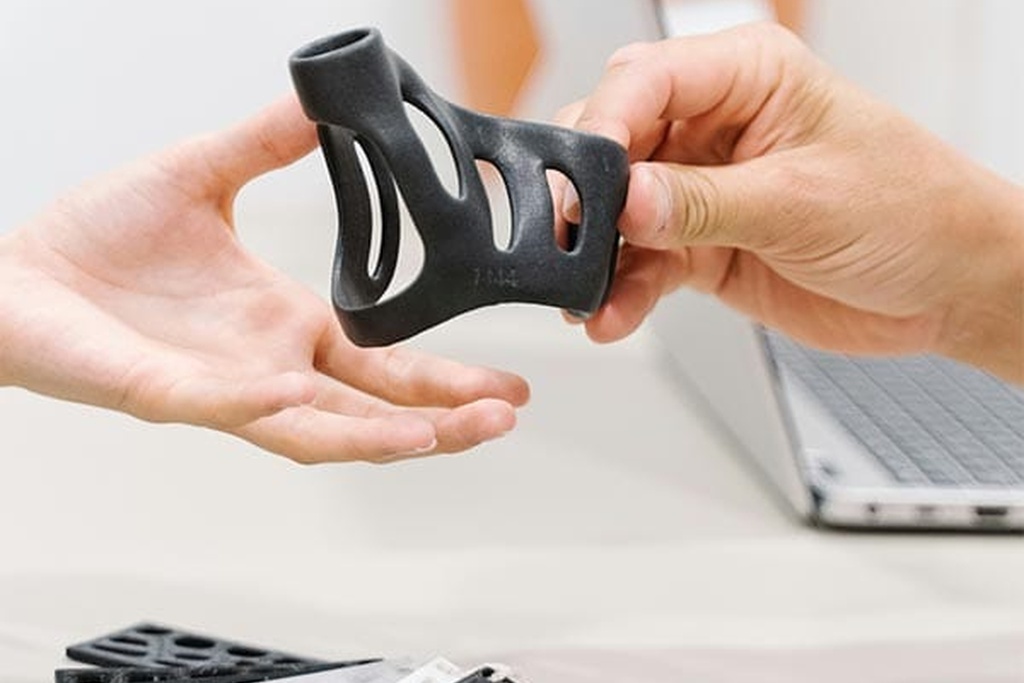
Good mechanical product design turns that shape into something buildable. It needs enough space for the board, battery, and antenna, without the case running hot or rattling in a customer’s hand.
User experience and interface design round this out: a smooth setup, a dashboard that surfaces the one setting someone actually wants, clear notifications. All of it is design work. All of it decides whether a customer keeps using the product past week one.
Security and Compliance Can’t Be an Afterthought
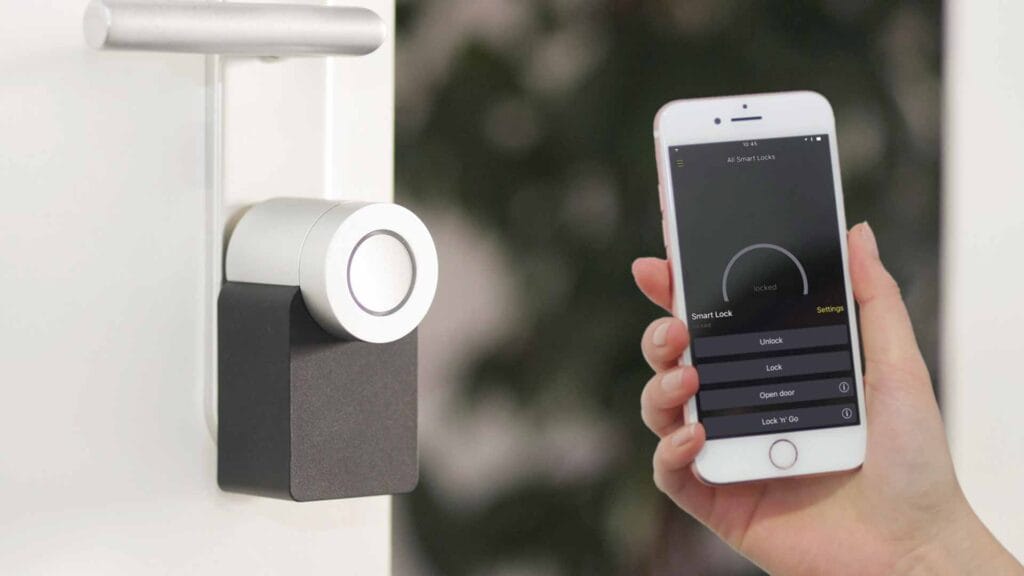
A connected product carries a risk a plain mechanical one never had. Someone, somewhere, might try to break into it.
Security has to be planned from the very first design stage. That means encrypting data in transit. It means requiring authentication before a device accepts a command. And it means building a firmware-update path that doesn’t itself become an attack surface. The NIST Cybersecurity for IoT Program publishes detailed guidance on exactly these baseline requirements. It’s a useful reference even outside the federal market it was written for.
Connectivity standards add another layer. Devices built around Matter, the smart-home standard backed by Apple, Google, and Amazon, start with a security baseline already in place. A fully custom protocol has to build that same baseline from scratch. For a deeper look at what a security plan actually needs to cover, see our post on smart appliance cybersecurity and OTA updates.
Certification runs alongside all of this work. Planning product compliance consulting into the design phase avoids a common trap. Discovering a required hardware change after the design is already locked costs far more.
From Prototype to Mass-Produced Product
A working prototype and a shippable product are not the same thing. Most IoT timelines slip in the gap between them.
Product prototyping services test the hardware, firmware, and connection together, under real conditions rather than a lab bench. That’s the only way to catch real problems. A battery that drains too fast. A Wi-Fi link that drops near a microwave. An app that times out on a slow network.
Once a design is proven, the question shifts. Can a factory build it the same way at scale? Good manufacturing support services cover component sourcing and a pilot production run. Quality checks catch a bad batch of sensors before ten thousand units ship with the same flaw.
Common Mistakes in IoT Product Development
A few patterns show up again and again in delayed IoT launches:
- Choosing a connectivity protocol based on what’s popular, not on the product’s actual range and power needs.
- Treating security as a feature to add later, instead of a requirement from day one.
- Designing the enclosure before checking whether it blocks the antenna’s signal.
- Building the app and the firmware in separate teams that rarely talk.
- Skipping real-world testing in favor of lab conditions that don’t reflect how customers will actually use the device.
Most of these come back to the same root cause. Teams treat hardware, software, AI, and design as separate jobs, instead of one connected process with a single owner.
Bringing It Together
IoT product development isn’t hardware with software added on top. It’s three disciplines, hardware, software, and design, that all have to move together from the first sketch to the factory floor.
Skip that teamwork to save a few weeks early on, and it tends to come back later. Usually as a redesign, a battery complaint, or a security gap discovered after launch.
At OPD Design, we run hardware, firmware, AI integration, industrial design, and manufacturing under one roof in Shenzhen. That’s how a connected product moves from concept to a certified, mass-produced device, without getting lost between vendors. Get in touch to talk through where your IoT product stands right now.
FAQs
1. What is IoT product development?
IoT product development is the process of designing a connected device. It combines hardware, firmware, cloud software, and often AI. Together, they let the device collect data, connect, and act on it for years, not just at launch.
2. How does AI actually get used inside an IoT product?
Most commonly for predictive maintenance, automation, or personalization. More and more, that smart logic runs on the device itself, not just in the cloud. That’s what lets the product respond right away, instead of waiting on a round trip to a server.
3. Which connection type should an IoT product use?
It depends on range and power needs. Bluetooth Low Energy suits short-range, battery devices. Wi-Fi suits products with steady power and higher data needs. Cellular or LoRaWAN suit outdoor or factory products that need long range.
4. How early should security be considered in IoT development?
From the very first design stage, before a single line of firmware is written. Bolting on encryption or logins later, into a design that wasn’t built for it, costs far more than planning for it from day one.
5. Can one company handle hardware, software, and design for an IoT product?
Yes, and it tends to move faster than splitting the work across separate vendors. One team means fewer handoffs, no mismatched pin layouts between hardware and firmware, and one person to call when something needs fixing.