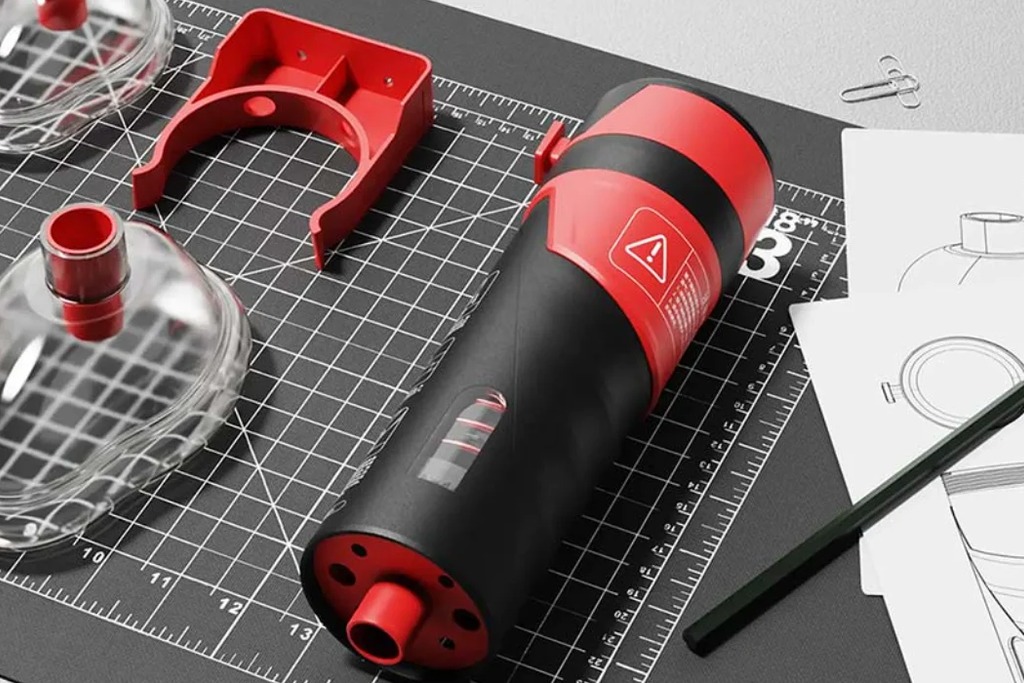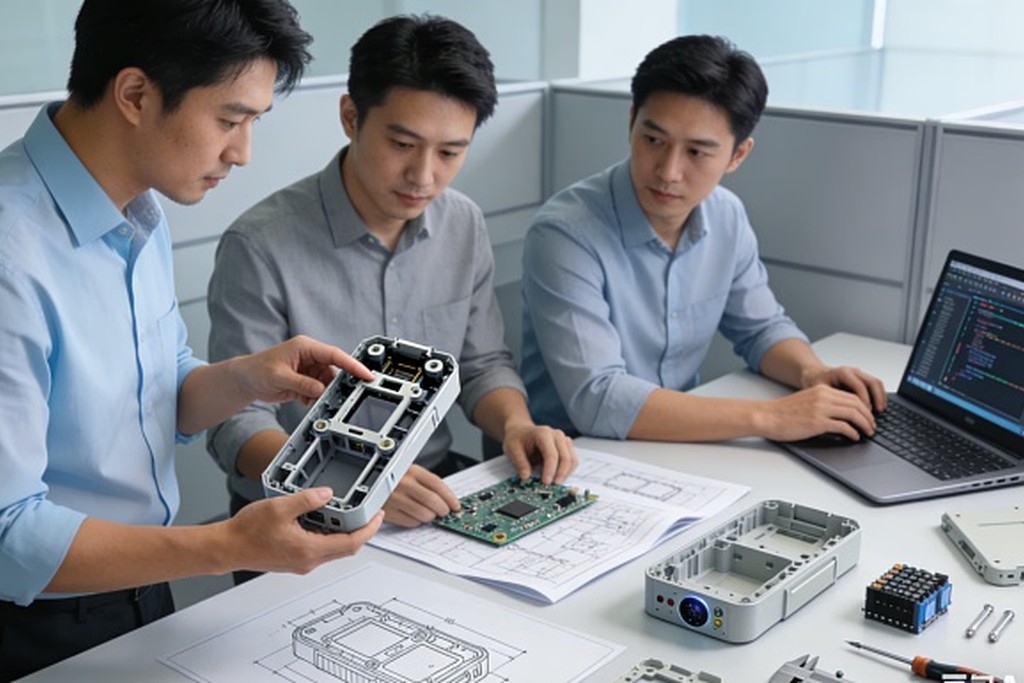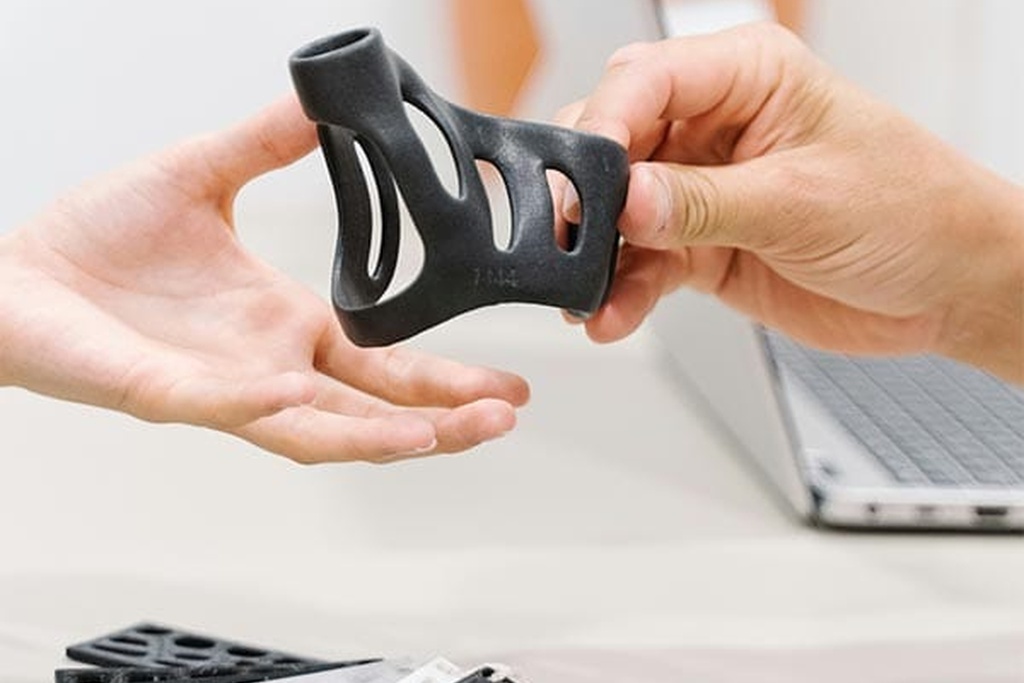

The smart pet product market is expanding far beyond automatic feeders and GPS collars. Connected cameras can recognize behavior, wearable sensors can track activity and temperature, litter boxes can record usage patterns, and interactive devices can provide remote companionship when owners are away.
However, turning a pet tech idea into a reliable commercial product is more difficult than adding a sensor and an app to a conventional pet accessory. The product must work for two very different users: the person who buys, configures and maintains it, and the animal that wears, touches, eats from or lives around it.
Pets cannot read instructions. They may chew cables, knock products over, avoid unfamiliar sounds, cover sensors with fur, spill water into electronics or refuse to use a device that appears technically perfect. Meanwhile, owners expect simple setup, reliable connectivity, useful data, safe materials and confidence that the product will still function when they are away from home.
Successful smart pet product development therefore requires industrial design, mechanical engineering, electronics, embedded software, mobile apps, cloud services, animal-centered research, testing and manufacturing to progress as one coordinated system.
This guide explains how to develop a smart pet product from the first opportunity statement through prototypes, verification, pilot production and mass manufacturing.
What Is a Smart Pet Product?
A smart pet product uses electronics, sensors, software, connectivity or automation to improve pet care, health awareness, safety, management or interaction.
Common categories include:
- Smart pet feeders and water fountains
- GPS trackers and connected collars
- Activity and health-monitoring wearables
- Smart litter boxes and cleaning devices
- Pet cameras and remote interaction products
- Automatic pet doors
- Environmental monitoring systems
- Rehabilitation and mobility products
- Electric grooming and drying devices
- AI-powered behavior recognition products
Some products operate independently. Others combine a physical device with firmware, a mobile app, cloud infrastructure, analytics and subscription services. The more connected the system becomes, the more the product team must manage dependencies among hardware, software and ongoing operations.
Why Pet Tech Development Is Different
Smart pet products combine several design challenges that are often treated separately in other industries.
| Development challenge | Why it matters in pet tech |
|---|---|
| Two-user system | The owner operates the product, but the pet’s behavior determines whether it succeeds. |
| Unpredictable interaction | Pets may bite, scratch, pull, tip, hide or avoid the product. |
| Harsh contamination | Fur, saliva, food, litter, urine, dust and cleaning fluids can reach the device. |
| Fit variation | Breed, body size, fur, neck shape and movement patterns affect wearable performance. |
| Limited feedback | A pet cannot explain discomfort, confusion or sensor failure. |
| Remote dependency | Feeders, trackers and cameras may be most important when the owner is absent. |
| Connected ecosystem | Hardware, firmware, apps, cloud services and notifications must remain synchronized. |
| Emotional purchase | Owners expect the product to feel safe, trustworthy and appropriate for their pet. |
These factors must influence requirements and architecture from the beginning. A warning in the manual cannot compensate for a cable placed where a dog can chew it or a feeder mechanism that jams when the owner is traveling.
The Smart Pet Product Development Process
A typical development program includes the following stages:
- Identify the opportunity and business model
- Research pets, owners and use environments
- Define product requirements and risks
- Plan compliance and market access
- Create the system architecture
- Develop industrial design and user experience
- Engineer mechanics and electronics
- Build firmware, mobile apps and cloud services
- Produce and test prototypes
- Complete design verification and certification
- Optimize for manufacturing and supply chain
- Run pilot production
- Launch and improve the product after release
The sequence appears linear, but real development is iterative. A prototype test may change the enclosure. An antenna study may change the PCB location. A pet behavior trial may change the motor speed. A supplier limitation may change material selection. The project plan should allow these iterations before tooling and certification make changes expensive.
Step 1: Define the Opportunity and Business Model
A broad idea such as “an AI device for pets” is not yet a product opportunity. The team needs to define the specific problem, target customer, animal group and commercial value.
Start with questions such as:
- What problem does the product solve?
- How frequently does the problem occur?
- Is the primary value health, safety, convenience, companionship or entertainment?
- Who pays for the product?
- Is the target user a first-time pet owner, multi-pet household, breeder, veterinary clinic or another segment?
- Which animals, breeds, sizes and ages are included?
- What existing solutions do owners use?
- Why would they switch?
- Is the revenue model hardware-only, subscription-based or service-supported?
Separate the Core Value From Feature Ideas
Teams often begin with a long feature list: camera, speaker, GPS, AI, app, treat dispensing, health scoring and social sharing. Each feature increases cost, power consumption, software complexity, testing and support.
The first product should focus on the smallest combination of functions that proves customer value. For example, a pet tracker may create value through dependable location alerts rather than dozens of activity charts. A feeder may succeed because it dispenses the correct portion reliably during a power or network interruption, not because its app has the most screens.
Validate Commercial Assumptions Early
Concept research should test willingness to pay, expected product lifetime, preferred sales channels, subscription acceptance and customer-support expectations. These decisions influence hardware architecture and operating cost.
A cloud-connected camera with video storage has ongoing server and bandwidth expenses. A cellular tracker needs connectivity provisioning and regional carrier support. A subscription model needs account management, payment workflows and long-term software maintenance. Business design and technical design are inseparable.
Step 2: Research Pets, Owners and Real Environments
Pet product research should study both the human workflow and animal behavior.
Useful methods include:
- Owner interviews and diary studies
- Home observation
- Competitive product teardown
- Veterinary and animal-behavior expert interviews
- Measurements across breeds and body types
- Observation of feeding, sleeping, walking, toileting and grooming
- Early mockup testing with pets
- Review of customer complaints for existing products
Study the Owner’s Complete Workflow
The product experience may include unpacking, charging, pairing, fitting, calibration, cleaning, refilling, sharing access, receiving alerts, replacing consumables and contacting support.
An automatic feeder is not successful merely because it releases food. Owners must be able to fill it without spilling, understand how much remains, clean food-contact parts, recover from a jam and trust the feeding history.
Observe the Pet Without Forcing Interaction
Animals may respond to sound, smell, vibration, surface temperature, movement, light and unfamiliar geometry. A motor that seems quiet in an office may discourage a cautious cat from approaching its food.
Early observation can reveal:
- Avoidance or hesitation
- Startle responses
- Attempts to bite or pull components
- Pressure points and restricted movement
- Tipping and pushing behavior
- Food or water scattering
- Fur interference with sensors
- Habituation over repeated use
Testing should protect animal welfare and avoid unnecessary stress. Work with qualified veterinary or animal-behavior professionals when the product, study or health claims require specialist oversight.
Define Representative Users
A product for “dogs” is too broad. A Chihuahua, Labrador and Great Dane create different requirements for size, strength, battery weight, collar geometry and antenna orientation. Cats may move and groom differently from dogs. Puppies and older animals may have different behavior and safety needs.
The research plan should define the relevant range rather than assuming one design fits every pet.
Step 3: Build a Product Requirements Framework
Research findings must be converted into requirements that engineering teams can design and test.
Requirements may cover:
- Core functions and performance
- Pet size, weight and behavior range
- Owner tasks and usability
- Materials and animal contact
- Mechanical strength and stability
- Ingress protection and cleaning
- Battery life and charging
- Acoustic and vibration limits
- Connectivity and offline behavior
- Data accuracy and algorithms
- App and cloud functions
- Privacy and cybersecurity
- Packaging and shipping
- Service life and maintenance
- Regulatory and certification targets
- Cost and manufacturing volume
Avoid inputs such as “comfortable,” “waterproof,” “long battery life” or “easy to clean” without measurable acceptance criteria.
For example:
- “Comfortable” can become limits for total weight, pressure distribution, surface temperature, edge radii and allowable movement.
- “Waterproof” can become a defined ingress protection target plus cleaning and immersion scenarios.
- “Long battery life” can become a minimum operating duration under a specified GPS update rate, network condition and temperature.
- “Reliable feeding” can become portion accuracy, jam rate and successful-dispense requirements across defined food shapes and fill levels.
Requirements should also specify failure behavior. What happens when the internet disconnects, the battery reaches a critical level, the food is blocked, the GPS signal is unavailable or a firmware update is interrupted?
Step 4: Plan Compliance Before Freezing the Architecture
Certification is not a final test added after the product is complete. Target markets, radios, batteries, power adapters, materials and product claims can all change the required evaluations.
Potential areas include:
- Electrical and electronic product safety
- Electromagnetic compatibility
- Radio equipment authorization
- RF exposure
- Bluetooth qualification
- Battery safety and transportation
- Environmental substance restrictions
- Product labeling and recycling obligations
- Food-contact materials for feeders and fountains
- Cybersecurity and data protection
- Country-specific consumer product requirements
In the United States, the FCC states that an RF device must use the appropriate equipment authorization procedure before it is marketed, imported or used. See the FCC equipment authorization guidance.
For Bluetooth products, qualification belongs to the company placing the product on the market; a module supplier cannot qualify the final product on that company’s behalf. The current Bluetooth SIG qualification guidance should therefore be included in the launch plan.
Products containing lithium cells also need transport planning. IATA’s current guidance states that applicable lithium cell and battery types must pass the tests in UN Manual of Tests and Criteria, Subsection 38.3, before transport. See the IATA lithium battery guidance.
Requirements vary by product and country. Use a qualified compliance professional or laboratory to create a market-specific test plan. If the product makes veterinary diagnostic, treatment or health claims, obtain regulatory advice for each intended market before finalizing those claims.
Step 5: Create the System Architecture
The system architecture defines how the product’s physical, electronic and digital elements work together.
A connected pet device may include:
- Sensors and actuators
- Main processor or microcontroller
- Power supply and battery management
- Wi-Fi, Bluetooth, cellular or GNSS modules
- Embedded firmware
- Mobile applications
- Cloud APIs and databases
- Analytics or AI services
- Notification services
- Administrative and support tools
Architecture decisions should be evaluated against product value, power, cost, size, latency, security, manufacturability and long-term support.
Choose Connectivity Based on the Use Case
Each wireless technology solves a different problem.
| Technology | Typical pet tech use | Main tradeoffs |
| Bluetooth Low Energy | Setup, nearby control, data synchronization | Low power but limited range and phone dependency |
| Wi-Fi | Home cameras, feeders and fountains | High data capacity but higher power and setup complexity |
| Cellular | Outdoor trackers and remote safety devices | Wide-area coverage but subscription, certification and power costs |
| GNSS/GPS | Outdoor positioning | Accuracy depends on environment and consumes significant power |
| NFC/RFID | Pet identification or controlled access | Simple and low power but short range |
A tracker may combine BLE for nearby finding, GNSS for location and cellular communication for remote reporting. The update frequency must balance location freshness with battery life and network cost.
Design Essential Offline Functions
A smart product should not become unsafe or useless because a router fails.
Determine which functions must continue locally:
- Scheduled feeding
- Water circulation
- Door access rules
- Local alarms
- Sensor data storage
- Manual controls
- Safe motor shutdown
The system should communicate connection loss clearly and synchronize data safely when connectivity returns.
Define Data Ownership and Lifecycle
Decide what data is collected, why it is needed, where it is stored, how long it is retained and who can access it. Pet camera video can include people, children, voices and the interior of a home. Location history can reveal owner routines. Data minimization, encryption, authentication, secure updates and account deletion should be architectural requirements, not privacy-policy language added at launch.
Step 6: Develop the Industrial Design and Experience
Industrial design gives the technical architecture a form that pets will accept, owners can understand and manufacturers can produce.
Important design goals include:
- Stable, approachable form
- Clear interaction cues
- Safe edges and protected moving parts
- Appropriate size and weight
- Easy access for filling, charging and cleaning
- Controlled exposure of sensors and antennas
- Brand recognition without visual clutter
- Materials suitable for the use environment
Design for Pet Acceptance
Color is only one part of the experience. Pets interact through smell, sound, touch and movement. Product form should avoid trapping paws, whiskers, fur, claws, collars or tags. Lights and audio should be evaluated for the target animal rather than based only on human perception.
For wearables, consider:
- Total mass relative to the pet
- Center of gravity and movement
- Pressure distribution
- Fur compression and sensor contact
- Ventilation and moisture
- Adjustability across the target size range
- Breakaway or release behavior where relevant
- Resistance to rotation on the neck or body
For home devices, consider tipping, pushing, climbing and access by children or other pets.
Design the Owner Experience as One Journey
The enclosure, controls, app, packaging and instructions should use consistent language and feedback. If a feeder shows one status on the device and another in the app, owners lose trust quickly.
Use clear states for:
- Power and charging
- Connectivity
- Successful or failed actions
- Low food, water or consumables
- Maintenance requirements
- Sensor errors
- Firmware updates
Owners should know what happened, what it means and what to do next.
Step 7: Engineer Mechanics and Electronics Together
Smart pet product engineering is highly interdependent. Mechanical decisions affect antennas, motors, batteries, acoustic behavior, sensor accuracy, heat, sealing and assembly.
Mechanical Engineering Priorities
Common mechanical tasks include:
- Internal layout and component mounting
- Drop and impact protection
- Bite, scratch and pull resistance
- Motor, gearbox and transmission design
- Food or water path design
- Sealing and drainage
- Cable routing and strain relief
- Service and cleaning access
- Tolerance analysis
- Design for molding and assembly
Food dispensers should be tested with realistic variation in kibble size, shape, surface oil, breakage and fill level. Water devices should manage leaks, condensation, biofilm risk and pump access. Litter systems must handle dust, granule variation, waste contamination and mechanisms exposed to animal movement.
Electronics and Power Priorities
Electronics development may include:
- Component and module selection
- PCB design
- Sensor interfaces
- Motor drivers
- Battery charging and protection
- Low-power modes
- Wireless antenna design
- Thermal management
- Test points and production programming
- Protection from ESD and electrical faults
Do not estimate battery life from cell capacity alone. Real consumption depends on radio conditions, GPS acquisition, sensor sampling, processor activity, motor loads, temperature, battery aging and firmware behavior.
Build a power budget early and validate it on physical hardware. A radio module searching repeatedly for a weak network can consume far more energy than nominal calculations suggest.
Design for Cleaning and Contamination
Pet products frequently fail around seams, bearings, charging contacts, speakers, optical windows and removable parts.
The team should define:
- What becomes dirty
- Who cleans it
- How often cleaning occurs
- Which tools and chemicals are used
- Which parts are removable
- Whether components can be installed incorrectly after cleaning
- How water drains or evaporates
- How seals and markings age over repeated cycles
Avoid hidden cavities that trap food or waste. Use materials and finishes that withstand the intended cleaning method without cracking, swelling, discoloring or losing adhesion.
Step 8: Build Firmware, Apps and Cloud Services
Software is part of the product, not a companion created after hardware is finished.
Embedded Firmware
Firmware controls sensors, motors, battery behavior, local storage, wireless communication and safe failure responses.
Key requirements may include:
- Deterministic device control
- Watchdogs and fault recovery
- Secure boot and signed updates
- Low-power operation
- Calibration management
- Event logging
- Local schedules and offline behavior
- Protection against interrupted OTA updates
Firmware architecture should support hardware revision control and production testing. Every manufactured unit may need unique identifiers, calibration data, certificates and firmware records.
Mobile App Experience
The app should reduce effort rather than expose engineering complexity. Critical workflows usually include:
- Account creation and secure login
- Device onboarding
- Wi-Fi or Bluetooth pairing
- Pet profile setup
- Scheduling and automation
- Status and history
- Alerts and permissions
- Multi-user or household sharing
- Troubleshooting
- Subscription and account management
Test onboarding across common phones, operating systems, routers and permission settings. Laboratory Wi-Fi rarely represents the complexity of customer homes.
Cloud and Data Platform
Cloud services may manage accounts, device identity, commands, telemetry, notifications, media and analytics.
Plan for:
- Authentication and authorization
- Device provisioning
- API versioning
- Data retention
- Regional hosting requirements
- Monitoring and incident response
- Scalability and cost control
- Firmware deployment stages
- Customer support tools
- Service degradation and recovery
A connected product creates an operational commitment after every unit is sold. Server costs, security updates, third-party API changes and mobile operating system updates should be included in the product business model.
Treat AI Claims Carefully
AI can help classify activity, recognize pets, detect events or summarize patterns, but its output depends on training data and real-world conditions.
Define:
- The decision the model supports
- Required confidence and error limits
- Relevant breeds, sizes, colors and environments
- False-positive and false-negative consequences
- How uncertain results are communicated
- How performance will be monitored after launch
Avoid implying veterinary diagnosis if the product and evidence do not support that claim.
Step 9: Prototype in Progressive Stages
One prototype cannot answer every development question. Build the least expensive prototype that can resolve the current uncertainty.
Proof-of-Concept Prototypes
These prototypes test whether the core technology works. Appearance and size may be rough. Examples include a feeding mechanism rig, sensor board, antenna evaluation unit or AI model demonstration.
Appearance and Ergonomic Models
Nonfunctional models test size, fit, handling, visual language and pet acceptance. They allow rapid comparison before internal architecture is frozen.
Integrated Functional Prototypes
These combine mechanical, electrical and software systems. They expose conflicts among component placement, thermal behavior, motors, antennas, sensors and assembly.
EVT: Engineering Verification Test
EVT builds evaluate whether the engineering architecture and key functions work together. The team should identify major technical risks and confirm that the design can progress.
DVT: Design Verification Test
DVT units should closely represent the intended design, materials and manufacturing processes. They are used for formal verification, reliability work, user evaluation and certification preparation.
PVT: Production Validation Test
PVT evaluates the production line, tooling, work instructions, fixtures, inspection methods, training and quality controls. It asks whether the factory can repeatedly produce conforming units rather than whether engineers can build a successful prototype.
The names and boundaries of these phases vary by company, but the underlying principle remains: technical feasibility, design conformance and production readiness are different questions.
Step 10: Test the Complete Product System
Testing should cover normal use, foreseeable misuse, environmental exposure, manufacturing variation and failure recovery.
Functional and Performance Testing
Examples include:
- Feeding portion accuracy
- Location accuracy and update latency
- Sensor repeatability
- Motor force and speed
- Camera and microphone performance
- Alert delivery time
- Water flow or filtration performance
- Door access reliability
Mechanical and Environmental Testing
Depending on the product, testing may include:
- Drop and impact
- Pull, bite and scratch resistance
- Tipping and stability
- Connector and button life
- Vibration and transportation
- Temperature and humidity
- Water and dust ingress
- Corrosion and sweat exposure
- UV exposure for outdoor products
- Cleaning-cycle durability
Battery and Power Testing
Evaluate runtime across realistic use profiles, network conditions and temperatures. Test charging faults, low-battery behavior, adapter misuse, battery aging and safe shutdown.
Connectivity and Software Testing
Include:
- Weak or interrupted networks
- Router replacement
- Multiple household users
- Lost phones and account recovery
- API and server failures
- Data synchronization conflicts
- OTA interruption and rollback
- Security and penetration testing
- Mobile OS and device compatibility
Testing With Pets and Owners
Technical tests cannot determine whether an animal accepts the device or whether an owner can recover from an error.
A representative study may evaluate:
- Initial pet reaction and habituation
- Fit, comfort and freedom of movement
- Noise and vibration response
- Feeding or drinking posture
- Setup and pairing
- Cleaning and reassembly
- Interpretation of alerts
- Recovery from jams or connection loss
- Long-term adherence
Observe behavior instead of relying only on owner opinions. Video, task timing, error records and structured behavior coding can make findings more objective.
Testing involving animals should use an appropriate welfare and ethical framework. Stop criteria should be defined for stress, discomfort or unsafe behavior.
Step 11: Complete Certification and Market Readiness
Formal testing should be scheduled when the design is stable enough to represent the product to be sold. Premature certification can create expensive retesting if the PCB, antenna, enclosure, power system or firmware changes.
Prepare:
- Final hardware and firmware configurations
- Schematics and critical component lists
- User manuals and labels
- Intended-use description
- Technical construction documentation
- Battery reports and transport documentation
- Radio module and antenna information
- Risk assessment
- Test samples and accessories
Pre-compliance testing before formal laboratory submission can identify EMC, radio, electrical safety or RF exposure issues while changes are still manageable.
For European connected products, requirements can extend beyond radio performance. The European Commission’s Radio Equipment Directive overview should be reviewed alongside other applicable product, environmental, data and cybersecurity rules.
Certification does not prove that the product is commercially reliable. Regulatory testing and product reliability testing overlap in places, but both require a product-specific plan.
Step 12: Optimize for Manufacturing and Supply Chain
Design for manufacturing should begin during architecture and prototype development, not after the appearance is approved.
Design for Manufacturability and Assembly
Review:
- Part count
- Mold direction and draft
- Wall thickness and ribs
- Tolerance stack-up
- Fastening and adhesive strategy
- Assembly access
- Cable and gasket placement
- Poka-yoke features that prevent incorrect assembly
- Cosmetic surfaces and allowable defects
- Test access and repairability
Every unnecessary part, hidden fastener and manual alignment step increases cost and variation.
Select Suppliers by Risk, Not Only Price
Critical suppliers may include battery manufacturers, radio modules, sensors, motors, pumps, optical components, food-contact materials and molded parts.
Evaluate:
- Technical capability
- Quality system
- Capacity and lead time
- Component lifecycle
- Traceability
- Change-notification process
- Test data and certifications
- Second-source options
- Communication and engineering support
A low-cost component can become expensive if its tolerances cause failures, its firmware changes without notice or it disappears before launch.
Build Production Testability Into the Product
The factory needs a fast and reliable method to detect defects. Add test points, programming interfaces, diagnostic modes and calibration procedures during engineering.
Production tests may cover:
- Current consumption
- Sensor calibration
- Radio function
- Motor or pump operation
- Buttons and indicators
- Camera, microphone and speaker
- Charging
- Leakage or sealing
- Device identity and firmware version
Test coverage should focus on defects that matter while keeping cycle time suitable for production volume.
Step 13: Run Pilot Production Before Scaling
A pilot build uses intended tooling, suppliers, processes, work instructions and quality controls to reveal production problems before the main order.
Track:
- First-pass yield
- Defect categories
- Rework time
- Assembly cycle time
- Tooling stability
- Supplier variation
- Inspection consistency
- Packaging damage
- Software provisioning failures
- Field-test feedback
Do not judge a pilot only by whether enough units were completed. A line that reaches output through heavy engineering intervention, manual adjustment or rework is not ready to scale.
Close the Feedback Loop
Every pilot issue should have:
- A clear problem description
- Containment for affected units
- Root-cause analysis
- Corrective action
- Updated drawings, software or work instructions
- Verification of the correction
- Ownership and closure records
Mass production should begin only when critical issues are closed and remaining risks are understood.
After Launch: Operate the Product, Not Just the Factory
Connected pet products require ongoing management after shipment.
Monitor:
- Returns and complaint categories
- Connectivity success rate
- Device and app crashes
- Battery degradation
- Alert reliability
- Cloud cost and latency
- Firmware adoption
- Security vulnerabilities
- Subscription conversion and churn
- Feature usage
- Support contacts
Field data can improve future versions, but updates must be controlled. A firmware fix should be tested against hardware revisions and released gradually with monitoring and rollback capability.
Establish an end-of-life plan for cloud services, batteries, replacement parts and app support. Owners may depend on a feeder or safety device every day; unexpected service termination can damage both customer trust and brand reputation.
How Long Does Smart Pet Product Development Take?
There is no universal schedule. A simple BLE accessory based on proven modules may progress faster than a cellular tracker, AI camera or automated litter system.
A development timeline is affected by:
- Product novelty
- Number of mechanical systems
- Custom electronics
- Mobile and cloud scope
- AI model development
- Certification markets
- Tooling complexity
- Supplier lead times
- Number of prototype iterations
- Reliability requirements
- Seasonal launch deadlines
A realistic plan includes time for iteration and correction. Compressing every prototype stage usually moves risk into tooling, certification or customer returns rather than eliminating it.
Choosing a Smart Pet Product Development Partner
A capable development partner should understand the complete physical and digital product rather than optimizing one discipline in isolation.
Evaluate whether the team can support:
- Product strategy and feasibility
- Pet- and owner-centered research
- Industrial design and CMF
- Mechanical engineering
- Electronics and antenna integration
- Firmware, app and cloud development
- Prototyping and reliability testing
- Certification coordination
- Tooling and supplier management
- Pilot runs and mass production
Ask how the partner controls requirements, versions, test results and manufacturing changes. Request examples of products that combine similar engineering challenges, not only similar appearance.
OPD provides end-to-end Pet Tech product development services for smart feeders, health-monitoring devices, GPS trackers, pet cameras, care equipment and other connected products. Its Shenzhen-based team integrates product strategy, industrial design, mechanical and electronic engineering, software, prototyping, tooling and production support.