

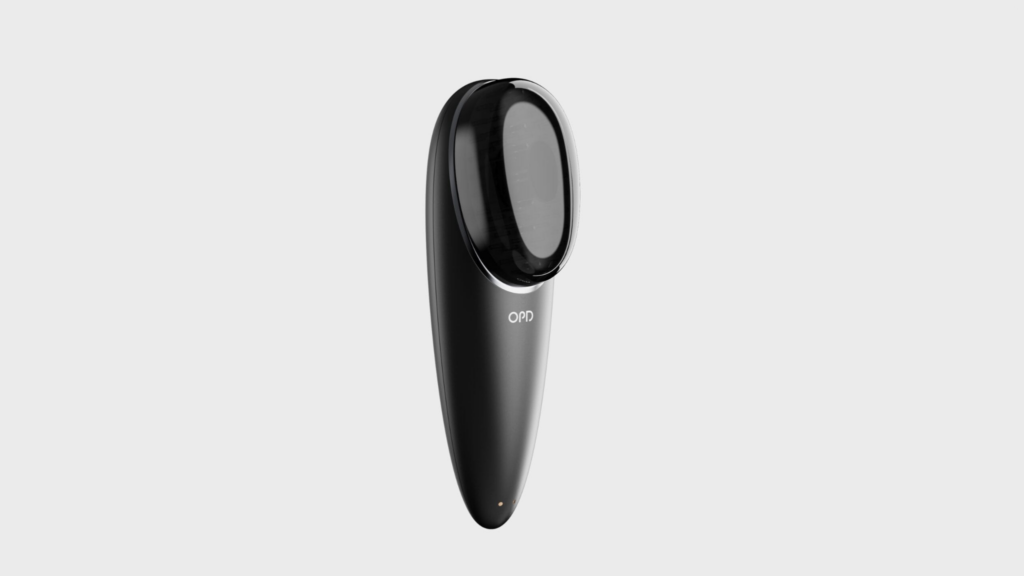
Bringing a new plastic product to market involves much more than creating a great design. Before your product reaches customers, it must be manufactured consistently, efficiently, and at the right cost. That is why choosing the right plastic mold injection company is one of the most important decisions you will make during product development.
A quality mold directly impacts part accuracy, production efficiency, surface finish, and long-term manufacturing costs. Poor tooling decisions can lead to defects, delays, and expensive modifications later in the production process.
This is where the right engineering partner adds real value. Instead of building a mold directly from your drawings, experienced engineers first review the product, identify possible manufacturing risks, and suggest practical improvements. These changes can reduce tooling revisions, shorten development time, and make production more reliable.
Why Your Choice of Mold Development Partner Matters
Injection molding is widely used because it produces high-quality plastic parts with excellent consistency and minimal material waste. According to the Plastics Industry Association, it remains one of the most cost-effective manufacturing methods for medium- and high-volume production.
From medical devices to consumer products, injection molding success depends heavily on the quality and precision of the mold.
A well-engineered mold helps manufacturers:
- Produce accurate and repeatable parts
- Reduce material waste
- Improve production speed
- Lower maintenance costs
- Extend mold life
- Reduce product defects
Poor tooling decisions can result in defects, higher maintenance costs, and production delays.
Why Cheap Tooling Can Become Expensive
Many businesses choose a supplier based on the lowest quotation. While this may reduce the initial investment, it does not always lower the total manufacturing cost.
A lower upfront tooling cost does not always mean lower manufacturing expenses. Higher-quality molds often provide better durability, fewer maintenance issues, and more consistent production performance over time.
For this reason, experienced manufacturers focus on the total cost of ownership, not just the tooling price.
Understanding Injection Mold Design
Every successful mold starts with careful planning. Before steel is cut, engineers analyse the product to ensure it can be manufactured efficiently. This stage is called injection mold design, and it has a direct impact on product quality, production speed, and tooling performance.
During this stage, engineers review:
- Product geometry
- Plastic material
- Wall thickness
- Draft angles
- Gate locations
- Cooling layout
- Ejection methods
- Production volume
Each decision affects how the molten plastic flows through the mold and how the finished part performs after cooling.
Engineers also use simulation software to predict how the material will fill the mold cavity. This helps identify air traps, weld lines, uneven cooling, and shrinkage before the mold is manufactured. Fixing these issues during the design stage is much faster and less expensive than modifying finished tooling.
What Happens During Mold Development?
Many people think mold development begins when machining starts. In reality, the engineering work starts much earlier. A successful mold injection design process involves several stages that help prepare the product for efficient manufacturing.
These stages usually include:
- Product Review – Identifying potential manufacturing challenges before tooling begins.
- Material Selection – Choosing plastics based on strength, flexibility, durability, and application requirements.
- Mold Flow Analysis – Simulating material flow to detect filling or cooling issues.
- Cooling and Gate Design – Optimising cycle time, part quality, and production consistency.
Design for Manufacturability Makes Production Easier
One of the biggest advantages of working with experienced engineers is Design for Manufacturability (DFM).
DFM is a simple idea. It means designing a product so it is easier and more cost-effective to manufacture.
Instead of waiting until production begins to find problems, engineers review the product early and recommend practical improvements.
A typical DFM review looks at:
- Wall thickness
- Draft angles
- Rib design
- Boss placement
- Undercuts
- Material flow
- Cooling efficiency
- Assembly requirements
Even small design improvements can reduce cooling time, material usage, production costs, and the risk of tooling modifications later. According to the Society of Plastics Engineers (SPE), applying DFM principles early helps manufacturers reduce engineering changes and improve production quality.
What Makes a Great Plastic Mold Injection Company Stand Out?
Not all suppliers offer the same level of expertise. The best partners go beyond tooling and provide engineering guidance throughout product development.
A great plastic mold injection company does more than manufacture tooling. They review your design, identify possible production issues, and recommend changes that can improve quality, reduce waste, and lower long-term costs.
When comparing suppliers, look for companies that offer:
- Product design support
- Mold flow analysis
- Design for Manufacturability (DFM)
- Prototype development
- Material selection guidance
- Quality inspection
- Manufacturing support after tooling
A company with these capabilities can help you avoid expensive mistakes before production begins.
Questions You Should Ask Before Choosing a Mold Partner
Before selecting a mold development company, ask a few important questions. The answers will tell you how experienced the team is and how they manage projects.
Consider asking:
Do you review the product before building the mold?
A professional engineering team should evaluate your design before machining starts. This review helps identify problems that could affect production later.
How do you improve manufacturability?
Ask whether they perform Design for Manufacturability (DFM) reviews and mold flow analysis. These services often reduce tooling changes and improve production efficiency.
What materials do you recommend?
Different plastics perform differently. A good engineering partner explains why one material is better suited to your product than another.
How do you communicate during the project?
Regular updates help avoid delays and ensure everyone understands the engineering decisions being made.
Understanding Mold Costs
Mold costs vary depending on product size, complexity, material selection, number of cavities, surface finish, and expected production volume. The table below provides typical industry estimates.
| Mold Type | Typical Cost (USD) | Recommended Use |
| Prototype Mold | $2,000–$10,000 | Product testing and small production runs |
| Production Mold | $10,000–$50,000 | Medium-volume manufacturing |
| Multi-Cavity Mold | $50,000–$100,000+ | High-volume production |
A higher-quality mold usually costs more at the beginning, but it often reduces maintenance, improves production speed, and lasts much longer.
Choosing an engineering-focused partner often leads to better products, fewer delays, and lower manufacturing costs over time.
Typical Mold Development Timeline
| Stage | Typical Time |
| Product Review | 2–5 Days |
| DFM Analysis | 2–4 Days |
| Mold Design | 1–2 Weeks |
| Tool Manufacturing | 3–6 Weeks |
| Tool Assembly | 3–5 Days |
| Mold Testing | 1 Week |
| Final Approval | 2–5 Days |
Although every project is different, most production molds are completed within four to twelve weeks. The timeline depends on product complexity, mold size, and customer approval cycles.
Common Mistakes to Avoid When Choosing a Mold Development Partner
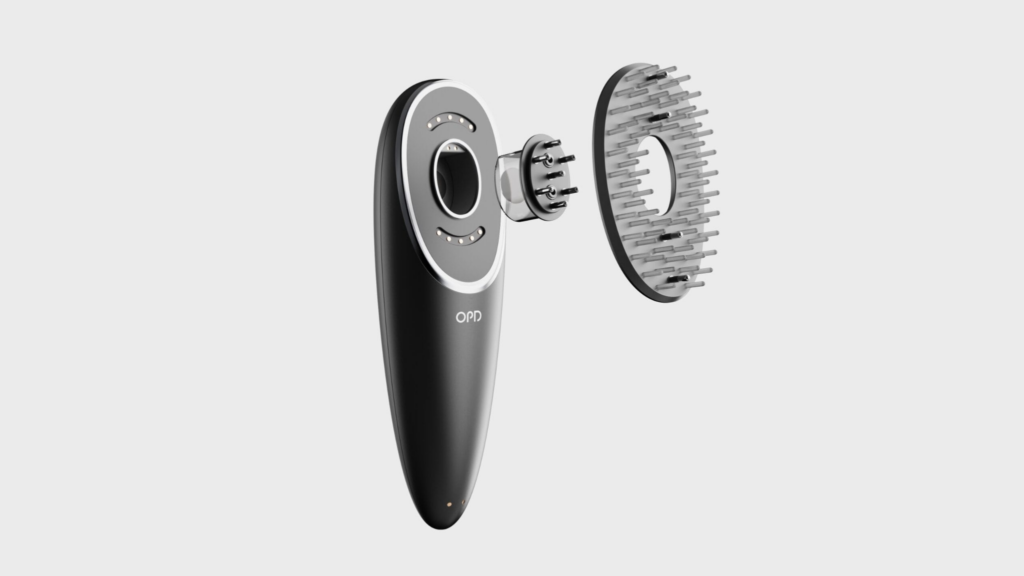
Choosing the right mold development company can save time, money, and frustration. On the other hand, choosing the wrong partner can lead to production delays, poor-quality parts, and expensive tooling changes. Here are some common mistakes to avoid.
Choosing the Lowest Quote
A low price may look attractive, but it does not always offer the best value. Cheap tooling can wear out faster, require more maintenance, and produce inconsistent parts.
Instead of focusing only on cost, compare:
- Engineering expertise
- Manufacturing experience
- Quality control process
- Technical support
- Long-term production capability
A slightly higher investment at the beginning can reduce manufacturing costs over the life of the mold.
Skipping an Engineering Review
Some companies move directly from product drawing to tooling. This can create problems that are difficult and expensive to fix later.
A professional injection mold design review identifies issues before machining begins. Engineers evaluate wall thickness, draft angles, cooling, material flow, and gate locations to reduce manufacturing risks.
Fixing these issues during the design stage is much easier than modifying a finished mold.
Ignoring Future Production Needs
Think beyond your first production run.
If demand grows, your mold should be able to support higher production volumes without major modifications.
Discuss these points with your engineering partner:
- Expected yearly production volume
- Product life cycle
- Material requirements
- Future product updates
- Quality expectations
Planning ahead helps ensure the tooling continues to perform as your business grows.
A Simple Checklist Before Starting Your Project
Before meeting with a mold development company, gather the information below.
- 3D CAD files or technical drawings
- Expected production volume
- Preferred plastic material
- Product application
- Surface finish requirements
- Budget
- Target production timeline
Having this information ready allows engineers to recommend the best mold design for injection molding for your project.
Why Businesses Choose OPD Design
Every OPD Design project begins with a structured engineering review. The team evaluates product requirements, performs Design for Manufacturability (DFM) analysis, and selects suitable materials before mold engineering begins. This approach helps identify potential production challenges early, reducing unnecessary tooling revisions, improving efficiency, and supporting smoother manufacturing.
OPD Design provides a complete product development approach by combining multiple engineering capabilities into one streamlined workflow:
- Industrial design: Creating functional, user-focused, and market-ready product concepts.
- Mechanical engineering: Improving product performance, durability, and manufacturability.
- Prototype development: Testing and validating designs before production.
- Product strategy: Aligning product decisions with manufacturing goals and market requirements.
By integrating these services, OPD Design helps businesses reduce development risks, simplify the transition from concept to production, and create reliable products that are ready for successful manufacturing.
Ready to Start Your Project?
The success of your product depends on more than a good idea. It also depends on choosing the right engineering partner.
An experienced engineering team reviews your design, improves its manufacturability, and prepares it for efficient production before tooling begins.
If you are planning a new plastic product, explore OPD Design’s Mold Development Services to learn how the team can support your project from the first design review through production.
Conclusion
Choosing the right plastic mold injection company is one of the most important decisions in the product development process. An experienced engineering partner helps improve manufacturability, reduce production risks, and build tooling that delivers consistent performance over the long term.
A well-planned injection mold design improves product quality, reduces defects, and increases manufacturing efficiency. Likewise, an effective mold design for injection molding supports shorter cycle times, better part consistency, and lower operating costs throughout production.
At OPD Design, mold development is part of a complete product development process. The team combines industrial design, mechanical engineering, prototype development, and manufacturing support to create reliable, cost-effective tooling solutions for long-term manufacturing success.
If you’re planning your next product or tooling project, contact our team to discuss your requirements and discover how OPD Design can support your development from concept to production.
Frequently Asked Questions
1. What should I look for in a plastic mold injection company?
When choosing a plastic mold injection company, look for a partner with strong engineering expertise, mold design capabilities, manufacturing experience, and quality control processes. A reliable company should provide support beyond tooling, including product review, Design for Manufacturability (DFM), prototype development, and production guidance.
2. Why is injection mold design important for product development?
Injection mold design directly affects part quality, production efficiency, and manufacturing costs. A well-designed mold ensures proper material flow, reduces defects, improves cycle times, and helps produce consistent parts throughout the production process.
3. How does Design for Manufacturability (DFM) improve injection molding?
DFM helps engineers identify potential manufacturing challenges before mold production begins. By analyzing factors such as wall thickness, draft angles, material flow, cooling efficiency, and part geometry, engineers can reduce tooling changes and improve production reliability.
4. How long does it take to develop an injection mold?
Injection mold development timelines vary depending on product complexity, mold size, and production requirements. Typically, a production mold may take around four to twelve weeks, including design review, mold manufacturing, testing, and final approval.
5. How much does an injection mold cost?
Injection mold costs depend on factors such as part complexity, material selection, mold type, number of cavities, surface finish, and expected production volume. Prototype molds may require a smaller investment, while high-volume production molds generally cost more due to their durability and advanced engineering requirements.
6. What are the benefits of working with an engineering-focused mold partner?
An engineering-focused mold partner helps improve product designs, reduce manufacturing risks, and create efficient tooling solutions. By combining design, engineering, prototyping, and manufacturing expertise, they help businesses move products from concept to production more successfully.


![product packaging design services — structural and brand packaging by OPD Design]](https://www.opd-design.com/wp-content/uploads/2025/12/packaging.jpg "OPD DESIGN | How to Choose the Best Plastic Mold Injection Company for Your Manufacturing Needs")