

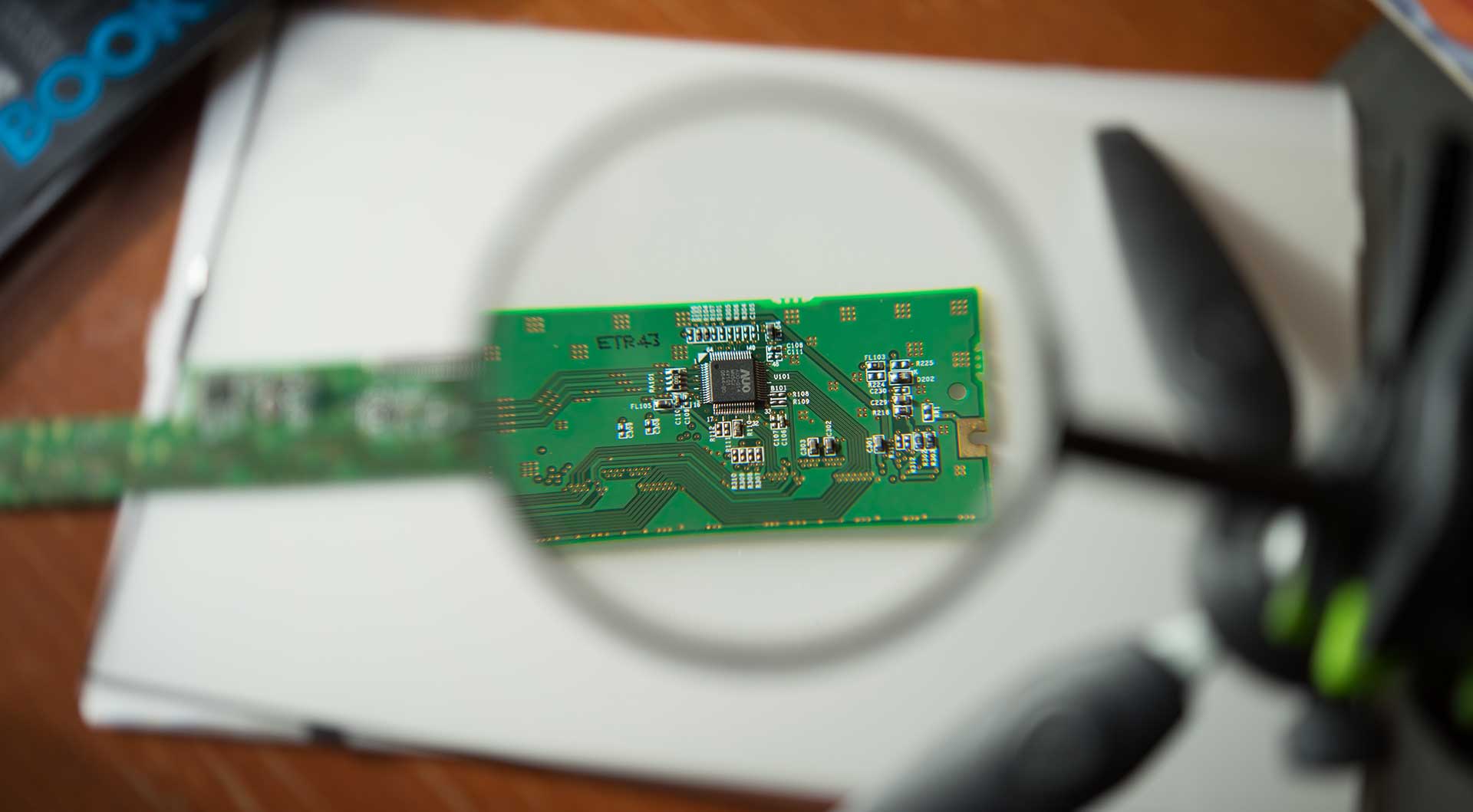
Launching a new electronic product is exciting. It can also be stressful. A new device may work well on paper but fail once it reaches the prototype stage. In many cases, the problem is not the idea. It is the way the hardware was designed.
Think about a smart fitness tracker. It may look great and have useful features. But if the battery drains too quickly, the Bluetooth signal keeps dropping, or the device overheats, customers will lose confidence. Small engineering mistakes often become expensive problems later.
This is why choosing the right hardware design company matters. The right team does more than design a circuit board. They help turn an idea into a market-ready electronic device that works well, passes testing, and is ready for manufacturing.
In this guide, you’ll learn what makes a great engineering partner, how to compare different teams, and what questions to ask before starting your next product development project.
Why Some Hardware Products Never Reach the Market
Many products never make it beyond the prototype stage.
Sometimes the design works in the lab but fails during production. Other times, the product is too expensive to build or cannot meet safety requirements.
These problems often begin early in the project.
Common reasons include:
- Poor PCB layout
- Wrong component choices
- Heat management issues
- Weak wireless performance
- Lack of manufacturing planning
- Missing compliance requirements
Each mistake adds time and cost. In some cases, companies need to redesign the entire product.
A Deloitte reports that more than 70% of manufacturers are increasing investments in digital engineering and smart manufacturing to improve product quality and speed up development.
What Does a Hardware Design Company Actually Do?
Many people think hardware design only means creating a printed circuit board.
That is only one part of the job.
A hardware design company builds the complete electronic system inside a device. Every electronic component must work together smoothly to deliver reliable performance.
Most hardware design services cover every stage of electronic product development, including:
- System architecture
- Electronic circuit design
- PCB layout
- Component selection
- Prototype development
- Hardware testing
- Manufacturing support
For example, imagine you are designing a smart home sensor.
The design team decides which processor to use. They design the PCB that connects every component. They also make sure the battery lasts long enough and the wireless signal stays stable. Before production begins, they test everything under different conditions.
This process reduces problems later.
How a Hardware Project Comes Together
Good hardware design follows a clear process.
Skipping steps often creates expensive delays.
A typical project looks like this.
Step 1 – Understand the Product
Engineers begin by asking questions.
- What should the product do?
- Who will use it?
- Will it run on batteries?
- Does it need Wi-Fi or Bluetooth?
- Where will it be used?
These answers guide every design decision.
Step 2 – Build the Electronic System
Next comes the system architecture.
System architecture is simply the overall plan for how every electronic part works together.
Engineers choose:
- processors
- sensors
- memory
- power circuits
- communication modules
Choosing the wrong processor at this stage can increase power use and raise manufacturing costs.
Step 3 – Design the PCB
The printed circuit board, or PCB, connects every electronic part.
A well-designed PCB keeps signals clean and reduces electrical noise.
For example, imagine placing a Wi-Fi antenna next to a high-speed processor.
When the processor sits too close to the antenna, it creates electrical noise that can weaken the wireless signal. Moving the antenna to a quieter part of the PCB often fixes the issue without changing the electronics.
These simple changes improve wireless performance without changing the product’s features.
The Institute of Printed Circuits (IPC) publishes design standards that many manufacturers follow to improve quality and reduce production defects.
Choosing the Right Components
A device is only as reliable as the parts inside it.
Buying the cheapest component rarely saves money.
Skilled engineers look at several factors.
They ask:
- Will this part still be available in five years?
- Does it meet safety standards?
- Can another supplier provide the same part?
- Can it handle heat?
- Will it work in harsh environments?
Imagine your product uses a chip that becomes unavailable six months later.
The PCB may need a complete redesign. That often means building a new prototype, repeating validation tests, and increasing the overall project cost. Choosing reliable components early helps avoid these problems.
McKinsey has reported that supply chain disruptions continue to affect electronics manufacturers worldwide, making long-term component planning more important than ever.
Why Testing Should Never Be an Afterthought
Many startups focus on building the first prototype.
Testing receives less attention.
That can become expensive.
Hardware testing checks whether the product works in real conditions.
Common tests include:
- Electrical testing
- Thermal testing
- EMI testing
- Functional testing
- Power consumption testing
- Environmental testing
For example, a device may work perfectly at room temperature.
After several hours in a hot warehouse, it may stop working because the processor overheats.
Thermal testing finds these problems before customers do.
The IEEE recommends thorough testing to improve hardware reliability and reduce product failures.
Why Smart Hardware Design Simplifies Production
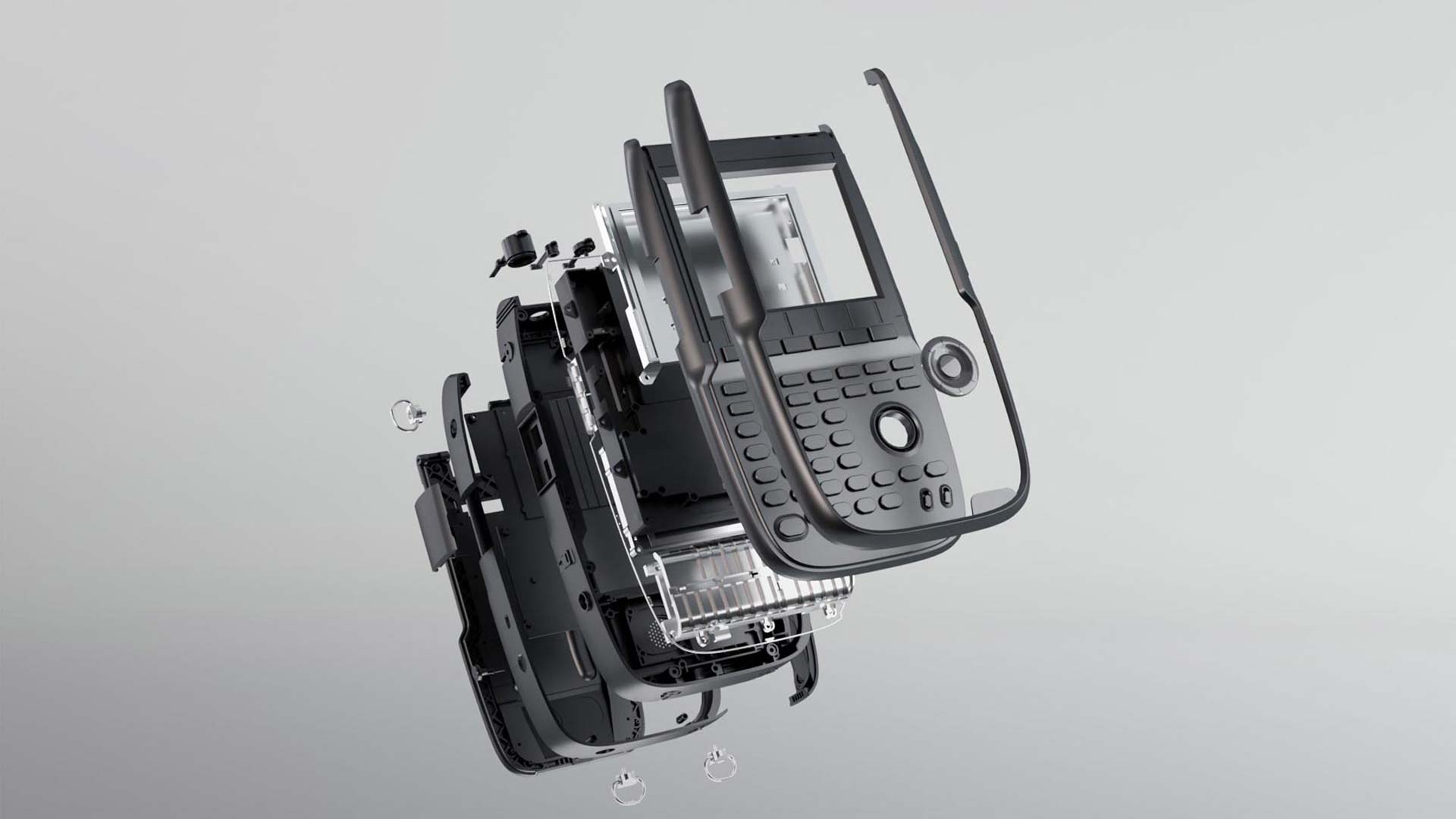
A prototype that performs well in the lab is not always easy to build in large numbers. This is where many projects run into trouble. A factory may struggle to assemble the product, or the production cost may end up much higher than expected.
Successful hardware teams consider manufacturing from the beginning.
For example, imagine a PCB with components placed too close together. During automated assembly, the pick-and-place machine may not have enough room to position parts accurately. This can increase defects and slow production. A small layout change early in the project can prevent this problem.
During PCB planning, engineers also consider:
- Standard component sizes
- Easy soldering
- Test point locations
- Connector access
- Heat dissipation
- Assembly time
These decisions reduce production risks and make the product easier to build.
The National Institute of Standards and Technology (NIST) estimates that poor quality costs manufacturers between 15% and 20% of annual sales, showing why manufacturing planning should begin early.
A Simple PCB Example That Saves Time and Money
Let’s look at a real engineering situation.
A company is developing a wireless environmental sensor for factories. The first prototype works well indoors. However, during field testing, the wireless range drops sharply.
The engineering specialists investigate the issue. They move the antenna to a quieter area of the board. They also add a larger ground plane and improve the routing of high-speed signals.
The next prototype delivers a much stronger wireless connection without changing the antenna itself.
This example shows why PCB layout is about more than connecting components. Good layout improves signal quality, product reliability, and user experience.
Small Component Decisions Can Prevent Big Problems
Component selection is about much more than price.
Every electronic part must support the device’s technical and business goals.
Engineers often compare components based on:
| Selection Factor | Why It Matters |
| Availability | Reduces the risk of redesigns caused by discontinued parts |
| Temperature rating | Ensures stable performance in different environments |
| Power consumption | Extends battery life |
| Safety certification | Supports regulatory approval |
| Alternative suppliers | Protects against supply chain disruptions |
| Long-term support | Makes future production easier |
For example, choosing an industrial-grade capacitor instead of a consumer-grade version may increase the initial cost slightly. However, it can improve reliability in hot or demanding environments and reduce future warranty claims.
Successful hardware engineering balances performance, reliability, and long-term value.
Compliance Should Never Be Left Until the End
Many businesses focus on design first and think about compliance later.
That approach often leads to delays.
Depending on the product, hardware may need to meet standards such as:
- CE for European markets
- FCC for wireless devices sold in the United States
- RoHS for hazardous substance restrictions
- UL for electrical safety
Planning for these requirements early makes testing much easier. It also reduces the chance of redesigning the PCB after certification begins.
Questions Worth Asking Before You Hire
Choosing the right engineering partner is a business decision as much as a technical one.
During your first meeting, ask practical questions instead of general ones.
For example:
- How do you review project requirements?
- Who manages communication during development?
- What testing do you perform before production?
- How do you deal with obsolete components?
- Can you support manufacturing after the prototype stage?
- Have you developed products similar to mine?
A reliable hardware development company should also explain how it manages design reviews, manufacturing risks, and engineering changes as the project moves forward.
How OPD Design Supports Hardware Development
No two hardware projects are exactly alike. A wearable medical device has very different design needs from an industrial controller or a smart home sensor. That is why OPD Design begins every project by understanding the product goals before any detailed engineering work starts.
Every OPD Design project begins with a discovery phase. The team learns about the product, its users, manufacturing goals, and any regulatory needs. These discussions help everyone begin with the same understanding. This reduces misunderstandings before detailed design begins.
Once the project scope is clear, hardware engineers create the electronic system architecture and begin PCB development. OPD Design’s mechanical design specialists review enclosure space, mounting points, thermal performance, and manufacturability while industrial designers focus on usability and product appearance.
For example, imagine a company developing a battery-powered environmental monitoring device. During PCB design, engineers discover that the original battery location leaves little room for the wireless antenna. By reviewing the design together, the hardware and mechanical teams adjust the internal layout before the first prototype is built. This simple change improves signal strength, extends battery life, and avoids an expensive redesign later.
After prototype testing, the team validates the design, prepares it for efficient production, and supports production planning. This structured workflow helps reduce delays, improve product quality, and prepare the product for efficient manufacturing.
Whether the project involves consumer electronics, medical technology, or industrial equipment, OPD Design combines hardware engineering, mechanical design, and product development expertise to help businesses bring reliable products to market.
Final Checklist Before You Make Your Decision
Choosing a professional electronics design firm involves more than comparing prices or reviewing a portfolio. The right team should understand your product goals, communicate clearly, and design with manufacturing in mind.
Use this checklist before you sign a contract.
| Question | Why It Matters |
| Do they understand products like yours? | Industry experience helps solve problems faster. |
| Can they explain technical decisions clearly? | Good communication prevents costly mistakes. |
| Do they follow a structured design process? | A clear workflow keeps the project on track. |
| How do they test their designs? | Testing improves product quality before launch. |
| Do they consider manufacturing from the beginning? | Early planning reduces production costs. |
| How do they manage component shortages? | Supply chain planning avoids redesigns and delays. |
| Can they support production after prototyping? | Ongoing engineering support makes scaling easier. |
If most of these answers are positive, you are more likely to choose a team that can deliver a reliable product.
Final Thoughts
Developing a successful connected device involves much more than designing a PCB. Every decision, from choosing components to planning production, affects the final result.
A reliable hardware design company brings together electrical, mechanical, and manufacturing expertise to solve problems before they become expensive. That leads to better-performing devices and a smoother path to production.
Take your time when choosing a development partner. Ask detailed questions, review previous work, and look for a structured engineering process. These steps can save months of redesign work and reduce unnecessary costs later.
If you’re planning a new electronic product, OPD Design offers end-to-end hardware development services that cover system architecture, PCB design, prototyping, testing, mechanical integration, and manufacturing support. If you’d like to discuss your project with the team, contact OPD Design to explore the best approach for your product.
Frequently Asked Questions
1. What does a hardware design company do?
A hardware development company designs and develops the electronic systems inside a device. Its services often include PCB design, component selection, prototyping, testing, and production support.
2. When should I hire a hardware design company?
It is best to involve a hardware design company at the beginning of your project. Early planning helps avoid design mistakes, reduces development costs, and shortens the path to production.
3. Why is PCB layout important?
PCB layout affects signal quality, heat management, product reliability, and manufacturing efficiency. Even a small layout change can improve wireless performance or reduce production defects.
4. How do engineers choose electronic components?
Engineers compare parts based on performance, availability, operating temperature, certifications, cost, and long-term supply. This approach reduces the risk of redesigns caused by obsolete components or supply chain issues.
5. Why is testing important before manufacturing?
Testing confirms that the product works under real operating conditions. Electrical, thermal, environmental, and functional tests help detect problems before the product reaches customers, reducing warranty claims and production delays.
6. What should I look for when comparing hardware design companies?
Look for a partner with a proven engineering process, experience in similar products, clear communication, and strong manufacturing knowledge. These qualities often lead to smoother projects and better long-term results.



![product packaging design services — structural and brand packaging by OPD Design]](https://www.opd-design.com/wp-content/uploads/2025/12/packaging.jpg "OPD DESIGN | How to Choose the Right Hardware Design Company for Your Product Development Project")