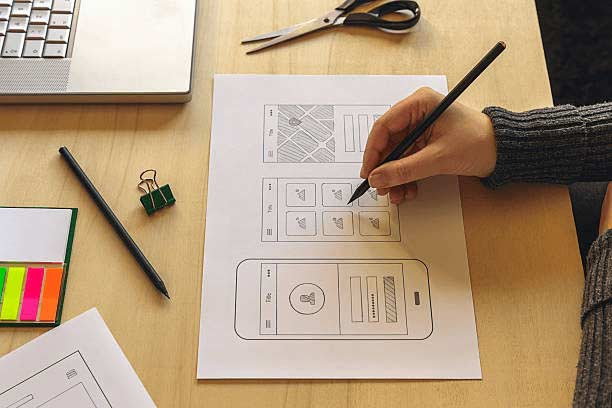

Most electronic products need at least one of CE, FCC, or RoHS, depending on where you sell and what the device contains. The right time to plan for these rules is during prototyping, before the design is locked. Good product prototyping services build test samples that help you check compliance early and avoid expensive redesigns.
Product prototyping services are the best place to start when you ask whether you need CE, FCC, or RoHS approval. Many founders treat certification as a final paperwork step. It is not. The parts you choose, the radio module you add, and the plastic you mold all affect the result. At OPD Design, we help clients plan these rules while the product is still a prototype. This guide explains what each mark means, which ones you likely need, and how to prepare.
The Short Answer
It depends on three things: your market, your product type, and your materials.
- Selling in the European Economic Area? You need CE marking for most electronics, and RoHS rules apply to covered products.
- Selling in the United States? Most electronic devices need FCC authorization.
- Selling in both? Plan for all three.
A device with a radio, such as Bluetooth or Wi-Fi, faces stricter tests. A simple battery product with no radio still faces rules, but fewer of them.
| Mark | Region | What it covers | Who acts |
|---|---|---|---|
| CE | Europe (EEA) | Safety, health, and environmental rules for the product | The manufacturer declares conformity |
| FCC | United States | Radio emissions and interference | Tested in a lab, then authorized |
| RoHS | Europe (and similar rules elsewhere) | Limits on hazardous substances | The manufacturer proves material compliance |
What CE, FCC, and RoHS Mean
CE Marking
CE marking signals that a product meets the EU rules that apply to it. According to the European Commission, the letters appear on many products sold in the European Economic Area and show that they were assessed against high safety, health, and environmental requirements. You can read the official overview on the European Commission CE marking page.
For most electronics, the manufacturer builds a technical file, runs the needed tests, and signs a declaration of conformity. Then the mark goes on the product. The mark itself is free. The testing and documents behind it are not.
FCC Authorization
The FCC protects the US radio spectrum. Devices that can emit radio-frequency energy must meet limits so they do not interfere with other equipment. The FCC’s Office of Engineering and Technology administers the equipment authorization program.
There are two main routes. A device that transmits a wireless signal on purpose, such as Bluetooth or Wi-Fi, usually goes through certification. An FCC-recognized lab tests it, and a certification body issues the grant. The device then carries an FCC ID. Simpler digital devices that do not transmit may use the Supplier’s Declaration of Conformity route.
RoHS
RoHS limits hazardous substances in electrical and electronic equipment. Lead, mercury, and hexavalent chromium are limited to 0.1% by weight, and cadmium to 0.01%. Several plasticizers are also restricted. The European Commission explains the rule and its standards on its RoHS directive page.
RoHS is not a single test stamp. You prove compliance through supplier declarations, material checks, and documents. Covered products also carry the CE mark.
Which Rules Apply to Your Product?
Answer these questions to narrow the list.
- Does it have a radio? Bluetooth, Wi-Fi, cellular, and similar links trigger radio rules in the US and Europe.
- Does it plug into mains power? Mains power adds electrical safety rules.
- Does it have a battery? Lithium batteries bring their own safety and shipping rules.
- What is it made of? Metals, coatings, solder, and plastics all matter for RoHS.
- Who will use it? Medical, children’s, and food-contact products face extra rules beyond these three.
- Where will you sell? Each country or region may add local requirements.
Write the answers down before design begins. They form your compliance map. Exploring how to turn your device idea into a certified, manufacturable product?Our team has helped startups and brands turn ideas into real, manufacturable products.Book a free consultation to discuss your idea.

Why Prototyping Is the Right Time to Plan
Certification tests run on a stable, final design. A change after testing can mean testing again. That makes the prototype stage the cheapest time to find problems.
Our product prototyping services build test samples in stages. Most projects follow three rounds:
- Proof of concept: checks form, size, and basic function.
- Working prototype: adds real electronics, so you can test radio behavior and power.
- Appearance sample: adds the final color, texture, and finish.
Each round teaches something about compliance. The working prototype shows how the radio behaves near the battery and the shell. The appearance sample shows whether coatings and materials meet your rules.
Strong product prototyping services also make test samples that match the final product. A lab needs units that look and work like the production version. A rough model does not give a valid result.
Pre-Compliance Testing on Prototypes
Pre-compliance testing is a quick check before the official lab test. It is not a certificate. It shows where a design might fail.
Typical early checks include:
- Radio emissions near the limits
- Battery and charging behavior
- Heat during long use
- Drop and wear resistance
- Material and coating review for restricted substances
Early product prototyping services let you run these checks while changes are cheap. Moving an antenna or swapping a part at this stage costs little. After mold tooling, the same change may cost a lot.
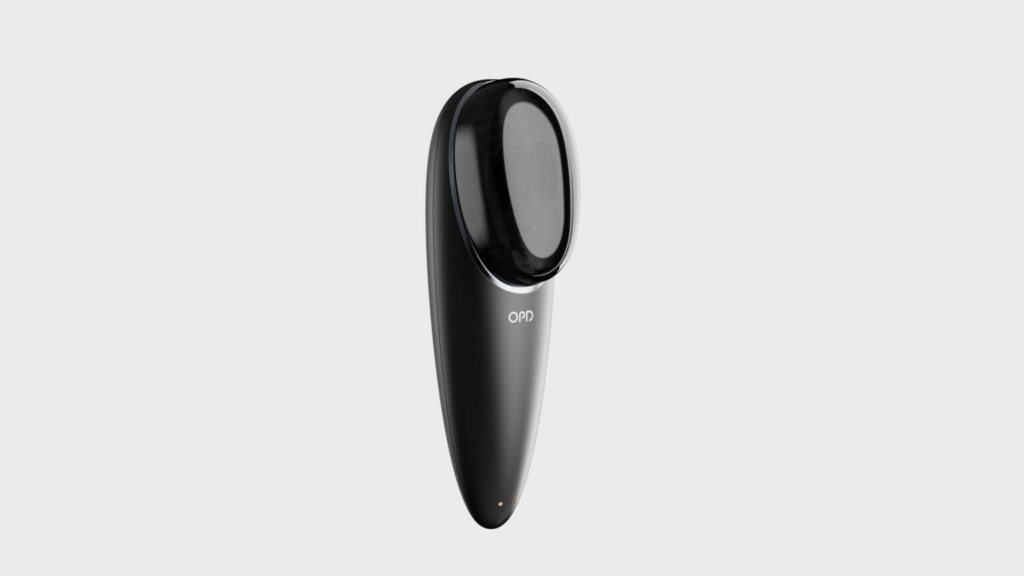
Our smart massage comb project built 10 to 20 hand-made prototypes. The team tested misting, wireless charging, battery life, and drop resistance. The final product earned FCC and CE certification. See the details in our massage comb case.
Our party box speaker project tested drop resistance, battery life, splash protection, and audio quality over three prototype rounds. You can read more in our party box speaker case.
Design Choices That Affect Certification
Many compliance problems start with design decisions. A few examples show how.
Radio Modules
A pre-certified radio module can reduce test effort. A custom radio design needs more testing. Pick the module early and keep the antenna away from metal parts and batteries.
Materials and Parts
Ask every supplier for material declarations. A single non-compliant screw, wire, or coating can fail a RoHS check. Keep a record of each part and its supplier.
Shell and Structure
Shell material and wall thickness change how signals pass. Metal blocks radio waves. Plastic with certain fillers can affect antennas. Sealing and structure also affect safety tests.
Labels and Marks
Compliance marks need space on the product, the box, or the manual. Plan the label area and the text size before artwork is final.
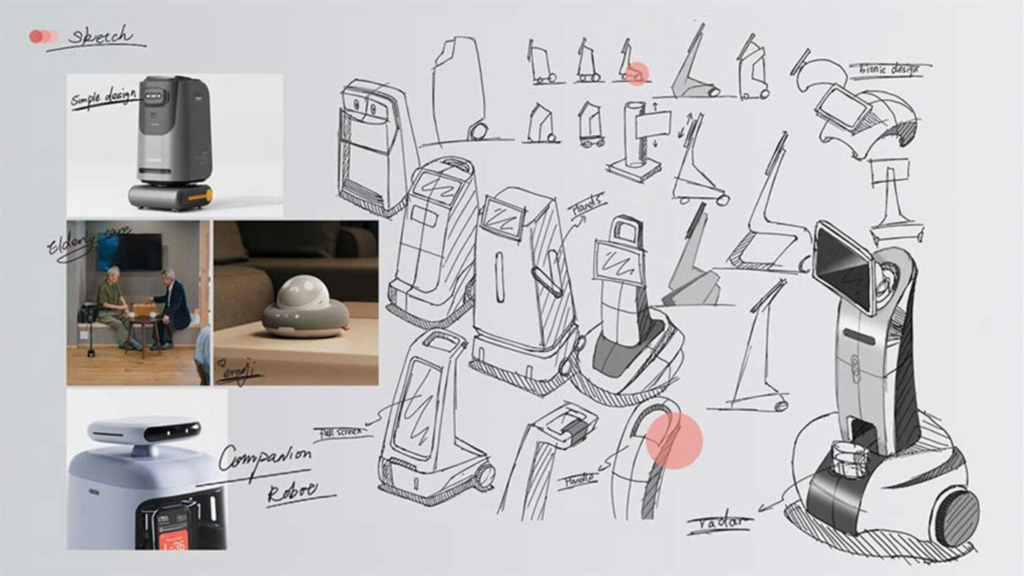
Our manufacturing design services team checks that a design can be built with steady quality. That check ties compliance to production. A design that passes in a lab but varies on the line is still a risk. On a cleaning robot project, our tooling team ran mold trials to confirm part quality. See the full project in our cleaning robot case.
The Documents You Will Need
Certification is as much about paper as tests. Prepare these early.
- A clear product description and a parts list
- Circuit diagrams and block diagrams
- Test reports from recognized labs
- Material declarations for RoHS
- A declaration of conformity for CE
- User manuals with required warnings
- Label artwork showing the marks
For RoHS, manufacturers must keep technical documentation for years after the product enters the EU market. Keep records organized from day one.
How Much Do Certifications Cost?
Costs vary by product, markets, and number of tests. These factors drive the price most:
- The number of radios and frequency bands
- The number of target markets
- The number of product variants
- The need for retesting after design changes
- The use of pre-certified modules
Ask for a quote based on your final parts list. A rough guess made too early is rarely reliable. Remember that changes after testing add cost, so a stable design saves money.
When to Get Compliance Help
Rules change, and each product is different. Expert guidance saves time when you are unsure which marks apply. Our product compliance consulting team helps clients identify the right marks, plan the tests, and prepare the files.
Ask for help when:
- Your product has a radio and you sell in several regions
- Your product targets children, health, or food contact
- You are unsure which standards apply
- A supplier cannot provide material declarations
- A test has failed and you need a fix
Common Mistakes
The same problems appear in many projects.
- Waiting until after tooling to think about certification
- Testing a rough prototype that differs from the final product
- Picking a radio module without checking its approvals
- Skipping material declarations from suppliers
- Forgetting label space for marks
- Assuming one market’s approval covers another
Each mistake leads to retesting or redesign. Planning compliance during prototyping avoids most of them.
How to Choose a Prototyping and Compliance Partner
Ask direct questions before you decide.
- Does the team build prototypes that match production?
- Do they plan for compliance during design?
- Can they show products that passed FCC and CE?
- Who owns the design files and prototypes?
- How often will you get updates?
At OPD Design, overseas clients work with English-speaking project managers. They get weekly updates, video reviews, and shared dashboards. We sign a mutual NDA before project talks, and all files and prototypes belong to the client. Our team works with 300+ cooperative factories and places quality engineers on every project.
Conclusion
Most electronic products need CE, FCC, RoHS, or a mix, based on the market and the parts inside. The smartest plan is to treat compliance as a design input, not a final step. Good product prototyping services give you test samples that reveal problems early. Careful part choices and clear documents then keep the path to approval short.
OPD Design is a product design and development company based in Shenzhen, China. Our services run from strategy to production support, including brand design, packaging design, and compliance help. If you have a product idea and want to plan the path to certification, contact us today.
FAQs
Do I need CE, FCC, and RoHS for the same product?
It depends on where you sell. CE and RoHS apply to the European market, and FCC applies to the United States. A product sold in both regions usually needs all three.
Is RoHS a certification?
RoHS is a rule that limits hazardous substances. Manufacturers prove compliance with documents, material checks, and a declaration, rather than a single certificate.
When should I start planning for certification?
Start during prototyping. Plan the markets, the radio module, and the materials before the design is locked. Early planning avoids retesting after tooling.
Can I test a prototype for certification?
Official tests run on a final, production-like product. Prototypes are best for pre-compliance checks that show where a design might fail.
Can one company handle prototyping and compliance planning?
Yes. OPD Design covers prototyping, manufacturing design checks, and compliance support in one team. That means fewer handoffs between vendors.