

Portable Radio Detector Development

OPD Design developed a portable radio detector for a China client, covering industrial design, ruggedized mechanical engineering, hardware and firmware, prototyping, mold development, and mass production. The handheld detector combines accurate radio signal analysis with waterproof, dustproof, and shockproof protection for demanding outdoor use.
Project Background
A China client approached OPD Design to develop a handheld radio signal detector that could be carried and operated in demanding outdoor environments. The product needed to capture and analyze radio signals accurately, while surviving drops, rain, and dust. Our role was to take the detector from concept through industrial design, ruggedized mechanical engineering, electronics, firmware, prototyping, tooling, and into mass production.

Solution
OPD Design developed the portable radio detector as a ruggedized handheld instrument. The industrial design balances a compact, one-hand-operable form factor with a clear display layout for field use. Mechanically, we engineered a sealed enclosure with waterproof, dustproof, and shockproof protection — selecting elastomer gaskets, reinforced corners, and a robust cable exit to meet outdoor durability requirements. The electronics combine a high-performance radio detection chipset with efficient power management, while the firmware handles fast signal capture, real-time analysis, automatic calibration, and on-device fault detection.
Project Data
Services: Industrial design, Mechanical design, Hardware design, Firmware design, Functional prototyping, Mold development
Client country: China
Product type: Handheld portable radio signal detector
Product stage: Mass produced
Industries: Test & measurement instruments, outdoor equipment, wireless communication
Deliverables: Design concept, ruggedized structural engineering, electronic controls, firmware, functional prototype, tooling and production support
Our Portable Radio Detector Development Process
Step 1-Product Definition & Market Research
Step 2-Industrial Design
Step 3-Mechanical (Structural) Engineering
Step 4-Hardware & Firmware Development
Step 5-Functional Prototyping
Step 6-Mold Development
Step 7-Supply Chain & Mass Production Support

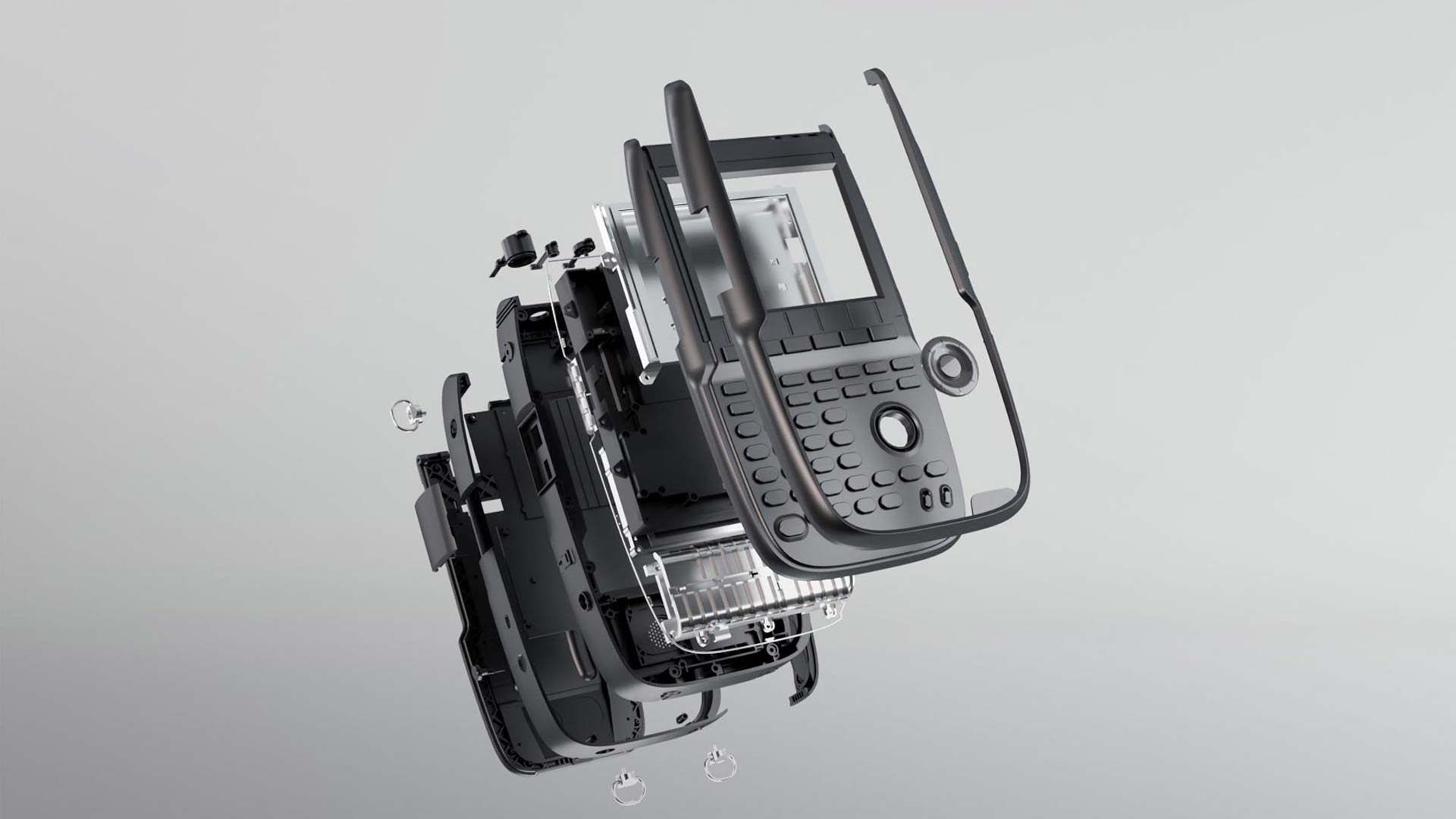
Building a rugged handheld instrument or field device that needs to combine electronics, firmware, and harsh-environment protection? Send us your product idea — our team can take it from concept to a production-ready design.
Project Results
- Delivered a ruggedized handheld radio detector with waterproof, dustproof, and shockproof protection
- Integrated a high-performance radio detection chipset with real-time signal analysis and automatic calibration
- Achieved a compact, one-hand-operable form factor suitable for extended field use
- Completed functional prototyping and environmental stress testing before tooling
- Supported mold development and mass production for the China client
Featured Projects
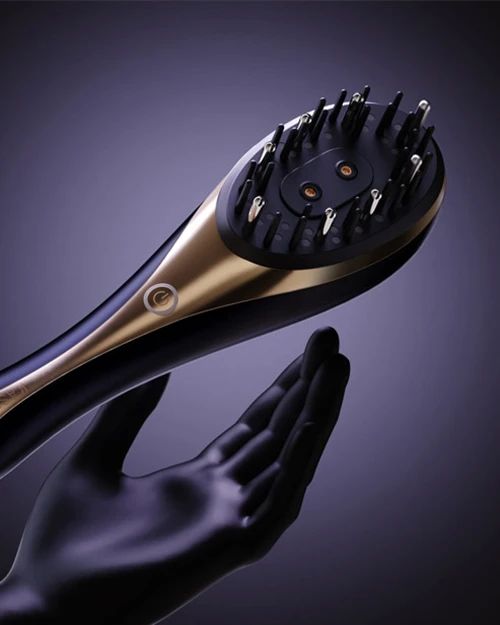
Smart Comb
A scalp care comb with a misting function, featuring an ergonomic design that combines style and practicality.
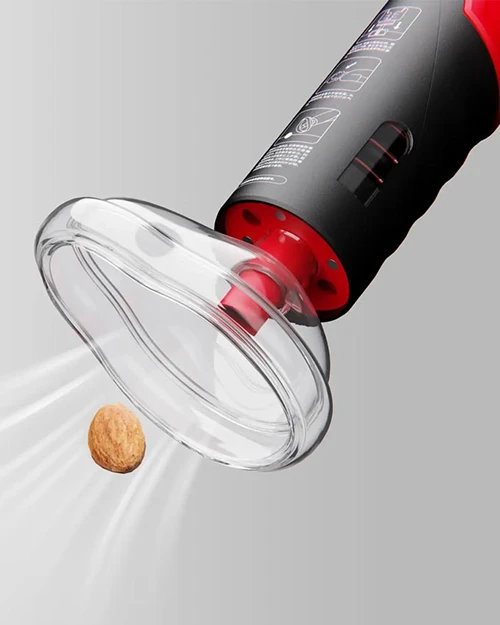
Anti-Choking Device
A home-use Heimlich maneuver device developed based on the principles of the Heimlich maneuver.
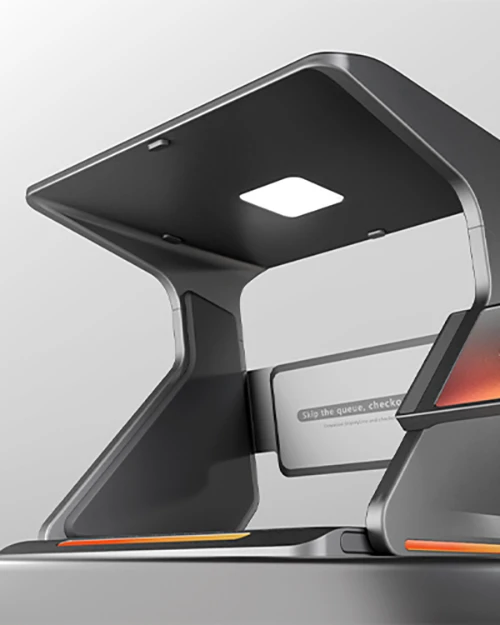
Self-Service Checkout System
These are the core devices supporting the "unmanned shopping" scenario and the key terminals for improving shopping efficiency.
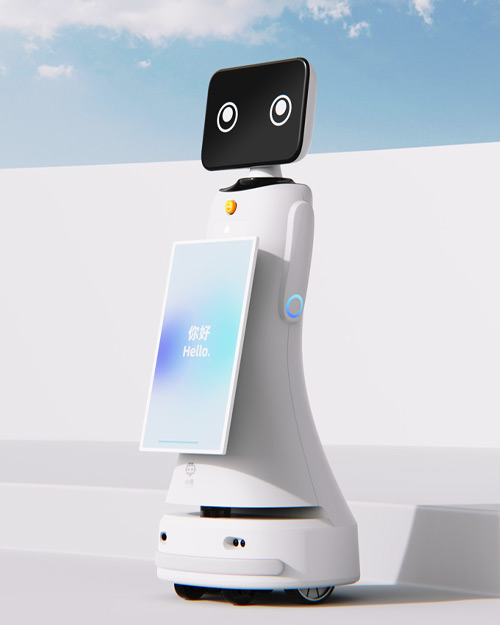
Care Robot
A care robot that integrates safety monitoring, daily assistance, and emergency response.

Kids Smart Toothbrush
Let children learn to brush their teeth independently in a fun way.
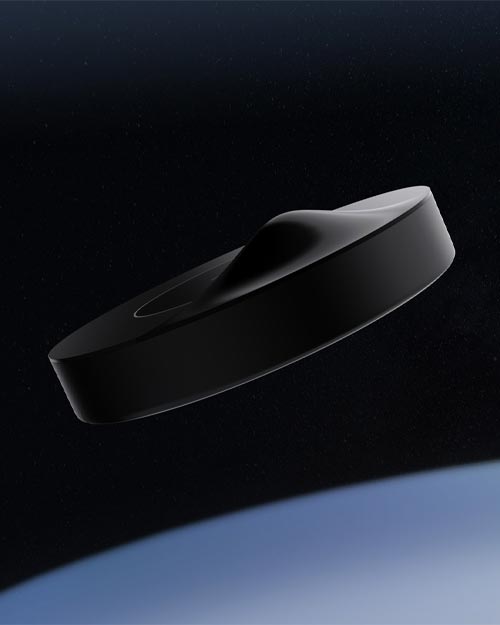
Sci-fi style electric ceramic stove
Spaceship-themed electric ceramic stove: a modern lifestyle.
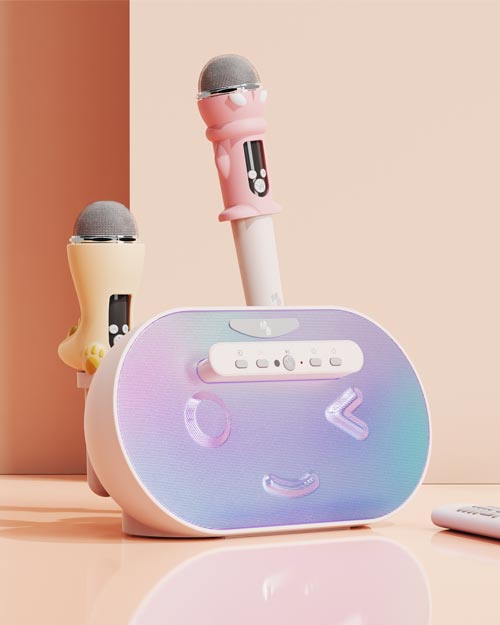
Children's KTV
Allowing children to learn through play and grow through learning.

AI interactive terminal
This project uses AI to recognize NFC chips, match IP-specific audio effects, enabling “one Baji, one exclusive interaction”
Frequently Asked Questions
1.What does portable radio detector development with OPD Design include?
2.Can OPD Design handle both the exterior design and the internal ruggedization?
3.How long does it take to develop a rugged handheld instrument from concept to prototype?. Can OPD Design handle the glass forming and electronic controls together?