

Anti-Choking Device Product Development
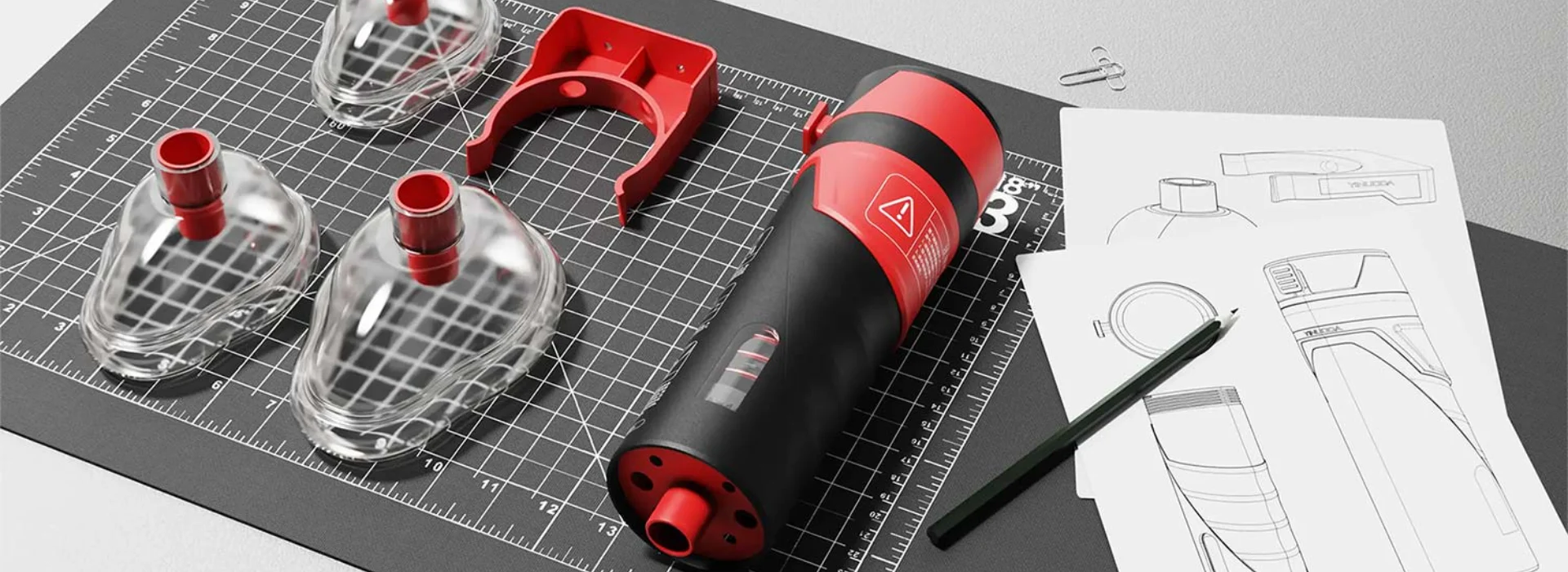
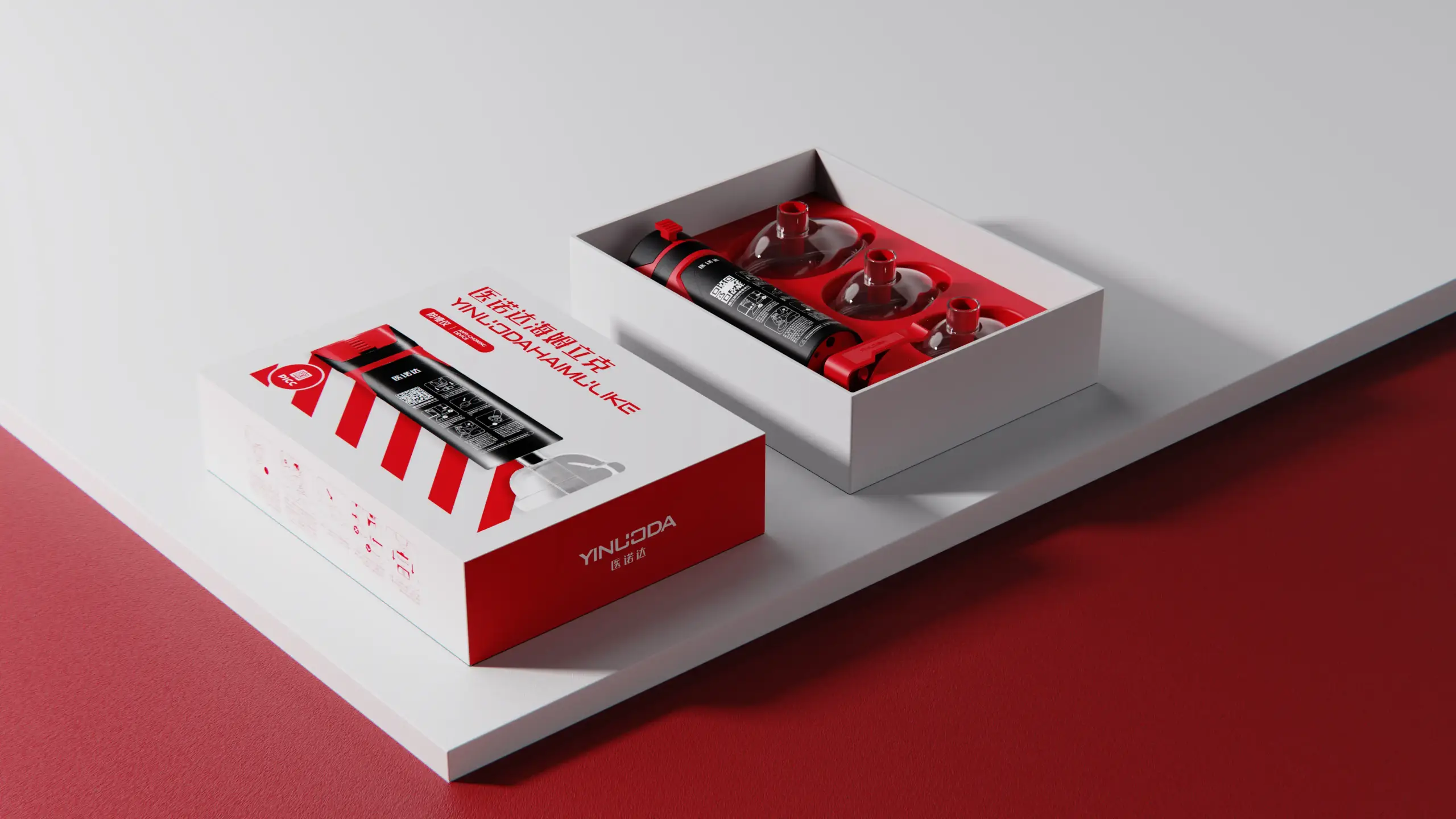
OPD Design developed a purely mechanical, zero-electronics anti-choking rescue device for a China-based client — from field research and concept engineering through FDA compliance preparation and manufacturing readiness. The 14-month product development project delivered a production-ready solution with a patent-pending torsion spring mechanism and a non-invasive interface designed for universal use across ages 2 to 99.
Project Background
In 2025, a China-based medical technology company partnered with OPD Design to develop a next-generation anti-choking rescue device. The goal was clear: replace invasive throat-insertion tools with a purely mechanical, easy-to-use alternative that untrained rescuers could deploy in high-stress emergencies at home, in care facilities, and in public spaces.
Choking emergencies demand immediate intervention — airway obstruction can cause irreversible harm within minutes. Existing rescue tools require throat insertion, create psychological resistance among rescuers, and are difficult to use across a wide range of victim sizes. The client needed a device that could deliver therapeutic pressure in under half a second, accommodate users from toddlers to elderly adults, and feel approachable rather than intimidating — all without a single electronic component.
OPD Design led the full product development journey at our Shenzhen studio. The scope covered field research across 28 senior care facilities, concept generation and evaluation, detailed mechanical engineering, functional prototyping, human factors validation, FDA compliance preparation, and manufacturing support. The result was a patent-pending torsion spring mechanism with a self-aligning medical-grade silicone mouthpiece — a solution ready for production, not just a design concept on paper.
Design Challenge
Emergency medical devices operate under constraints unlike any other product category. They must function correctly on the first attempt, under high stress, by untrained users. This reality shaped every design decision at OPD Design.
Three challenges stood out:
- Response speed: Airway obstruction can cause irreversible harm within minutes. The device needed therapeutic pressure in under half a second.
- User diversity: A choking victim may be a toddler or an elderly adult. The interface had to fit a wide range of facial sizes and grip strengths.
- Psychological barrier: Rescuers often hesitate to use invasive devices. The design needed to feel approachable rather than intimidating.
Furthermore, human factors engineering—central to FDA guidance on medical device use—demanded that use-related risks be minimized through intuitive form and clear feedback.
Design Innovations
OPD Design pursued three parallel innovation tracks. Each addressed a critical failure point in existing choking rescue approaches.
A. Pure Mechanical Architecture
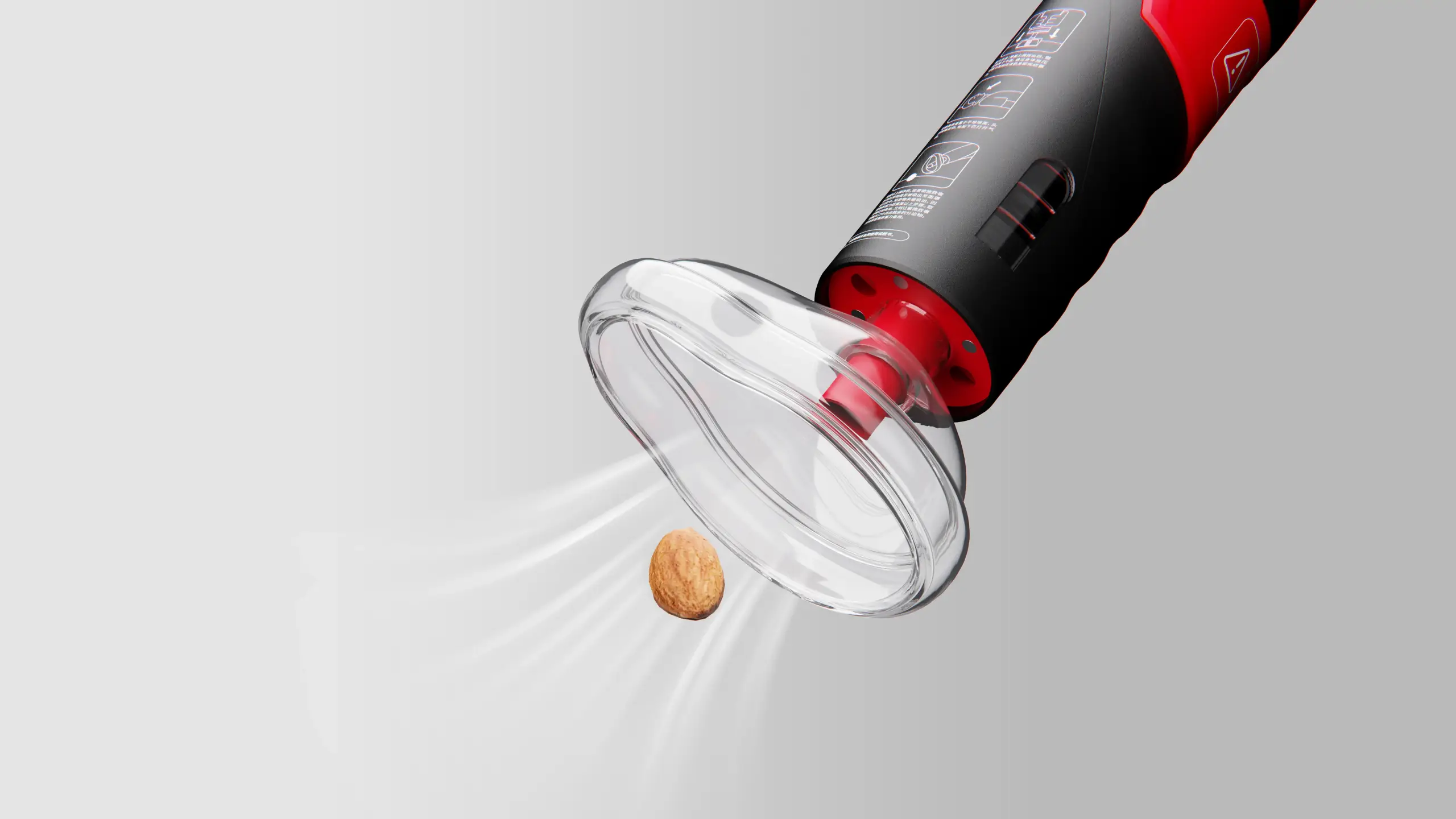
The device relies on a precision torsion spring system that delivers consistent directional airflow within 0.3 seconds, with a pressure tolerance of ±1.8 kPa. Because there are no circuits or firmware, there is zero risk of electronic failure. Waterproof construction supports reliable operation after exposure to liquids or prolonged storage. A patent has been filed for the spring mechanism.
B. Non-Invasive Interface
Rather than inserting tools into the throat, the device uses directional airflow technology to create a pressure differential from outside the airway. The self-aligning medical-grade silicone mouthpiece (Shore A 40) conforms to varied facial contours. In preliminary user trials, this approach reduced psychological resistance by 63% compared to invasive alternatives — a meaningful advantage when seconds count.
C. Universal Operation
The activation protocol supports one-handed use, allowing a rescuer to support the victim while deploying the device. The medical-grade silicone interface works across users from age 2 to 99, conforming to varied facial contours while maintaining a consistent seal. This universal approach minimizes training dependence — critical for emergency devices used by untrained bystanders.
Product Development Process
Step 1 — Product Strategy
Our product development approach for this anti-choking device followed six key phases. Each phase built upon the previous one to ensure a comprehensive solution.
OPD Design began with in-depth market research and competitive analysis of existing anti-choking devices. We identified the key gaps: invasive operation methods, high psychological resistance among rescuers, and limited age coverage. Based on these findings, we defined the product positioning — a purely mechanical, non-invasive, universally accessible rescue device — and established the development roadmap with clear milestones from concept through FDA-ready manufacturing.
Step 2 — Industrial Design
We conducted field research at 28 senior care facilities and analyzed 137 documented choking incidents to define the core design requirements: response under 0.5 seconds, lifetime maintenance-free operation, and universal usability across ages 2–99. The industrial design team then generated 27 distinct concepts — from compressed-air mechanisms to lever-driven plungers — and used a Pugh Matrix to evaluate reliability, manufacturability, cost, and human factors performance.
Step 3 — Mechanical Design
Three innovations emerged from concept evaluation: the torsion spring mechanism (patent pending), dual-stage pressure detection, and the self-aligning mouthpiece. The engineering team refined the spring geometry, seal tolerances, and mouthpiece profile through iterative CAD modeling, ensuring the mechanism could deliver consistent performance across the full target age range while meeting the sub-half-second response requirement.
Step 4 — Functional Prototyping
Using our functional prototyping services, OPD Design built and tested iterative prototypes. Testing validated spring performance, seal integrity, and ergonomic fit across the target age range. The team evaluated pressure consistency over repeated actuations and durability under environmental stress. Preliminary user trials informed refinements to mouthpiece geometry and activation force.
Step 5 — Mold Development
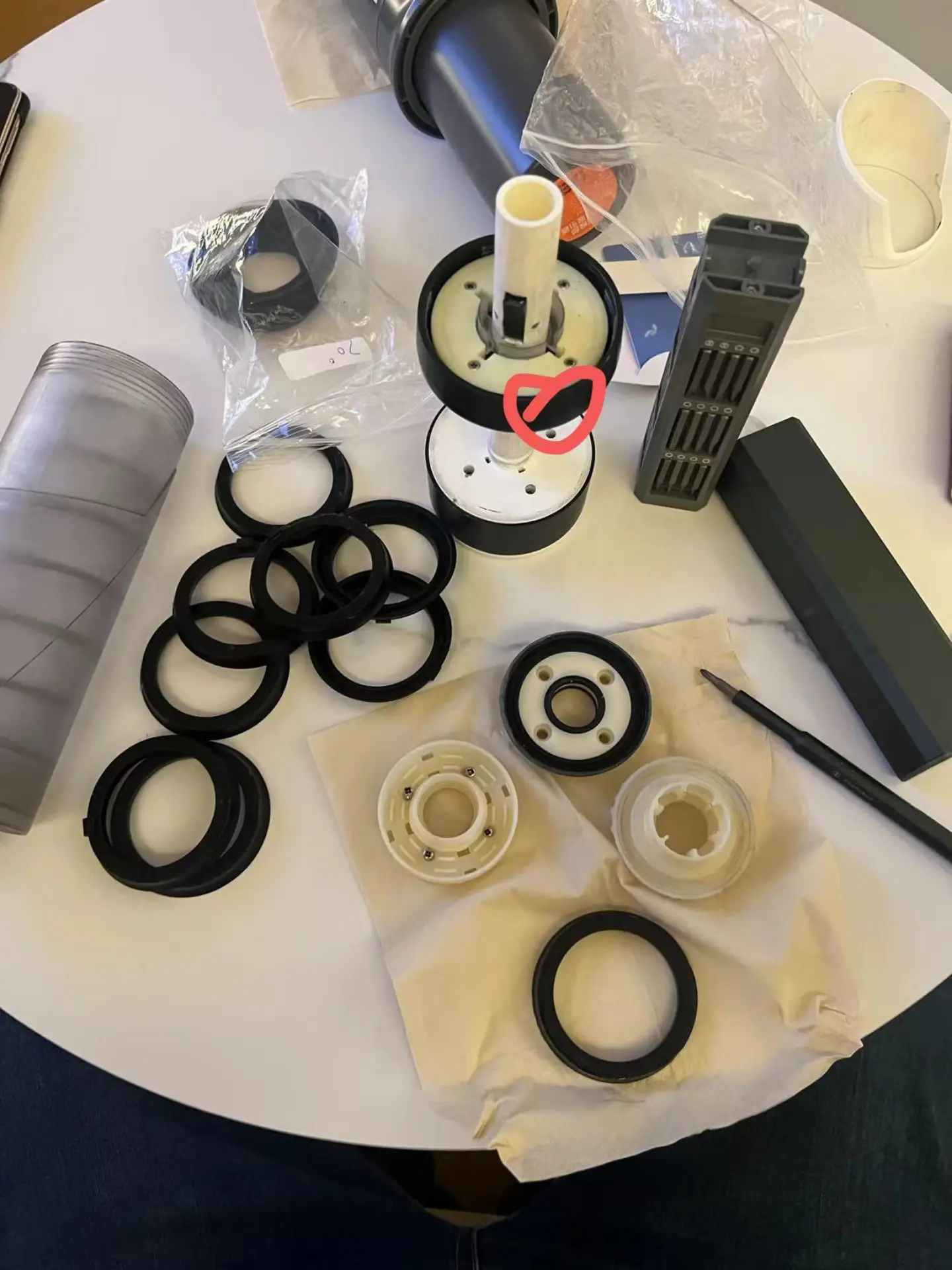
With the design frozen, OPD Design engineered precision molds for the device’s core components — housing, torsion spring assembly, and silicone mouthpiece. Material selection prioritized medical-grade biocompatibility and production efficiency. Mold flow analysis and trial runs ensured dimensional accuracy and surface finish quality, laying the groundwork for scalable manufacturing.
Step 6 — Manufacturing Support
OPD Design provided end-to-end manufacturing support, coordinating with qualified production partners in Shenzhen’s supply chain ecosystem. Activities included production line setup, first-article inspection, process validation, quality control protocols, and packaging for both retail and institutional distribution — ensuring the transition from prototype to volume production preserves the mechanical precision that defines the product.
Project Results
The anti-choking device project delivered a production-ready emergency medical device in approximately 14 months. The final product features a patent-pending torsion spring mechanism that generates directional airflow within 0.3 seconds — fast enough to clear an obstructed airway before irreversible harm occurs.
Unlike existing throat-insertion tools, the device uses a self-aligning medical-grade silicone mouthpiece (Shore A 40) that requires zero throat contact. In preliminary user trials, this non-invasive approach reduced psychological resistance by 63% compared to invasive alternatives.
OPD Design delivered the complete package: validated mechanical design, production-ready molds, retail and institutional packaging, and FDA compliance documentation. The client moved from field research to manufacturing readiness with a single development partner — no handoffs between vendors, no lost context between phases.
Project Data
Dimension | Details |
Industry | Emergency medical devices |
Services Provided | Product strategy · Industrial design · Mechanical design · Functional prototyping · Mold development · Manufacturing support |
Product Type | Purely mechanical anti-choking rescue device (zero electronics) |
Timeline | ~10 months (research to manufacturing readiness) |
Client Type | Medical technology startup, China-based |
Compliance | FDA medical device preparation |
Research Scope | 28 senior care facilities visited across China |
Incident Analysis | 137 documented choking cases reviewed |
Design Iterations | 27 concept variants evaluated via Pugh Matrix |
Manufacturing Base | Shenzhen, China — direct access to mold shops and component suppliers |
Frequently Asked Questions
How long did the full product development take?
The complete product development cycle—from initial research to manufacturing readiness—took approximately 14 months. This included field research, concept development, prototyping, testing, and production preparation.
Did OPD handle FDA compliance for this device?
Yes. Our product development services included FDA compliance preparation. We ensured the device design met relevant medical device requirements and prepared documentation for regulatory submission.
Can OPD develop similar emergency medical devices?
Will OPD Design sign an NDA before we share our device concept?
What does the cooperation process look like for a medical device project?
We start with a free consultation and NDA, then move through field research, concept development, detailed mechanical engineering, prototyping and human factors validation, FDA compliance preparation, and manufacturing support at our Shenzhen facility. Each phase has a clear review gate before the next one begins.
Featured Projects
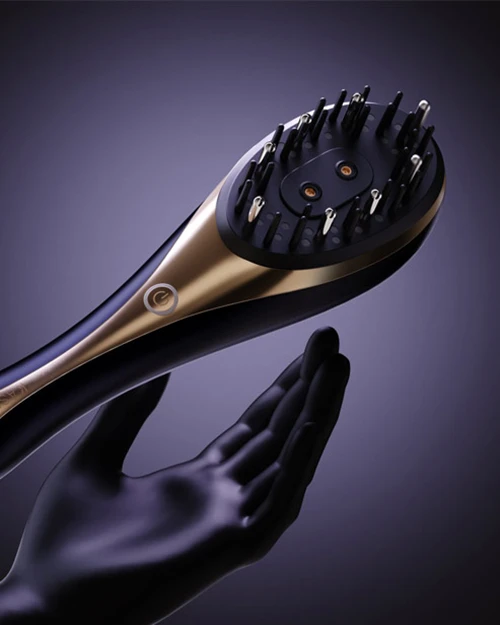
Smart Comb
A scalp care comb with a misting function, featuring an ergonomic design that combines style and practicality.
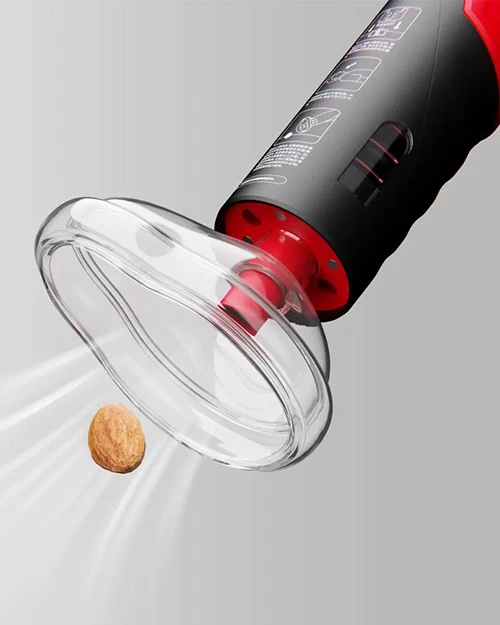
Anti-Choking Device
A home-use Heimlich maneuver device developed based on the principles of the Heimlich maneuver.
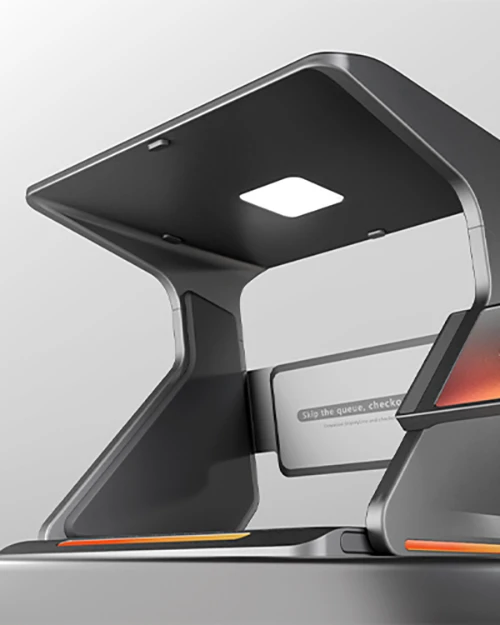
Self-Service Checkout System
These are the core devices supporting the "unmanned shopping" scenario and the key terminals for improving shopping efficiency.
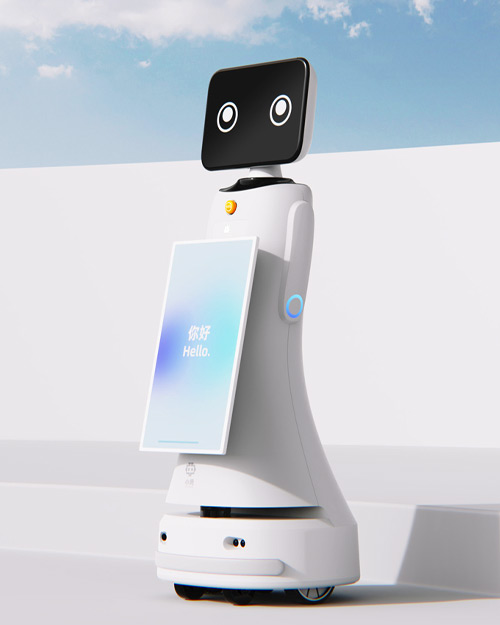
Care Robot
A care robot that integrates safety monitoring, daily assistance, and emergency response.
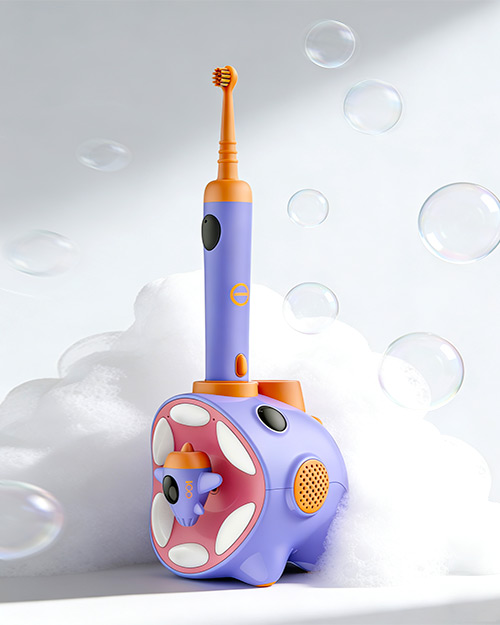
Kids Smart Toothbrush
Let children learn to brush their teeth independently in a fun way.
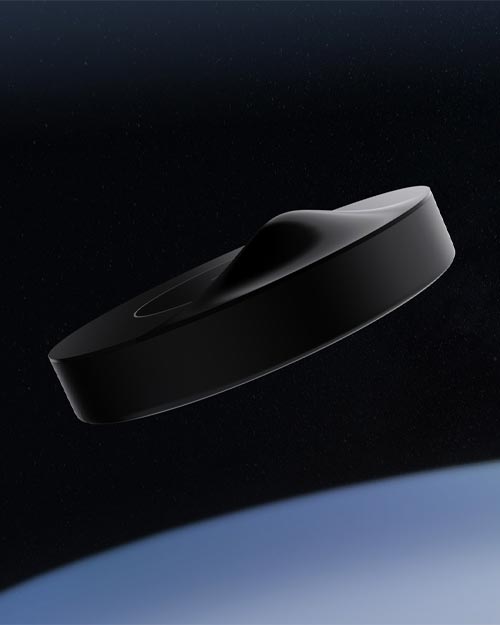
Sci-fi style electric ceramic stove
Spaceship-themed electric ceramic stove: a modern lifestyle.
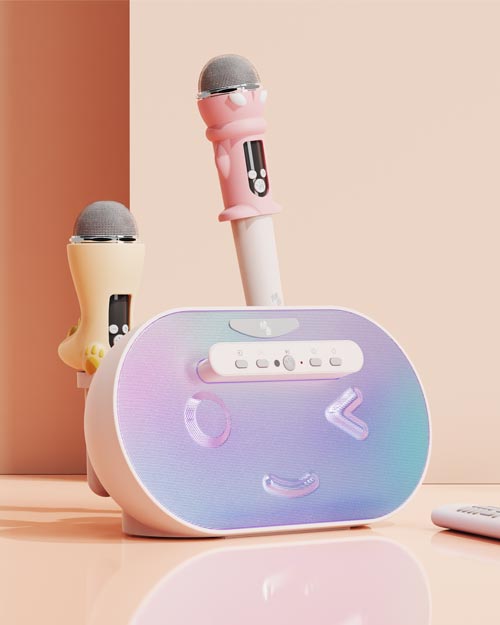
Children's KVT
Allowing children to learn through play and grow through learning.
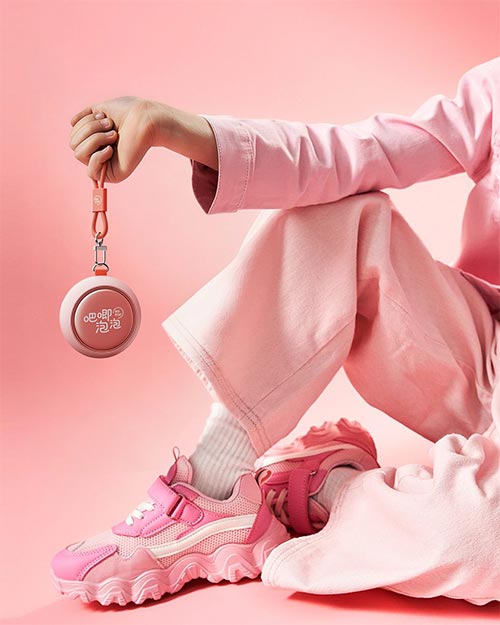
AI interactive terminal
This project uses AI to recognize NFC chips, match IP-specific audio effects, enabling “one Baji, one exclusive interaction”
Start Your Product Development Project
The anti-choking device project demonstrates how OPD Design takes medical devices from field research through manufacturing readiness. Whether you need concept development, prototyping, or full product development services, we can help.