
Titanium Teapot Development

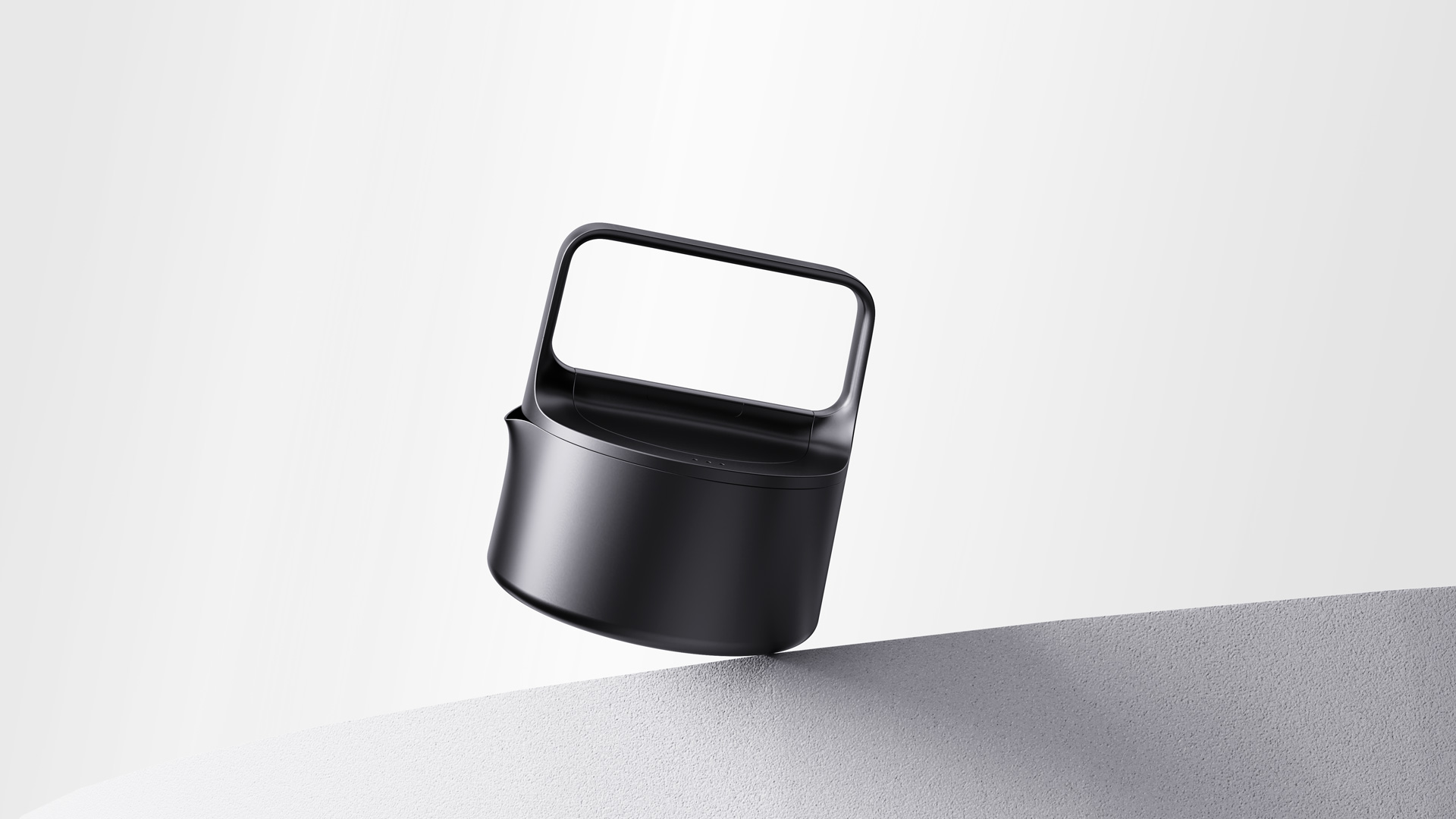
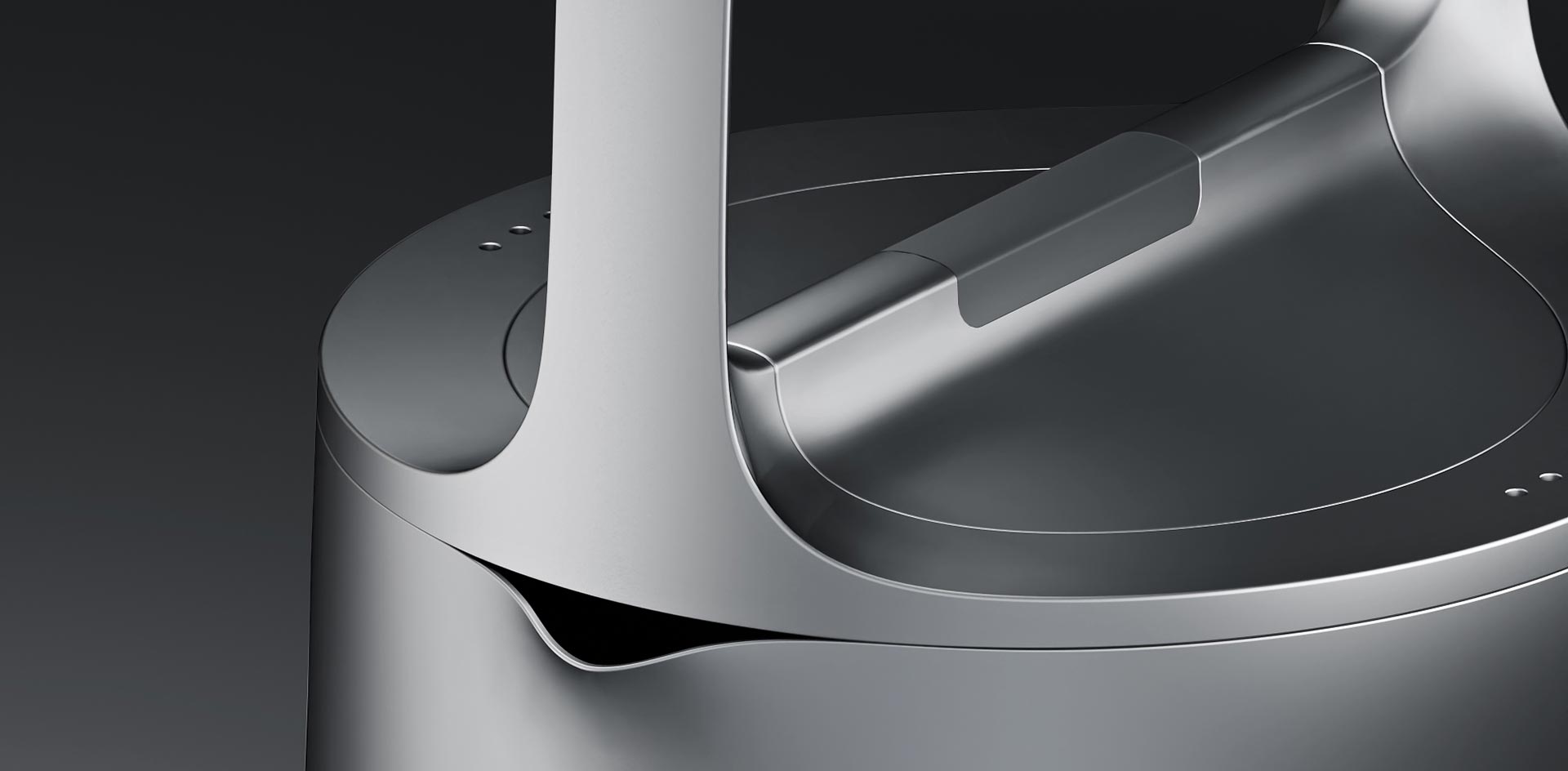
Titanium teapot development — top view of the black titanium teapot showing the handle and lid detail

OPD Design developed a titanium teapot for a China client, covering industrial design, mechanical engineering, material selection, prototyping, and mold development. The teapot uses a food-grade pure titanium inner liner with a double-layer vacuum structure for heat retention, and a lightweight form around 350g for comfortable daily use.

Project Background

A China client came to OPD Design with a concept for a titanium teapot that would combine material safety with a lightweight, premium feel for daily tea preparation. Traditional ceramic and glass teapots are fragile and can raise concerns about heavy metal leaching, so the client wanted a durable, food-grade titanium alternative suitable for home and travel use. Our role was to develop the teapot from industrial design through mechanical engineering, material selection, prototyping, tooling, and into mass production.

OPD DESIGN | Titanium teapot

Solution

OPD Design developed the titanium teapot around a food-grade pure titanium inner liner, formed through an integrated stamping process with no welding seams for easy cleaning and leak resistance. The material is naturally resistant to corrosion from long-term exposure to boiling water, giving the teapot an extended service life compared to traditional ceramic tea sets. The inner liner complies with applicable food-contact safety standards for consumer drinkware.

Lightweight insulated structure

The double-layer titanium vacuum structure keeps the outer layer cool to touch while retaining heat inside, and the whole kettle weighs around 350g for comfortable one-hand use during tea preparation. A micro-arc oxidation surface treatment gives the exterior a frosted metallic texture that can be engraved with traditional patterns such as landscapes or bamboo, blending modern material technology with cultural aesthetics.

Project Data

Services: Industrial design, Mechanical design, Material & component engineering, Functional prototyping, Mold development
Client country: China
Product type: Titanium teapot with vacuum insulation
Product stage: Mass produced
Industries: Drinkware, tea culture products, premium consumer goods
Deliverables: Design concept, structural engineering, material validation, functional prototype, tooling and production support

Our Titanium Teapot Development Process
Step 1-Product Definition & Market Research

We started by defining the product opportunity with the client: a premium titanium teapot for the China market that would address consumer concerns about material safety and fragility in traditional ceramic tea sets. Our team studied tea culture products, material options, and user expectations around weight, durability, and aesthetics, then set the direction around food-grade titanium, lightweight construction, and a clean cultural aesthetic.


Step 2-Industrial Design


The design team developed the teapot’s form through sketches, CMF studies, and 3D concepts. The silhouette balances a traditional teapot profile with a modern minimalist look, and the handle geometry was tuned for comfortable one-hand grip during tea preparation. Surface treatment options were explored to offer both a clean metallic finish and engraved traditional patterns.


Step 3-Mechanical (Structural) Engineering


Our engineers converted the concept into a manufacturable structure. We designed the double-layer vacuum insulation, the titanium inner liner geometry, the integrated stamping process for a seamless interior, and the lid-to-body fit for effective heat retention. The handle attachment, spout flow, and overall weight distribution were optimized for stable pouring and daily handling.


Step 4-Material & Component Engineering


We selected food-grade pure titanium for the inner liner and validated its corrosion resistance under repeated exposure to boiling water. The micro-arc oxidation surface treatment was developed to produce a durable frosted metallic texture that resists scratches and can be engraved with decorative patterns. Component sourcing for the titanium sheets, vacuum insulation materials, and lid seals was coordinated to ensure consistent quality.


Step 5-Functional Prototyping


We built functional prototypes using production-intent titanium components, vacuum insulation, and surface treatment to test the teapot as a complete product. Prototypes were evaluated for heat retention performance, handle ergonomics during pouring, spout flow control, surface durability, and the visual quality of engraved patterns. Findings from each round fed back into mechanical and material refinements before tooling.


Step 6-Mold Development


Our tooling engineers developed precision molds and stamping dies for the titanium inner liner and structural parts. We reviewed forming processes, parting strategies, and surface finish requirements to preserve the clean titanium appearance and the tight tolerances needed for the vacuum seal, then ran trials and adjusted the tooling until parts met the approved fit and finish.


Step 7-Supply Chain & Mass Production Support


We supported the product through to mass production by coordinating titanium material suppliers, component sourcing, and pilot runs within our China manufacturing network. Our team followed up on assembly quality, consistency of the vacuum insulation and surface treatment, production-line testing, and outgoing quality checks before volume shipment.

Developing a premium tea set or drinkware product that needs to balance material safety, lightweight construction, and a distinctive aesthetic? Send us your product idea — our team can take it from concept to a production-ready design.

Project Results

  • Delivered a food-grade pure titanium teapot with a seamless stamped inner liner and no welding seams
  • Achieved a lightweight form around 350g with double-layer vacuum insulation for heat retention
  • Applied micro-arc oxidation surface treatment with option for traditional pattern engraving
  • Completed functional prototyping and material validation before tooling
  • Supported mold development and mass production for the China market

Featured Projects

Frequently Asked Questions

1.What does titanium teapot development with OPD Design include?
Industrial design, mechanical engineering, material selection and validation, functional prototyping, mold development, and manufacturing support, depending on your project scope.
Titanium is lightweight, naturally corrosion-resistant to boiling water, and free from concerns about heavy metal leaching. It also offers a distinctive metallic aesthetic that differs from traditional ceramic tea sets.
Yes. For this project we selected food-grade pure titanium, validated its performance under repeated boiling, and developed the micro-arc oxidation surface treatment for a durable frosted finish.


Yes. For products moving to production, we manage tooling and stamping dies, titanium material sourcing, pilot runs, and production quality follow-up with our manufacturing network in China.
Contact us with your product idea, target market, and timeline. We will review feasibility and provide a scope proposal and quotation before any commitment.

Start Your Titanium Teapot Development Project

Working on a new titanium teapot, premium drinkware, or other material-focused consumer product? OPD Design combines industrial design, mechanical engineering, material expertise, and production support under one roof. Contact us to discuss your project and get a feasibility assessment.

Ready

Free Consultation

Inquiry Form