

Smart Ring Product Development
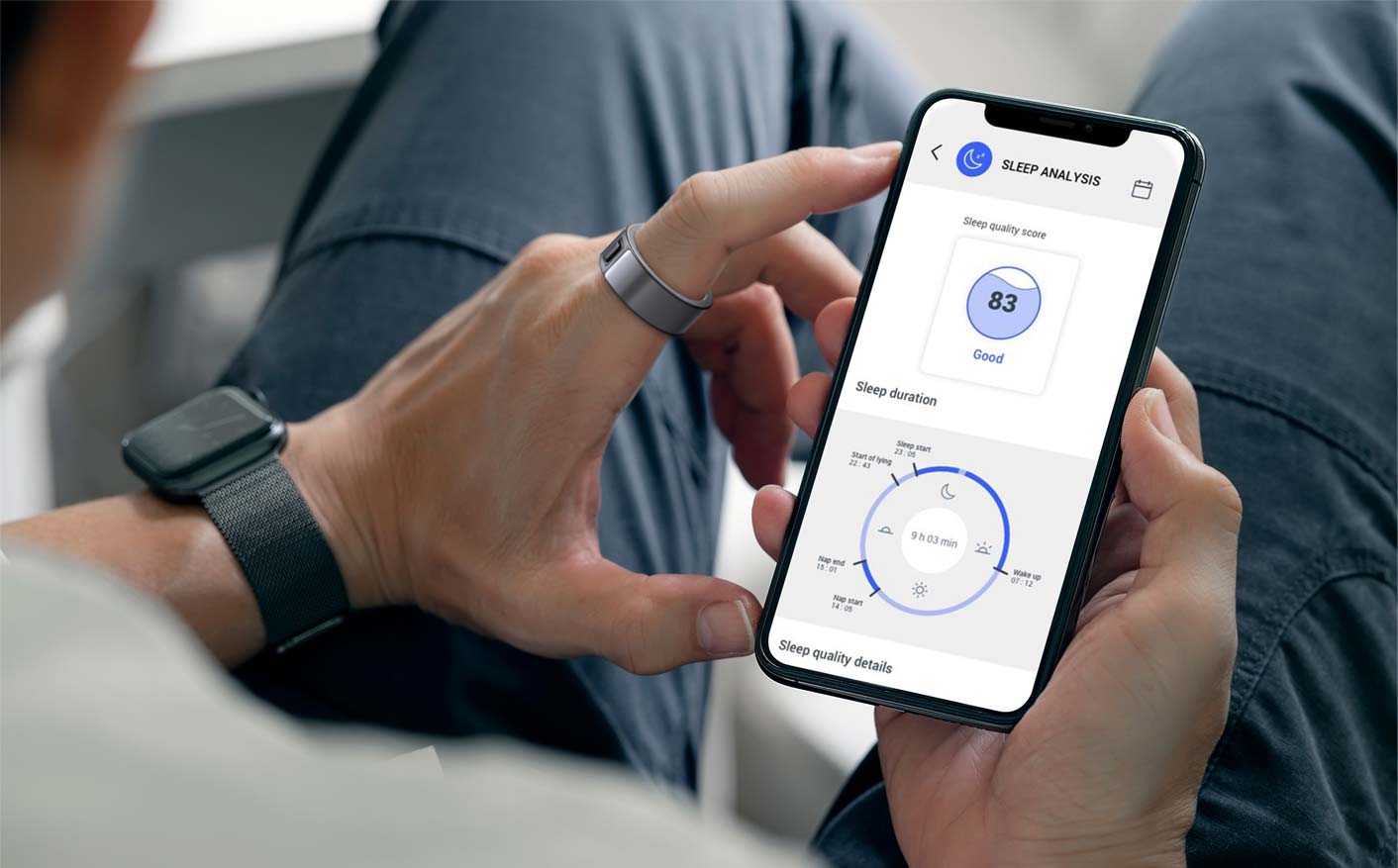
OPD Design delivered the smart ring product development — a health monitoring wearable featuring heart rate, sleep and body temperature tracking, titanium alloy construction, IP68 waterproof rating, and 7-day battery life. The project covered product definition, industrial design, structural design, prototyping, and mass production introduction for the global market.
Project Background
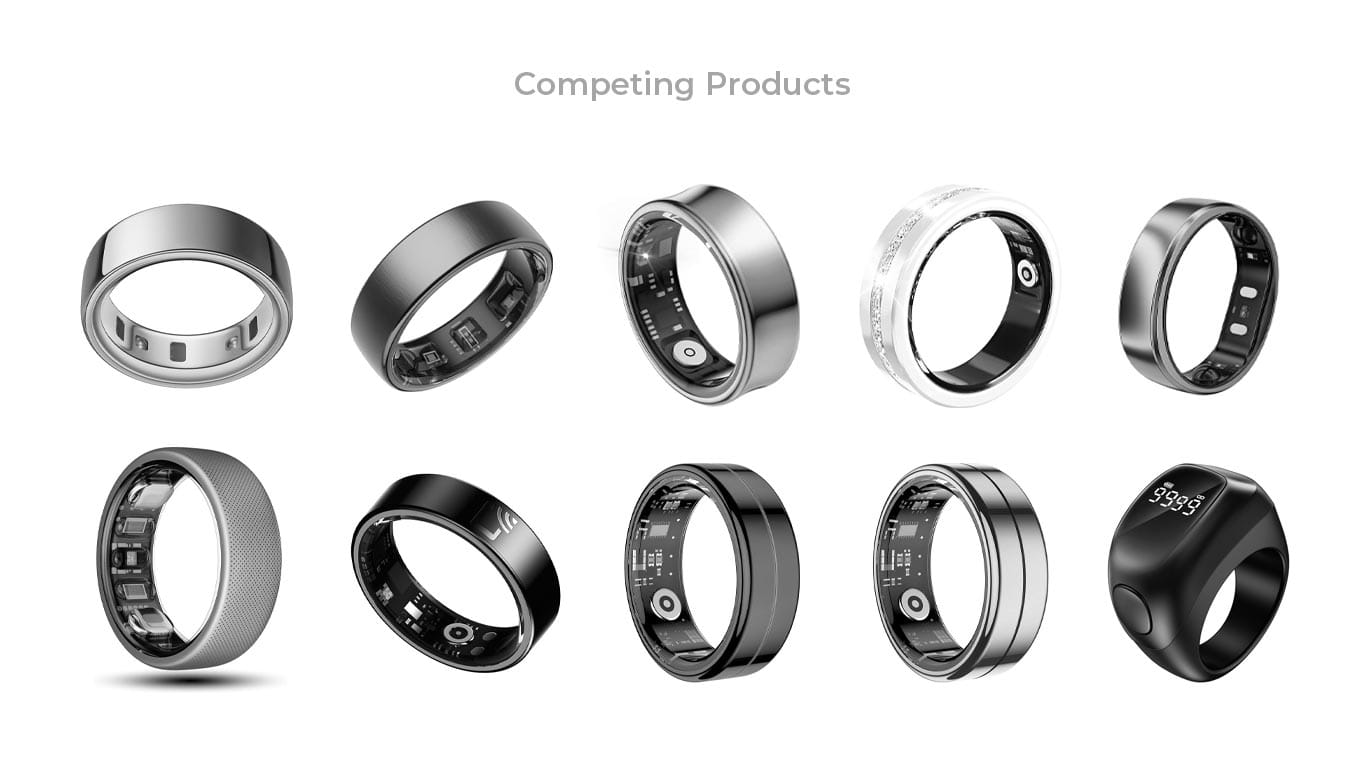
As wearable technology evolves toward invisible integration and continuous data acquisition, the smart ring is emerging as the next-generation health monitoring device. Compared to traditional smartwatches, smart rings offer superior wearing comfort and discretion while enabling continuous physiological data collection. The client for this project sought to develop a smart ring product targeting the global market, benchmarked against industry-leading products such as the Samsung Galaxy Ring. OPD Design led the full smart ring product development process, from product definition and concept design through to mass production.
Design Innovations
A. System Integration Under Extreme Spatial Compression
B. All-Day Wearing Comfort Optimization
C. Premium Jewelry-Grade Aesthetics
Product Development Process
Step 1.Product Definition
Step 2.Industrial Design
Step3.Mechanical Design
Step 4.Material and Process Selection
Titanium alloy was selected as the primary casing material to balance lightweight design with high structural strength. PVD coating and meticulous polishing delivered visual and tactile quality rivaling high-end jewelry standards. The inner ring utilizes medical-grade materials to ensure safety and comfort during prolonged skin contact.
Step 5.Functional Prototyping
Step 6.Mold Development
Step 7.Manufacturing
Prototyping & Mass Production Ramp-up
From Design to Real-World Product
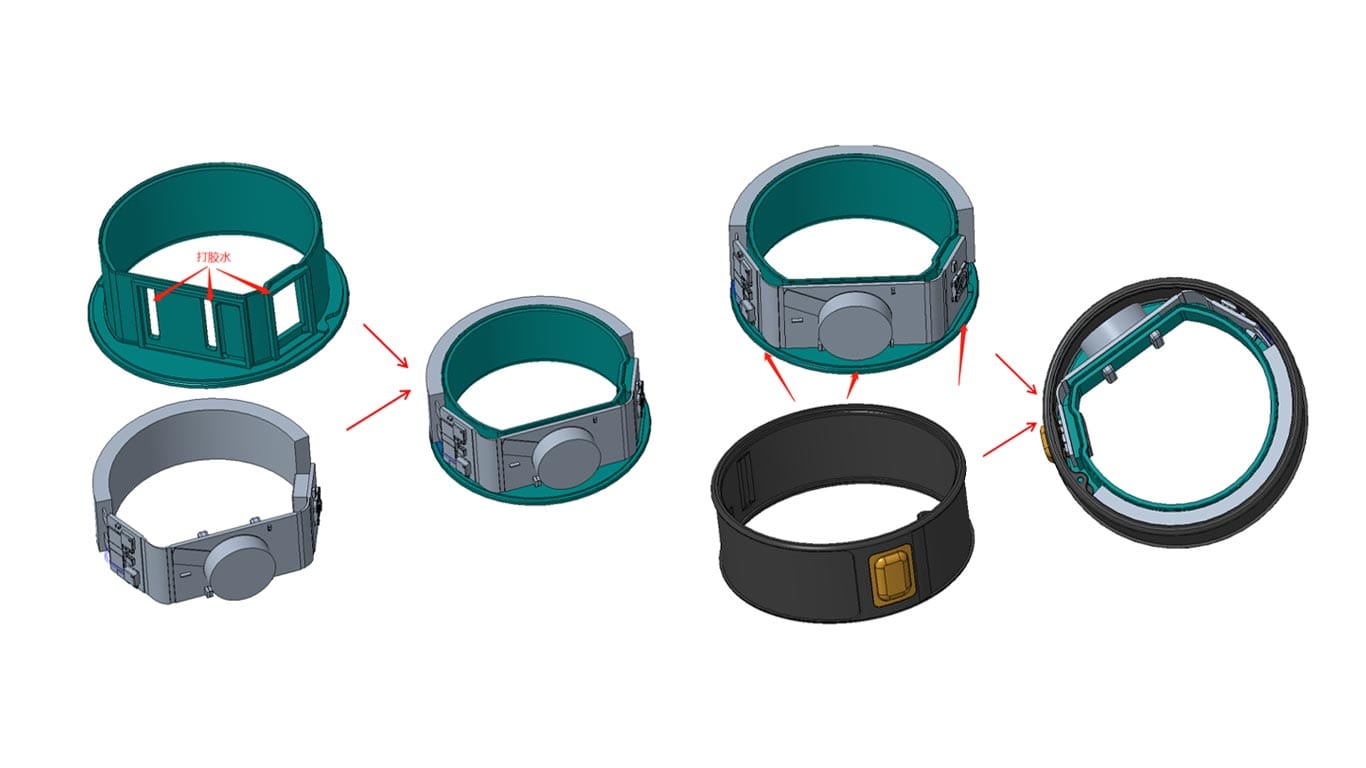
During the prototyping phase, OPD did not limit its efforts to mere aesthetic validation; instead, we simultaneously advanced the development of functional prototypes and wear-testing units, continuously refining product details through multiple rounds of iteration. Specifically, during sleep-scenario testing, we focused on validating wearing stability across various finger sizes, as well as the reliability of sensor-to-skin contact, thereby ensuring the accuracy of data acquisition.
Upon entering the mass production ramp-up phase, the project’s challenges shifted toward the manufacturing ecosystem. Given the product’s extremely compact dimensions, exceptionally high standards were demanded regarding mold precision, assembly consistency, and waterproof structural integrity. OPD addressed these requirements by establishing standardized DFM (Design for Manufacturability) processes, optimizing critical structural components, and developing specialized testing fixtures to enhance production line yield rates and product consistency. Concurrently, we established comprehensive protocols for sensor calibration and complete unit testing, thereby laying a solid foundation for the product’s large-scale mass production.
Project Data
Client Industry | Consumer electronics / Wearable technology
Product Category | Smart ring for health monitoring
Development Scope | Product definition, industrial design, structural design, prototyping, mass production introduction
Key Technical Challenges Solved | Extreme spatial compression for sensor integration, Bluetooth signal optimization in metal casing, IP68 waterproof construction, all-day comfort optimization
Development Timeline | Approximately 10-14 months from concept to mass production
Main Deliverables | Functional prototypes, production-ready CAD designs, mold tooling, sensor calibration protocols, manufacturing documentation
Compliance Standards | IP68 waterproof rating, medical-grade biocompatibility for skin contact materials, FCC/CE certification support
Project Results
Can OPD Design develop a smart ring with custom health monitoring features?
What is the typical smart ring product development process at OPD Design?
Our smart ring product development process includes seven key phases: (1) Product Definition — market research and requirements, (2) Industrial Design — appearance and user experience, (3) Structural Design — internal component integration, (4) Material and Process Selection — titanium alloy and medical-grade materials, (5) Functional Prototyping — testing and validation, (6) Mold Development — precision tooling, and (7) Manufacturing — quality control and mass production support.
How long does it take to develop a smart ring?
What is the estimated cost for smart ring product development?
How do I start a smart ring product development project with OPD Design?
Frequently Asked Questions
Ready to Start Your Product Development?
Featured Projects
Smart Comb
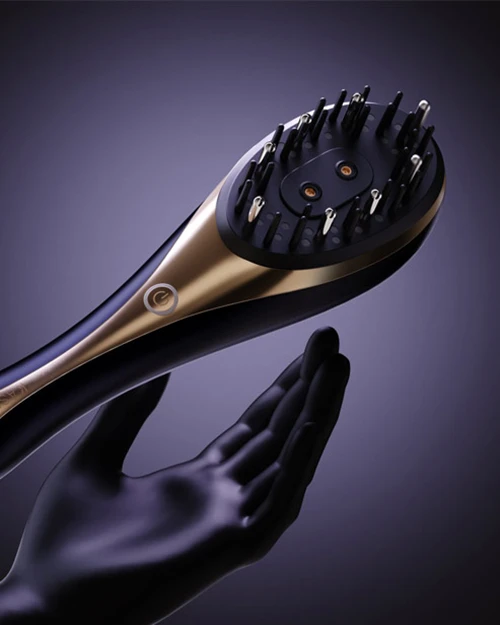
A scalp care comb with a misting function, featuring an ergonomic design that combines style and practicality.
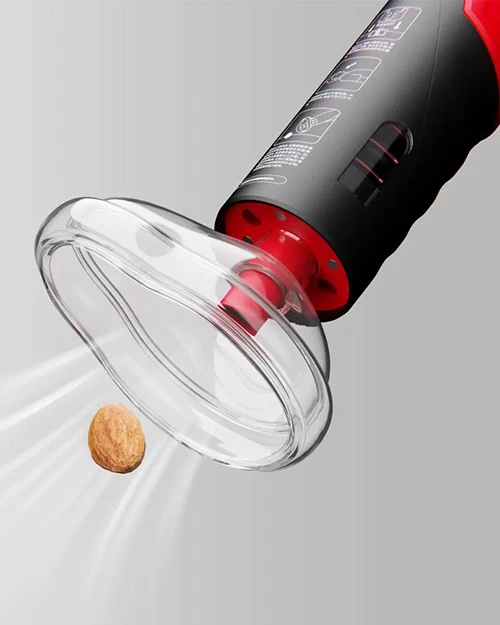
Anti-Choking Device
A home-use Heimlich maneuver device developed based on the principles of the Heimlich maneuver.
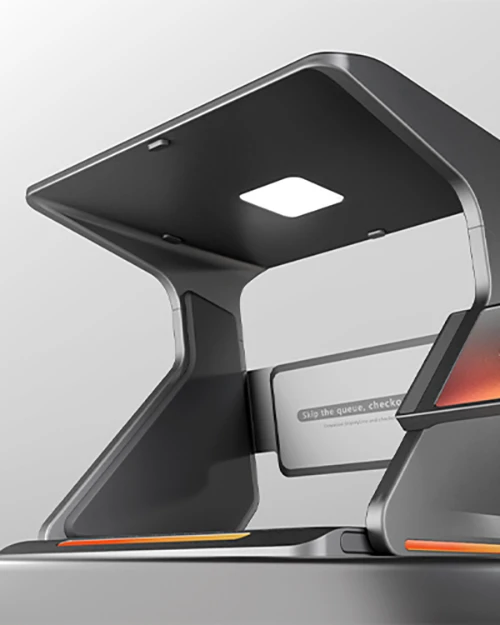
Self-Service Checkout System
These are the core devices supporting the "unmanned shopping" scenario and the key terminals for improving shopping efficiency.
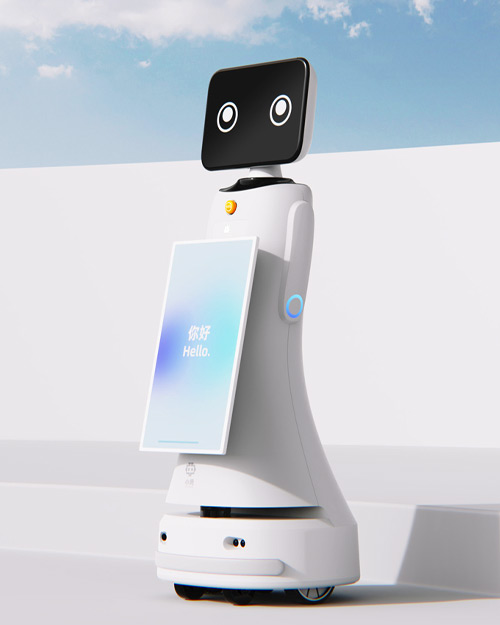
Care Robot
A care robot that integrates safety monitoring, daily assistance, and emergency response.
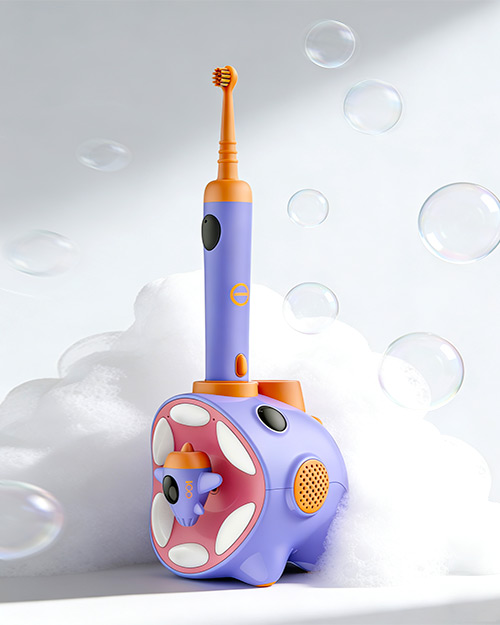
Kids Smart Toothbrush
Let children learn to brush their teeth independently in a fun way.
Sci-fi style electric ceramic stove
Spaceship-themed electric ceramic stove: a modern lifestyle.
Children's KTV
Allowing children to learn through play and grow through learning.

AI interactive terminal
This project uses AI to recognize NFC chips, match IP-specific audio effects, enabling “one Baji, one exclusive interaction”