

Electric Toothbrush Product Development
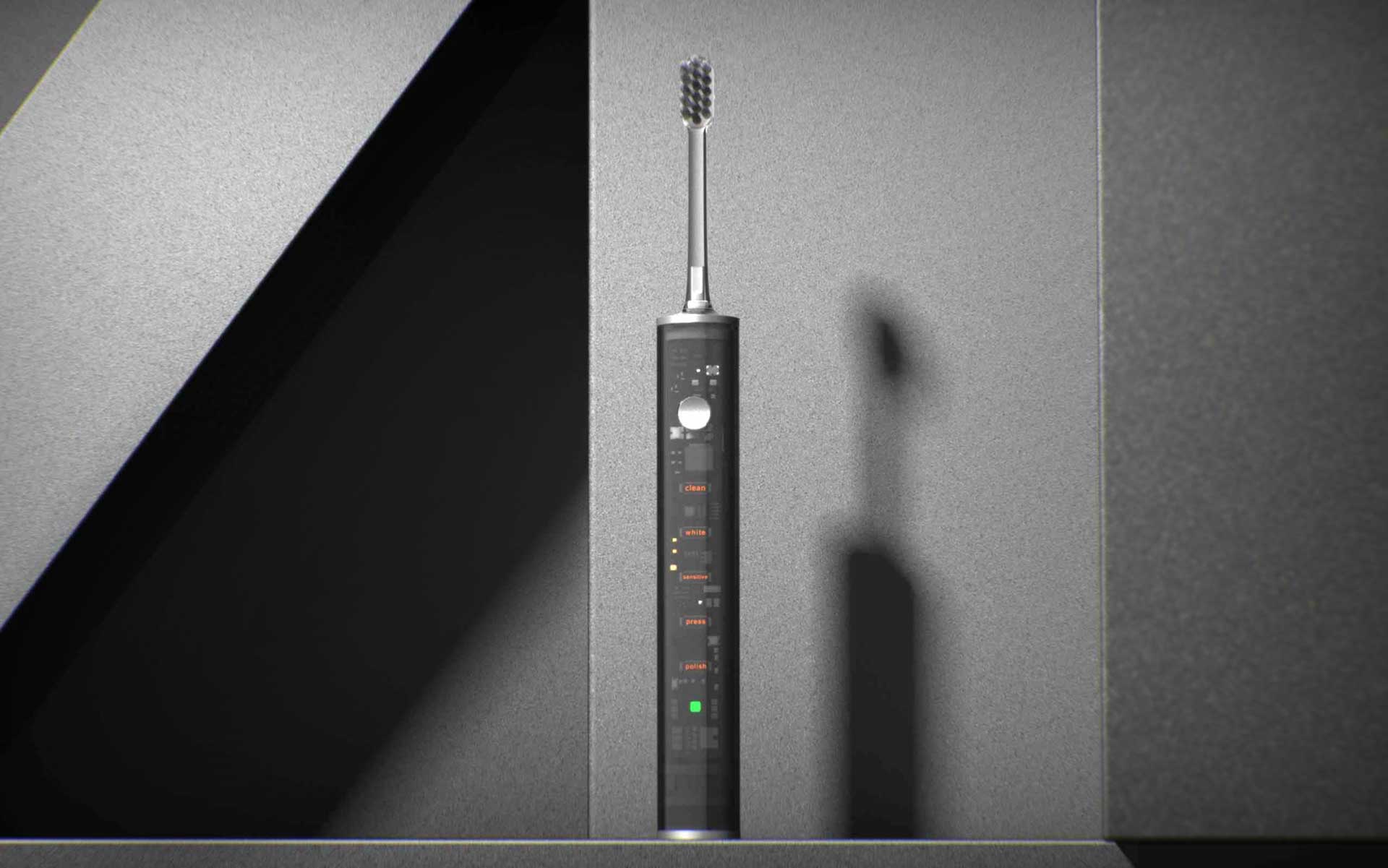
TL;DR: OPD Design delivered the electric toothbrush product development — an IPX7 waterproof, low-noise electric toothbrush designed for the Southeast Asian market. The project covered industrial design with cultural aesthetics, mechanical optimization, hardware and firmware development, prototyping, and mold development.
Project Background
The electric toothbrush market in Southeast Asia demands products that combine cultural relevance, reliable performance, and affordable pricing. Existing products often fail to address local aesthetic preferences or compromise on waterproofing and noise control. OPD Design led the full electric toothbrush product development process, from market research and concept design through to mass production, delivering a product that meets Southeast Asian consumer expectations while maintaining manufacturing cost efficiency.
Design Innovations
A. Southeast Asian Cultural Design
B. IPX7 Waterproof and Dust-Resistant Construction
C. High-Frequency Low-Noise Motor System

Product Development Process
Step 1-Product Strategy
We conducted in-depth market research on Southeast Asian consumer preferences, analyzing cultural aesthetics, price sensitivity, and feature priorities. This research informed the product requirements document, defining design direction, target price point, and key differentiators for the regional market.
Step 2-Industrial Design
The industrial design team created multiple concepts integrating Southeast Asian cultural elements with modern product aesthetics. After client review and user testing, the final design featured a streamlined form with refreshing colors that appeal to local consumers while maintaining manufacturing feasibility.
Step 3-Mechanical Design
Mechanical engineers optimized the internal structure to achieve high vibration frequency with minimal noise. The motor mounting system, gear train, and housing were designed for durability and user comfort. Detailed mold development requirements were documented to ensure production quality and cost control.

Step 4-Hardware and Firmware Development
Hardware development included electronic component selection, circuit board design, and driver development. The firmware team created the control program for brush operation modes, battery management, and safety protection. Integration testing ensured hardware and firmware stability and reliability.
Step 5-Functional Prototyping
Step 6-Mold Development
Step 7-Manufacturing
Project Data
Attribute | Details
Client Industry | Personal care / Oral hygiene appliances
Product Category | Electric toothbrush for Southeast Asian market
Development Scope | Industrial design, mechanical design, hardware, firmware, prototyping, mold development, manufacturing support
Key Technical Challenges Solved | IPX7 waterproof construction, high-frequency low-noise motor optimization, cultural aesthetic integration
Development Timeline | Approximately 8-10 months from concept to mass production
Main Deliverables | Functional prototypes, production-ready CAD designs, mold tooling, firmware, manufacturing documentation
Target Market | Southeast Asia (Thailand, Vietnam, Indonesia, Philippines, Malaysia)
Project Results
The electric toothbrush successfully launched in Southeast Asian markets, with the culturally-inspired design receiving strong positive feedback for its unique differentiation from Western-style competitors. The IPX7 waterproof construction proved reliable in humid bathroom environments, and the low-noise motor system achieved user satisfaction scores above 4.5/5 in post-launch surveys. The optimized mechanical structure enabled competitive pricing while maintaining quality standards, giving the client significant market competitiveness in the regional oral care segment.
Can OPD Design develop an electric toothbrush for a specific regional market?
What is the typical product development process at OPD Design?
Our product development process includes seven key phases: (1) Product Strategy — market research and requirements definition, (2) Industrial Design — appearance and user experience, (3) Mechanical Design — structural engineering, (4) Hardware and Firmware Development — electronics and control systems, (5) Prototyping and Testing — functional validation, (6) Mold Development — production tooling, and (7) Manufacturing — quality control and mass production support.
How long does it take to develop an electric toothbrush?
What is the estimated cost for electric toothbrush product development?
How do I start an electric toothbrush product development project with OPD Design?
Frequently Asked Questions
Ready to Start Your Product Development?
Featured Projects
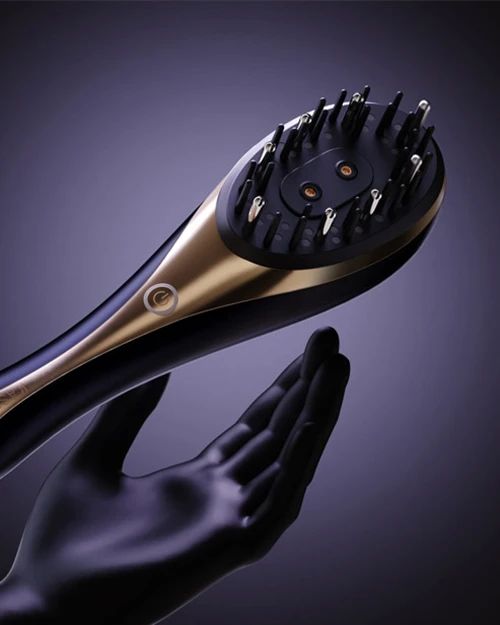
Smart Comb
A scalp care comb with a misting function, featuring an ergonomic design that combines style and practicality.
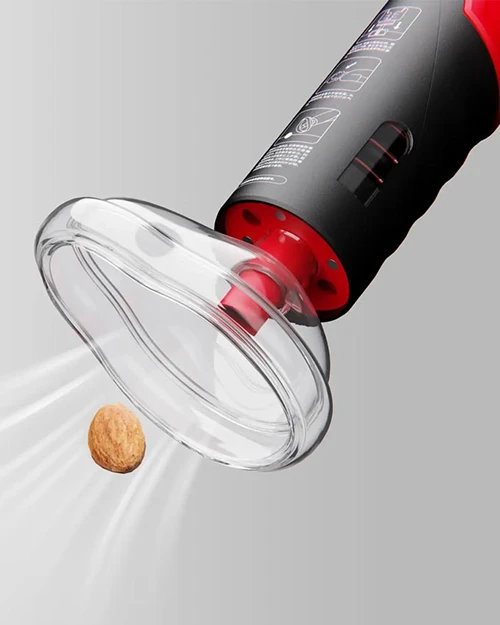
Anti-Choking Device
A home-use Heimlich maneuver device developed based on the principles of the Heimlich maneuver.
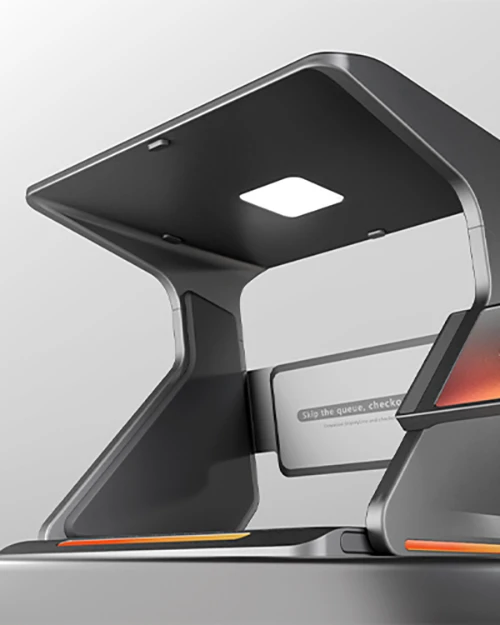
Self-Service Checkout System
These are the core devices supporting the "unmanned shopping" scenario and the key terminals for improving shopping efficiency.
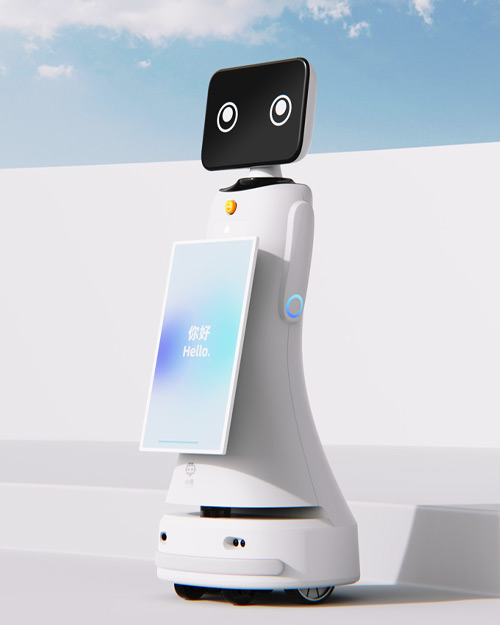
Care Robot
A care robot that integrates safety monitoring, daily assistance, and emergency response.
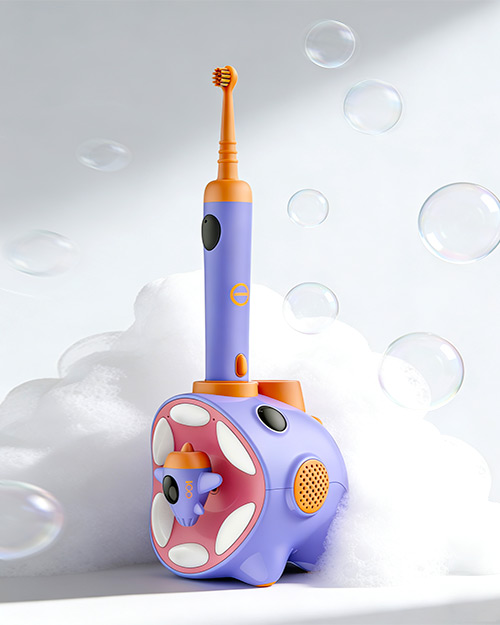
Kids Smart Toothbrush
Let children learn to brush their teeth independently in a fun way.
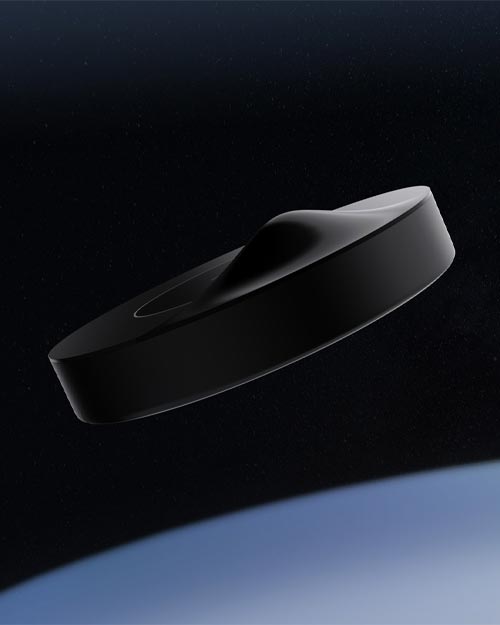
Sci-fi style electric ceramic stove
Spaceship-themed electric ceramic stove: a modern lifestyle.
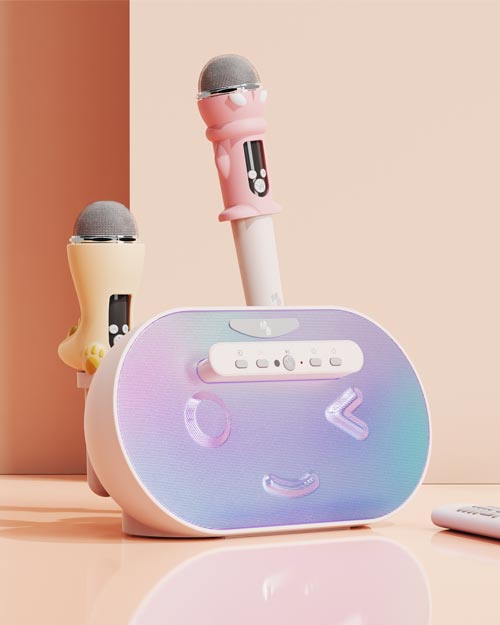
Children's KTV
Allowing children to learn through play and grow through learning.

AI interactive terminal
This project uses AI to recognize NFC chips, match IP-specific audio effects, enabling “one Baji, one exclusive interaction”