
Electric Tea Stove Development

Electric tea stove development — wide dark studio shot showing the mountain-shaped silhouette of the electric tea stove with indicator lights
OPD Design delivered an electric tea stove inspired by Chinese tea culture and mountain-landscape aesthetics. The project covered industrial design, mechanical and hardware engineering, firmware, functional prototyping, mold development, and manufacturing support, with a concealed infrared temperature sensor that stops heating automatically at 100°C.

Project Background

This electric tea stove project aimed to create a premium small kitchen appliance that brings traditional Chinese tea culture into modern product design. The China client wanted a stove that delivered reliable heating performance while carrying the visual language of Chinese landscape painting. OPD Design led the full development process, from concept and industrial design through mechanical and hardware engineering, firmware, prototyping, mold development, and manufacturing support.

Electric ceramic stove - infrared temperature detection system with auto shut-off at 100°C

Design Innovations

Tea-culture inspired industrial design

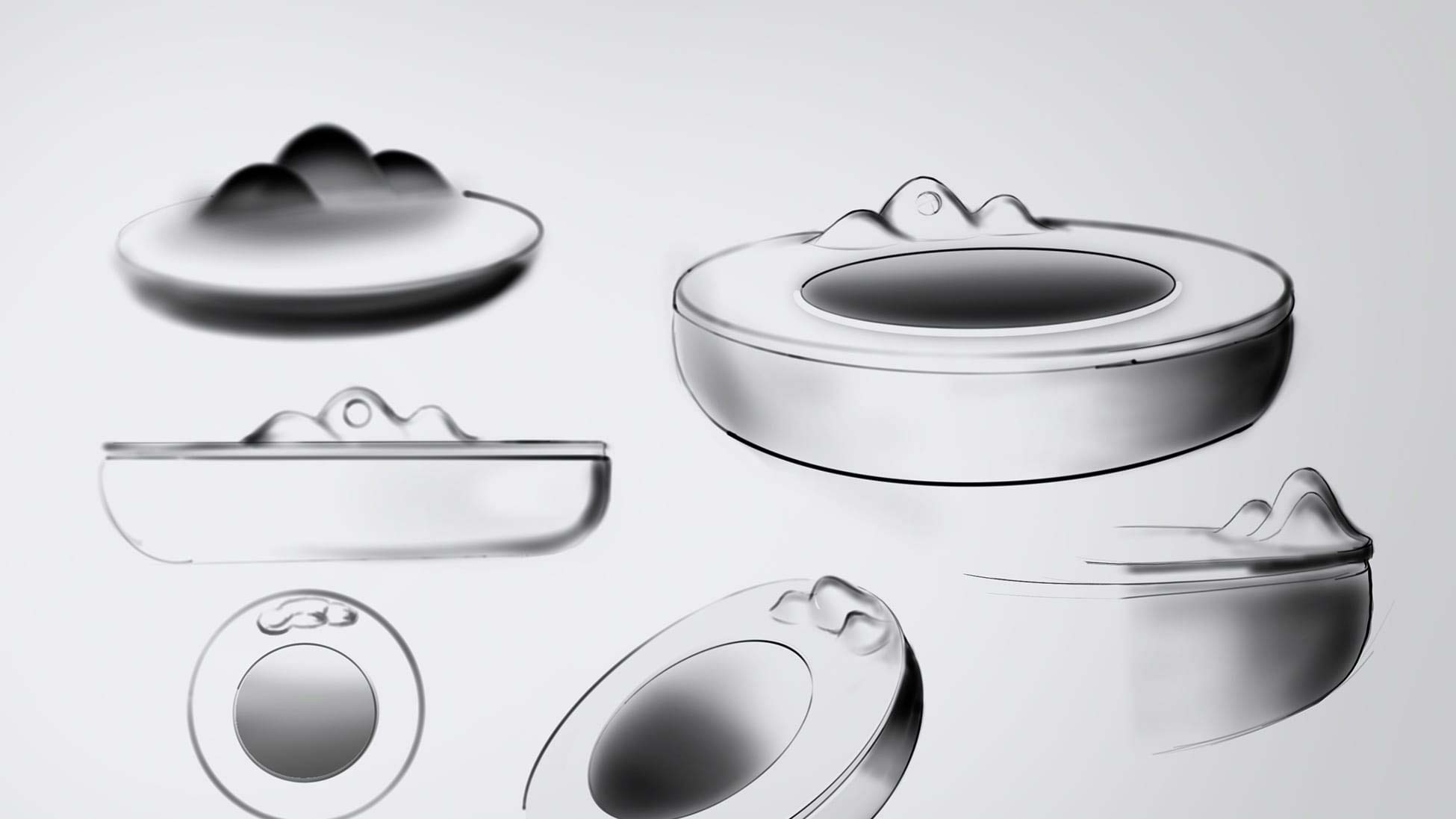
The stove’s silhouette draws from traditional Chinese mountain-and-water landscape paintings: the raised form evokes mountain peaks, while the transparent central window suggests a water surface. When heating, the element glows like rippling water, so the functional heating technology becomes part of the visual narrative rather than being hidden away.

Concealed infrared temperature detection

A pop-up infrared temperature sensor is integrated into the raised section instead of a conventional visible probe. It measures water temperature from 36°C to 100°C, and heating stops automatically once the water reaches 100°C for safer unattended tea preparation.

Project Data

Services: Industrial design, Mechanical design, Hardware design, Firmware design, Functional prototyping, Mold development
Client country: China
Product type: Smart electric tea stove with cultural design elements
Product stage: Mass produced
Industries: Small kitchen appliances, consumer electronics
Deliverables: Design concept, structural engineering, electronic controls, firmware, functional prototype, tooling and production support

Electric tea stove development — lifestyle scene of the tea stove with a glass teapot and cup against a mountain-landscape backdrop

Our Electric Tea Stove Development Process

Step 1-Product Definition & Market Research

We started by defining the product opportunity with the client: a premium electric tea stove for the China market that would honor traditional tea culture while meeting modern safety and performance expectations. Our team studied tea-making rituals, competitor appliances, and kitchen aesthetic trends, then set the direction around two differentiators — a mountain-landscape visual identity and intelligent, safe heating.

Step 2-Industrial Design

The design team developed the form through sketches, CMF studies, and 3D concepts, drawing on Chinese mountain-and-water landscape painting. The raised silhouette evokes mountain peaks, and the transparent central window symbolizes water; the heating element glows like rippling water when in use. A pop-up infrared sensor was integrated into the raised form to preserve the clean cultural aesthetic without a visible probe.

Step 3-Mechanical (Structural) Engineering

Our engineers converted the concept into a manufacturable, compact structure. We engineered the housing, the transparent window frame, the pop-up sensor mechanism, and a modular internal layout that positions the heating element, sensor, and electronics for efficient assembly and servicing. Heat distribution, insulation, and the seal around the transparent area were checked for reliable long-term operation.

Step 4-Hardware & Firmware Development

The electronics team developed the heating element control circuitry, the infrared temperature detection system covering 36°C to 100°C, and the automatic shut-off mechanism. Firmware reads the sensor, drives precise temperature control, and enforces the safety rule that stops heating automatically at 100°C. Components were selected for reliability and compliance with applicable kitchen-appliance safety standards.

Step 5-Functional Prototyping

We built functional prototypes combining the real housing, transparent window, heating element, sensor, and control board to validate the design as a complete product. Prototypes were tested for temperature detection accuracy, heating performance, auto shut-off behavior, and the visual “rippling water” effect of the heating wire. Each iteration refined both the aesthetic and engineering details before tooling.

Step 6-Mold Development

Our tooling engineers developed precision molds for the stove housing, the transparent window frame, and internal structural parts. We reviewed draft angles, parting lines, gate positions, and cooling to protect the clean landscape-inspired surfaces and the clear window finish, then ran T0/T1 trials and adjusted the tools until parts met the approved fit and appearance.

Step 7-Supply Chain & Mass Production Support

We supported the product through to mass production with supplier coordination, pilot runs, and assembly optimization in our China manufacturing network. Our team followed up on quality-control inspections, consistency of the sensor and auto shut-off performance, and production-line testing before volume shipment, helping the client move from validated prototype to a stable retail product.

Developing a small kitchen appliance that blends a distinctive cultural aesthetic with smart sensing and safety features? Send us your product idea — our team can take it from concept to a production-ready design.

Project Results

  • Delivered a tea-culture inspired stove with a mountain-landscape silhouette and “rippling water” heating effect
  • Integrated a concealed pop-up infrared temperature sensor measuring 36°C to 100°C
  • Achieved automatic shut-off at 100°C for safer unattended tea preparation
  • Completed functional prototyping and validation of heating, sensing, and visual effects before tooling
  • Developed precision tooling and supported the product through to mass production for the China market

Featured Projects

Frequently Asked Questions

1.What does electric tea stove development with OPD Design include?
Industrial design, mechanical engineering, electronic hardware and firmware development, functional prototyping, mold development, and manufacturing support, depending on your project scope.
Yes. Our industrial designers, mechanical and electronics engineers, and tooling teams work together, so a product can move from first concept through engineering, prototyping, molds, and production support without changing vendors.
Most small kitchen appliance projects take several months from concept to mass production, depending on design complexity, sensor integration, and certification requirements. We provide a detailed milestone schedule at project kickoff.


Yes. For this tea stove we developed the infrared temperature detection system, heating control circuitry, and firmware that stops heating automatically when water reaches 100°C.
Contact us through our website or email with your product idea, target market, and timeline. We will review feasibility and provide a scope proposal and key milestones before any commitment.

Start Your Electric Tea Stove Development Project

Working on a new electric tea stove, ceramic cooker, or other small kitchen appliance? OPD Design combines industrial design, mechanical and hardware engineering, firmware, and production support under one roof. Contact us to discuss your project and get a feasibility assessment.

Ready

Free Consultation

Inquiry Form