

Curved Ceramic Cooktop Development
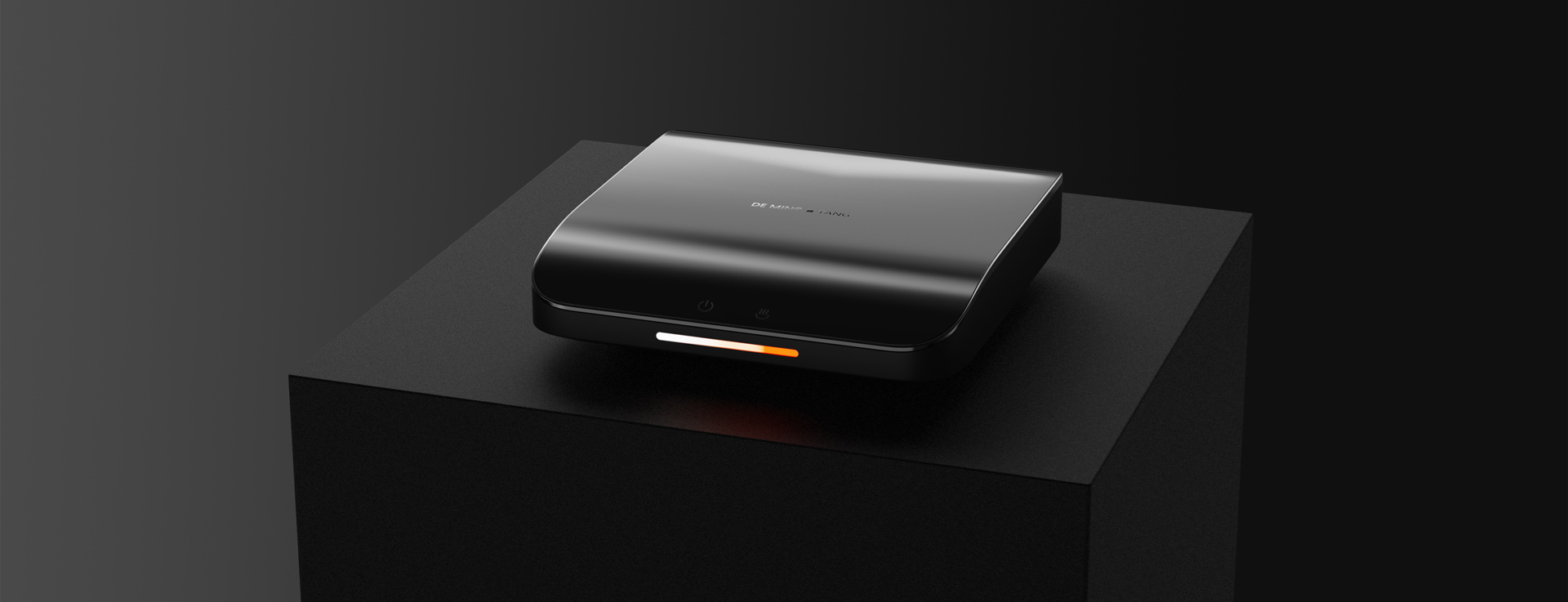
OPD Design developed a curved ceramic cooktop for a China client, covering industrial design, mechanical engineering, electronics, prototyping, and packaging. The one-piece curved tempered glass surface, energy-concentrating ceramic heating plate, and invisible touch controls combine a decorative look with focused heating and easy cleaning.
Project Background
A China client came to OPD Design with a concept for a small electric ceramic cooktop that would look different from the flat, utilitarian products already on the market. The goal was a curved glass appliance with a softer, decorative appearance for modern kitchens, without giving up heating performance or easy cleaning. Our role was to develop the product from the curved glass concept through engineering, electronics, prototyping, packaging, and into mass production.
Solution
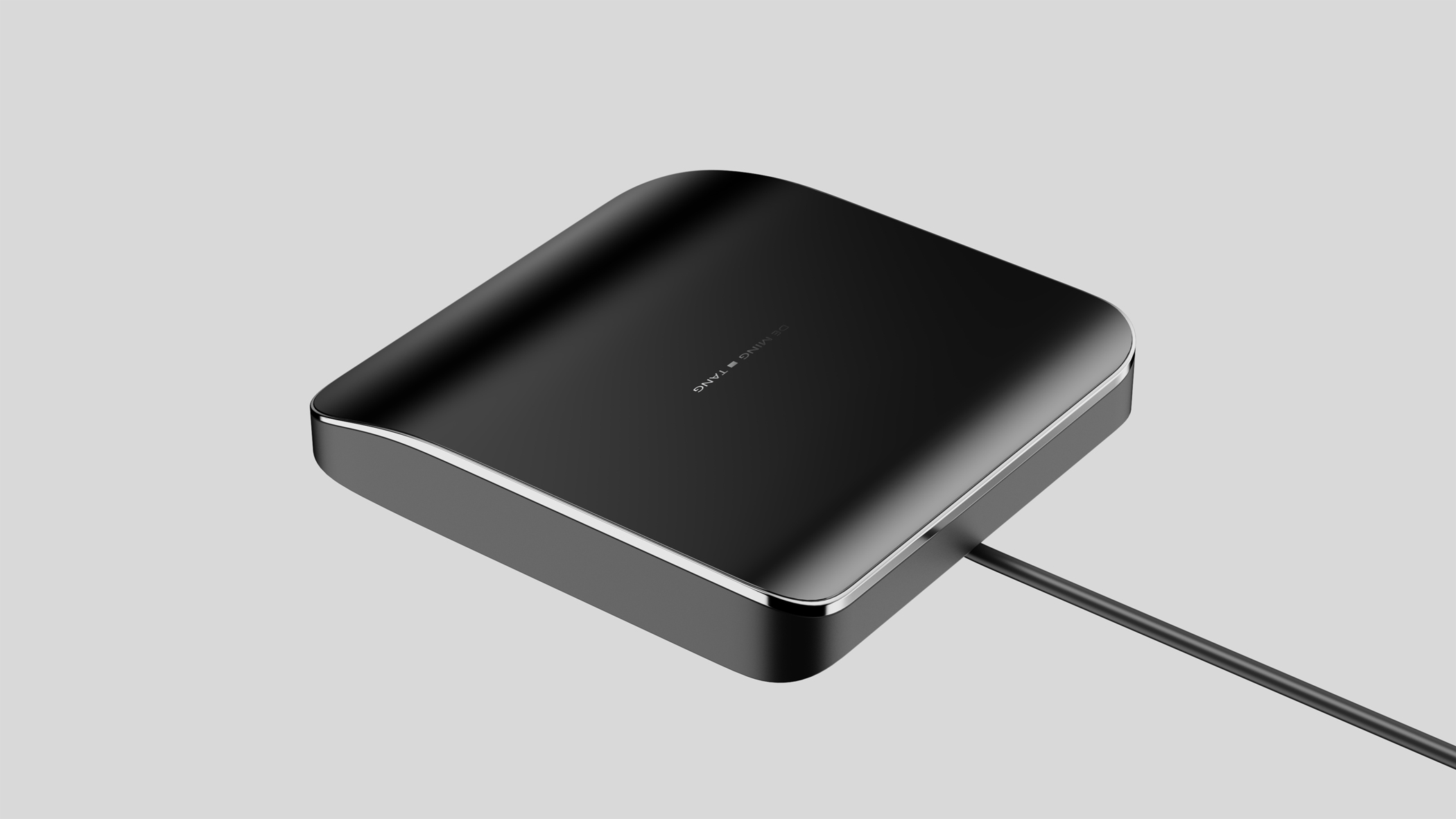
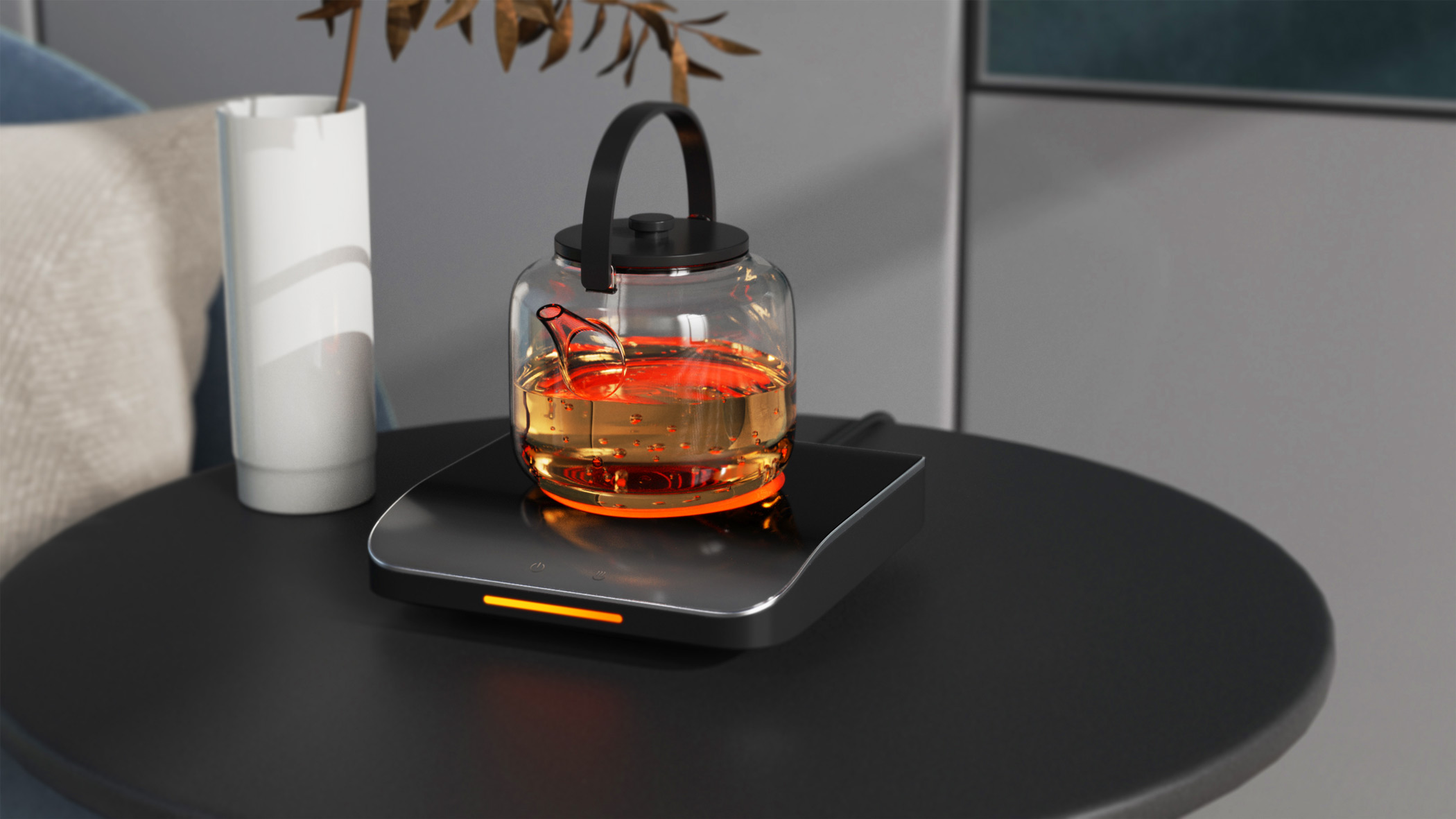
OPD Design developed the curved ceramic cooktop around a seamless one-piece tempered glass panel, so the surface has no joints where spills can collect and is quick to wipe clean. Beneath the curved glass, a microcrystalline ceramic heating plate follows the shape of the panel, and an energy-concentrating structure directs heat upward for focused, responsive heating rather than letting it spread sideways. Invisible touch controls are embedded directly into the glass for power adjustment with anti-mistouch logic. The lightweight body rests on a non-slip base for stable use on kitchen counters and tabletops, and the curved exterior is offered in gradient finishes that fit modern home interiors.
Project Data
Services: Industrial design, Mechanical design, Hardware design, Functional prototyping, Packaging design
Client country: China
Product type: Curved glass electric ceramic cooktop
Product stage: Mass produced
Industries: Small kitchen appliances, consumer electronics
Deliverables: Design concept, structural engineering, electronic controls, functional prototype, packaging, tooling and production support
Our Curved Ceramic Cooktop Development Process
Step 1-Product Definition & Market Research
Step 2-Industrial Design
Step 3-Mechanical (Structural) Engineering
Step 4-Hardware & Firmware Development
Step 5-Functional Prototyping
Step 6-Mold Development
Step 7-Supply Chain & Mass Production Support
Developing a wearable health or beauty device that combines infrared emitters, thermal management, and comfortable ergonomics? Send us your product idea — our team can take it from concept to a production-ready design.
Project Results
- Delivered a seamless one-piece curved tempered glass surface with no joints for spills to collect
- Integrated a curved microcrystalline ceramic heating plate with an energy-concentrating structure for focused heating
- Embedded invisible touch controls with anti-mistouch logic directly into the glass
- Achieved a lightweight, non-slip portable form for kitchen counter and tabletop use
- Completed functional verification of heating, thermal cycling, touch response, and stability before production
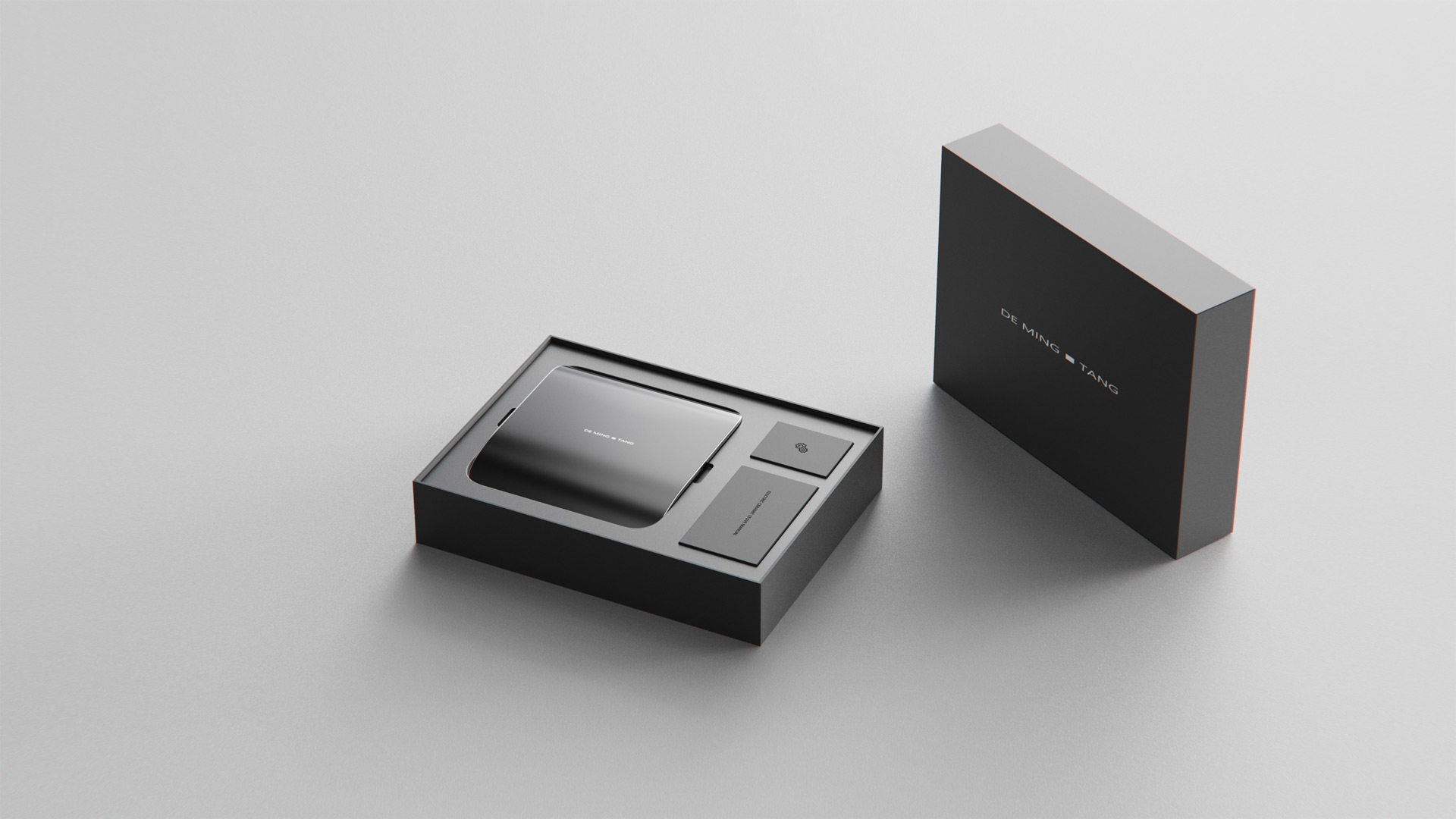
- Delivered gradient finish options and matching retail packaging, and supported the product into mass production
Featured Projects
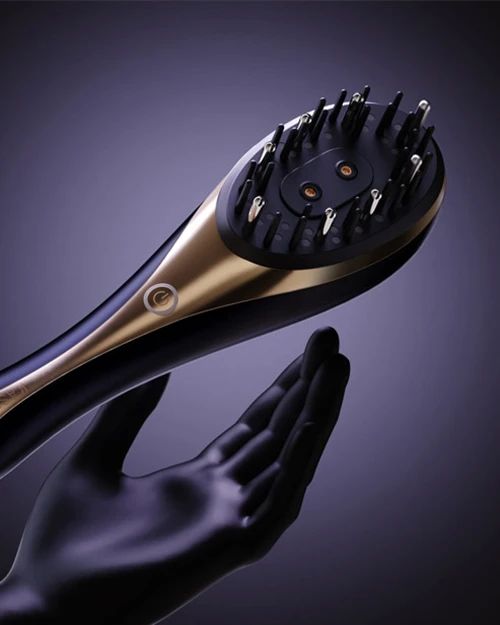
Smart Comb
A scalp care comb with a misting function, featuring an ergonomic design that combines style and practicality.
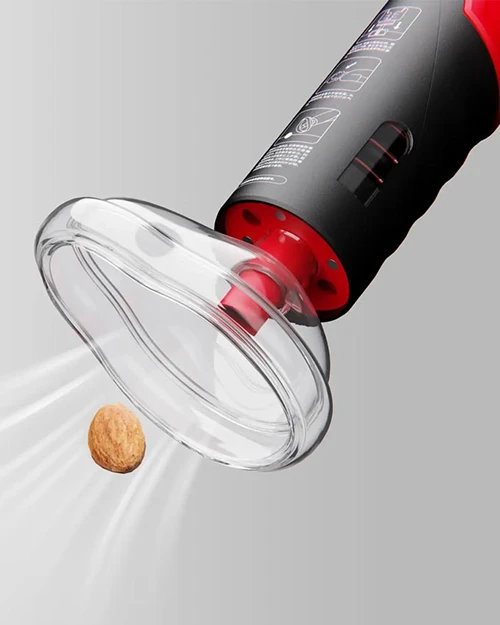
Anti-Choking Device
A home-use Heimlich maneuver device developed based on the principles of the Heimlich maneuver.
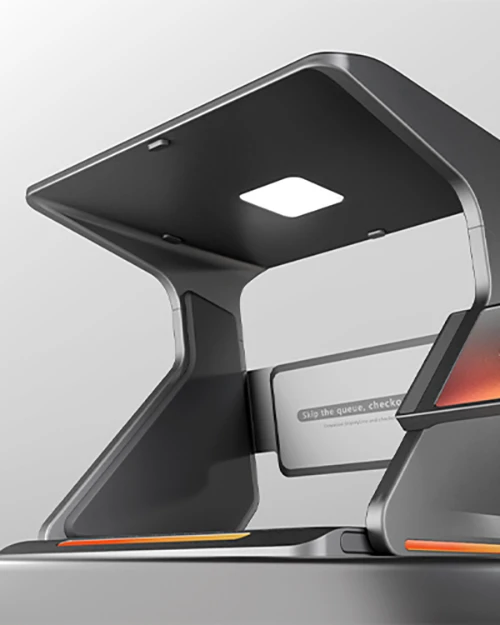
Self-Service Checkout System
These are the core devices supporting the "unmanned shopping" scenario and the key terminals for improving shopping efficiency.
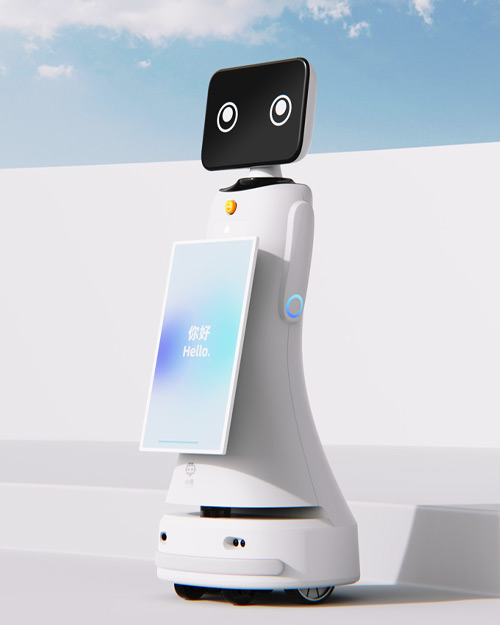
Care Robot
A care robot that integrates safety monitoring, daily assistance, and emergency response.

Kids Smart Toothbrush
Let children learn to brush their teeth independently in a fun way.
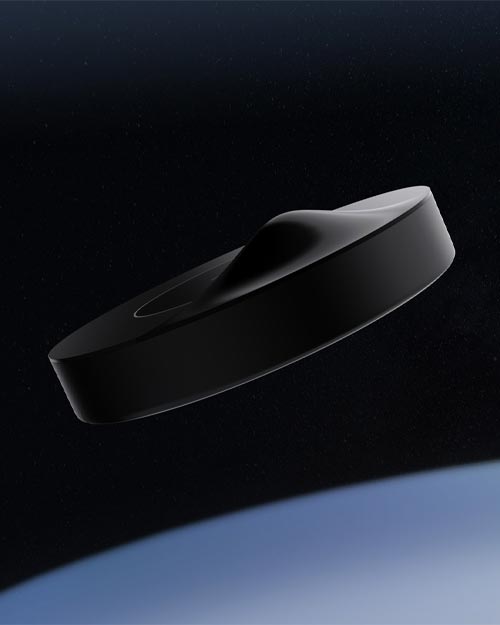
Sci-fi style electric ceramic stove
Spaceship-themed electric ceramic stove: a modern lifestyle.
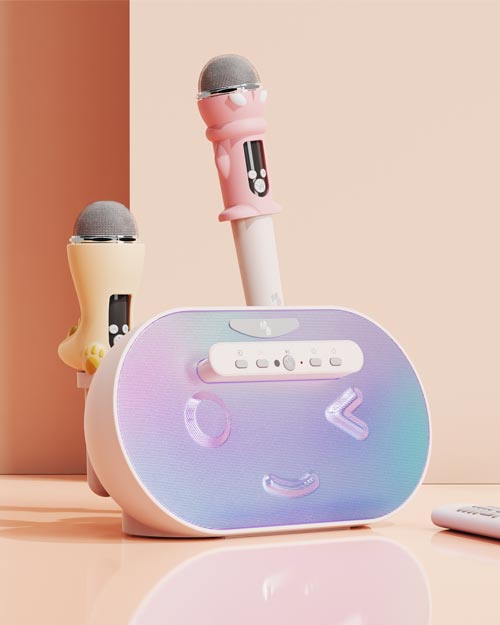
Children's KTV
Allowing children to learn through play and grow through learning.

AI interactive terminal
This project uses AI to recognize NFC chips, match IP-specific audio effects, enabling “one Baji, one exclusive interaction”
Frequently Asked Questions
1.What does curved ceramic cooktop development with OPD Design include?
2.What is the difference between a ceramic cooktop and an induction cooktop in development?
3. Can OPD Design handle the glass forming and electronic controls together?