
A good IoT products strategy answers who the device is for, how it connects, and how it will earn money before any design starts. An IoT device has four layers: hardware, connectivity, cloud, and app. Teams that plan all four together, along with security and compliance, ship faster and avoid costly redesigns.
IoT products strategy is the plan that sits behind every successful connected device. Many founders begin with a gadget idea and a few sensors. They find out later that the app, the cloud, the battery, and the rules for radio products all need a decision too. At OPD Design, we help clients make those decisions early. This guide covers what to know before you build an IoT device, from the first plan to the first tested unit.
The Short Answer
An IoT device is a physical product that collects data, connects to a network, and works with software. That makes it harder to build than a standard gadget. You must get the hardware, the code, and the service right at the same time.
Before you build, you need clear answers to five questions:
- Who is the user, and what problem does the device solve?
- What data does it collect, and where does that data go?
- How does it connect: Wi-Fi, Bluetooth, cellular, or another link?
- How long must the battery last?
- How will the product make money after the sale?
A strong IoT products strategy answers these questions in writing. The sections below show how.
Start With IoT Products Strategy
Strategy comes before sketches and before schematics. Our IoT products strategy work helps teams set the direction while changes are still cheap.
Define the Problem and the User
A connected device must earn its place. Ask whether the product really needs a network. A smart feature that nobody uses adds cost, battery drain, and risk.
Describe the user in plain terms. Where do they use the device? Who sets it up? What happens when the Wi-Fi drops? Good IoT products strategy treats these moments as design inputs, not edge cases.
Plan the Business Model
Connected products have costs after the sale. Cloud hosting, app updates, and support all continue for years. Decide early how you will pay for them.
Common models include:
- A one-time device sale with free basic features
- A device sale plus a paid subscription
- A device given at low cost, with revenue from a service
Your model shapes your IoT products strategy. A subscription product needs reliable data and a strong app. A one-time sale needs a low running cost per user.
Set Cost and Timeline Targets
Write the target retail price on day one. Work back to the cost of parts, assembly, packaging, and cloud service per user. This habit keeps the feature list honest.
Add a timeline too. A standard smart device project at OPD Design takes about 6 to 10 months from idea to mass production. Treat that as a planning range. A device with a complex app or new sensors may take longer.
The Four Layers of an IoT Product
Every IoT product has four layers. Each one needs an owner and a plan.
| Layer | What it does | Key decisions |
|---|---|---|
| Device | Senses, acts, and processes | Chip, sensors, battery, shell |
| Connectivity | Moves data | Wi-Fi, Bluetooth, cellular, or other |
| Cloud | Stores and processes data | Hosting, data rules, updates |
| App | Gives users control | Setup, alerts, account login |
A weak layer breaks the whole experience. A great device with a poor setup app gets bad reviews. A great app on an unreliable device does the same.
IoT Hardware Design: What to Decide Early
IoT hardware design sets the limits for everything above it. Our IoT hardware design team works on the circuit boards, the sensors, the power system, and the wireless modules. A few early choices matter most.
Chip and Sensors
The chip sets processing power, memory, power use, and cost. Pick one that fits your features today and leaves some room to grow. A chip that is too small blocks later updates. A chip that is too large wastes money on every unit.
Choose sensors for accuracy, size, and power use. Test them in real conditions, not only on a desk.
Power and Battery
Battery life is a top complaint in connected products. Plan the power budget before you finalize features. Wireless links, screens, and motors use the most energy.
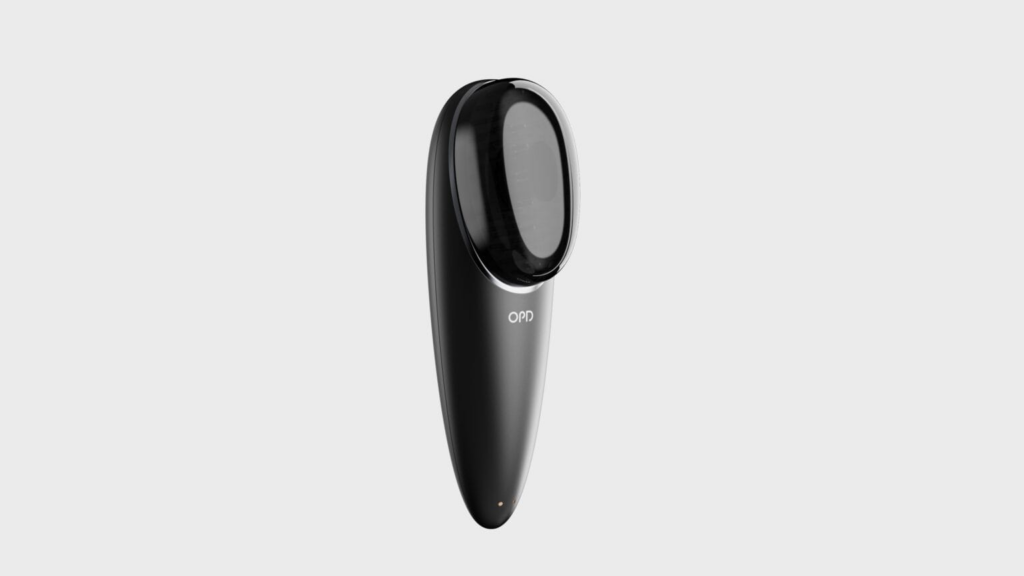
Charging adds more choices. A wireless charging coil needs space and careful alignment. In our smart massage comb project, the team planned the sealing for the oil tank and the alignment of the wireless charging coil together with the circuit design. You can read about it in our massage comb case.
Wireless Choice
Each wireless option has trade-offs.
- Bluetooth Low Energy: low power and short range. It suits wearables and accessories.
- Wi-Fi: higher speed and easy home use. It needs more power.
- Cellular: wide coverage without a home network. It adds module cost and data fees.
- Low-power long-range links: good for sensors that send small data over long distances.
The right link depends on where the device lives and how much data it sends. IoT hardware design should lock this choice early, because it affects the antenna, the shell, and the compliance path.
Space, Signals, and Heat
Parts compete for the same small space. Radio modules can disturb sensor signals. Motors can add noise. Batteries and chips create heat.
On a cleaning robot project, our team tuned the circuit board layout so the motor circuits and the sensor signals would not disturb each other. The same team handled sealing surfaces for the dustbin and the water tank. See the full project in our cleaning robot case. Exploring how to turn your connected device idea into a real product?Our team has helped startups and brands turn ideas into real, manufacturable products. Book a free consultation to discuss your idea.
IoT Software Development Service: Firmware, App, and Cloud
Software is where many IoT projects slip. The device may work on the bench while the setup flow confuses users. Our IoT software development service covers the code that makes the device useful.
Firmware
Firmware runs on the device. It reads sensors, controls parts, and manages power. Good firmware also supports updates over the air, so you can fix bugs after launch.
Plan memory for updates from the start. A device that cannot update is a risk to you and your users.
The Mobile App
The app is the face of your product. Keep setup short. Pairing, Wi-Fi login, and first use should take a few minutes at most. Test the flow with people who have never seen the device.
The Cloud
The cloud stores data, runs rules, and talks to the app. Decide what runs on the device and what runs in the cloud. Local processing saves data costs and works offline. Cloud processing allows richer features and easier updates.
A clear IoT software development service plan lists these choices, the data flow, and the update path before coding begins.
Security and Privacy
A connected device can be a doorway into a home or a business. Security cannot be added at the end.
The US National Institute of Standards and Technology publishes a core baseline of device cybersecurity capabilities for IoT devices. It covers areas such as device identification, configuration, data protection, software updates, and security status reporting. You can read the NIST IoT device cybersecurity capability core baseline as a starting checklist.
Build in these basics:
- A unique identity for each device
- No shared default passwords
- Encrypted data in storage and in transit
- Signed software updates
- A clear policy for what data you collect and why
Include these in your IoT products strategy from the first meeting. Fixing security after launch costs far more.
Prototyping and Testing
Prototypes turn the plan into something people can hold. Most IoT projects go through several rounds.
- Proof of concept: checks that the core idea and sensors work.
- Working prototype: adds real electronics, firmware, and a basic app.
- Appearance sample: adds the final shell, color, and finish.
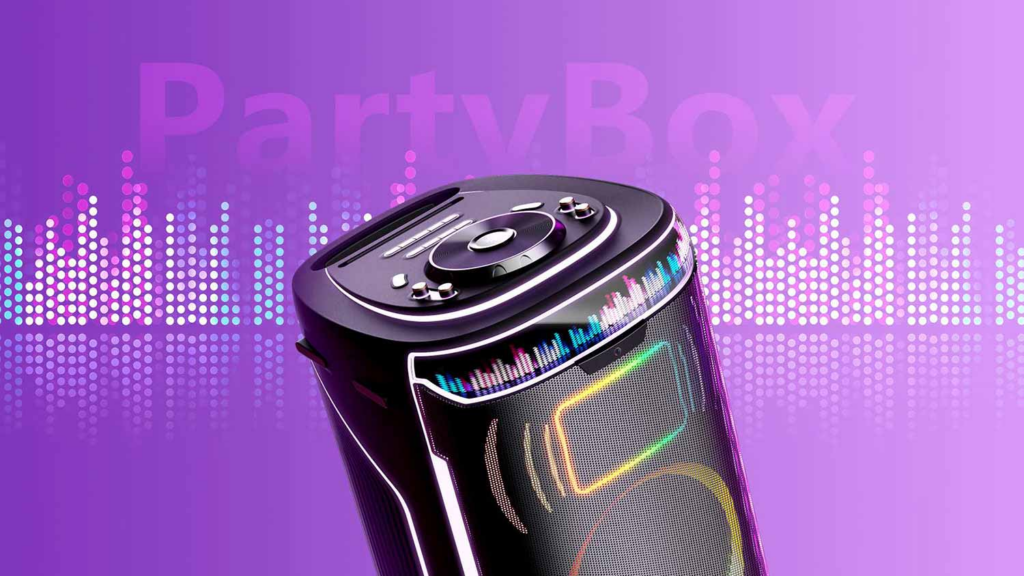
Our party box speaker project followed this path. The team tested drop resistance, battery life, splash protection, and audio quality. See the details in our party box speaker case.
Test more than function. Check battery life over many days. Test the wireless link in a crowded home. Drop the device, and test it after setup is complete. Run the app on old and new phones.
Compliance and Certification
Radio products must pass rules before sale. In the United States, the FCC’s Office of Engineering and Technology runs the equipment authorization program for radio-frequency devices. Europe uses CE marking, and many markets limit restricted substances under RoHS.
Tests run on the final version of the product, so the design must be stable first. Plan lab time and budget for it. The smart massage comb mentioned above earned FCC and CE certification.
Bring compliance into the plan early. The wireless module you pick, the antenna position, and the shell material all affect test results.
How Long Does It Take?
The table below shows a planning range for a standard smart device project at OPD Design.
| Stage | Typical time |
|---|---|
| Feasibility study | 2 to 3 weeks |
| Industrial and mechanical design | 6 to 8 weeks |
| Engineering validation and prototyping | 4 to 6 weeks |
| Design check for manufacturing | 3 to 4 weeks |
| Mold development | 5 to 8 weeks |
| Pilot and mass production | Depends on the project |
Firmware, app, and cloud work runs alongside these stages. Treat all times as a guide. Each project is different.
Common Mistakes Before Building an IoT Device
These problems appear again and again.
- Adding a network connection with no clear user benefit
- Choosing a wireless link after the shell is final
- Ignoring the cost of cloud service after the sale
- Treating security as a late task
- Testing the device but not the setup app
- Leaving compliance tests until the week before launch
Each one leads to rework. A written IoT products strategy catches most of them before money is spent.
How to Choose a Development Partner
Ask direct questions before you sign.
- Does the team cover hardware, firmware, app, and cloud?
- Can they show case studies for connected products?
- How do they test battery life and wireless range?
- How do they handle security and updates?
- Who owns the design files, code, and prototypes?
At OPD Design, overseas clients work with English-speaking project managers. They get weekly updates, video reviews, and shared dashboards. We sign a mutual NDA before project talks, and all files and prototypes belong to the client. Our team works with 300+ cooperative factories and places quality engineers on every project.
Conclusion
Building an IoT device means building four layers at once: hardware, connectivity, cloud, and app. A clear IoT products strategy sets the user, the business model, the cost, and the plan for security and compliance. Strong IoT hardware design and a solid IoT software development service then turn that plan into a product that works.
OPD Design is a product design and development company based in Shenzhen, China. Our services run from strategy to production support, including brand design, packaging design, and compliance help. If you have a connected product idea and want to talk through your plan, contact us today.
FAQs
1. What is an IoT products strategy?
An IoT products strategy is a written plan for a connected device. It covers the user, the features, the connection method, the business model, and the cost targets before design begins.
2. How much does it cost to build an IoT device?
The cost depends on the sensors, the wireless link, the software, the testing, and the tooling. A clear strategy and a feasibility study give a more reliable range than a guess made before planning.
3. Which wireless technology should an IoT device use?
It depends on range, power, and data needs. Bluetooth suits short-range wearables, Wi-Fi suits home devices, and cellular suits devices that need wide coverage.
4. Do I need an app and a cloud service for my IoT device?
Most connected products need at least an app for setup and control. A cloud service is needed when you store data, send alerts, or update the device from a distance.
5. Does an IoT device need certification before sale?
Most devices with radio modules need approval in each target market, such as FCC for the US and CE for Europe. Plan the tests early, because they run on the final product.