

Wearable AI Business Assistant Development
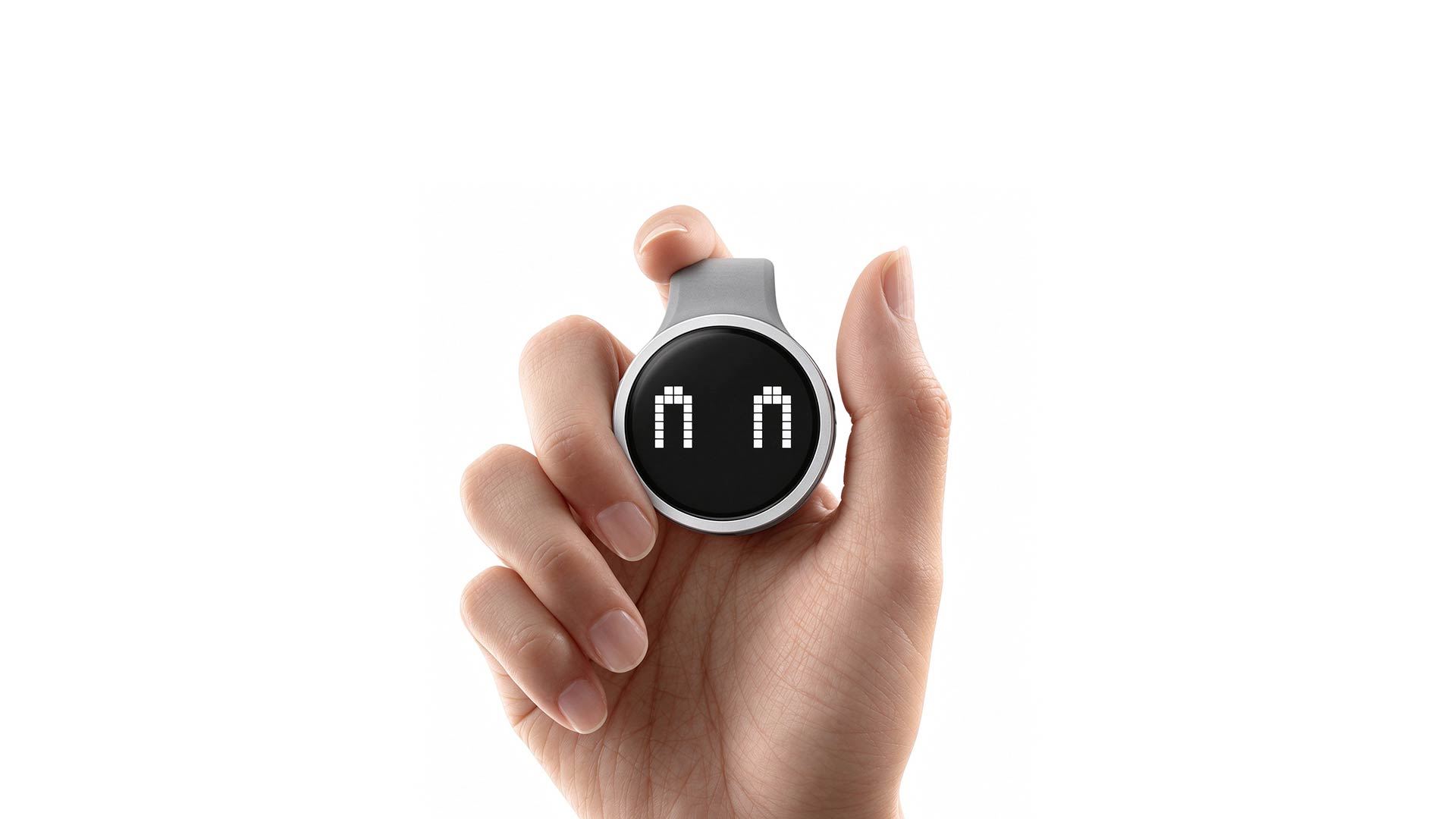
NOVO AI is a multifunctional AI-powered wearable assistant developed by OPD Design, tailored for modern business professionals. The device integrates features such as AI-driven meeting support, real-time multilingual translation, voice interaction, and personal business assistance. It redefines the interaction between smart hardware and users through an innovative, multi-scenario wearable structure, a personalized dot-matrix display interface, and a modular magnetic design.
The project combines original industrial design, structural engineering, and established electronic technology solutions. The development process included the creation of a fully functional prototype and comprehensive testing of its core features—demonstrating OPD Design’s capability to integrate innovative product design with AI technology to develop practical, intelligent hardware.
Project Background
Artificial intelligence is transforming the way business professionals work. From international meetings and daily communications to organizing information and managing tasks, AI has become an essential tool for boosting efficiency.
However, most AI applications still rely on smartphone or computer screens, requiring users to repeatedly open apps, input commands, and check results. For business professionals who are constantly communicating or frequently on the move, this is not always convenient.
OPD Design proposed a new product direction for its client: Could AI capabilities be integrated into a lightweight, wearable device—one that allows users to access AI assistance naturally, without the need to constantly interact with a phone?
Developed with this goal in mind, NOVO AI combines intelligent voice interaction and AI-driven information processing with a wearable design, balancing comfort, ease of use, and aesthetic appeal.
Design Challenge
Challenge 1: A Wearable Design Adaptable to Diverse Scenarios
Formal meetings require a professional, understated aesthetic; daily office work prioritizes comfort and convenience; while travel demands portability and ease of use. NOVO AI must offer flexible wearing options within a compact form factor, all while maintaining a consistent visual identity.
Challenge 2: Natural Interaction for Compact Devices
Small wearable devices are ill-suited for complex on-screen menus. The product requires intuitive interaction—leveraging voice commands, physical shortcut buttons, and visual feedback—to create a seamless user experience and a distinct product personality.
Challenge 3: Balancing Lightweight Design with Intelligent Functionality
Components such as microphones, wireless communication modules, processors, displays, and batteries directly influence the device’s size, internal layout, power consumption, and comfort. The team has employed a modular architecture to strike an optimal balance between functional integration and a lightweight design.
Solution
Multiple ways to wear
Clip-On Mode: Attaches to a suit lapel, shirt collar, or similar placement—ideal for meetings and office use. Pendant Mode: Worn with a lanyard as an everyday accessory—perfect for commuting and travel. Portable Mode: The main unit detaches from its wearable components, making it easy to hold, carry, or store.
Design Value: One Device. Multiple Ways to Wear.
Giving AI Expressions
An oval dot-matrix display interface uses dynamic expressions to convey various states—such as “Listening,” “Thinking,” “Recording,” and “Completed”—fostering a warmer, more human-centric form of human-machine interaction through a distinctive visual style.
Design Value: Making AI Interaction More Human.

Modular Magnetic Structure
Featuring a design that separates the main unit from components related to wearability and power, this modular approach balances comfort, ease of attachment and removal, charging functionality, and aesthetic proportions. It reduces the bulkiness typically associated with clip-on devices while providing flexibility for maintenance and the addition of accessories.
Design Value: Lightweight Design Through Modular Engineering.
AI Business Assistant Product Development Process
Step 1: Product Definition and Technical Feasibility Assessment
The project begins with a requirements analysis centered on the core use cases for business professionals, defining the product’s positioning, key features, and interaction methods.
Focus is placed on identifying user needs within scenarios such as business meetings, international communication, and mobile office work, which informs the development of functions including AI-powered meeting support, real-time translation, and personal business assistance.
From a technical perspective, the project evaluates implementation strategies for systems—such as voice capture, wireless communication, AI integration, and power management—by leveraging established smart voice electronic solutions.
This initial phase of product definition and technical assessment establishes the foundational requirements and key constraints—spanning both hardware systems and industrial design—that will guide subsequent product development.
Step 2: Industrial Design and CMF Development
Once the product positioning and technical architecture were defined, the industrial design team focused on creating a lightweight, wearable device that embodies a professional aesthetic and offers a natural, intuitive user experience.
The product features a sleek, rounded, oval-shaped design language, combining a black dot-matrix display area with a metallic-finish frame to create a highly recognizable visual identity.
In terms of wearability, the team explored various structural configurations—such as a clip-on, a pendant-style necklace, and other portable options—ensuring the device adapts seamlessly to diverse professional and everyday settings.
For interaction, the design incorporates personalized AI-driven dot-matrix expressions, transforming the device’s operational status into vivid, intuitive visual feedback.
Furthermore, through a CMF (Color, Material, and Finish) strategy—utilizing a variety of colors, surface textures, and decorative panels—NOVO AI functions as both a piece of technology and a stylish accessory.
Industrial design here extends beyond mere appearance; it is rooted in user experience, establishing a foundational framework for subsequent structural engineering and electronic system integration.
Step 3 — Structural Design and Modular Engineering Development
The structural design of NOVO AI must simultaneously address requirements for compact electronic system integration, versatility for various wearing scenarios, and modular magnetic connectivity.
Based on the product’s external form and the dimensions of its electronic modules, the structural engineering team plans the internal component layout, managing the spatial relationships between the main circuit board, microphones, display module, battery, and connection mechanisms.
Key development areas include: internal layout for a compact chassis; structures for secure, multi-scenario attachment; a decoupled design separating the main unit from the battery module; magnetic connection and assembly mechanisms; integration of microphone acoustic ports and electronic components; and the design of the enclosure for ease of disassembly and component assembly. Throughout the structural design process, factors such as aesthetic proportions, component space, wearable weight, and ease of assembly are carefully balanced.
Through the synergy between industrial design and structural engineering, NOVO AI integrates a diverse array of smart hardware components into a lightweight, wearable form factor.

Step 4 — Electronic Hardware and System Integration
The electronic system of NOVO AI is built upon established smart voice technology, with hardware integration tailored to the product’s structural and functional requirements. The system encompasses core functional modules, including voice capture, processing and control, wireless communication, display-based interaction, and power management.
The focus of this phase goes beyond simply housing existing electronic modules; it involves the integrated development of the electronic system and structural layout, specifically optimized for the unique form factor of NOVO AI.
Step 5 — Integration of Firmware, Software, and AI Capabilities
NOVO AI achieves a seamless, intelligent interaction workflow through the synergy between on-device controls, a mobile application, and AI services.
The device itself handles voice capture, button-based controls, visual feedback, wireless communication, and fundamental device management.
The mobile application manages device connectivity, feature operation, the display of meeting content, the viewing of translation results, and related data management.
AI services provide capabilities such as speech recognition, natural language processing, machine translation, and content analysis—powering applications like intelligent meeting support, real-time translation, and personal business assistance.
System integration focuses on coordinating communication between the device and the mobile app, including the transmission of voice data, responses to AI-driven tasks, and feedback on interaction status. Through this hardware-software synergy, NOVO AI integrates various independent technical modules into a unified product experience.

Step 6 — Functional Prototyping
Once the industrial design, structural engineering, and electronic system schemes are finalized, the project moves into the functional prototyping phase.
The team fabricates the enclosure and structural components based on the product design, installs electronic modules, assembles magnetic attachment mechanisms, integrates the display system, and performs comprehensive system debugging.
A functional prototype must not only showcase the product’s intended visual design but also incorporate the actual electronic hardware and software systems into a fully assembled device.
Step 7 — Functional Testing and Engineering Optimization
Following the completion of the functional prototype, the project enters a phase of testing focused on core functions and system integration.
Testing efforts center on voice capture, wireless connectivity, AI features, interactive display performance, and the user experience related to the device’s physical structure.
Through hands-on operation of the prototype, the team evaluates the synergy between various systems and implements necessary design and system optimizations based on any issues identified during testing.
1.How much does it cost to develop a custom AI-powered wearable device?
If a product can leverage mature electronic hardware and existing AI technology solutions, it is often possible to reduce the investment required for foundational R&D, allowing more development resources to be directed toward differentiated industrial design, structural engineering, and product integration.
Conversely, products that require entirely new electronic architectures, specialized AI algorithms, or complex sensor systems will necessitate a larger R&D budget.
OPD Design can provide a phased development quote tailored to your specific product requirements, clearly outlining the scope of work, project timeline, and deliverables for each stage.
2.How long does it typically take to develop an AI-powered wearable product?
The development cycle for an AI wearable depends on factors such as functional complexity, technological maturity, and product validation requirements.
Utilizing established electronic solutions can shorten the initial R&D phase, allowing the project to move more quickly into industrial design, structural engineering, and functional prototyping.
Conversely, projects requiring custom electronic hardware, complex software systems, or entirely new AI algorithms will naturally have a longer development cycle.
OPD Design typically structures projects to include POC (Proof of Concept), EVT (Engineering Validation Test), DVT (Design Validation Test), PVT (Production Validation Test), and mass production ramp-up phases, with specific milestones and deliverables defined for each stage.
3.What certifications are typically required for AI-powered wearable devices?
4. What are the greatest engineering and technical challenges in the development of AI-powered wearable devices?
Key engineering challenges include: the miniaturization of electronic hardware and internal structural layout; voice capture and noise reduction in complex environments; battery life, power consumption, and thermal management; wireless connectivity and integration with mobile applications; wearability, comfort, and structural reliability; AI service response speed and system stability; as well as user data security and privacy protection. Addressing these issues necessitates close collaboration among industrial design, structural engineering, electronic hardware, and software teams throughout the development process.
5. How can you initiate an AI wearable product development project with OPD Design?
Our team will conduct an initial requirements discussion and technical assessment, then outline the development scope, phased plan, key deliverables, estimated timeline, and project budget.
6. What is the typical development process for AI-powered wearable products?
Frequently Asked Questions
Develop your next-generation
AI-powered hardware
Artificial intelligence is creating new product opportunities across the realms of smart wearables, consumer electronics, and professional equipment.
Whether you are developing an AI-powered wearable assistant, smart conferencing equipment, AI translation hardware, smart glasses, or an entirely new category of AI-driven consumer electronics, OPD Design can help you transform your product concepts into functional, intelligent hardware.
From product definition, industrial design, and structural engineering to electronic integration, software development, functional prototyping, and manufacturing readiness—we leverage cross-disciplinary collaboration and Shenzhen’s robust supply chain ecosystem to help innovative companies worldwide accelerate their product development.
Featured Projects

Wearable Brain-Computer
All-Age EEG Intervention Device, Forehead-Worn, Safe and Adjustable.
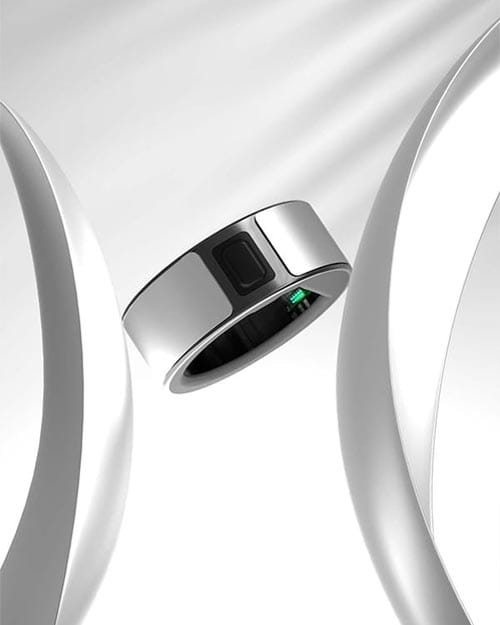
Smart Ring
A health-tracking wearable ring equipped with heart rate, sleep, and body temperature monitoring features.

AI interactive terminal
This project uses AI to recognize NFC chips, match IP-specific audio effects, enabling “one Baji, one exclusive interaction”

Translation Headphones
A pair of wireless Bluetooth translation earbuds that provide real-time voice translation services for travelers and international users.

AI Sports Glasses
AI sports glasses that let runners and cyclists access real-time information without reaching for a phone.