
Quick Answer
You should prototype before manufacturing because flaws are far cheaper to fix before tooling. A sample lets you test fit, feel, function, and compliance needs with real parts. Skipping this step may save weeks at the start but cost much more in rework.
You should prototype before manufacturing to test a hardware idea before you pay for tools and mass production. Many startups want to skip this step to save time. That choice often costs more later.
A prototype is a working or near-working sample of your product. It lets you hold the design, test it, and fix problems while changes are still cheap. This guide explains why building a prototype first makes sense. We are OPD Design, a product design and development company based in Shenzhen, China. We also show how we run this stage.
What Is a Prototype and What Does It Prove?
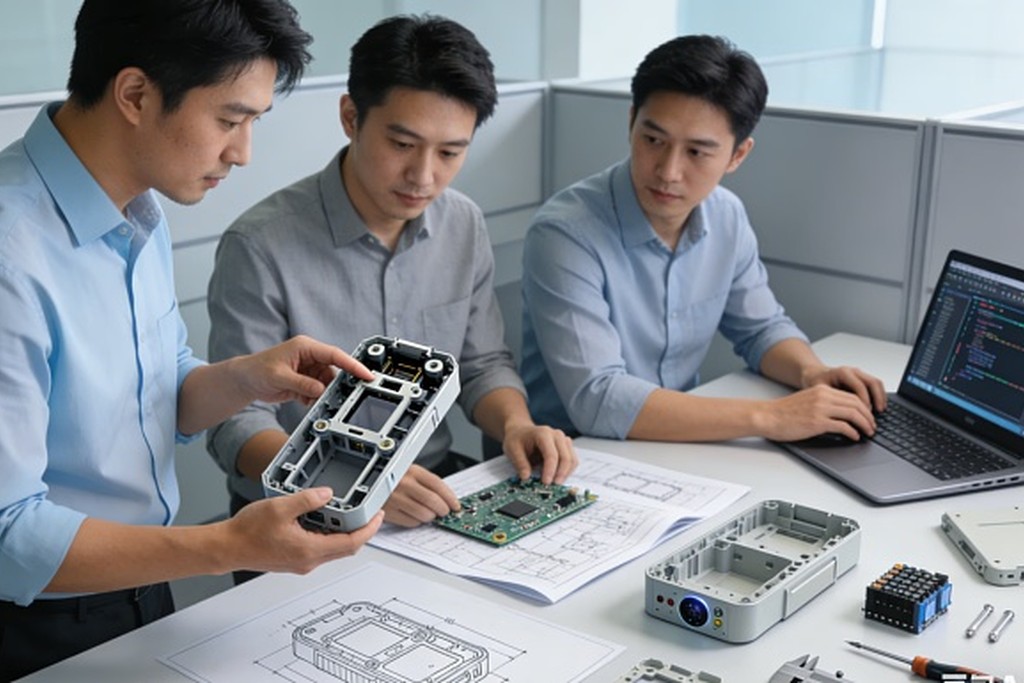
A render shows how a product could look. A prototype shows how it behaves. It lets you check size, weight, fit, and function with your own hands.
Not every prototype does the same job. Some focus on look and feel. Others focus on function. Many projects use both types in different rounds.
Look and Feel Prototypes
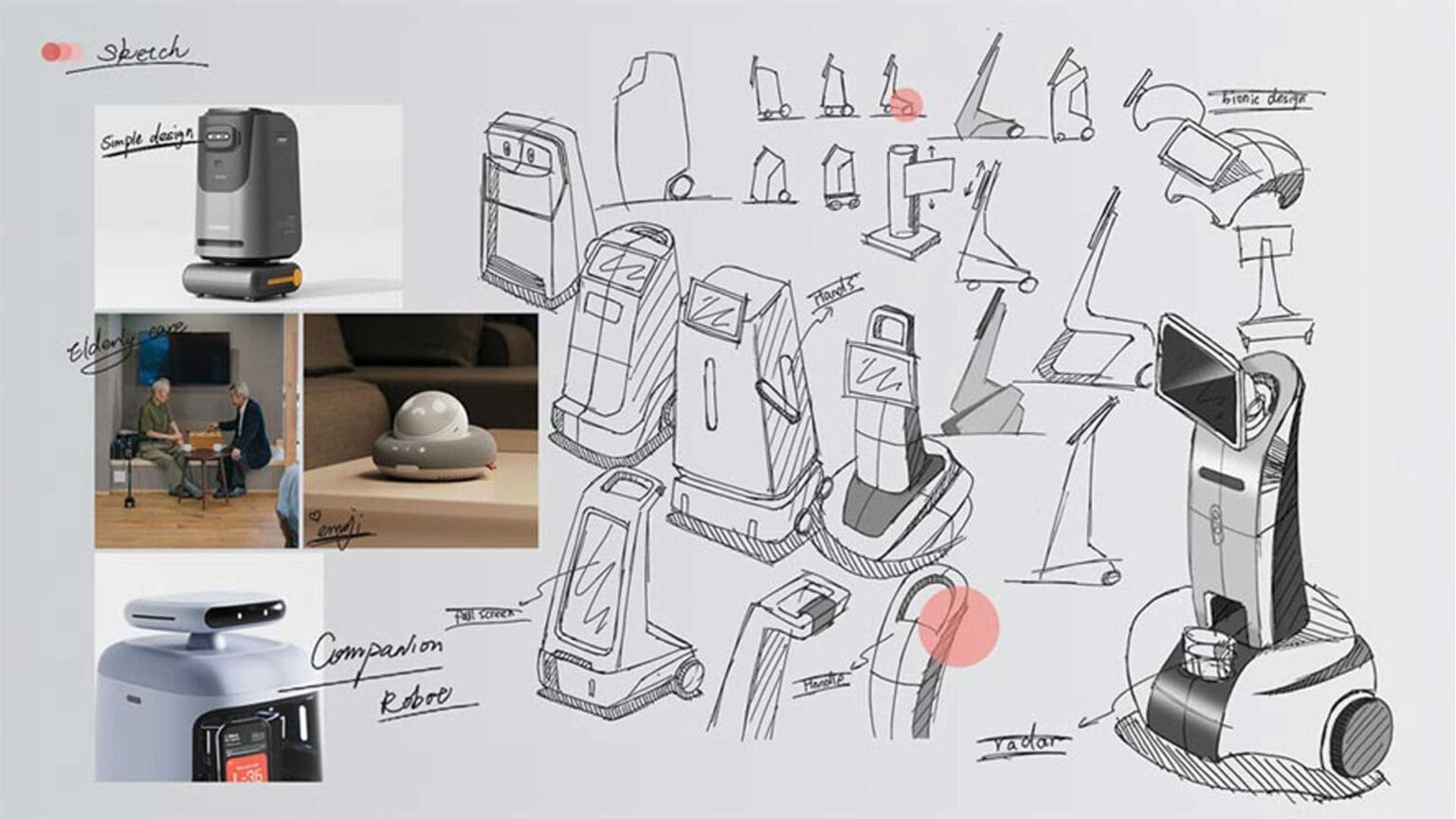
These samples show shape, finish, and grip. They help teams judge size and ease of use. Our Smart Spray Comb is a good case. It sprays essential oils and massages them into the scalp. Its ergonomic design combines style and practicality. A product like that must feel right in the hand before anyone builds a mold.
Function and Engineering Prototypes
These samples test how parts work together. They cover moving parts, circuits, sensors, and software. We call this work engineering validation and prototyping. In our standard timeline for a consumer electronics or smart device project, it takes 4 to 6 weeks.
Reason 1: Flaws Are Cheap to Fix Before Tooling
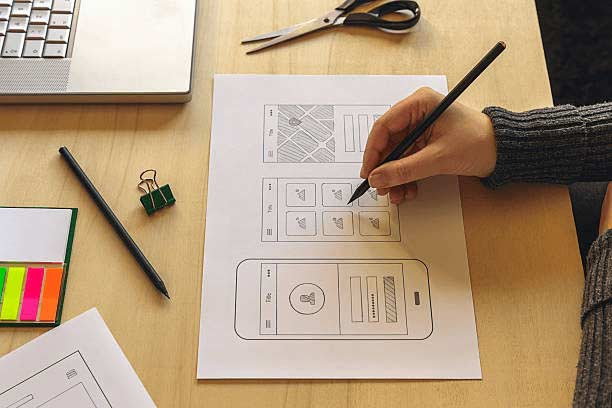
Changing a drawing costs very little. Changing a prototype costs a little more. Changing a finished mold costs far more. The earlier you find a flaw, the lower the price of the fix.
A prototype brings flaws to the surface. A button may sit in the wrong place. A cover may not close tightly. A battery may not fit with the board. None of these show up in a render.
Product prototyping services give you a safe place to find these problems. You can fix each one before it turns into a tooling change. Many teams see this stage as a cost. In practice, it works as a safety step. It saves time too, because the design is proven before tools are ordered.
Reason 2: You Can Test Fit, Feel, and Function
Buyers judge a product by how it works in the hand. A prototype lets you test that before launch. Use each sample round with a clear test list:
- Fit of the housing, circuit board, and battery
- Size, weight, and grip
- Buttons, hinges, and other moving parts
- Behavior of the circuits and software
- Ease of use for first-time users
Write down what fails in each round. Then fix those points in the next version. This simple habit keeps feedback clear and stops the same problem from returning.
Reason 3: Prototypes Protect Your Mold Budget
For plastic parts, a mold is a custom tool that gives each part its shape. For many products, molds are one of the larger early costs. The cost rises with part size, part count, and surface finish.
In our standard timeline, mold development takes about 5 to 8 weeks. Changes after tooling starts are costly and slow. A new mold step can push back your launch date too.
A tested prototype lowers that risk. You approve the design with real samples in hand. You can then start tooling with more confidence. This is why prototyping comes before mold development, not after it.

Reason 4: Electronics and Software Need Early Checks
Many products now include circuits, sensors, and apps. Each smart feature adds design and test time. A device with Wi-Fi, an app, and a cloud link needs far more checks than a simple tool.
For electronic products, our hardware design work completes the circuit systems and the hardware architecture. Connected products may need software development, such as a mobile app or a back-end system. We offer both.
Real projects show how wide the scope can grow. We worked with a beverage company on a smart fridge. It needed sensor layout, firmware, and IoT platform links. Our AI interactive terminal adds AI and NFC chip recognition to the scope. Each added feature is one more thing to test in a prototype.
Plan for more than one round if your product has electronics. Ask your prototyping team how many rounds fit your scope. The first sample may prove the shape. The next may prove the circuits and the software.
Reason 5: You Confirm the Design Can Be Built
A prototype can work well and still be hard to make in large numbers. A part may need a costly step. A gap may be too tight for steady assembly. These problems appear only when a design meets real factory methods.
Design Validation With DFM
DFM means design for manufacturability. It checks that a design can be made well and with steady quality. This phase takes 3 to 4 weeks with us. It follows prototyping and comes before mold development. Fewer surprises appear once factory partners get involved.
Where Manufacturing Support Services Fit
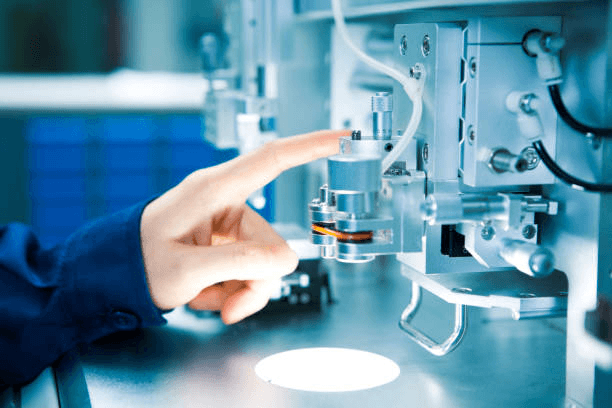
Manufacturing support services help move a design from approved samples to steady production. They often include supplier checks, process tests, quality control, and production help. Our manufacturing service focuses on validating production processes and quality consistency.
We work with 300+ cooperative factories and set strict standards for choosing suppliers. Our quality engineers check quality on every project. Different suppliers suit different projects, which helps control time and cost. We have made 90,000+ units of products and delivered 100+ products across consumer electronics, IoT devices, and medical equipment.
One client example shows the value of early work. A product director at Xiaomi described a smart light project where cost was a priority. Our team went through many versions of industrial and mechanical design. We helped them reach very reasonable production prices.
Exploring how to test your idea before it goes into production? Our team has helped startups and brands turn ideas into real, manufacturable products. Book a free consultation to discuss your idea.
Reason 6: You Can Spot Compliance Needs Early
Rules differ by product and by market. Testing can show that a design needs a change. That change is far easier before tooling than after it.
Many founders search for a product certification company in China. If you do, check what the service covers and which markets it serves. Certification needs depend on the product and on where you plan to sell. We offer compliance and certification as a service. Our aim is to help products meet the regulatory requirements and certification standards of different countries.
Here are three examples of how rules vary:
- In China, certain products need the CCC mark before they can be sold in or imported to the country. The US International Trade Administration explains this on its [China standards for trade page](ORIGINAL URL).
- In the United States, devices that emit radio signals fall under the FCC equipment authorization program.
- In the European Economic Area, a maker adds the CE mark to declare that a product meets the legal rules. Not every product needs it. The European Commission explains the basics on its CE marking page.
A prototype gives you something real to test against these rules. A certification partner can only test what exists. An early sample gives them something to work with. Raise compliance in your first planning talk. The design, the parts, and the test plan can then match the rules from the start.
Reason 7: You Can Gather User Feedback Before You Commit
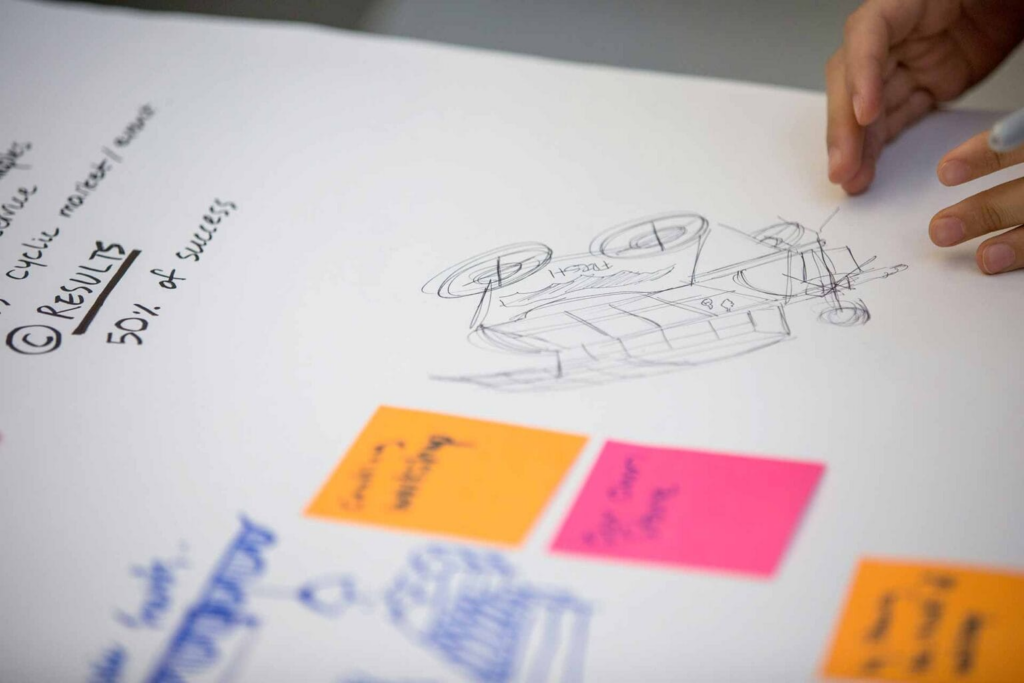
Users often see things a design team misses. A prototype lets real people handle the product before you commit to tools.
Some products need extra care here. Our anti-choking device is a purely mechanical rescue device for home use. A product like this must be easy to understand and easy to use. A children’s learning product like our Children’s KTV serves a younger audience. It has different needs from an adult product.
Early feedback shows what to change. It shows what to keep too. Both help you spend the tooling budget with more confidence.
From Prototype to Production: The Full Path
A prototype is one stage in a longer path. The table below shows our standard phases for a consumer electronics or smart device project. Treat these times as a planning range, not a fixed promise.
| Phase | Typical duration | What happens |
|---|---|---|
| Feasibility study | 2 to 3 weeks | The idea is checked and the product direction is set |
| Industrial and mechanical design | 6 to 8 weeks | Form, look, and inner structure are developed |
| Engineering validation and prototyping | 4 to 6 weeks | Prototypes test the design and its functions |
| Design validation with DFM analysis | 3 to 4 weeks | The design is checked for easy, steady production |
| Mold development | 5 to 8 weeks | Tooling is built for the product’s physical structure |
| Pilot production and mass manufacturing | Depends on the project | Production steps and quality are checked |
The whole path usually takes 6 to 10 months from idea to mass production. Prototyping sits in the middle. It connects the design work before it to the tooling and production work after it.
How Many Prototype Rounds Does a Product Need?
There is no fixed number. A simple item with few parts may need fewer rounds. A product with electronics, moving parts, or safety needs often needs more.
Each round should answer a clear question. The first round may test shape and fit. The next may test circuits and software. A later round may test the sample against the rules of your target market.
Set a goal for each round before it starts. A good partner states this goal up front. You then know when a sample is ready to move on. Ask your team how many rounds the scope includes and what happens if you need another one.
What to Ask Before You Choose a Prototyping Partner
Not every partner works the same way. Use these questions to compare options:
- Which stages do you cover, from strategy to production help?
- How do you check that a design can be built at a fair cost?
- How many sample rounds are in the scope?
- How do you link prototyping to manufacturing support?
- Who owns the files, designs, and prototypes?
- Can you share case studies for products like mine?
Location can matter too. We are based in Shenzhen, which has a dense supply chain. It includes component suppliers, PCB makers, mold makers, and assembly factories. This closeness speeds up prototyping. It allows direct contact with production partners too.
Overseas clients get English-speaking project managers. They get weekly updates, video reviews, and shared dashboards. The dashboards show timelines, deliverables, and costs. We sign a mutual NDA before project talks. It states that all design files, prototypes, and deliverables belong to the client.
Conclusion
A prototype lets you find flaws, test function, check manufacturing needs, and plan for compliance before tooling begins. Prototyping makes that stage structured and repeatable. Skipping it may save a few weeks at the start. It can cost far more later in rework and delays.
We bring strategy, design, prototyping, mold development, and manufacturing support under one team. If you want to prototype before manufacturing and need to talk through your plan, contact us today.
FAQs
1. Why should you prototype before manufacturing?
A prototype lets you test fit, feel, and function before you pay for tools. Flaws are cheaper to fix at this stage than after a mold is made.
2. How long does prototyping take?
In our standard timeline for a consumer electronics or smart device project, engineering validation and prototyping takes 4 to 6 weeks. Each project is different. Treat this as a planning range.
3. How many prototypes does a product need?
There is no fixed number. Products with electronics, moving parts, or safety needs often need more rounds than simple items.
4. What do manufacturing support services include?
They often include supplier checks, process tests, quality control, and production help. Our service focuses on validating production processes and quality consistency.
5. Do I need certification before I sell my product?
It depends on the product and the market. Some products need approval before sale, while others do not. Check which rules apply before production starts.