Radar Level Gauge Development

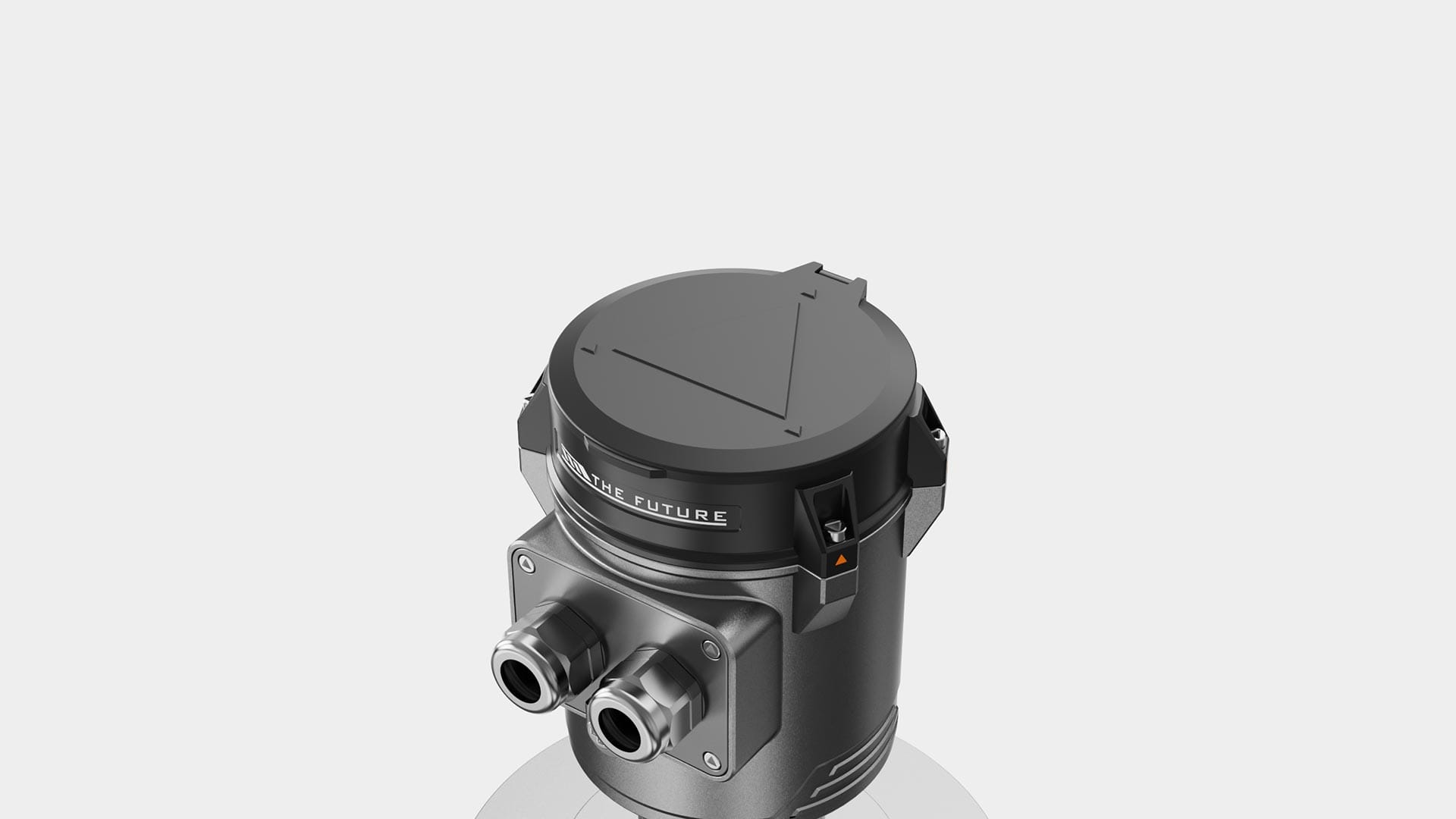
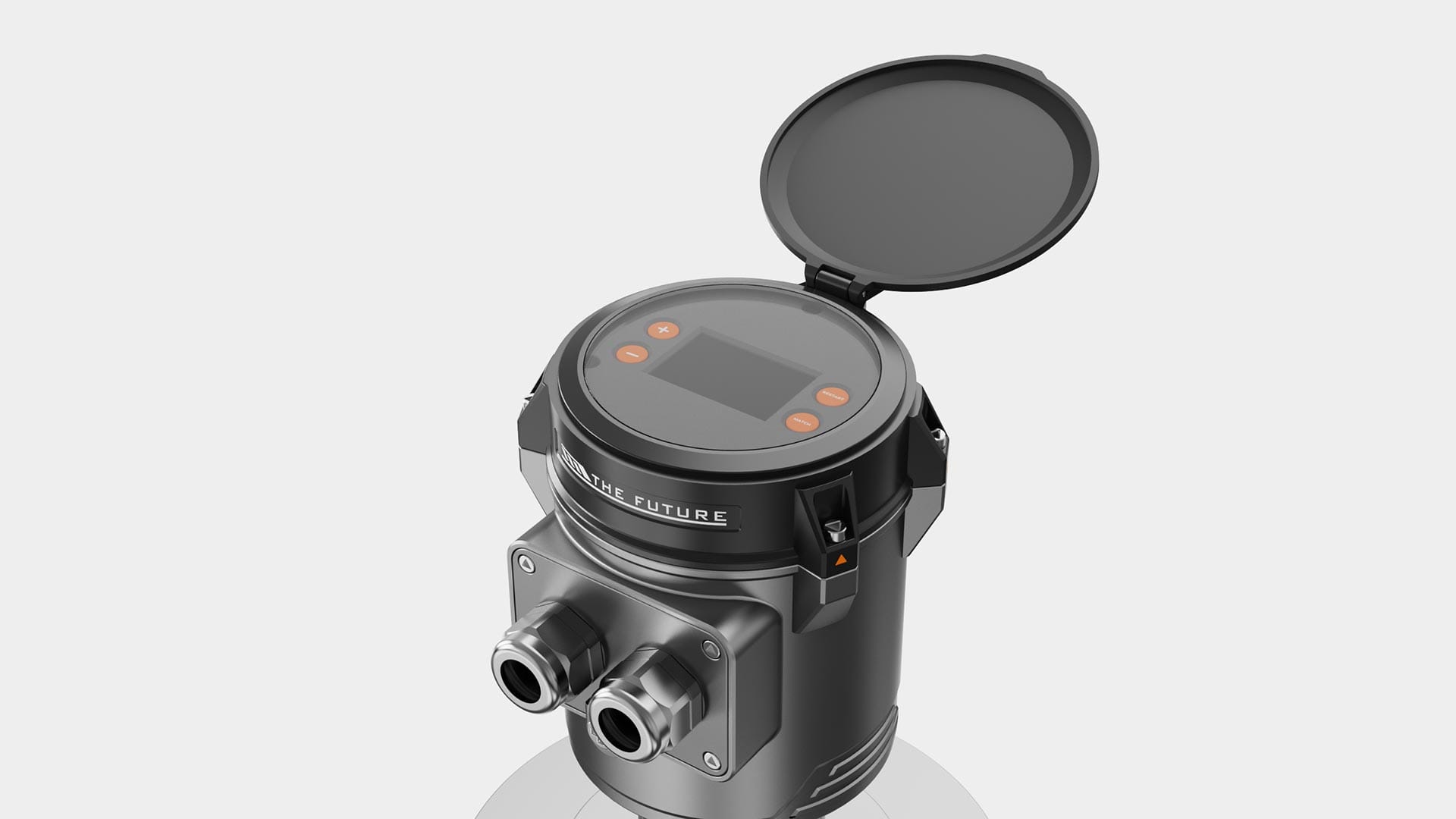
Radar level gauge development — finished enclosure with protective cover closed and side cable ports, front three-quarter view

OPD Design redesigned a radar level gauge enclosure for a China client, adding a flip-top lens cover, four-side anti-tamper bayonets, and a tool-free quick-swap harness port. The ruggedized design improves protection and maintenance speed in harsh industrial environments.

Project Background

Most radar level gauges on the market share a generic instrument-box appearance and are poorly adapted to harsh industrial sites. The client asked OPD Design to redesign the enclosure to improve protection, maintenance access, and on-site security while giving the instrument a cleaner, more recognizable product identity.
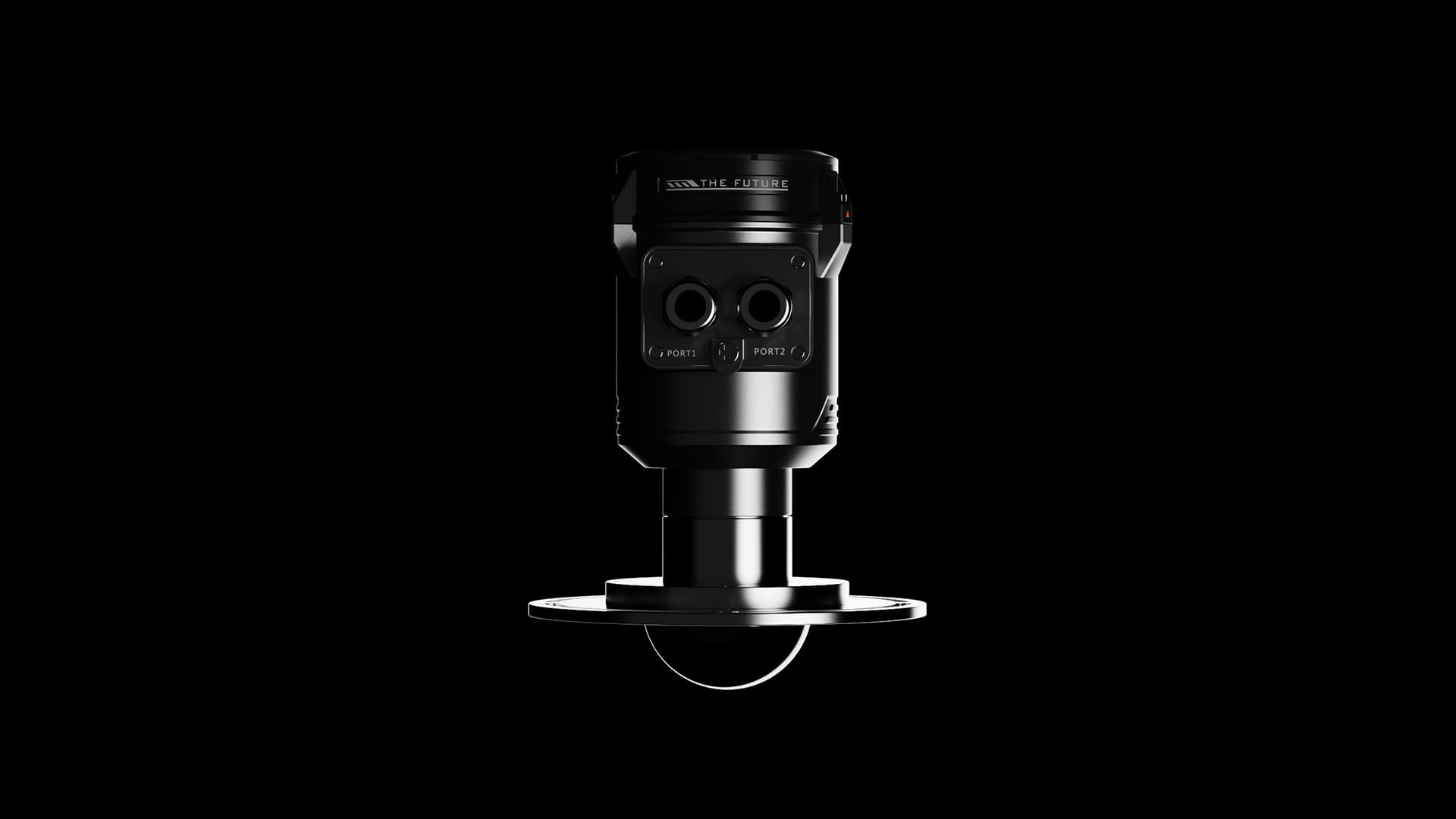
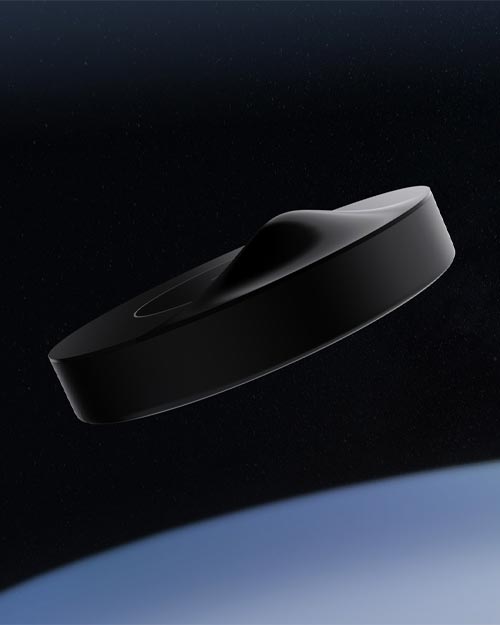
Radar level gauge development — studio silhouette of the compact cylindrical enclosure against a dark background

Solution

OPD Design redesigned the enclosure around three field-driven details. A flip-top protective cover with a snap mechanism shields the top observation lens from dust, oil, and corrosive media while opening smoothly for routine reading. Anti-tamper bayonets with non-standard screws on all four sides deter unauthorized opening and protect internal components on unattended sites. At the front, a plug-in harness port with a sealing gasket lets operators replace wiring quickly without tools, while keeping dust and moisture out for fast on-site maintenance.

Project Data

Services: Industrial design, Mechanical design, Hardware design, Functional prototyping
Client country: China
Product type: Industrial radar level gauge
Product stage: Mass produced
Industries: Industrial instrumentation, process measurement
Deliverables: Enclosure design, structural engineering, electronic hardware, functional prototype, tooling and production support

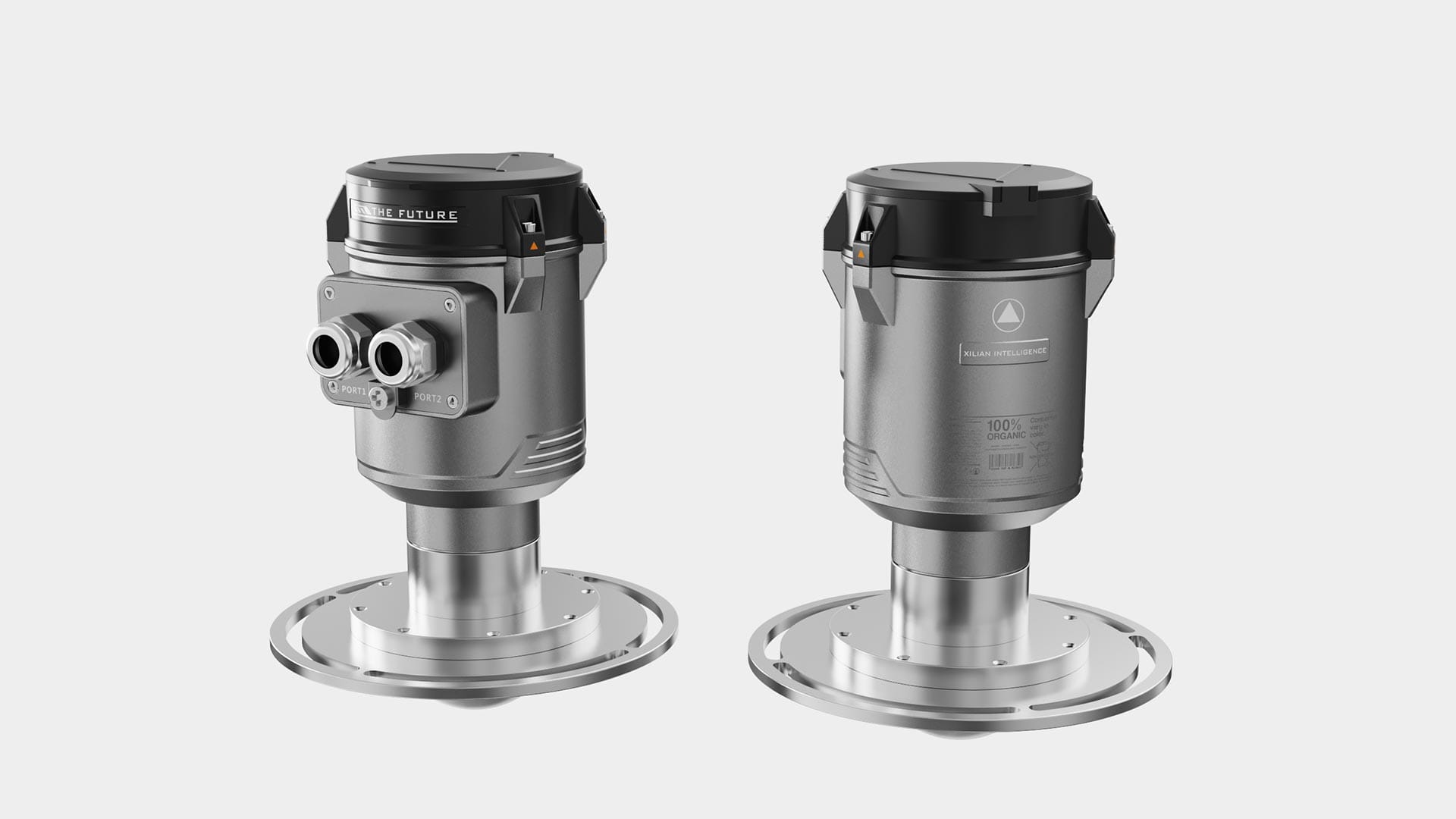
Radar level gauge development — dark and silver enclosure variants showing finish options for industrial deployment

Our Radar Level Gauge Development Process

Step 1-Product Definition & Market Research

We started by researching how radar level gauges are actually used in the field: dusty, corrosive environments with wide temperature and pressure ranges, tight installation spaces, and operators who need fast readings and quick maintenance. We reviewed competing instruments and summarized the core pain points as generic looks, vulnerable lenses, and slow wiring service. From this we defined three design requirements — lens protection, anti-tamper fixing, and tool-free harness replacement — and turned them into a detailed design brief.

Step 2-Industrial Design

The design team developed multiple appearance directions through hand sketches and 3D drafts, balancing a clean industrial form with the layout of the protective cover, side bayonets, and front harness port. We explored body proportions, line language, and surface texture to move the instrument away from the generic instrument-box look. Material and finish directions were selected for rugged field use while keeping a coherent, recognizable brand identity.
 
OPD DESIGN | Radar level gauge

Step 3-Mechanical (Structural) Engineering

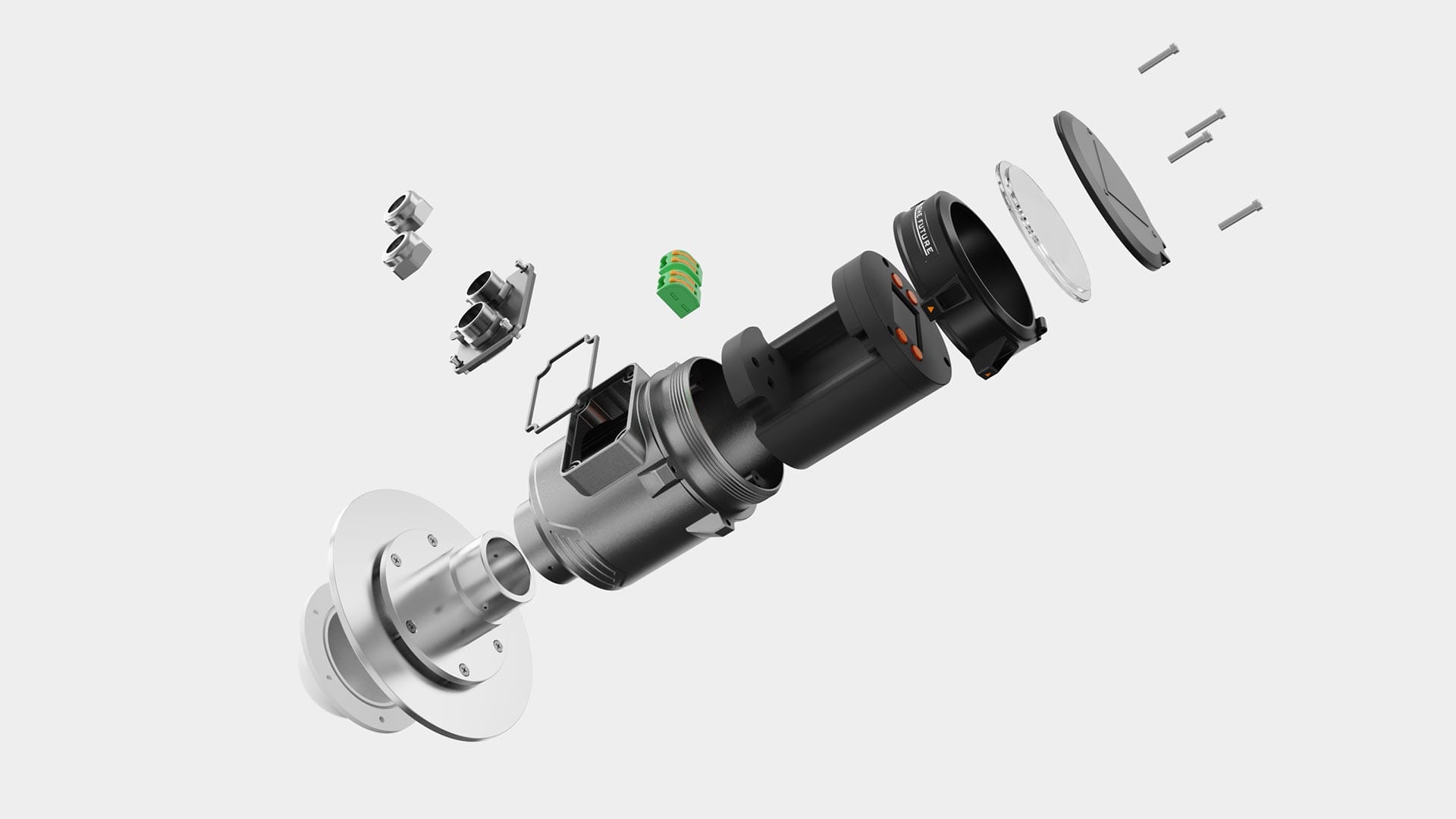
Our engineers detailed the snap-on flip cover mechanism, the four-side non-standard screw bayonets, and the plug-in harness port with its sealing gasket. We reviewed impact resistance, sealing performance, draft and assembly fit, and how the service structures integrated with the internal frame. The goal was to protect the observation lens and internal components without adding bulk or complicating routine maintenance.
 
Smart industrial equipment with manufacturing support by OPD Design

Step 4-Hardware & Firmware Development

The electronics team developed the radar measurement and control hardware to fit the redesigned enclosure, including the sensing module, control board, and signal interfaces. Firmware handled level measurement, signal processing, and data output through the front wiring interface. Mechanical and electronics teams coordinated mounting positions and sealing so the hardware stayed protected under the specified dust, moisture, and temperature conditions.

Step 5-Functional Prototyping

We built working prototypes combining the real enclosure, cover mechanism, bayonets, harness port, and electronics, then tested them under simulated industrial conditions. The team verified the cover action, bayonet security, harness replacement speed, ingress protection, and measurement performance as a complete product. Findings from each round were fed back into structural, sealing, and firmware refinements before tooling.
 
OPD DESIGN | Radar level gauge OPD DESIGN | Radar level gauge

Step 6-Mold Development

After the design was locked, our tooling engineers managed mold design and validation for the enclosure and structural parts. We reviewed parting lines, gate positions, sealing surfaces, and tolerance control so the protective and anti-tamper functions would hold in production. T0/T1 trials were run and the tools adjusted until the parts matched the approved material, finish, and assembly requirements.

Step 7-Supply Chain & Mass Production Support

We supported the product through to mass production by coordinating component sourcing, supplier selection, and pilot runs in our China manufacturing network. Our team followed up on assembly quality, sealing consistency, electronics performance, and production-line testing before volume shipment, helping the client move from a validated prototype to a stable industrial product deployed on customer sites.


Developing an industrial instrument that has to survive dust, corrosion, and daily on-site handling? Send us your requirements — our team can design an enclosure that protects the electronics and speeds up field maintenance.

Project Results

  • Redesigned the enclosure around three field-validated details: lens protection, anti-tamper fixing, and quick harness replacement
  • Flip-top cover keeps the observation lens clean and impact-protected without slowing routine readings
  • Non-standard side bayonets reduce unauthorized access and protect internal components on unmanned sites
  • Tool-free plug-in harness port with sealing gasket cuts on-site maintenance time while maintaining ingress protection
  • Cleaner, differentiated instrument appearance that strengthens the client’s brand recognition
  • Supported the product through tooling and mass production for industrial deployment

Featured Projects

Frequently Asked Questions

1.What does radar level gauge development with OPD Design include?

Industrial design, mechanical and enclosure engineering, electronic hardware and firmware design, functional prototyping, and mold and mass production support, depending on your project scope.

Yes. We design around dust, moisture, corrosion, impact, and temperature requirements, including protective covers, sealing structures, and ruggedized material choices.

Yes. Structures such as non-standard fixing points deter unauthorized opening, while purpose-built service ports let authorized operators replace wiring or components quickly without special tools.

Yes. We build and test prototypes to verify mechanisms, sealing, and electronics under simulated operating conditions, so issues are resolved before any mold investment.

Contact us with your product type, operating environment, and timeline. We will review feasibility and provide a scope proposal and quotation before any commitment.

Start Your Industrial Instrument Design Project

Whether you need a ruggedized enclosure, better field maintenance access, or a stronger product identity for an industrial instrument, OPD Design can take it from concept to mass production. Contact us to discuss your project and get a feasibility assessment.

Ready

Free Consultation

Inquiry Form