

Senior Care Robot Product Development
Project Background
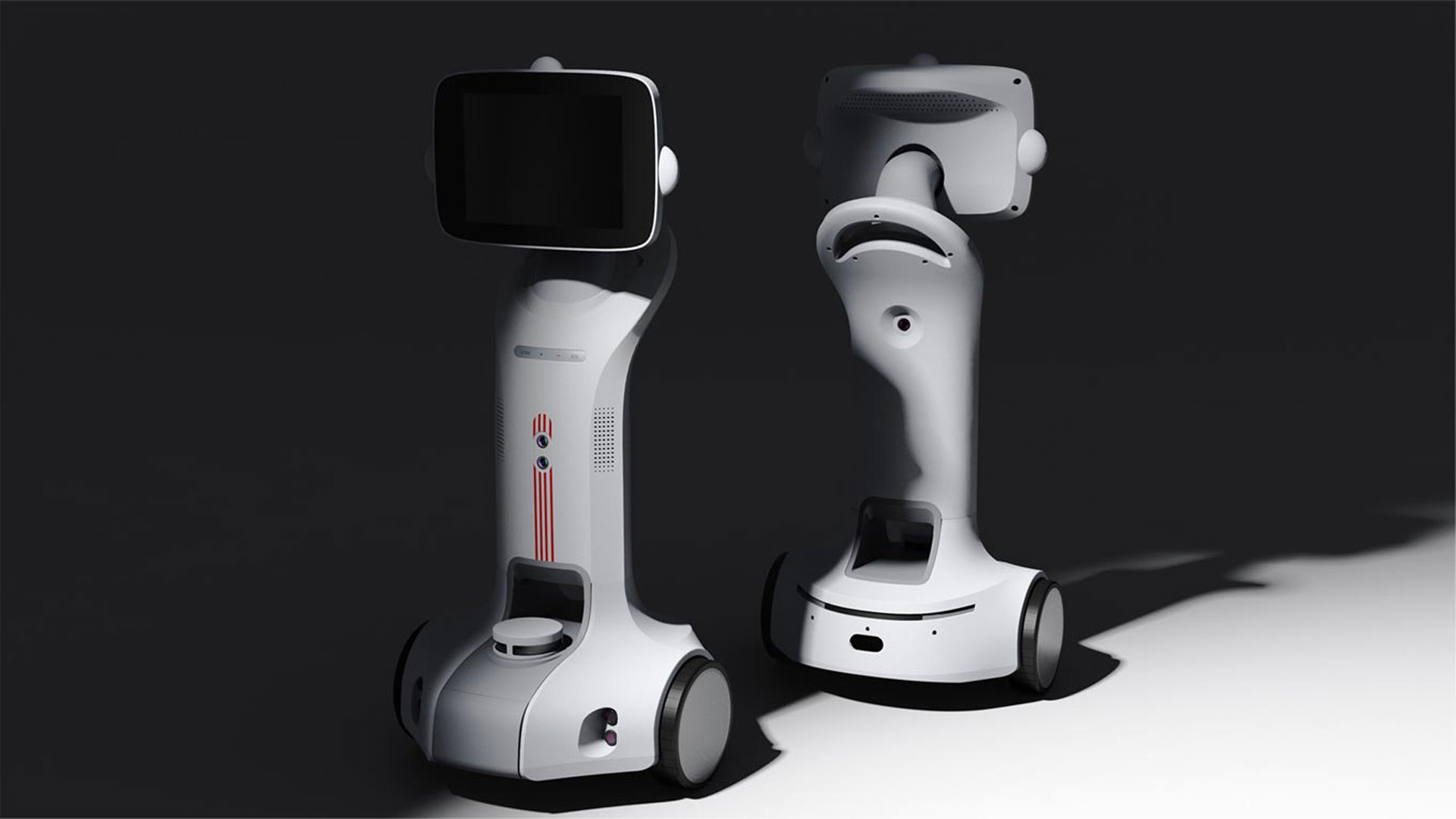
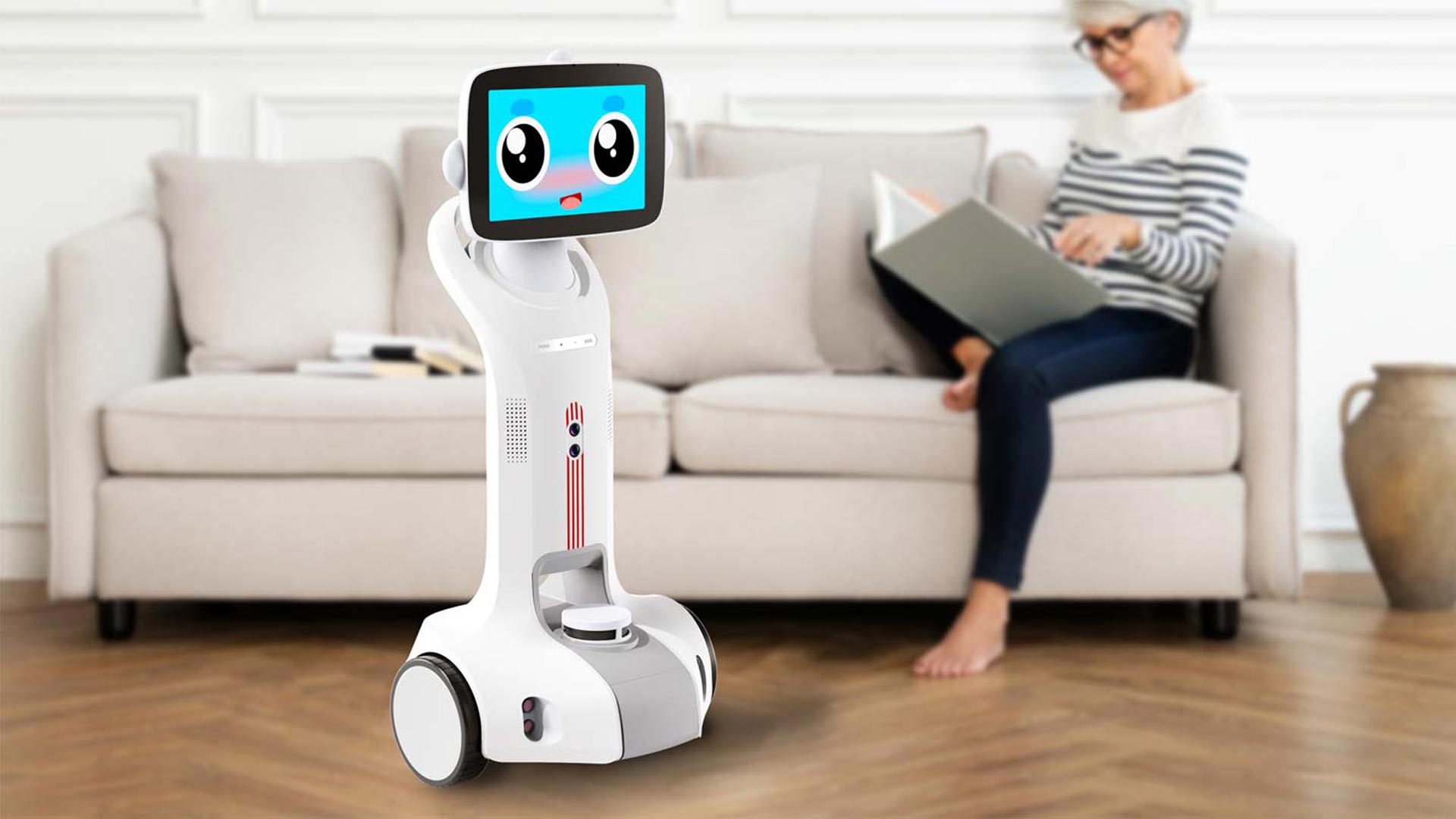
With the accelerating global aging population, the demand for intelligent elderly care solutions has grown significantly. YYD, a leading company in the senior care sector, needed a smart companion robot that could address critical concerns: fall detection for immediate emergency response, medication compliance monitoring, and remote family connectivity. The challenge was to develop a robot that balances advanced AI capabilities with elderly-friendly usability—simple enough for seniors to adopt without technical training. OPD Design led the full senior care robot product development process, from user research and industrial design through hardware, software, and functional prototyping.
Design Innovations
A. Fall Detection with Real-Time Response
B. Autonomous Navigation and Person Finding
C. Elderly-Friendly Interface Design
Product Development Process
Step 1-Industrial Design
Step 2-Mechanical Design
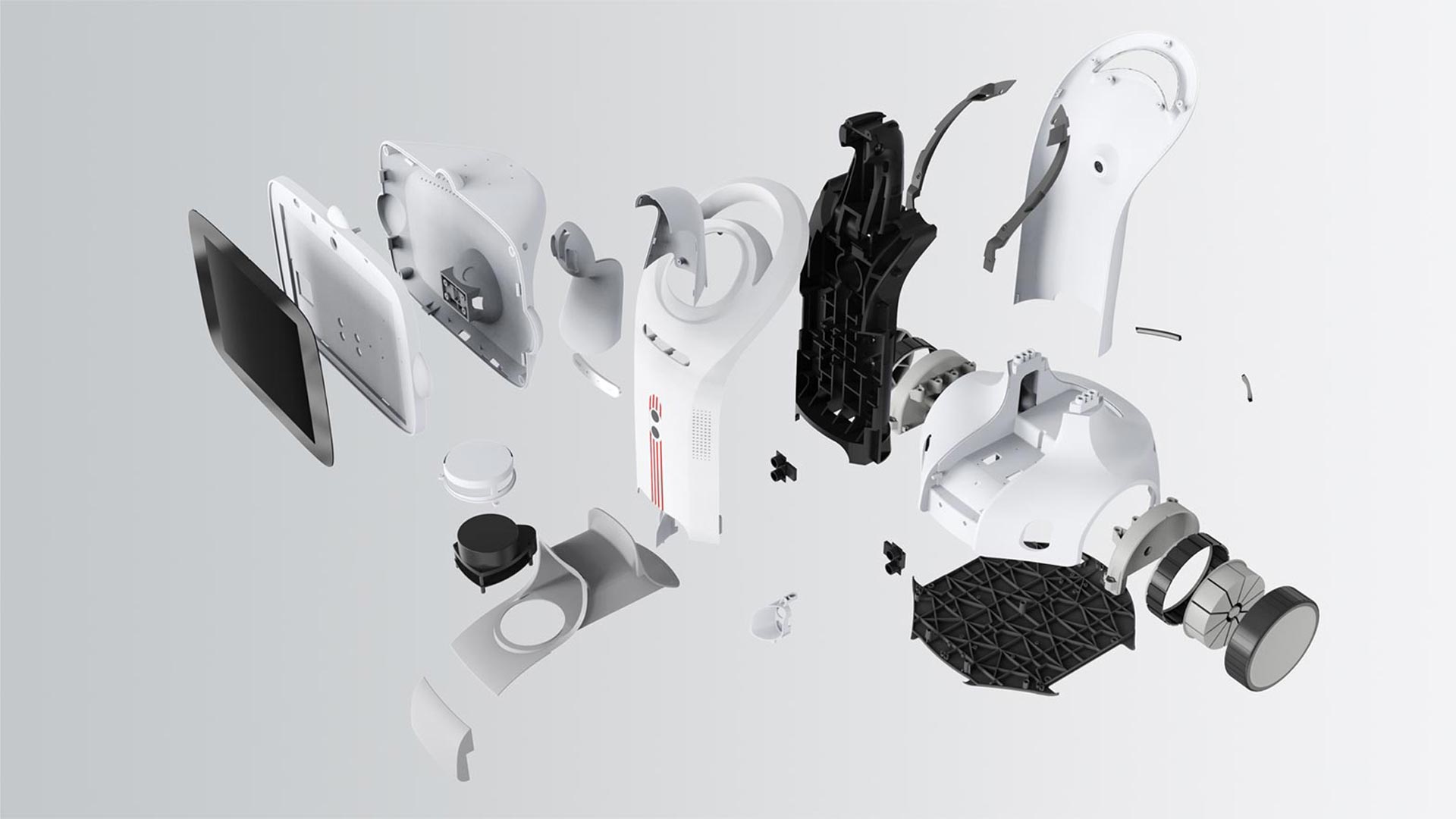
The mechanical engineering team performed detailed CAD modeling and simulations to optimize the internal layout. Lightweight yet durable materials were selected to ensure the robot is sturdy and easy to move. Special attention was given to battery placement, sensor layout, and drive system integration while maintaining a compact form factor.
Step 3-Hardware Development
Step 4-Firmware Development
Our firmware engineers developed code to integrate all hardware components, including sensor data processing, motor control, and communication protocols. Rigorous unit and integration testing ensured stability and reliability. Various usage scenarios were simulated to identify and fix potential issues before deployment.
Step 5-Software Development
We developed a user-friendly interface integrating fall detection, safety reminders, remote presence, and medication reminder modules. The software design uses a modular approach, allowing independent development and testing of each function. Multiple user tests with elderly participants continuously improved the interface and user experience.
Step 6-Prototyping and Testing
Multiple prototypes were fabricated and tested with elderly participants to validate fall detection accuracy, autonomous person-finding reliability, and overall system stability. User feedback was collected and incorporated through iterative design improvements, ensuring the final product meets all requirements and performs reliably in real-world conditions.
Project Data
Attribute | Details
Client Industry | Senior care / Healthcare technology
Product Category | Smart companion robot for elderly care
Development Scope | Industrial design, mechanical design, hardware development, firmware development, software development, prototyping
Key Technical Challenges Solved | Fall detection accuracy, autonomous navigation in home environments, elderly-friendly interface design, real-time alert system integration
Development Timeline | Approximately 10-14 months from concept to functional prototype
Main Deliverables | Functional prototypes, production-ready CAD designs, firmware source code, software application, user testing reports
Compliance Standards | Medical device safety considerations, elderly user accessibility standards, data privacy for health monitoring
Project Results
Can OPD Design develop a senior care robot with custom features for our market?
What is the typical senior care robot development process at OPD Design?
Our senior care robot development process includes six key phases: (1) Industrial Design — user research and interface design for elderly users, (2) Mechanical Design — structural engineering and material selection, (3) Hardware Development — sensor integration and component selection, (4) Firmware Development — embedded system programming, (5) Software Development — user interface and application features, and (6) Prototyping and Testing — validation with elderly users.
How long does it take to develop a senior care robot?
What is the estimated cost for senior care robot product development?
How do I start a senior care robot project with OPD Design?
Frequently Asked Questions
Ready to Start Your Product Development?
Featured Projects
Smart Comb
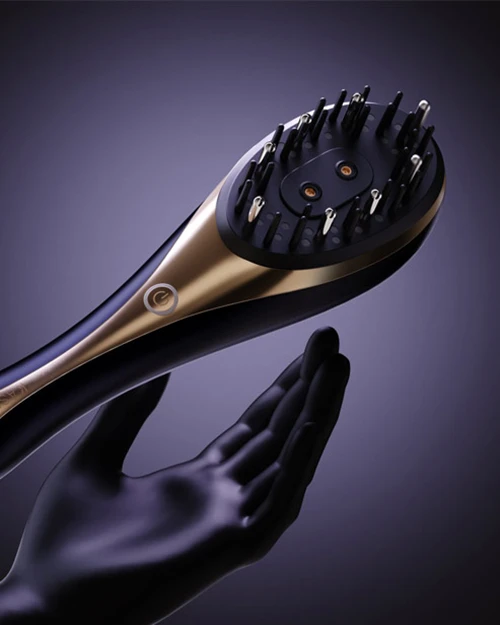
A scalp care comb with a misting function, featuring an ergonomic design that combines style and practicality.
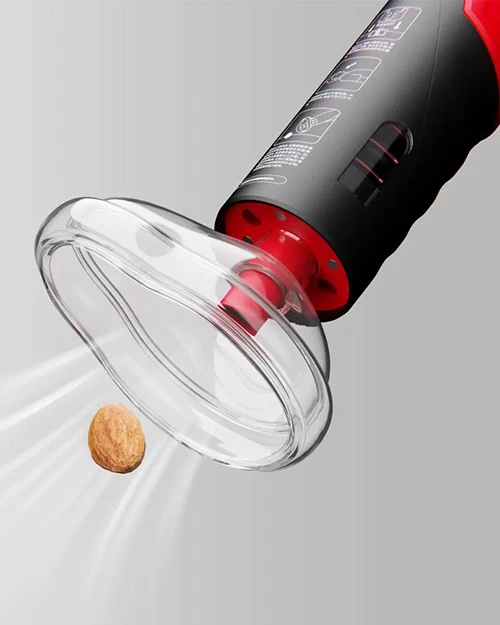
Anti-Choking Device
A home-use Heimlich maneuver device developed based on the principles of the Heimlich maneuver.
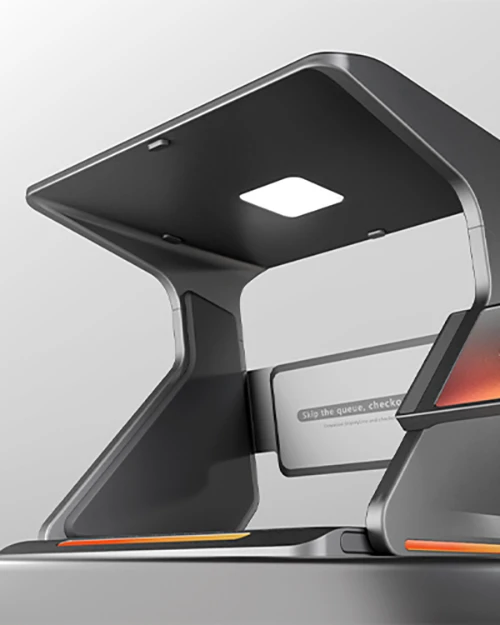
Self-Service Checkout System
These are the core devices supporting the "unmanned shopping" scenario and the key terminals for improving shopping efficiency.
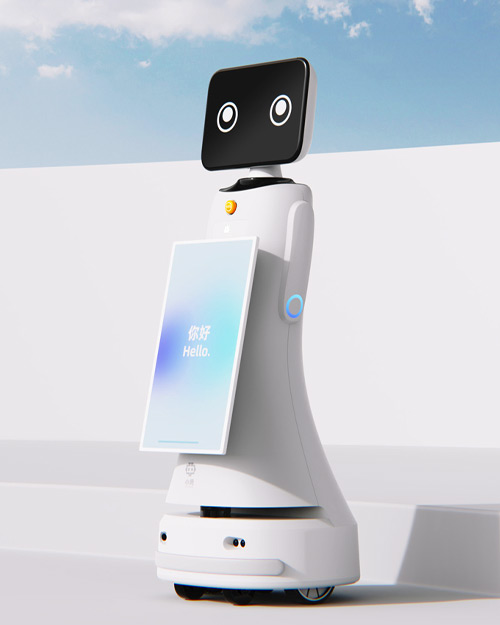
Care Robot
A care robot that integrates safety monitoring, daily assistance, and emergency response.
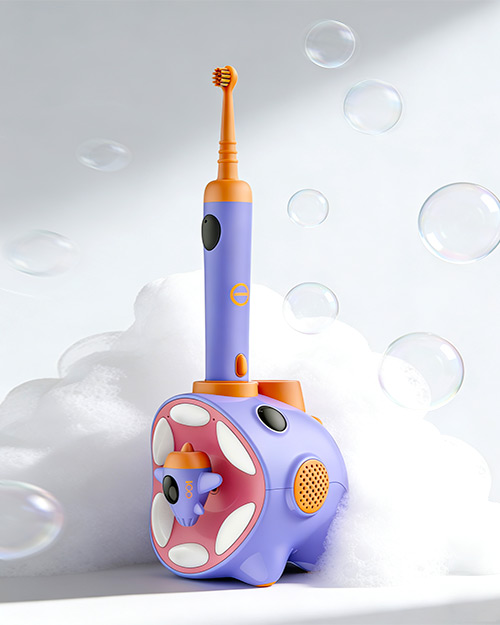
Kids Smart Toothbrush
Let children learn to brush their teeth independently in a fun way.
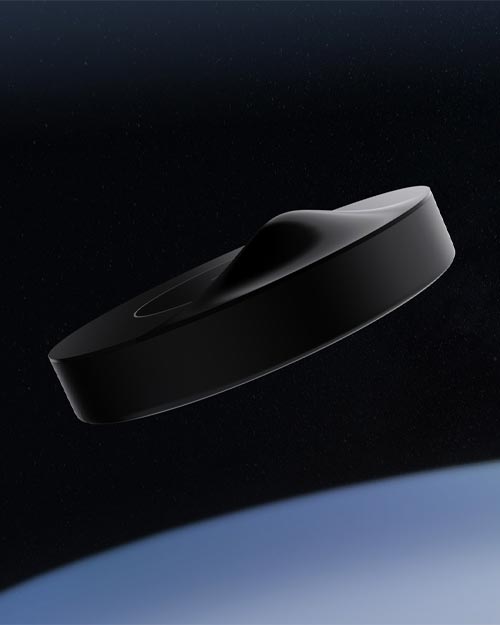
Sci-fi style electric ceramic stove
Spaceship-themed electric ceramic stove: a modern lifestyle.
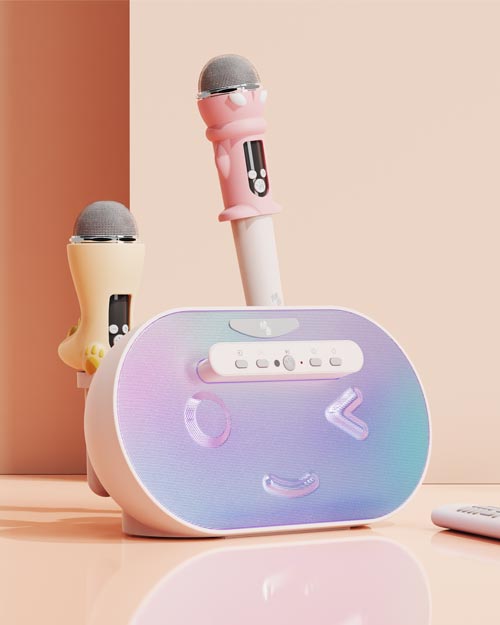
Children's KTV
Allowing children to learn through play and grow through learning.

AI interactive terminal
This project uses AI to recognize NFC chips, match IP-specific audio effects, enabling “one Baji, one exclusive interaction”