

Intelligent Cleaning Robot Product Development
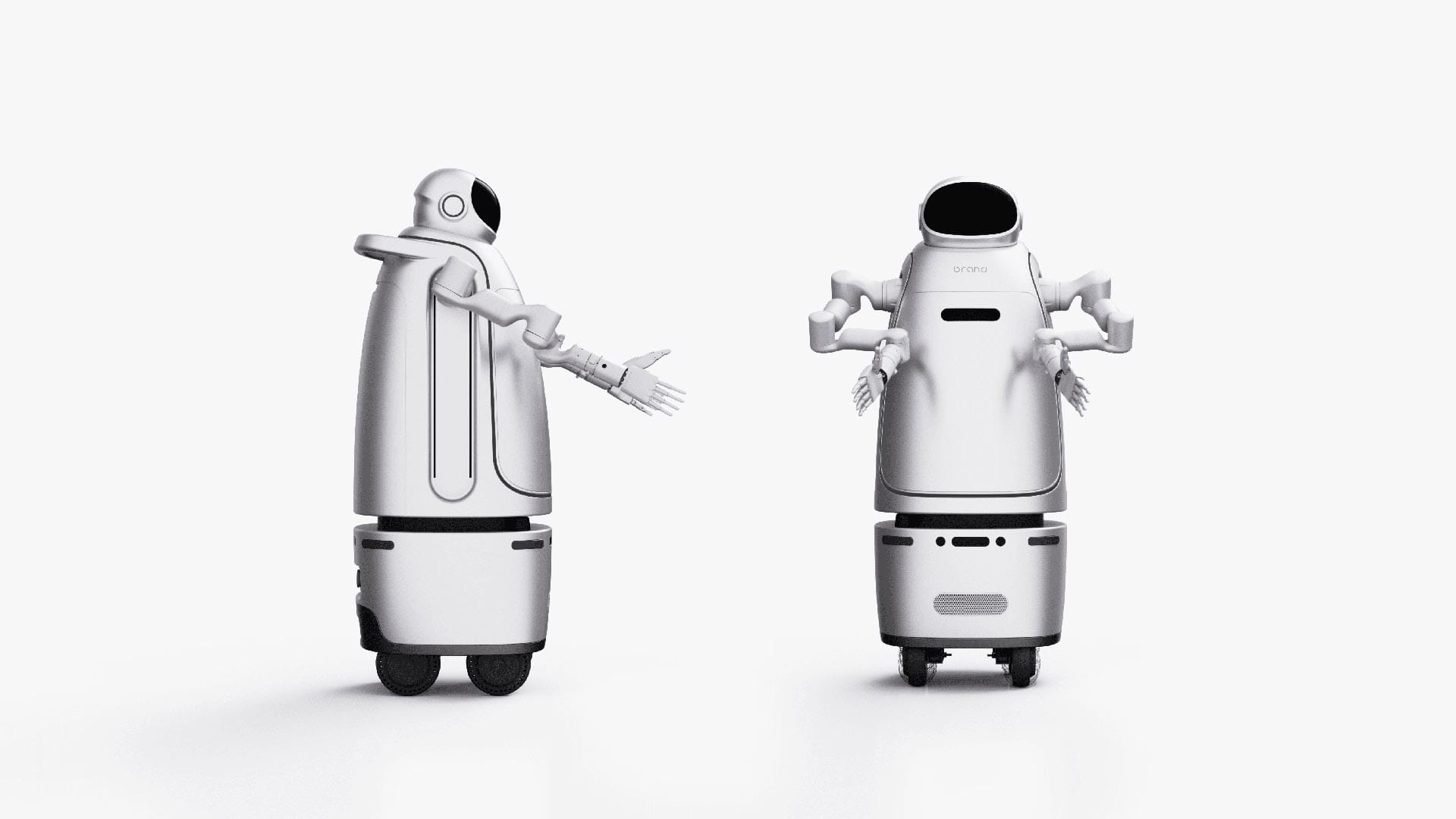
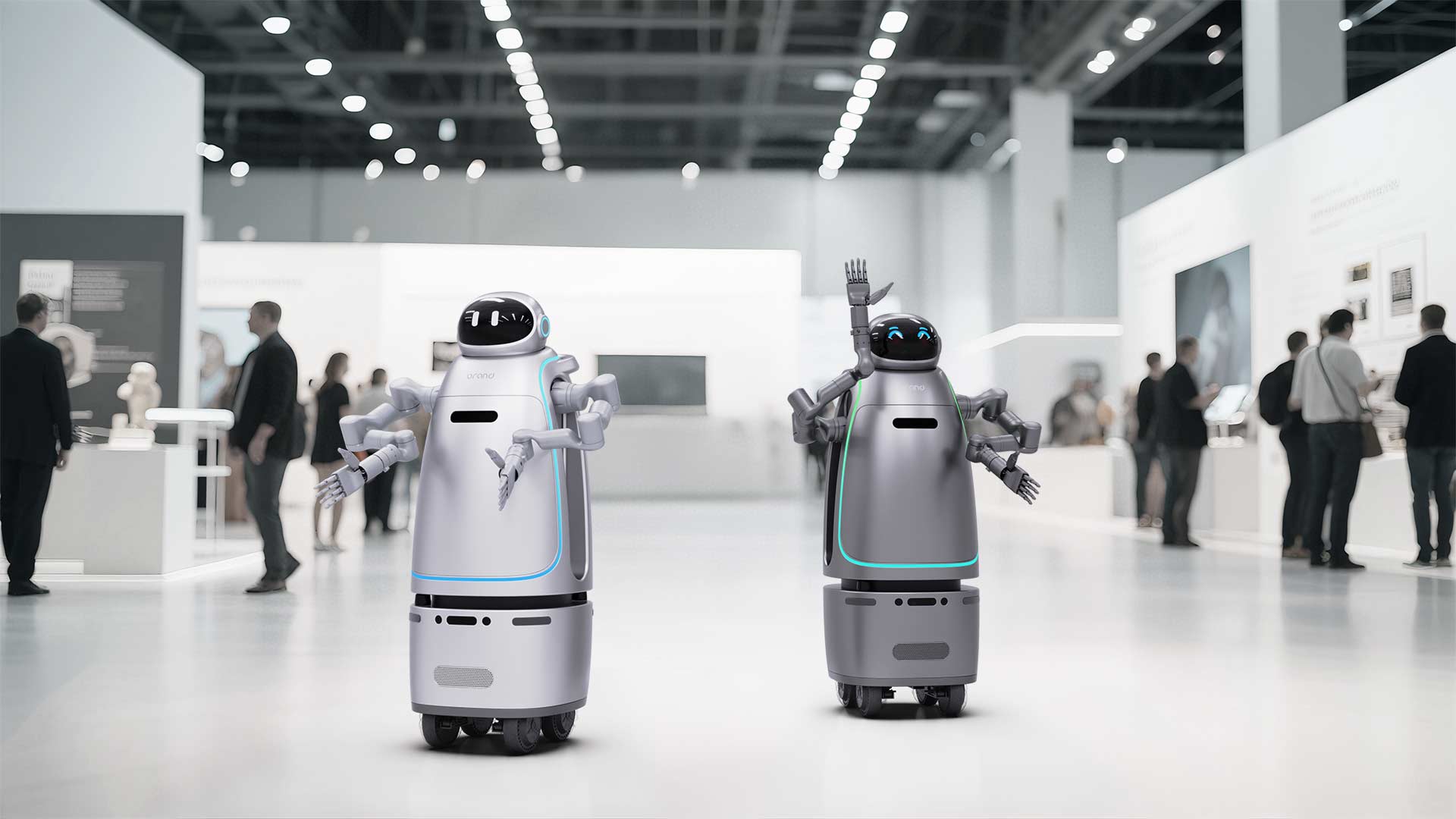
OPD Design delivered the intelligent cleaning robot product development — an autonomous toilet cleaning robot designed for public and commercial sanitation. The project covered industrial design, mechanical design, multi-sensor navigation, dual robotic arm development, functional prototyping, mold development, and compliance certification for commercial use.
Project Background
Public and commercial toilet cleaning has long faced challenges such as labor shortages, high labor intensity, high risk of contact infection, and difficulty in standardization.
This project aims to develop an autonomous robot capable of operating within confined toilet cubicles, replacing manual labor in the cleaning process, making cleaning safer, more stable, and enabling traceable quality control.
OPD Design led the full intelligent cleaning robot product development process, from initial concept validation through to mass production readiness, ensuring the robot met commercial sanitation standards and operational safety requirements.

Design Innovations
A. Multifunctional Robotic Arm + Tool-Compatible Architecture
- Two multi-degree-of-freedom robotic arms (capable of flexibly using human cleaning tools: brushes, cloths, spray guns, etc.) to perform actions such as picking, rotating, pressing, and wiping.
- Standardized tool interfaces (quick-change), compatible with commercially available cleaning tools, reducing costs and maintenance complexity.
B. Compact Body and Concealed Water/Wastewater Management
- Built-in removable clean water tank and wastewater reservoir, maintaining a clean appearance and facilitating on-site filling and cleaning.
- Modular internal layout for easy maintenance and tool storage, adaptable to narrow cubicles and common toilet layouts.
C. Fully Autonomous Navigation and Safe Interaction
- Multi-sensor fusion (topology/laser/depth camera) enables indoor autonomous positioning, obstacle avoidance, and precise location of the sink/toilet.
- Human-machine safety strategies (collision buffering, force limitation, emergency stop), with voice/screen display feedback indicating the operation status.
Product Development Process
Step 1-Product Strategy
We began with on-site surveys to measure cubicle dimensions, record obstacles, and interview cleaners about their tools and pain points. These insights were transformed into measurable requirements — accessibility, reliability, cost, maintenance, and safety — which guided all subsequent design decisions.
Step 2-Industrial Design
The industrial design focused on a compact body suitable for confined toilet cubicles, with a clean aesthetic that conceals the internal water and wastewater management system. Modular internal layout was designed for easy maintenance and tool storage, adaptable to various commercial toilet layouts.
Step3-Mechanical Design
The mechanical architecture features two multi-degree-of-freedom robotic arms with standardized tool interfaces for quick-change compatibility with commercially available cleaning tools. The chassis kinematics were engineered to meet minimum turning radius and positioning accuracy requirements for narrow spaces.
Step4-Hardware Design
Step5-Software Development
Step6-Functional Prototyping
Step7-Mold Development
Step8-Manufacturing
Project Data
Client Industry | Commercial sanitation / Facility management
Product Category | Autonomous cleaning robot for public toilets
Development Scope | Industrial design, mechanical design, hardware, software integration, prototyping, mold development, manufacturing support
Key Technical Challenges Solved | Dual robotic arm coordination in confined spaces, multi-sensor fusion for autonomous navigation, modular water management system
Development Timeline | Approximately 10-12 months from concept to mass production
Main Deliverables | Functional prototypes, production-ready CAD designs, mold tooling, control software, manufacturing documentation
Compliance Standards | Commercial sanitation standards, electrical safety certification (CE/FCC)
Can OPD Design develop a smart cleaning robot from concept to mass production?
What is the typical product development process at OPD Design?
Our product development process typically includes six key phases: (1) Product Strategy — defining requirements and market positioning, (2) Industrial Design — appearance and user experience, (3) Mechanical and Hardware Design — structural engineering and electronics, (4) Prototyping and Testing — functional validation and iteration, (5) Mold Development — precision tooling for mass production, and (6) Manufacturing Support — quality control and production scaling. Each phase has clear deliverables and client review checkpoints.
How long does it take to develop a new hardware product with OPD Design?
What is the estimated cost for product development at OPD Design?
How do I start a product development project with OPD Design?
Frequently Asked Questions
Ready to Start Your Product Development?
Featured Projects
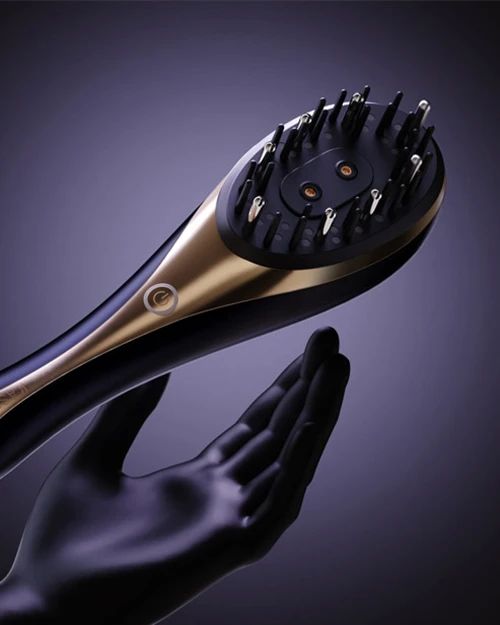
Smart Comb
A scalp care comb with a misting function, featuring an ergonomic design that combines style and practicality.
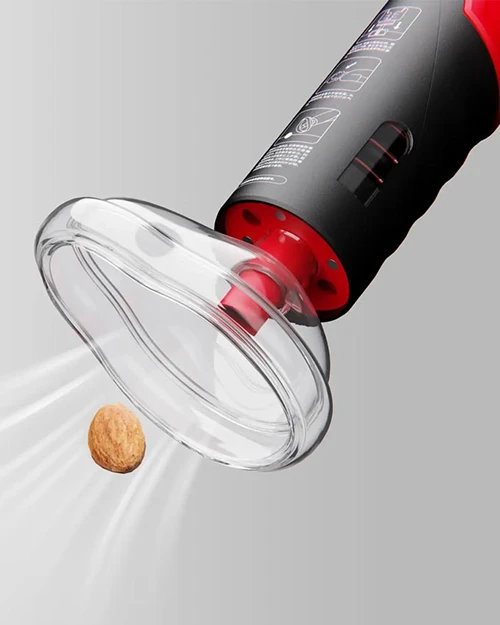
Anti-Choking Device
A home-use Heimlich maneuver device developed based on the principles of the Heimlich maneuver.
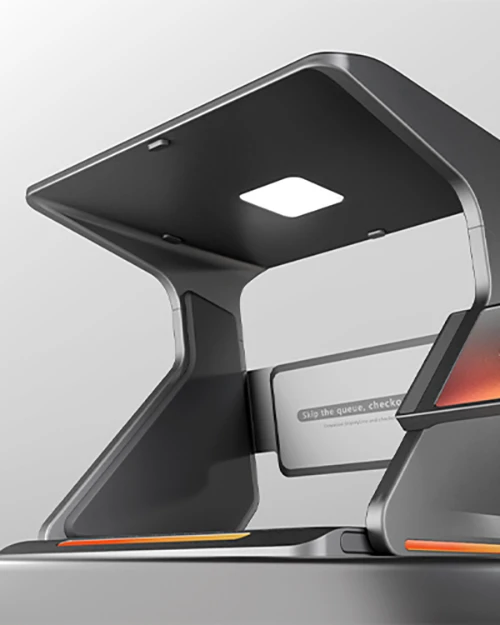
Self-Service Checkout System
These are the core devices supporting the "unmanned shopping" scenario and the key terminals for improving shopping efficiency.
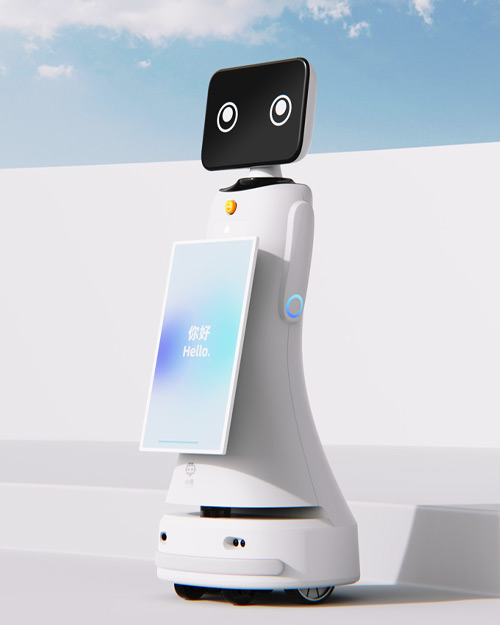
Care Robot
A care robot that integrates safety monitoring, daily assistance, and emergency response.
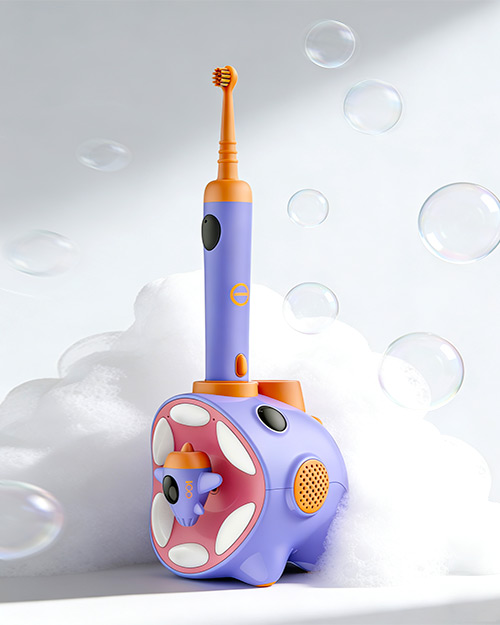
Kids Smart Toothbrush
Let children learn to brush their teeth independently in a fun way.
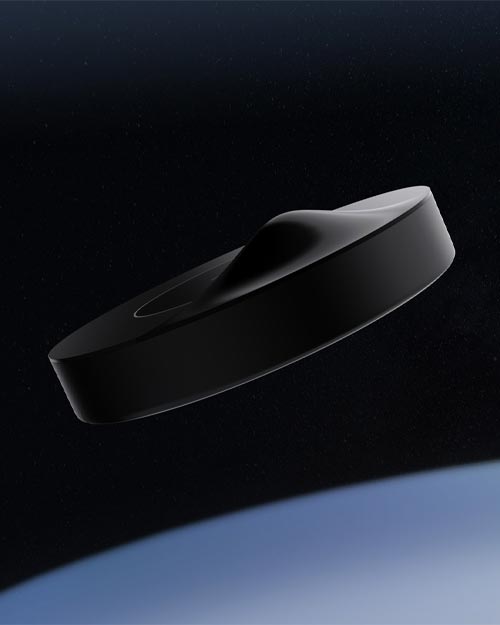
Sci-fi style electric ceramic stove
Spaceship-themed electric ceramic stove: a modern lifestyle.
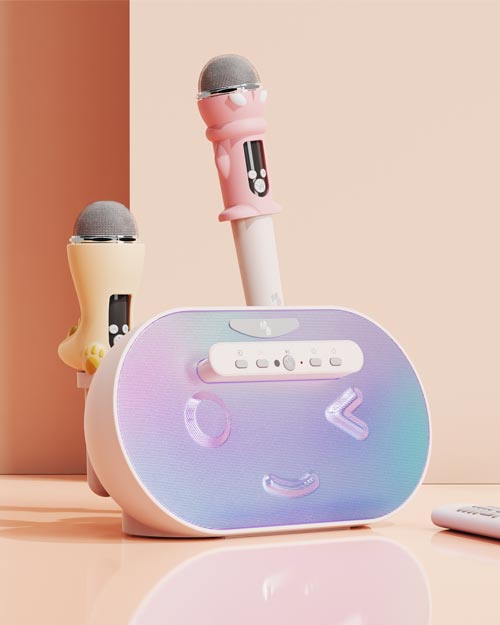
Children's KTV
Allowing children to learn through play and grow through learning.

AI interactive terminal
This project uses AI to recognize NFC chips, match IP-specific audio effects, enabling “one Baji, one exclusive interaction”