

Care Robot Development
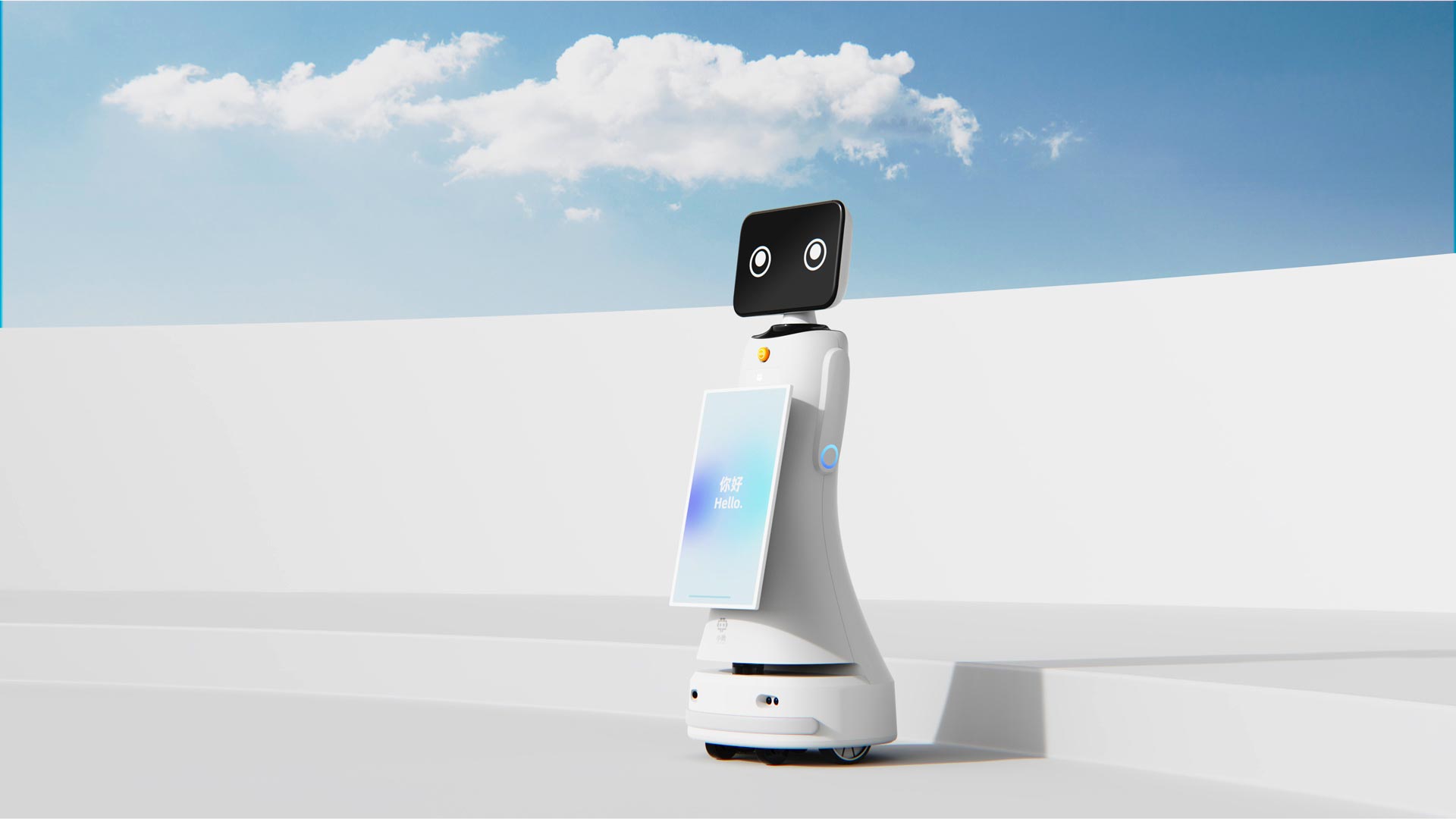
TL;DR: OPD Design developed a care robot combining social interaction capabilities, autonomous mobility and sensor-based environment awareness for a service robotics client. The project covered industrial design, mechanical and hardware engineering, firmware development, prototyping and mold support.
Project Background
With the aging population intensifying, the demand for care for the elderly living alone and disabled groups surges. Traditional manual care faces challenges like labor shortages and delayed responses. To address the imbalance between care supply and demand, this care robot is developed to provide 24/7 intelligent support integrating safety monitoring, daily assistance, and emergency response.
Solution
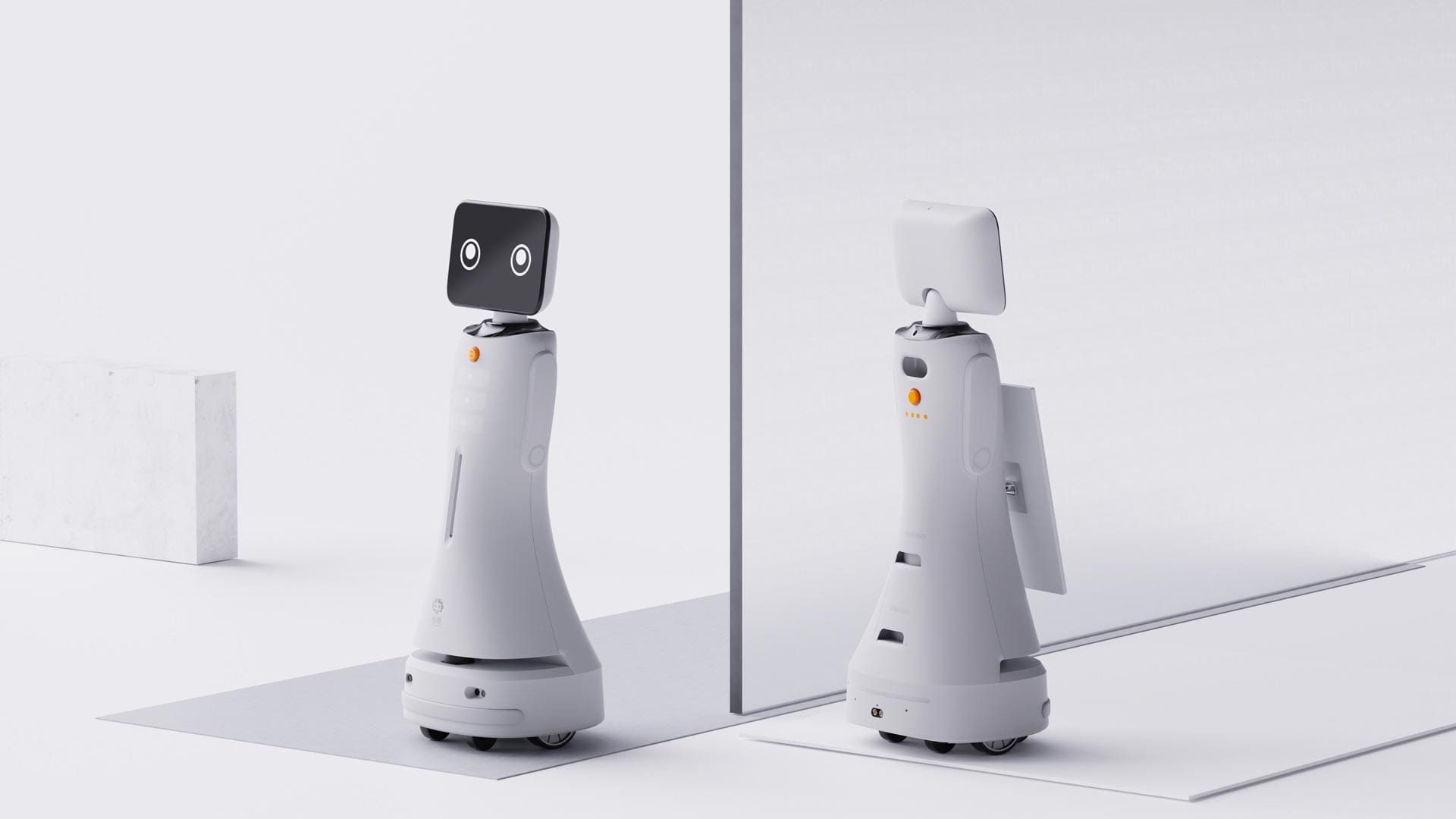
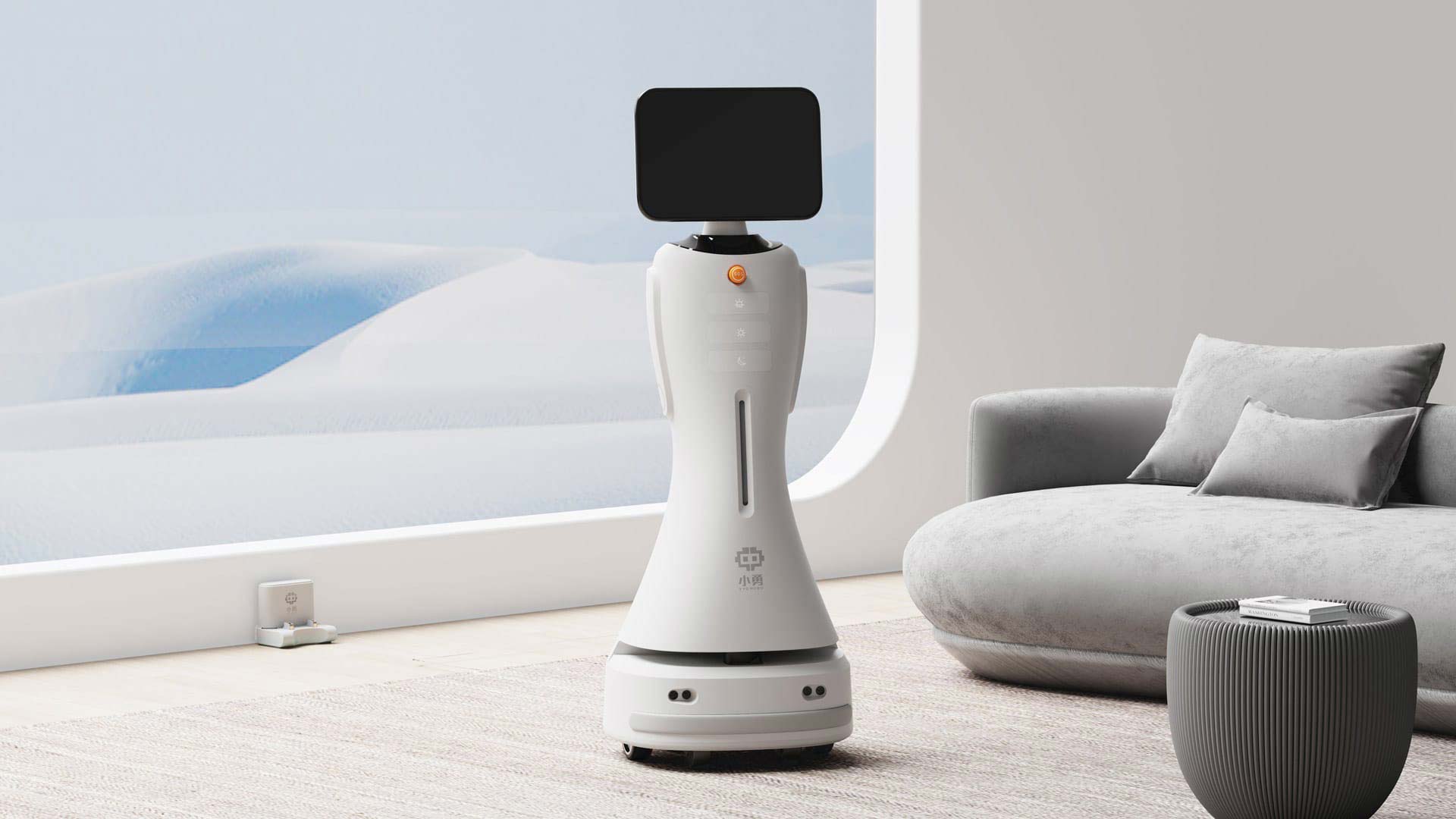
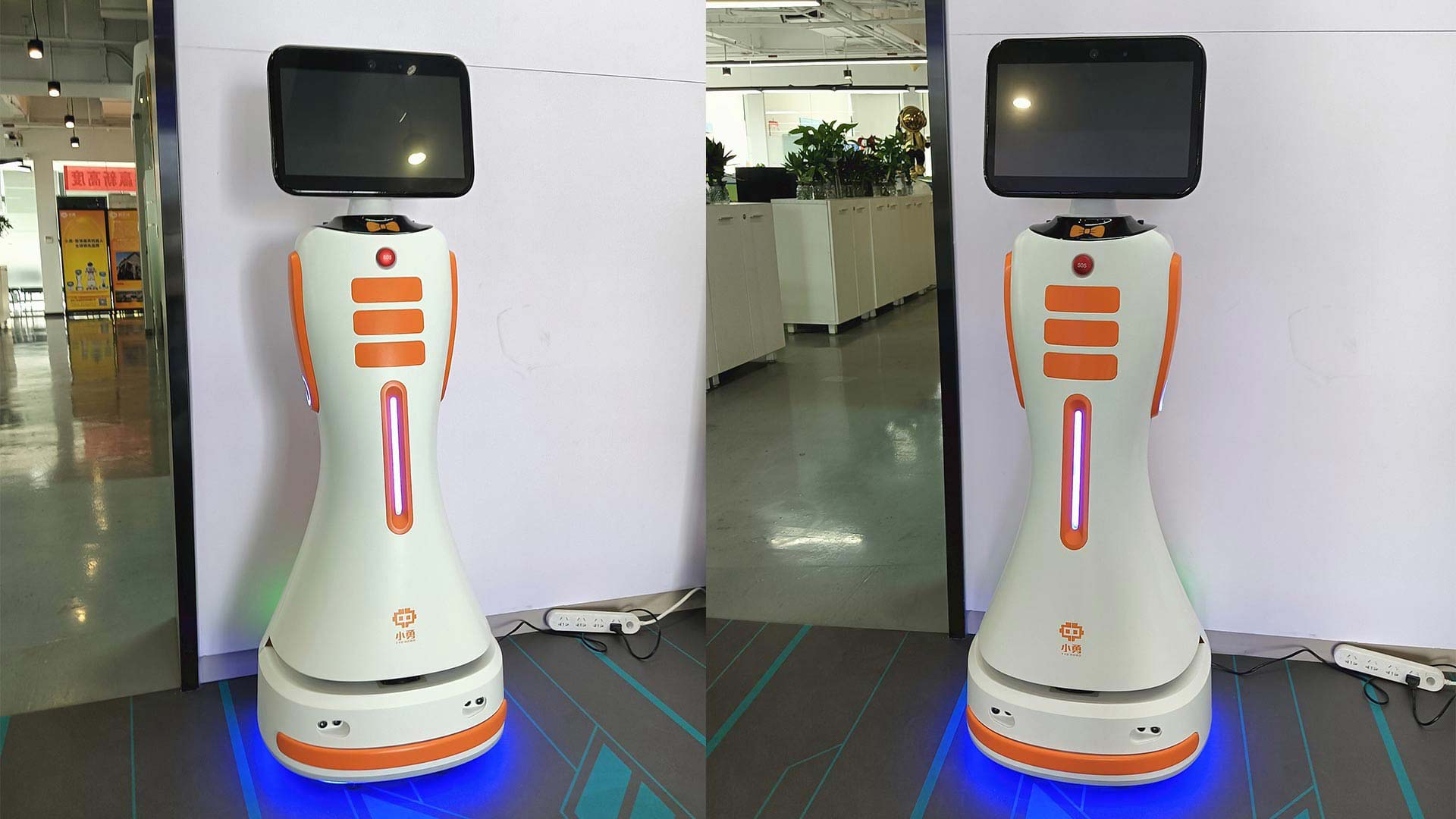
OPD Design developed a care robot designed to provide companionship and assistance in eldercare and rehabilitation settings. The robot features a friendly, approachable form factor with a touchscreen interface, voice interaction and autonomous navigation. The mechanical design integrates drive systems, sensor arrays and a compact chassis for stable indoor mobility.
Our Care Robot Development Process
Step 1-Product Definition & Market Research
We analyzed the service robot market for eldercare and rehabilitation settings, identified target use cases in home companionship, assisted living facilities and day care centers, and worked with the client to define social interaction capabilities, mobility requirements and safety features.
Step 2-Industrial Design
We designed an approachable, non-intimidating form with rounded edges, soft-touch surfaces and a stable base geometry. The industrial design integrated a touchscreen face panel, speaker/microphone array and charging dock into a cohesive companion form.
Step 3-Mechanical (Structural) Engineering
We engineered the drive system with differential wheel configuration and suspension, the sensor array housing for LiDAR, ultrasonic and cliff sensors, and the internal layout for battery, compute unit and actuator modules. The structural design balanced stability, maneuverability and load capacity.
Step 4-Hardware & Firmware Development
We integrated motor drivers, sensor fusion electronics and power management hardware. Firmware development covered the navigation stack including SLAM, path planning and obstacle avoidance, as well as the user interaction layer for voice I/O and touchscreen control.
Step 5-Functional Prototyping
We built functional prototypes and conducted navigation accuracy testing, obstacle detection validation and user interaction trials in simulated home and care environments. Iterative refinements addressed drive traction on different floor types and voice recognition in noisy environments.
Step 6-Mold Development
We managed mold tooling for the robot chassis, shell components and internal brackets. T0/T1 trials verified part quality and assembly fit, with attention to the sensor window transparency and the docking contact alignment.
Step 7-Supply Chain & Mass Production Support
We coordinated sourcing for drive motors, sensor modules, compute boards and structural components, managed pilot assembly runs and supported volume production with quality inspection across our manufacturing network.
Developing a POS terminal, payment device or retail technology product? Send us your product idea — our team can take it from first concept to a production-ready design.
Project Results
The care robot development project delivered:
– Care robot with social interaction and autonomous mobility developed end-to-end
– Approachable industrial design with touchscreen interface and voice interaction
– Mechanical engineering integrating drive systems, sensor arrays and compact chassis
– Hardware and firmware for navigation, obstacle detection and user interaction
– Functional prototypes validated through environment testing
– Mold development and production support for volume manufacturing
Featured Projects
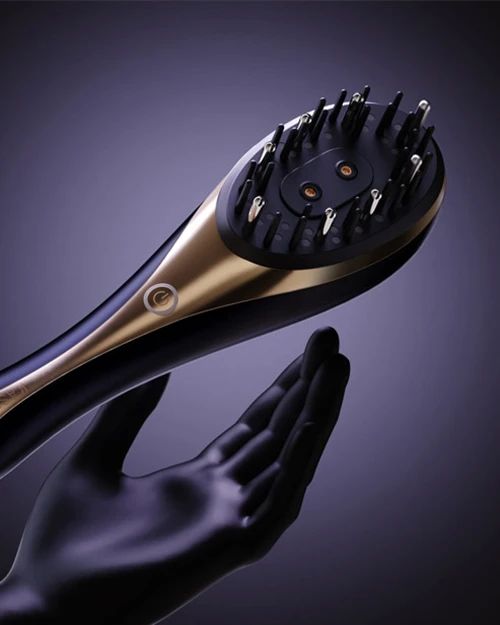
Smart Comb
A scalp care comb with a misting function, featuring an ergonomic design that combines style and practicality.
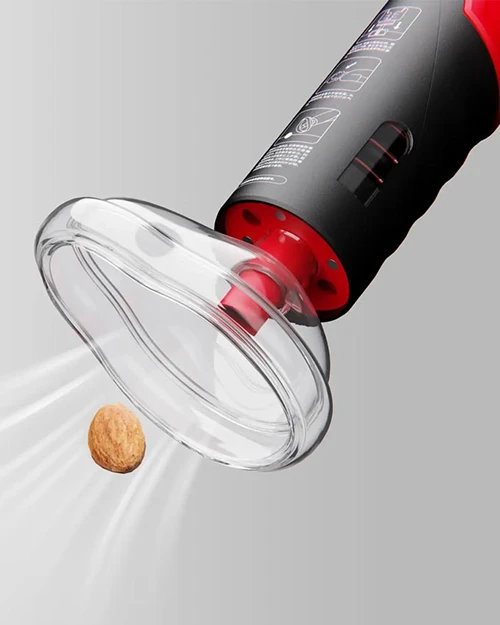
Anti-Choking Device
A home-use Heimlich maneuver device developed based on the principles of the Heimlich maneuver.
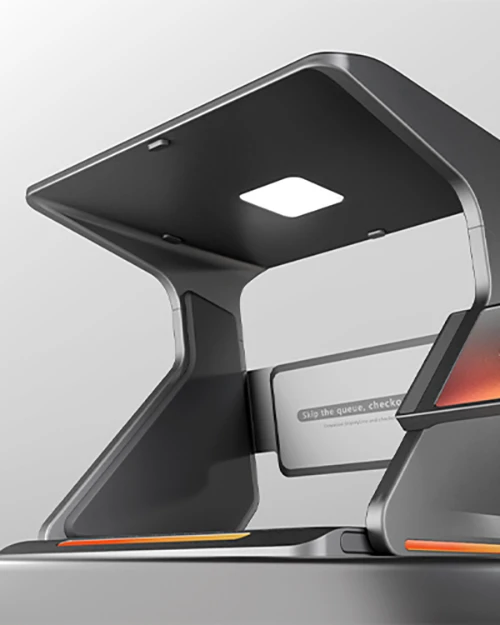
Self-Service Checkout System
These are the core devices supporting the "unmanned shopping" scenario and the key terminals for improving shopping efficiency.
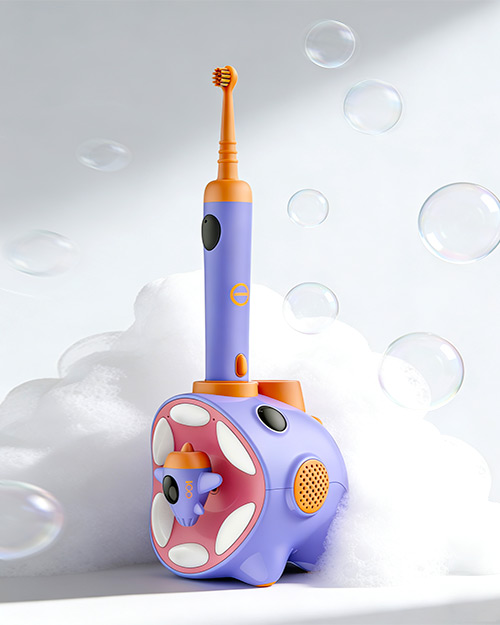
Kids Smart Toothbrush
Let children learn to brush their teeth independently in a fun way.
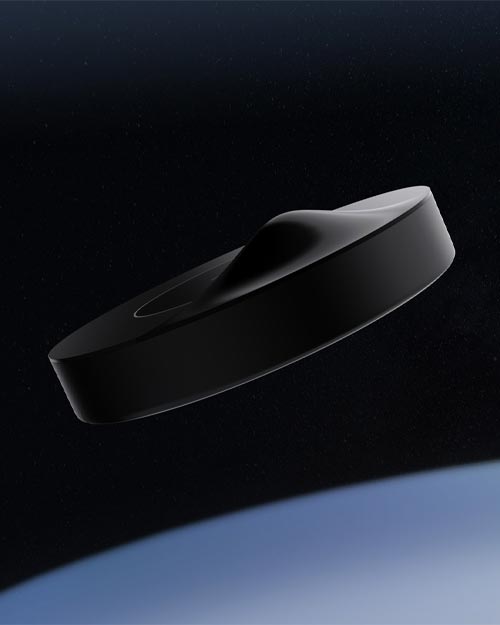
Sci-fi style electric ceramic stove
Spaceship-themed electric ceramic stove: a modern lifestyle.
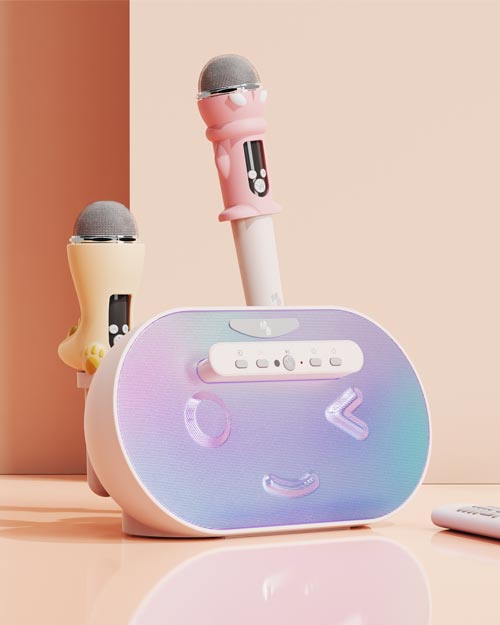
Children's KTV
Allowing children to learn through play and grow through learning.

AI interactive terminal
This project uses AI to recognize NFC chips, match IP-specific audio effects, enabling “one Baji, one exclusive interaction”
Frequently Asked Questions
1.What does care robot development with OPD Design include?
2.Can OPD Design handle both the robot's exterior design and internal engineering?
3.How long does it take to develop a care robot from concept to prototype?
4. Can you support autonomous navigation and sensor integration?
Yes. We integrate LiDAR, ultrasonic sensors, cameras and inertial measurement units for indoor navigation and obstacle avoidance. Specific sensor configurations are confirmed during the design phase.